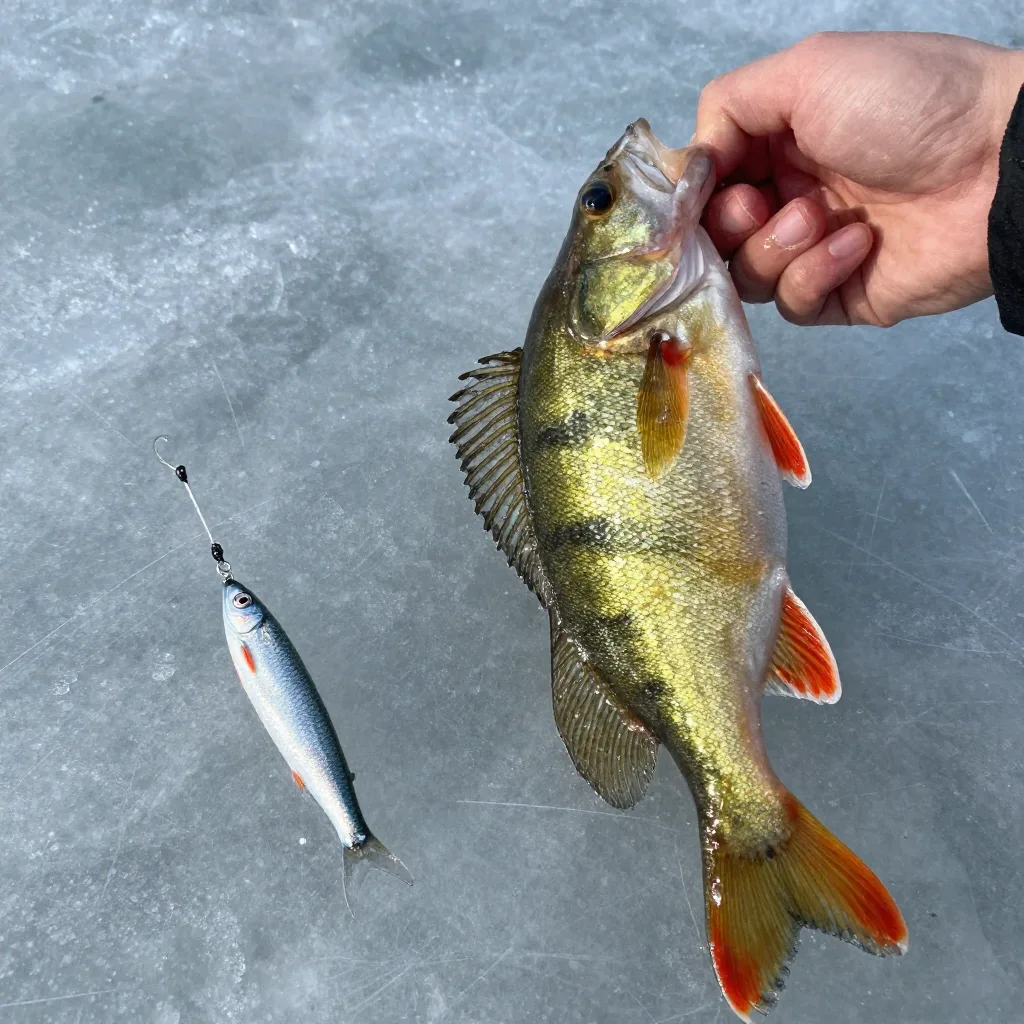
yellow perch winter fishing(Perca flavescens) rank among the most popular winter target species, especially throughout northern regions of the United States and Canada where these aggressive fish can be caught in impressive numbers through the ice. The scientific name flavescens translates to “becoming yellow,” aptly describing these colorful fish that captivate ice anglers with consistent action and exceptional table fare. While yellow perch cooperate with anglers year-round, ice fishing for these schooling fish generates particular enthusiasm as winter concentrations create fast-paced action unavailable during warm months.
Understanding yellow perch winter behavior, proper bait and lure selections, productive location strategies, and effective techniques dramatically increases your success targeting these tasty fish through the ice. Whether you’re fishing Devils Lake’s legendary perch schools, exploring Great Lakes tributaries, or targeting local ponds with healthy populations, these comprehensive yellow perch fishing winter tips ensure productive outings. From regulations and safety considerations to advanced jigging tactics, this guide covers everything ice anglers need for successful winter perch fishing.
Why Yellow Perch Excel as Winter Target Species
Exceptional Table Fare: One primary reason yellow perch receive such enthusiastic pursuit involves their outstanding eating quality. The mild, sweet, flaky white fillets rank among freshwater fishing’s finest table fare, rivaling walleye in flavor and texture. Winter-caught perch often exhibit firmer flesh and superior taste compared to warm-water harvests, making them especially desirable for fish fries. The combination of cooperative biting behavior and exceptional culinary quality makes perch ideal targets for anglers seeking both action and meals.
Aggressive Winter Behavior: Yellow perch maintain aggressive feeding behavior throughout winter despite cold water temperatures that slow most species. This eagerness to bite translates into consistent action that keeps ice anglers engaged during long fishing sessions. Perch attack presentations enthusiastically, often hooking themselves with minimal hookset effort required. The reliable activity proves particularly valuable when introducing newcomers to ice fishing, as perch provide positive experiences that build confidence.
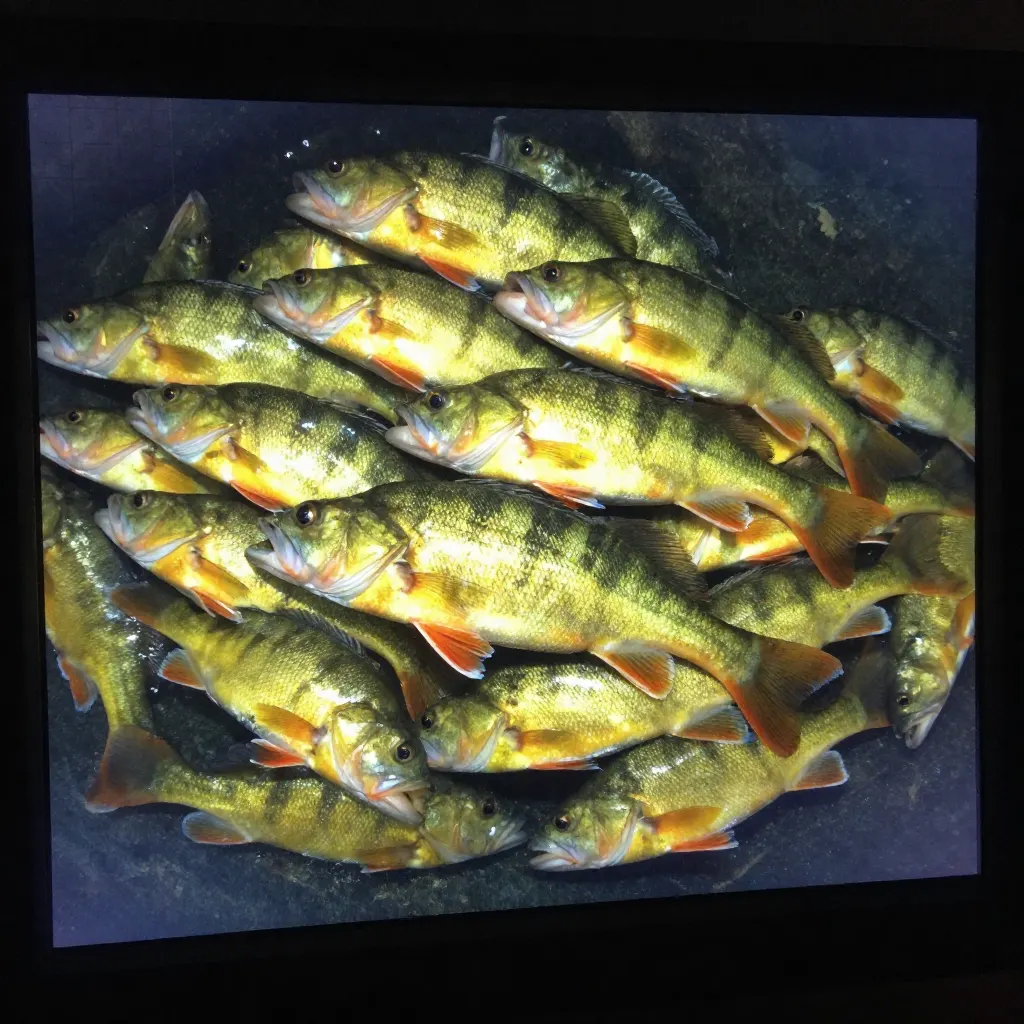
Schooling Dynamics: Yellow perch naturally school year-round, but winter concentrations intensify dramatically as fish aggregate in predictable locations. These tight pods sometimes contain hundreds of fish circling specific structures or depth zones. Once you locate an active school, rapid catches measuring dozens of fish per hour become realistic expectations. The schooling behavior creates “feast or famine” fishing where persistence in searching pays dividends through explosive action when schools are found.
Understanding Regulations and Licensing
Verify State-Specific Regulations: Before targeting yellow perch through ice, thoroughly check your state’s winter fishing regulations. Start each New Year during winter season by purchasing updated fishing licenses when previous year licenses expire. Regulations vary significantly between states and even between water bodies within single states. Some jurisdictions establish generous bag limits recognizing abundant perch populations, while others implement restrictive limits protecting stressed fisheries.
Equipment and Gear Restrictions: Review regulations governing allowable fishing devices and methods. Pennsylvania, for example, limits anglers to five “fishing devices” including tip-ups and rods but allows unlimited hooks when using bait. Other states restrict total hook numbers regardless of bait type. Understanding these nuances prevents unintentional violations that result in citations.
Harvest Limits and Size Requirements: If keeping perch for consumption, verify daily bag limits which commonly range from 25-50 fish but vary by jurisdiction. Some states implement minimum size requirements protecting small perch, while others establish slot limits or maximum sizes preserving breeding stock. Certain water bodies within states maintain different limits than statewide standards—always verify specific regulations for your target lake. For comprehensive licensing guidance, review our ice fishing license information guide.
Best Baits for Yellow Perch Ice Fishing
Live Minnows Dominate: Minnows represent the best bait for yellow perch in winter and likely throughout the year. Small shiners, fatheads, and emerald shiners measuring 1-3 inches produce consistently. Hook minnows through backs just behind dorsal fins or through lips for natural swimming presentations. Live minnows excel particularly when targeting larger “jumbo” perch exceeding 10-12 inches that prefer substantial meals.
Many experienced perch anglers use minnow heads rather than whole baitfish, especially when perch exhibit finicky behavior. The scent disperses rapidly while the compact profile allows small tungsten jigs tipped with minnow pieces to maintain rapid sink rates. When perch schools feed aggressively, entire minnows produce better, but tentative fish often respond more favorably to minnow heads or tails.
Waxworms and Spikes: Waxworms (wax moth larvae) and spikes (Eurolarvae/maggots) provide versatile live bait options that excel across all conditions. These small larvae work perfectly for finessing selective perch in pressured waters or during negative feeding periods. Thread single waxworms onto small jig hooks or load multiple specimens creating fuller profiles that attract attention. Spikes work identically, though their smaller size sometimes triggers bites when larger baits fail.
Store waxworms and spikes in closed containers tucked in jacket pockets where body heat prevents freezing. Frozen bait dies and loses effectiveness rapidly. Some anglers use insulated bait boxes or chemical hand warmers maintaining proper temperatures during extreme cold.
Alternative Live Baits: Night crawlers, leeches, mealworms, and perch eyes all produce yellow perch catches. Wiggle lines slightly when using these baits to attract attention through movement and vibration. Perch eyes represent a traditional “secret weapon” when fish become sluggish or refuse standard offerings. The freshness and scent trigger strikes from even the most cautious perch. For additional bait recommendations, explore our ice fishing for beginners guide.
Top Ice Fishing Lures for Yellow Perch
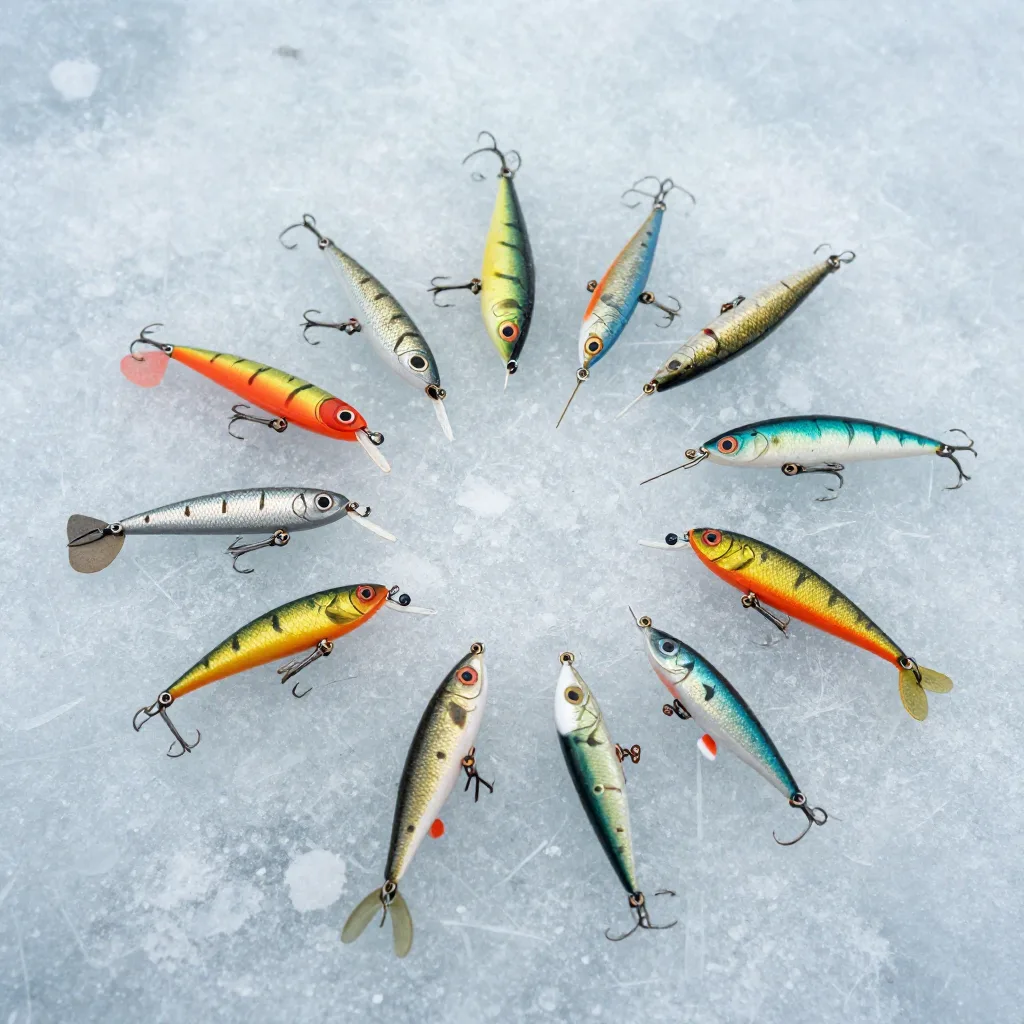
Small Spoons Create Flutter: The best ice fishing lures for yellow perch mimic baitfish through size, action, and profile. Small spoons measuring ⅛ to ¼ ounce capable of fluttering on the fall consistently trigger aggressive strikes. Swedish Pimples, Kastmasters, and jigging spoons all produce when worked with rhythmic jigging cadences. Tip spoons with minnow heads, perch eyes, or waxworms adding scent and taste to visual attraction.
Tungsten Jigs Sink Fast: Tungsten jigs like Widow Maker Lures Droppers reach bottom rapidly despite tiny sizes due to tungsten’s exceptional density. This fast sink rate proves critical when fishing 20-40 foot depths where perch often suspend. Small tungsten jigs tipped with spikes, waxworms, or tiny plastic tails deliver deadly combinations in pressured waters. The compact profile and natural presentation trigger bites from even the most selective jumbo perch.
Gold, silver, and chartreuse colors work effectively in most conditions, with perch showing marked preferences that change daily. Carry multiple color options, experimenting until fish reveal preferences. Glow-in-the-dark finishes excel during low-light periods or in deep stained water.
Lipless Crankbaits Vibrate: Small lipless crankbaits jigged vertically provide unique vibrations that attract perch from distances. Rapala Jigging Raps create distinctive darting actions when presented directly below holes. These lures excel for searching water efficiently, covering depths rapidly until perch schools are located. Once fish are found, switch to more subtle presentations if crankbaits fail to convert lookers into biters.
Combining Artificial and Live: Tipping artificial lures with pieces of live bait often outperforms either presentation alone. The combination provides visual attraction through lure action plus scent and taste from natural bait. Experiment with different combinations—tungsten jigs with waxworms, spoons with minnow heads, crankbaits with perch eyes—until you discover what triggers maximum bites.
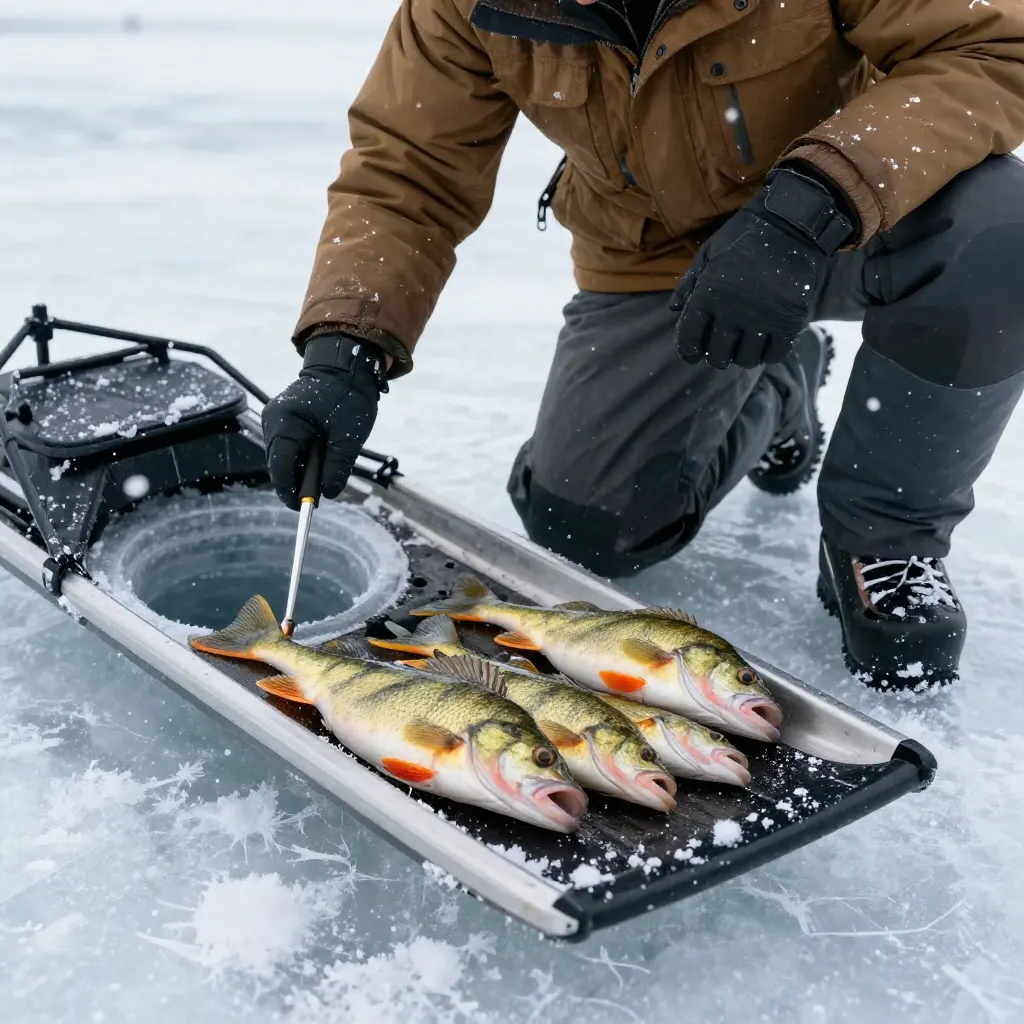
Locating Yellow Perch in Winter
Initial Research and Local Knowledge: Before fishing, investigate online resources, consult local anglers, or visit nearby bait shops confirming yellow perch presence in target water bodies. If perch inhabit the lake, bait shop staff provide invaluable current information about productive locations, effective depths, and working techniques. This local intelligence dramatically shortens your learning curve.
Deep Holes with Structure: Deep holes featuring structure represent ideal starting locations for winter perch fishing. Yellow perch seek serious depth during winter months—30-40+ feet in reservoirs, twice the surrounding depth in tidal creeks, and main channels in rivers. These deep areas provide stable temperatures, adequate oxygen, and proximity to forage concentrations. Rock piles, submerged timber, weed bed edges, and basin transitions within these deep zones attract and hold perch schools.
However, the best lakes for yellow perch ice fishing feature harder, rockier bottoms rather than soft muck. Hard substrates support diverse invertebrate populations that attract baitfish and subsequently perch. Soft bottoms produce less favorable fishing, though stirring silt by bouncing small spoons occasionally gains attention.
Shallow Flats and Roaming Schools: Despite general deep-water tendencies, yellow perch are known to roam, often on shallow flats measuring 10-20 feet deep. These shallower zones see increased activity during low-light periods—dawn and dusk—when perch move shallow to feed. In winter when lakes freeze over, perch often return to shallower waters compared to late-summer depths. The ability to adapt depth throughout the year makes perch versatile targets requiring systematic searching.
Mobility and Persistence: Sometimes you need to move and drill additional holes when fish don’t cooperate. The “run and gun” approach—checking multiple spots quickly until locating active schools—proves highly effective. Other situations demand patience as schools roaming predictable circles eventually return to you. Perch often cruise in patterns, coming through specific areas every 20-40 minutes. Learning to read conditions and adjust strategies separates consistent producers from frustrated anglers.
Effective Yellow Perch Ice Fishing Techniques
Systematic Depth Exploration: Pay close attention to bottom composition and fish location using electronics or systematic jigging. Start at bottom and work upward, jigging at each depth for 30-60 seconds before moving up. Yellow perch often feed just off the bottom but suspend at specific depths based on forage location. Once you identify productive zones, maintain lures at those precise depths.
Jigging Cadence Variations: Start with short, rhythmic lifts drawing attention, then pause to entice bites. Many perch strikes occur during pauses when jigs hang motionless or fall slowly. Experiment with aggressive snapping motions versus subtle quivers until fish reveal preferences. Winter perch can be notorious nibblers requiring delicate presentations, while other times they attack aggressively.
Bottom Banging Attraction: Tap jigs on lake beds stirring up sediment that mimics feeding baitfish. This bottom contact creates visual disturbances and vibrations attracting nearby perch. The resulting silt clouds and bait fragments can trigger entire schools even in cold, dark winter water. However, avoid this technique on extremely soft bottoms where jigs bury in muck.
Deadsticking for Jumbo Perch: Drop live minnows on plain hooks positioned a few inches off bottom while actively jigging another rod nearby. This “deadstick” approach targets larger, more cautious perch that investigate commotion but refuse aggressive presentations. The stationary minnow appears as easy meal, often triggering strikes from trophy specimens. For comprehensive multi-rod techniques, review our ice fishing FAQ guide.
Reading Sonar Reactions: Electronics dramatically improve perch fishing efficiency by displaying fish presence and reactions. If perch rise toward lures but don’t bite, slow presentations or switch colors. Fish holding tight to bottom often respond to bottom-banging tactics. Suspended schools require matching your presentation depth to their position.
Targeting Trophy Jumbo Perch
Size-Selective Strategies: Jumbo perch exceeding 12 inches demand different approaches than average 7-9 inch specimens. Use larger baits including whole minnows measuring 2-4 inches that discourage smaller fish while attracting trophies. Fish deeper water where larger perch often segregate from smaller schoolmates. Early morning and late afternoon represent prime feeding times when jumbo perch move most actively.
Light-Action Rods Critical: Light-action ice rods with quick soft tips prove ideal for teaming with tiny, compact, heavy tungsten jigs that work exceptionally well for tentative jumbo perch. These sensitive rods detect subtle takes and provide adequate flex preventing hook pulls from paper-thin perch mouths. The light action allows delicate presentations that trigger bites from selective trophy fish.
Pattern Recognition: Once you figure out patterns—specific depths, structure types, bait preferences, jigging cadences—you may find yourself catching many cooperative fish rapidly. The activity of biting fish and resulting lost bait fragments trigger entire schools. This feeding frenzy creates memorable fishing where you catch perch on every drop. For trophy fish techniques, explore our trophy ice fishing tips guide.
Prime Timing and Conditions
Best Times to Fish: Fish during prime hours when yellow perch feed most actively—early morning and late afternoon. These low-light periods coincide with peak activity as perch move into feeding zones. However, winter days offer productive fishing throughout daylight hours, particularly when weather remains stable. Drill holes before fish start feeding actively, as drilling noise can temporarily silence schools.
Weather Influences: Stable weather patterns following cold fronts produce best perch action. Perch bite more consistently during periods of steady barometric pressure compared to rapidly changing conditions. Overcast days sometimes outfish bright sunny conditions, particularly in clear water where perch become more cautious under intense light. For destination recommendations featuring excellent perch fishing, review our North American ice fishing destinations guide.
Essential Safety Reminders
Every list of yellow perch fishing winter tips must include safety reminders. Always take necessary precautions including fishing with friends rather than alone. Bring essential safety equipment including life jackets or float suits, ice cleats for traction, ice picks for self-rescue, fully charged cell phones in waterproof cases, and warm layered clothing rated for predicted conditions.
Verify ice thickness through multiple sources before venturing onto frozen lakes. Minimum 4 inches of solid clear ice supports one person safely, though thicker ice provides better safety margins. Avoid areas with moving water including inlets, outlets, and bridge pilings where current prevents uniform ice formation. For comprehensive safety protocols, review our March ice fishing safety guide.
Frequently Asked Questions About Yellow Perch Winter Fishing
What is the best bait for yellow perch ice fishing?
Minnows represent the best bait for yellow perch throughout winter. Small shiners, fatheads, and emerald shiners measuring 1-3 inches produce consistently when hooked through backs or lips. Minnow heads work excellently for finicky fish. Waxworms and spikes (maggots) provide versatile alternatives that excel across all conditions, particularly for selective perch. Combining live bait with artificial lures—tipping tungsten jigs with waxworms or spoons with minnow heads—often outperforms either alone. For comprehensive bait guidance, explore our ice fishing for beginners guide.
Where do yellow perch go in winter?
Yellow perch seek deep holes with structure during winter—30-40+ feet in reservoirs, twice surrounding depth in tidal creeks, and main channels in rivers. However, perch are known to roam on shallow flats measuring 10-20 feet deep, particularly during dawn and dusk. The best lakes feature hard, rocky bottoms supporting diverse forage. Perch often cruise in predictable circles around structure, coming through specific areas every 20-40 minutes. Electronics dramatically improve location efficiency by displaying fish presence and depth preferences.
What lures work best for ice fishing yellow perch?
Small spoons capable of fluttering (⅛-¼ ounce Swedish Pimples, Kastmasters) trigger aggressive strikes. Tungsten jigs tipped with spikes, waxworms, or tiny plastics provide deadly combinations in pressured waters. Small lipless crankbaits like Rapala Jigging Raps create unique vibrations attracting perch from distances. Tip all artificial lures with live bait pieces adding scent to visual attraction. Gold, silver, and chartreuse colors work effectively, though perch show marked daily preferences requiring experimentation. For lure recommendations, review our ice fishing line selection guide.
How do you catch jumbo yellow perch through the ice?
Target jumbo perch exceeding 12 inches with larger baits including whole minnows measuring 2-4 inches that discourage smaller fish. Fish deeper water where trophies often segregate from smaller schoolmates. Use light-action rods with soft tips paired with compact tungsten jigs for delicate presentations. Deadstick live minnows near bottom while jigging another rod, as cautious jumbo perch often prefer stationary presentations. Fish during prime times—early morning and late afternoon when trophy perch feed most actively. For trophy tactics, explore our trophy ice fishing guide.
What depth should I fish for yellow perch in winter?
Yellow perch depth varies by water body, time of day, and seasonal progression. Start searching deep holes with structure at 30-40+ feet in large reservoirs or lakes. Shallower waters of 10-20 feet produce during low-light periods and in smaller lakes. Perch often suspend just off bottom but roam throughout water columns based on forage location. Use systematic approaches starting at bottom and working upward until locating schools. Electronics display precise fish depths, dramatically shortening searching time.
Conclusion
Yellow perch fishing through ice provides exceptional winter opportunities combining aggressive bites, schooling behavior, and outstanding table fare. Success requires understanding regulations, selecting proper baits and lures, identifying productive locations, and employing effective techniques that match conditions. Live minnows and waxworms represent premier bait choices while small spoons, tungsten jigs, and lipless crankbaits excel as artificial presentations.
Yellow perch inhabit deep structured areas but roam onto shallow flats, demanding mobile searching strategies and systematic depth exploration. Once schools are located, rapid action measuring dozens of catches per hour becomes realistic. Whether fishing premier destinations like Devils Lake or exploring family-friendly locations, these yellow perch fishing winter tips ensure productive, safe, and enjoyable ice fishing experiences.
2 thoughts on “Yellow Perch Winter Fishing: Ice Fishing Tips 2026”