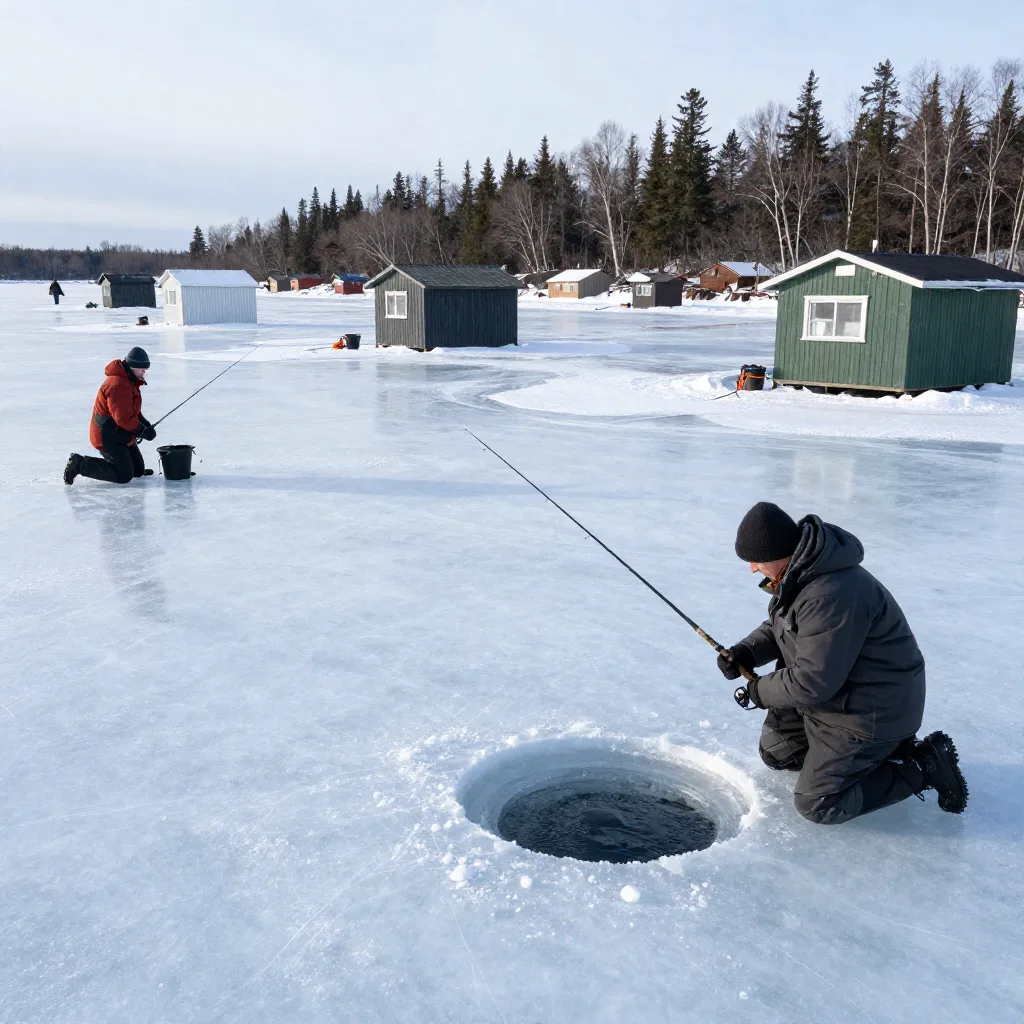
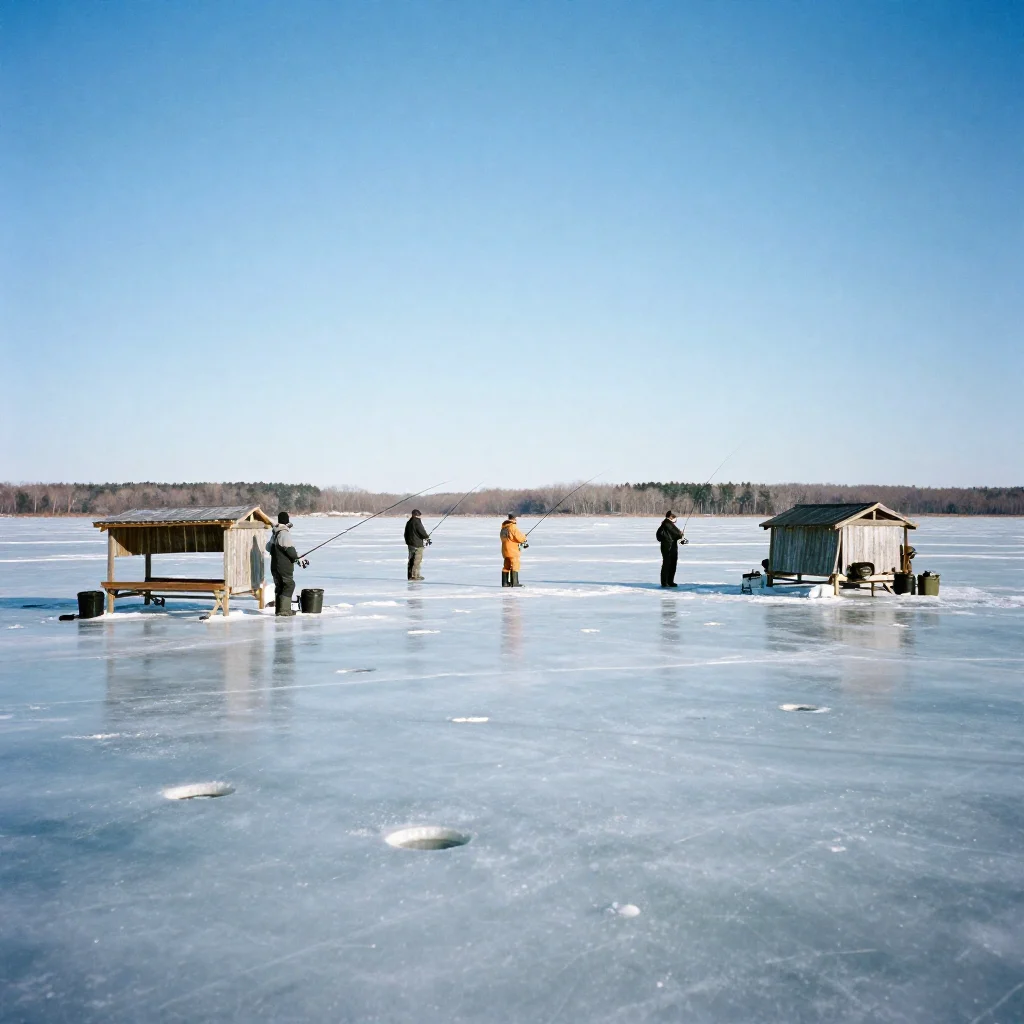
Finding the best ice fishing places transforms a cold winter hobby into an unforgettable adventure. Whether you’re a seasoned ice angler seeking trophy catches or a beginner looking for your first hardwater experience, knowing where to go ice fishing can make all the difference between frustration and fishing success. This comprehensive guide reveals the top ice fishing destinations across North America, from Minnesota’s legendary lakes to Alaska’s remote waters, helping you plan the perfect winter fishing trip.
What Makes a Great Ice Fishing Destination?
Before exploring specific locations, understanding what defines exceptional ice fishing spots helps you make informed decisions about where to invest your time and resources. The best ice fishing places share several key characteristics that separate mediocre outings from memorable adventures.
Safe and Consistent Ice Conditions
Ice safety stands as the foundation of any successful ice fishing destination. The best locations feature:
- Consistent freeze patterns that create at least 4 inches of clear ice for walking
- Protected bays and inlets that freeze earlier and maintain stable conditions
- Local monitoring systems with daily ice condition reports
- Designated ice roads for vehicle access when conditions permit
- Clear visual markers identifying safe zones and thin ice areas
Near-shore ice is often much thicker and safer than ice farther out, especially at the start of the winter season. Always check thickness regularly with a spud bar or auger as you move across any frozen lake.
Learn essential ice fishing safety techniques before hitting the ice.
Abundant Fish Populations
Productive waters remain productive regardless of season. The best ice fishing spots feature:
- Diverse species availability including walleye, pike, perch, trout, and panfish
- Healthy fish populations that recover quickly from fishing pressure
- Trophy potential for anglers seeking memorable catches
- Year-round productivity indicating strong aquatic ecosystems
- Food chain balance supporting sustained fishing quality
If you’ve struggled catching fish on a lake during warmer months, there’s a good chance you may not have much patience for fishing through the ice either. However, productive summer waters typically translate to excellent winter fishing.
Accessibility and Infrastructure
The most popular ice fishing destinations provide comprehensive support systems:
- Easy road access even in challenging winter conditions
- Nearby towns with amenities including lodging, restaurants, and shops
- Rental facilities for equipment, shelters, and transportation
- Guide services offering local knowledge and instruction
- Bait shops stocked with effective lures and live bait
- Ice shack services including shuttle transport and overnight accommodations
Check our fishing license requirements guide before traveling.
Scenic Beauty and Experience
Beyond fishing success, the best destinations offer:
- Stunning winter landscapes that make even slow fishing days enjoyable
- Comfortable shelter options from basic pop-ups to heated permanent structures
- Community atmosphere where anglers share tips and camaraderie
- Additional winter activities like snowmobiling, skiing, and snowshoeing
- Family-friendly environments welcoming all skill levels
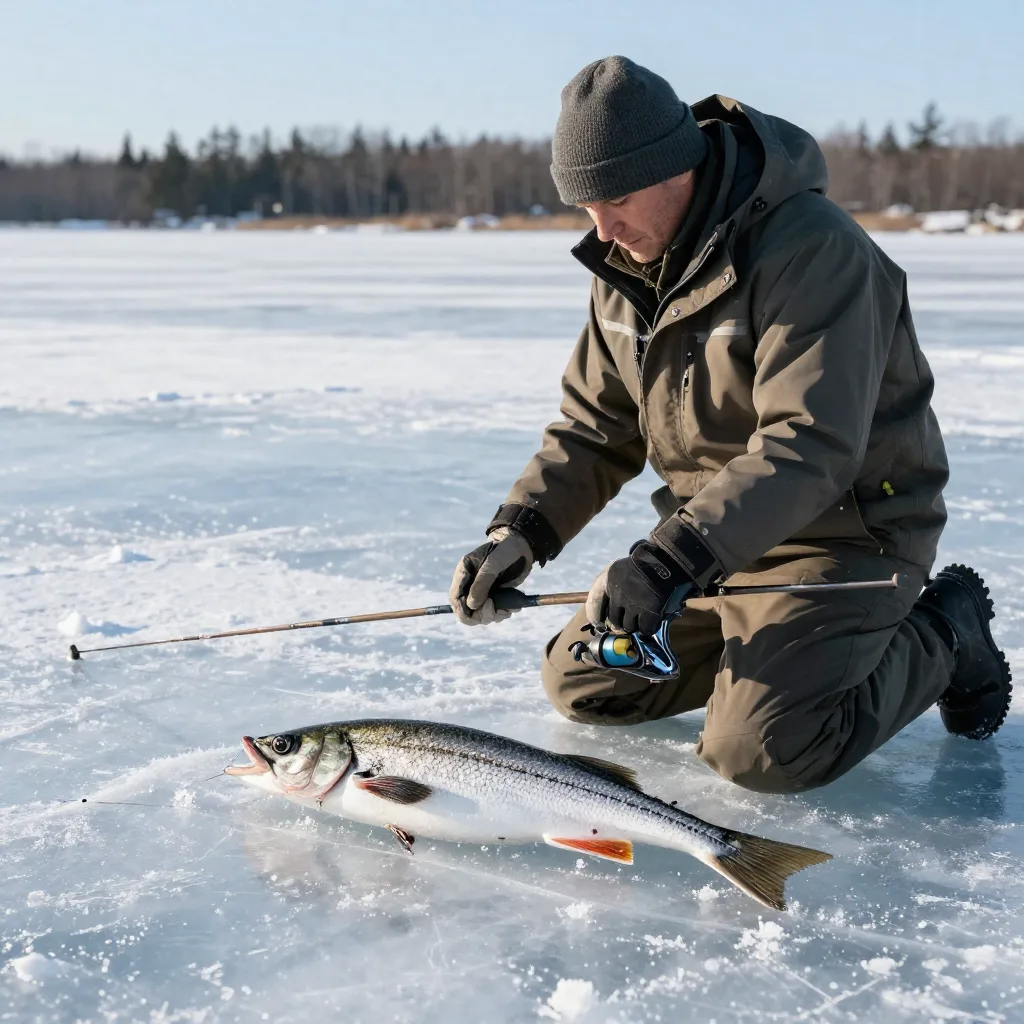
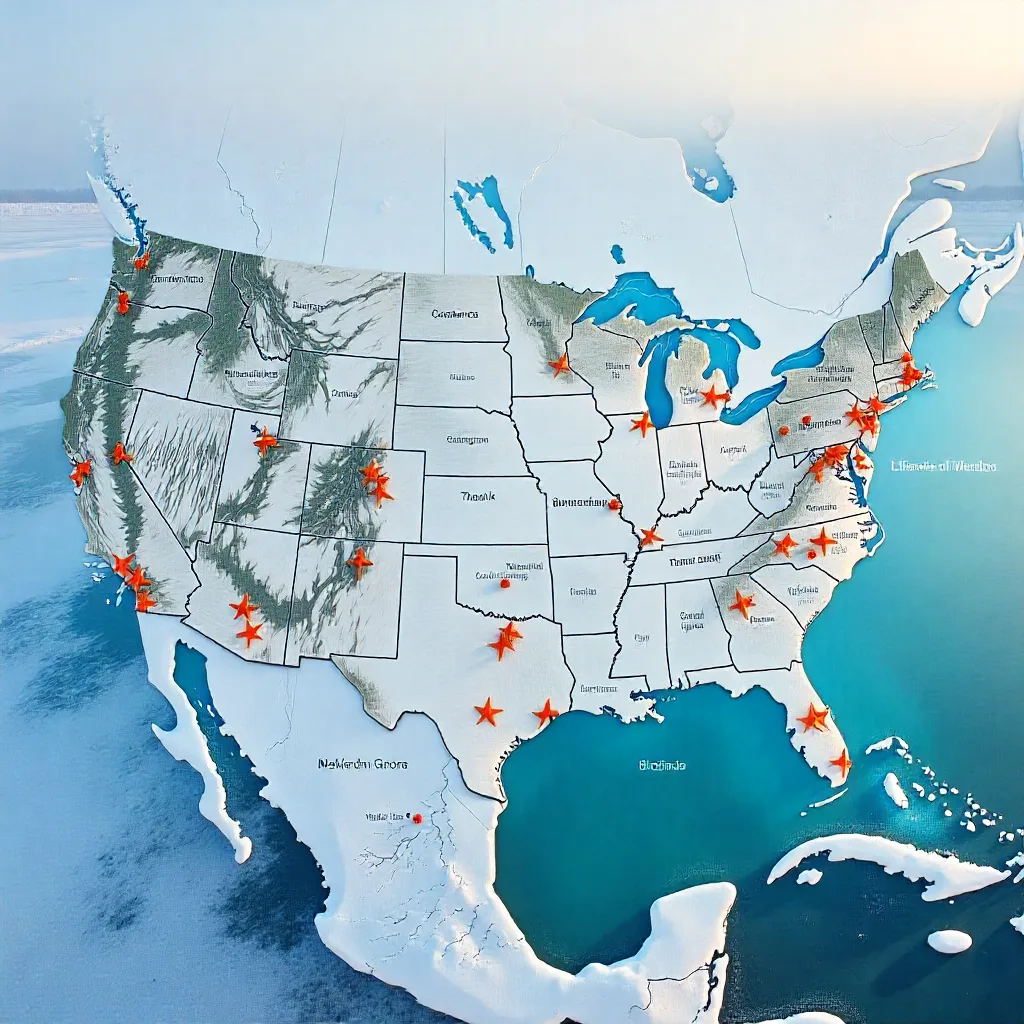
Top 15 Best Ice Fishing Places in North America
1. Mille Lacs Lake, Minnesota – The Crown Jewel
Location: Central Minnesota, 90 miles north of Minneapolis
Mille Lacs Lake consistently ranks among the best ice fishing destinations in North America. This 132,516-acre natural lake sits in Minnesota’s heartland and has earned its reputation as the “Walleye Capital of the World.”
Target Species:
- Walleye (primary draw)
- Yellow Perch (abundant)
- Northern Pike
- Tullibee (Cisco)
- Black Crappie
- Smallmouth Bass
Why It’s Exceptional: Mille Lacs offers world-class walleye fishing with an extremely healthy population of eating-sized fish and occasional trophies exceeding 10 pounds. The lake features designated ice roads, heated fish houses with overnight accommodations, and a robust guiding industry. During peak season, an entire community forms on the ice with hundreds of shelters, creating a unique winter culture.
The flatlands surrounding Mille Lacs make for strong winds, so portable or permanent shelter is highly recommended. The lake’s hard bottom and relatively uniform depth (average 20-25 feet) make it easier to locate fish compared to lakes with complex structures.
Best Time to Visit: January through February for peak ice conditions
Learn more about fishing tips for beginners before your visit.
2. Devils Lake, North Dakota – Trophy Perch Heaven
Location: Northeastern North Dakota, 90 miles west of Grand Forks
Devils Lake sprawls across approximately 180,000 acres in North Dakota’s prairie region, making it the largest natural body of water in the state. This dynamic fishery has experienced dramatic water level changes over the past decades, creating excellent fish habitat.
Target Species:
- Yellow Perch (jumbo specimens)
- Walleye
- Northern Pike (trophy potential)
- White Bass
Why It’s Exceptional: Devils Lake has earned national recognition for producing jumbo perch with regularity. Fish exceeding 14-15 inches are common, with occasional catches reaching 16+ inches. The walleye population remains strong, and northern pike grow to impressive sizes in the fertile prairie waters.
The area caters specifically to ice fishing tourism, with numerous guides, well-stocked bait shops, heated fish houses, and plowed ice roads. Local businesses understand ice anglers’ needs and provide exceptional service throughout the winter season.
Typically offering good, solid ice from mid-December through late March, Devils Lake provides one of the longest ice fishing seasons in the region.
Best Time to Visit: January through March for peak action
Discover seasonal fishing tips for year-round success.
3. Lake Winnebago, Wisconsin – Sturgeon Spectacle
Location: East-central Wisconsin, 80 miles north of Milwaukee
Lake Winnebago ranks as Wisconsin’s largest lake and hosts one of North America’s most unique ice fishing opportunities. This shallow, wind-swept lake freezes reliably each winter, creating a ice fishing playground unlike any other.
Target Species:
- Lake Sturgeon (spearing season)
- Walleye
- Yellow Perch
- White Bass
- Sauger
- Largemouth Bass
- Smallmouth Bass
Why It’s Exceptional: Lake Winnebago hosts the world’s largest self-sustaining lake sturgeon population, and each February, a limited sturgeon spearing season creates an ice fishing phenomenon. Thousands of anglers register for licenses (available via lottery the preceding October) to participate in this bucket-list experience.
Beyond sturgeon, Winnebago provides excellent walleye and perch fishing throughout winter. The lake’s shallow nature (average depth 15 feet) makes it accessible to anglers of all skill levels. Multiple public access points, rental services, and nearby communities support the substantial winter fishing effort.
At the start of the ice-fishing season, most ice hugs the shoreline, but by late December, the ice extends across the entire lake, creating vast expanses of fishable ice.
Best Time to Visit: February for sturgeon spearing, January-March for other species
Explore best fishing times for optimal results.
4. Saginaw Bay, Michigan – Walleye Factory
Location: Eastern Michigan, arm of Lake Huron
Saginaw Bay represents the premier ice fishing destination for walleye in Michigan and arguably the entire Midwest. This enormous bay of Lake Huron offers world-class fishing when conditions align to create safe ice.
Target Species:
- Walleye (trophy specimens)
- Yellow Perch
- Whitefish
- Lake Trout (occasionally)
Why It’s Exceptional: More than a few veteran anglers consider this giant lobe of Lake Huron to be the best ice fishing destination for walleye not only in Michigan but the Midwest as a whole. Trophy walleye exceeding 10 pounds are caught regularly, with occasional fish reaching 15+ pounds.
The 1,143-square-mile winter expanse also offers rich pickings for yellow perch, plus increasing chances of catching whitefish and lake trout cruising in from the main body of Lake Huron. Ice shanty towns pop up as anglers fish for Saginaw Bay’s famous winter walleye.
Ice conditions require careful attention due to the bay’s connection to Lake Huron. Safe ice typically develops from late December or early January through mid-to-late March, though this varies significantly by year. Pressure ridges and cracks can form due to the dynamic ice conditions.
Best Time to Visit: January through February for best ice stability
Review our ice fishing complete guide before attempting Great Lakes fishing.
5. Lake Simcoe, Ontario – Canada’s Ice Fishing Capital
Location: Southern Ontario, Canada, 50 miles north of Toronto
Lake Simcoe stands as one of Canada’s most celebrated ice fishing destinations, hosting some of North America’s largest ice fishing tournaments. This 287-square-mile lake attracts anglers from across the continent throughout winter.
Target Species:
- Lake Trout
- Whitefish
- Yellow Perch
- Black Crappie
- Smallmouth Bass (in season)
Why It’s Exceptional: Lake Simcoe is sometimes known as Canada’s ice fishing capital, hosting massive tournaments like the Lake Simcoe Ice Fishing Classic that attract thousands of participants and offer substantial prizes. The lake’s proximity to Toronto provides easy access while maintaining excellent fish populations.
The fishery supports a thriving guide industry, rental services, and accommodations specifically designed for ice anglers. Well-maintained access roads, abundant parking, and organized fishing zones make Simcoe beginner-friendly while still challenging experienced anglers.
Lake trout remain the primary draw, with fish regularly exceeding 10 pounds. The whitefish population provides consistent action, while perch offer family-friendly fishing opportunities.
Best Time to Visit: January through mid-March
For Canadian fishing, check our ice fishing destinations in Canada guide.
6. Red Lake, Minnesota – Remote Trophy Waters
Location: Northern Minnesota, 175 miles northwest of Bemidji
Red Lake comprises Upper and Lower Red Lake, together forming Minnesota’s largest inland lake at approximately 288,000 acres. Located within the Red Lake Indian Reservation and the state of Minnesota, this massive water body offers exceptional fishing opportunities.
Target Species:
- Walleye (abundant)
- Northern Pike
- Yellow Perch
- Crappie
Why It’s Exceptional: Red Lake is home to several resorts specifically built for ice fishing, such as West Wind Resort, Mort’s on Upper Red Lake, and JR’s Corner Access. The lake’s remote location limits fishing pressure while maintaining phenomenal walleye numbers.
Upper Red Lake underwent a dramatic recovery after commercial fishing ceased, and the population rebound created one of North America’s premier walleye fisheries. Anglers regularly catch limits of eating-sized fish while occasionally hooking into true trophies.
The vast size allows anglers to spread out and find uncrowded fishing spots even during peak season. Ice roads, rental houses, and guide services make the remote location accessible to visiting anglers.
Best Time to Visit: December through March
7. Green Bay, Wisconsin – Great Lakes Giant
Location: Wisconsin/Michigan border, arm of Lake Michigan
Green Bay stretches approximately 120 miles long and varies between 10 to 20 miles in width, creating one of the largest ice fishing areas in the country when conditions permit safe access.
Target Species:
- Walleye (legendary)
- Northern Pike (trophy potential)
- Yellow Perch
- Whitefish
Why It’s Exceptional: Green Bay ranks as a legendary destination for big walleye, northern pike, perch, and whitefish. The bay’s connection to Lake Michigan brings in wandering lake trout and creates a dynamic, productive ecosystem.
During late winter, walleye push into the shallows and feed heavily near structure in preparation for the upcoming spawn, creating exceptional fishing opportunities. The bay’s size allows anglers to target different species in various locations throughout the winter.
Ice conditions vary significantly, so local knowledge or guide services are highly recommended. When safe ice forms, Green Bay delivers some of the most exciting ice fishing available anywhere.
Best Time to Visit: January through February, conditions permitting
Master advanced fishing techniques for big water fishing.
8. Fort Peck Lake, Montana – Remote Western Trophy Water
Location: Northeastern Montana, 140 miles northeast of Billings
Fort Peck Lake ranks among the largest reservoirs in the United States, stretching 134 miles with over 1,500 miles of shoreline. This massive impoundment transforms into arguably one of the best ice fishing destinations in the entire U.S. each winter.
Target Species:
- Lake Trout (trophy specimens)
- Walleye
- Northern Pike (massive size)
- Sauger
Why It’s Exceptional: The waters typically freeze in December, kicking off an incredible hardwater season that lasts all the way through March. All three primary species grow to trophy sizes in the lake, and they’ll be ravenous during winter months.
Since you’ll be venturing to a remote region, pairing up with a guide is essential. They’ll provide necessary equipment to keep your adventure comfortable and share their knowledge of the lake. The largest city for over 100 miles is Glasgow, found just north of the lake.
The remote location means fewer anglers and less pressure on fish populations. The stunning Montana landscape provides a breathtaking backdrop for ice fishing adventures.
Best Time to Visit: January through March
9. Eleven Mile Reservoir, Colorado – Mountain Trophy Trout
Location: North-central Colorado, 40 miles west of Colorado Springs
This 255-acre reservoir, set at close to 10,000 feet near Cameron Pass, ranks among the top ice fishing destinations in the Rocky Mountain State. The high elevation and mountain setting create a unique ice fishing experience.
Target Species:
- Lake Trout (Mackinaw)
- Rainbow Trout
- Cutthroat Trout
- Kokanee Salmon
- Northern Pike
Why It’s Exceptional: Those willing to hike in will find primo opportunities to haul out cutthroat trout and rainbows, plus the potential for catching kokanee. Most coveted are the reservoir’s lake trout. It’s not uncommon to hook 18- or 19-inch lakers here, with specimens topping 17 inches in length common.
The breathtaking mountainscape, combined with fishing that’s extremely exciting despite the freezing temperatures, makes this spot unbeatable for anglers looking for a Western ice fishing experience. The reservoir hosts a yearly ice fishing tournament that takes place across January, February, and March.
Campgrounds along the lake remain open throughout winter (electric-only), allowing anglers to stay near the fishing.
Best Time to Visit: January through March
Check out best fishing rods for 2026 for high-altitude fishing.
10. Lake Cascade, Idaho – Perch Paradise
Location: West-central Idaho, 100 miles north of Boise
With an alpine backdrop and lush forest surrounding it, Lake Cascade offers a glimpse of Idaho’s beauty in its full glory. While fantastic to visit for scenery, the lake becomes even more enjoyable once you cast your line through the ice.
Target Species:
- Yellow Perch (jumbo, state record)
- Rainbow Trout
- Coho Salmon (occasional)
- Kokanee Salmon (occasional)
Why It’s Exceptional: The lake is famous for the jumbo yellow perch that prowl its waters. Lake Cascade holds the current state record for this fish, as well as several previous records. Fish exceeding 14 inches are relatively common, with occasional catches approaching or exceeding 16 inches.
In addition to delicious perch, anglers also catch rainbow trout through the ice. Although more popular targets during the open water season, ice anglers occasionally hook into coho salmon and kokanee as well.
You can base your adventure out of Donnelly or Cascade, two rural cities that lie along the lake’s western shores, offering accommodations, dining, and fishing supplies.
Best Time to Visit: December through February
11. Chaumont Bay, New York – Trophy Walleye Hotspot
Location: Northern New York, arm of Lake Ontario
Chaumont Bay forms an inlet on the north end of Lake Ontario near the village of Chaumont in Upstate New York. After New Year’s, anglers begin flocking to Chaumont to chase pickerel, pike, walleye, and perch.
Target Species:
- Walleye (trophy specimens)
- Northern Pike
- Yellow Perch (world-class)
- Chain Pickerel
Why It’s Exceptional: The bay is famous in ice fishing circles for its massive walleye. In February 2024, a Pennsylvania ice angler caught a 16-pound, 8-ounce walleye that nearly toppled the New York state record. Such trophy potential keeps anglers returning year after year.
The perch fishing in Chaumont Bay can be world-class as well, and there’s no limit on size or quantity. Local anglers are known to catch boatloads of jumbo perch using specialized techniques and baits.
Ice typically forms after New Year’s and lasts through mid-March. The bay’s protected nature creates more stable ice conditions compared to open Lake Ontario waters.
Best Time to Visit: January through mid-March
Learn about fishing knot tying for ice fishing success.
12. Strawberry Reservoir, Utah – High-Altitude Action
Location: North-central Utah, 23 miles southeast of Heber City
Strawberry Reservoir stands as one of the largest lakes in Utah and, with thriving populations of cutthroat trout, rainbow trout, and kokanee salmon, ranks among the best ice fishing destinations in the Intermountain West.
Target Species:
- Cutthroat Trout (naturally reproducing)
- Rainbow Trout (stocked)
- Kokanee Salmon
Why It’s Exceptional: At an elevation over 7,500 feet, ice on “The Berry” is usually thick enough for consistent fishing by early to mid-December. Most of the cutthroat reproduce naturally, while the Utah Department of Wildlife Resources stocks healthy amounts of sterile rainbows and additional cutthroats.
Anglers target trout with small tube jigs tipped with spikes. When fishing for kokanee, anglers rig a vertical spoon jig 8 to 12 inches below a lake troll for best results.
The Strawberry Bay Marina offers shuttles out onto the ice all week long during winter months, making access easy even in deep snow conditions.
Best Time to Visit: December through March
13. Brainerd Lakes Area, Minnesota – Festival Atmosphere
Location: Central Minnesota, Brainerd region
The Brainerd Lakes Area encompasses approximately 460 lakes within a 25-mile radius, creating unparalleled ice fishing variety. Gull Lake serves as the centerpiece and hosts the massive Brainerd Jaycees Ice Fishing Extravaganza.
Target Species:
- Walleye
- Crappie
- Largemouth Bass
- Bluegill
- Northern Pike
- Yellow Perch
Why It’s Exceptional: Currently, the world’s largest ice fishing contest, the Brainerd Jaycees Ice Fishing Extravaganza, is held on Gull Lake annually in January. The contest attracts over 15,000 anglers and drills over 20,000 holes, with prizes worth hundreds of thousands of dollars.
Beyond Gull Lake, the region offers countless ice fishing opportunities across diverse lake types. Small panfish lakes, large multi-species waters, and everything in between mean anglers can target different species each day while remaining in the same area.
The town of Brainerd provides excellent accommodations, dining, and winter entertainment, making it perfect for families and groups.
Best Time to Visit: January for tournament, December through March for general fishing
Find out about fishing tournaments in your area.
14. Otsego Lake, Michigan – Peaceful Perfection
Location: Northern Michigan, near Gaylord
Otsego Lake offers a smaller, less crowded ice fishing destination that’s ideal for anglers preferring peaceful experiences on the water. Located in northern Michigan, it’s easily accessible from Gaylord.
Target Species:
- Lake Trout
- Walleye
- Yellow Perch
- Northern Pike
- Smallmouth Bass
Why It’s Exceptional: Less crowded than other Michigan lakes, Otsego provides peaceful experiences while maintaining excellent fishing quality. The lake’s depth (maximum 70+ feet) creates ideal habitat for lake trout, while structural features support diverse species.
Easy accessibility from Gaylord means anglers can enjoy small-town hospitality while fishing a productive lake. The reduced pressure compared to more famous destinations often translates to less wary fish and better success rates.
Best Time to Visit: January through February
15. Upper Mississippi River Backwaters – Diverse Panfish Paradise
Location: Pools 7-10, Minnesota/Wisconsin border
The upper Mississippi River backwaters, particularly pools 7 through 10, provide one of the most diverse hardwater fisheries in North America. With over 130 fish species in the system, targeting variety becomes the name of the game.
Target Species:
- Yellow Perch (jumbo)
- Bluegill
- Crappie
- Sunfish
- Northern Pike
Why It’s Exceptional: Unlike many winter fisheries, prime times are typically an hour after sunrise and an hour before sunset. Although the bite is usually tough at high noon, action can be crazy mid-morning and mid-afternoon.
Some areas remain consistently productive when essentially every other fishery within 100 miles shuts down. Panfish such as sunfish, bluegill, crappie, and particularly jumbo perch serve as leading attractions on Mississippi River backwaters.
The complex habitat of backwater sloughs, channels, and islands requires local knowledge or guide services for best results. When conditions allow pockets of fishable ice, the action can be phenomenal.
Best Time to Visit: January through February
Explore saltwater fishing techniques for different seasons.
Essential Ice Fishing Gear: Top 5 Amazon Products for 2026
Having the right equipment makes all the difference on the ice. Here are five must-have products available on Amazon that will enhance your ice fishing experience.
1. VEVOR Pop-Up Ice Fishing Tent – Hub-Style Shelter
Price Range: $150-$380 (depending on size)
This insulated hub-style shelter sets up in under 60 seconds and provides exceptional wind protection. Available in sizes accommodating 1-8 persons, it features:
- Waterproof 300D oxford fabric with PU coating
- Thermal insulation layer for warmth
- Multiple ventilation ports prevent condensation
- Includes anchors, ropes, and carry bag
- Wide door design prevents tripping
The portable design allows you to move with the fish while providing comfort during long fishing sessions. For the best ice fishing places with harsh weather conditions, quality shelter is non-negotiable.
2. Eskimo E40 Electric Ice Fishing Auger
Price Range: $400-$500
The Eskimo E40 delivers professional-level drilling power without gas engine hassles. Features include:
- Full power 40v lithium-ion battery system
- Lightweight powerhead reduces fatigue
- Turbo cutting system for fast holes
- 8-inch drilling diameter
- Drill 40+ holes per charge
Electric augers have revolutionized ice fishing, providing quiet, efficient hole drilling that doesn’t spook fish or create fumes inside shelters. Essential for exploring the best ice fishing places where mobility matters.
Related: Discover fishing gear accessories to complete your setup.
3. Nordic Legend Carbon Fiber Ice Fishing Rod and Reel Combo
Price Range: $55-$85
This premium combo provides professional sensitivity at an accessible price point:
- Ultra-sensitive carbon fiber blank construction
- Pre-spooled with quality ice fishing line
- Multiple length options (26″, 28″, 30″, 32″, 36″)
- Stainless steel guide loops resist freezing
- Balanced reel designed specifically for ice fishing
Quality rods make the difference between detecting subtle bites and sitting over fish without knowing they’re there. This combo works perfectly across all the best ice fishing places.
Check our best fishing rods guide for more options.
4. MADHOLLY Ice Safety Picks with Retractable Spikes
Price Range: $12-$18
Safety should never be compromised on the ice. These picks feature:
- Bright orange color for high visibility
- Retractable spike design prevents accidental injury
- Comfortable grip works with gloves
- Elastic coiled lanyard keeps them accessible
- Emergency whistle integrated into design
- Floats if dropped in water
Every ice angler should carry safety picks. They provide essential self-rescue capability if you break through thin ice. Mandatory gear for visiting any of the best ice fishing places.
Review our fishing safety tips before heading out.
5. Huntury Retractable Ice Fishing Scoop Skimmer
Price Range: $20-$28
This adjustable skimmer eliminates back strain while clearing holes:
- Telescopic metal handle extends 29-41 inches
- Extra-large 4-inch diameter scoop
- Lightweight aluminum construction
- Perforated design drains water efficiently
- Folds for compact storage and transport
Clearing ice from fishing holes ranks among the most repetitive ice fishing tasks. This tool makes it quick and comfortable, letting you focus on fishing rather than scooping.
How to Choose the Best Ice Fishing Place for Your Trip
Selecting the ideal destination depends on several personal factors beyond fish populations and ice conditions.
Consider Your Experience Level
Beginners should prioritize:
- Lakes with rental equipment and guide services
- Well-marked ice roads and safe access points
- Abundant panfish for confidence-building action
- Nearby communities with amenities and support
- Relatively small lakes where fish concentration is higher
It’s hard to beat a farm pond for learning how to ice fish. Here, fish are highly concentrated in a much smaller body of water, greatly increasing your chances of gaining ice fishing confidence.
Experienced anglers might seek:
- Remote waters with less fishing pressure
- Trophy potential for memorable catches
- Diverse species requiring different techniques
- Challenging conditions that test skills
- Larger lakes with exploration opportunities
Read our beginner fishing mistakes guide to avoid common pitfalls.
Match Species to Your Preferences
Different fish require different approaches:
Walleye: Low-light feeders, require patience and finesse Northern Pike: Aggressive strikers, exciting tip-up action Panfish: Constant action, great for families and beginners Lake Trout: Deep water specialists, require specific techniques Perch: Schooling fish, fast-paced when you find them
Consider the knowledge you’ve gained on open water when deciding where to go ice fishing. You may need to drill many holes to locate that deeper channel, weed edge, firmer bottom, or piece of submerged structure that can make a successful outing.
Budget and Trip Length
Ice fishing destination costs vary dramatically:
Budget-Friendly Options:
- Local lakes requiring only licensing fees
- Day trips to nearby waters
- Public access areas with free parking
- Bring-your-own-gear approach
Mid-Range Experiences:
- Weekend trips with hotel accommodations
- Equipment rental packages
- Guided half-day or full-day trips
- Fish house rentals
Premium Adventures:
- Multi-day resort packages
- Fully guided experiences with all equipment
- Remote fly-in destinations
- Luxury accommodations with amenities
Travel Distance and Accessibility
Weigh travel logistics against fishing quality:
Within 2-3 hours: Easy day trips, no lodging needed 3-6 hours: Weekend destination, simple planning 6+ hours or fly-in: Multi-day commitment, requires careful preparation
Winter driving conditions add time and risk to travel plans. Consider weather forecasts and road conditions when planning trips to the best ice fishing places.
Check fishing license requirements if traveling with family.
Ice Fishing Techniques for Different Destinations
Success at the best ice fishing places requires adapting techniques to local conditions and target species.
Jigging Strategies
Active jigging remains the most popular ice fishing method:
For Walleye:
- Subtle lifts with 3-5 second pauses
- Glow jigs for low-light conditions
- Tip with minnow heads or plastic
- Fish 1-3 feet off bottom
For Pike:
- Aggressive jigging with large spoons
- Bright colors and flash
- Suspended presentations
- Quick strikes when fish approach
For Panfish:
- Small jigs (1/64 to 1/16 oz)
- Quick, short lifts
- Micro plastics or wax worms
- Ultra-light line for sensitivity
Master these ice fishing techniques for consistent success.
Tip-Up Fishing
Tip-ups allow fishing multiple holes simultaneously:
- Set in known fish travel corridors
- Use live bait (minnows, shiners)
- Adjust depth based on species
- Monitor multiple lines for flags
Tip-up fishing works exceptionally well for pike and lake trout, which often strike aggressively at live bait. This method lets you cover more water and increases odds of encountering fish.
Electronics and Fish Finders
Modern ice anglers rely heavily on technology:
Portable Fish Finders:
- Show depth and bottom composition
- Reveal fish location in real-time
- Identify suspended fish
- Map underwater structures
Underwater Cameras:
- Watch fish approach lures
- Observe behavioral patterns
- Identify species before catching
- Adjust presentation based on fish reactions
Electronics transform ice fishing from guesswork to precision fishing, especially valuable at new destinations among the best ice fishing places.
Frequently Asked Questions About the Best Ice Fishing Places
Where are the best ice fishing places in the United States?
The best ice fishing places in the U.S. include Mille Lacs Lake and Brainerd Lakes in Minnesota, Devils Lake in North Dakota, Lake Winnebago and Green Bay in Wisconsin, Saginaw Bay in Michigan, and Eleven Mile Reservoir in Colorado. Each destination offers unique species, excellent facilities, and reliable ice conditions. Minnesota alone has over 10,000 lakes, with Mille Lacs consistently ranking as the Walleye Capital of the World. These locations provide comprehensive services including equipment rentals, guide services, and comfortable accommodations specifically designed for ice anglers.
What should I look for when choosing an ice fishing destination?
When choosing ice fishing destinations, prioritize safe and consistent ice conditions with at least 4 inches of clear ice for walking. Look for abundant fish populations, accessible facilities including rentals and guides, nearby amenities for supplies and lodging, and scenic beauty that enhances the overall experience. The best locations combine productive summer fishing, protective geography creating early ice, established infrastructure supporting winter anglers, and diverse species allowing varied fishing approaches. Consider your experience level, target species, budget, and willingness to travel when making final decisions.
When is the best time for ice fishing at these destinations?
The best ice fishing typically occurs from mid-January through mid-March across most northern U.S. destinations. Early ice (December-January) offers excellent fishing as fish haven’t been pressured, while late season (March-April) provides increased activity as fish prepare for spring spawn. Specific timing varies by location: Minnesota and Wisconsin lakes peak January-February, Michigan waters freeze later (late January-early March), and high-altitude Western reservoirs like Colorado’s Eleven Mile Reservoir fish well December-March. Always check local ice condition reports before traveling, as safe ice thickness varies dramatically by year and location.
Do I need special equipment for ice fishing at these locations?
Yes, ice fishing requires specialized equipment beyond standard fishing gear. Essential items include an ice auger for drilling holes (hand, electric, or gas), insulated clothing rated for extreme cold, portable or permanent shelter for wind protection, ice fishing rods (shorter, more sensitive than open-water rods), safety equipment including ice picks and flotation, a bucket or seat for comfort, and tackle boxes organized for winter fishing. Many top destinations offer equipment rentals, making it easier for beginners or traveling anglers to experience quality ice fishing without major equipment investments. Safety gear is non-negotiable regardless of experience level.
External Resources for Ice Fishing Information
For additional research on ice fishing destinations and techniques:
- Ice Fishing – Wikipedia – Comprehensive overview of ice fishing history and methods
- Ice Safety – Wikipedia – Critical safety information for frozen water activities
- List of U.S. Lakes – Wikipedia – Detailed information about lakes
Planning Your Ice Fishing Adventure
Creating an Ice Fishing Checklist
Proper preparation ensures successful trips to the best ice fishing places:
Safety Equipment:
- Ice safety picks (mandatory)
- Flotation device or suit
- Ice thickness testing tool (spud bar)
- Rope for rescue situations
- First aid kit
- Emergency whistle
- Cell phone in waterproof case
- GPS device or compass
Fishing Gear:
- Ice fishing rods and reels
- Tackle box with varied lures
- Live bait (if permitted and available)
- Tip-ups (3-5 units)
- Fish basket or bucket
- Measuring tape for size limits
- Fishing license (check state requirements)
Clothing:
- Base layer moisture-wicking clothes
- Insulating mid-layer (fleece or down)
- Waterproof outer shell
- Insulated bibs or pants
- Winter boots rated to -40°F
- Warm gloves (multiple pairs)
- Face mask or balaclava
- Sunglasses for ice glare
Comfort Items:
- Portable shelter
- Portable heater (if using shelter)
- Camp chair or bucket seat
- Insulated beverage container
- High-energy snacks
- Hand and toe warmers
Learn more from our freshwater fishing gear checklist.
Best Practices for Ice Fishing Success
Maximize your experience at the best ice fishing places by following proven strategies:
Location Selection:
- Research recent fishing reports
- Target known productive areas
- Look for structure changes (depth transitions, weed edges)
- Consider wind direction and sun angle
- Start near shore where ice is safest
- Mark productive holes with flags or markers
Hole Strategy:
- Drill multiple holes in a grid pattern
- Space holes 15-25 feet apart
- Vary depths to find active fish
- Keep holes cleared of ice buildup
- Move if no bites within 20-30 minutes
Presentation Techniques:
- Start with subtle movements
- Increase aggression if fish ignore
- Vary jigging cadence every few minutes
- Try different colors and sizes
- Add attractants (spikes, waxworms, scents)
- Watch fish finder for reaction feedback
Time Management:
- Fish during peak times (dawn, dusk)
- Stay mobile and explore
- Return to productive holes
- Take notes on successful patterns
- Be patient during slow periods
Check our expert fishing tips for advanced strategies.
Understanding Ice Fishing Regulations
Each state and province maintains specific regulations for ice fishing:
Common Regulations:
- Valid fishing license required
- Daily bag limits by species
- Minimum size requirements
- Restricted bait or lure types
- Ice shelter registration (some areas)
- Ice shelter removal deadlines
- Tip-up quantity restrictions
Before visiting any of the best ice fishing places, research local regulations thoroughly. Penalties for violations can be severe and include fines, license suspension, and equipment confiscation.
Review fishing license requirements by state before traveling.
Ice Fishing Etiquette and Community
The ice fishing community values respect and cooperation. Following these unwritten rules enhances everyone’s experience:
Respecting Other Anglers
- Don’t drill holes within 50 feet of others
- Avoid crossing tip-up lines
- Keep noise levels reasonable
- Share ice condition information
- Offer assistance if someone needs help
- Don’t crowd productive areas
- Ask before joining established groups
Environmental Stewardship
- Pack out all trash and litter
- Properly dispose of bait containers
- Avoid leaving equipment on ice
- Report unsafe ice conditions
- Practice catch-and-release when appropriate
- Handle fish carefully for release
- Avoid damaging aquatic vegetation
Building Community
Ice fishing fosters unique camaraderie:
- Share successful techniques
- Exchange local knowledge
- Help beginners learn
- Participate in tournaments
- Join online forums and groups
- Support local businesses
- Promote ice fishing to others
Join our fishing community to connect with other anglers.
After Your Ice Fishing Trip: Preparing Your Catch
Many anglers visit the best ice fishing places to harvest fish for eating. Proper care ensures quality table fare:
Field Care
- Keep catch cool on ice or snow
- Clean fish promptly after trip
- Store in coolers with ice
- Avoid exposing to warm temperatures
- Remove entrails if keeping overnight
Cleaning and Processing
- Use sharp fillet knives
- Remove scales (if not filleting)
- Cut away bloodlines
- Rinse thoroughly in cold water
- Pat dry before freezing or cooking
- Vacuum seal for long-term storage
Cooking Your Catch
Transform your ice fishing success into delicious meals:
Try these recipes:
Browse our complete fish recipe collection.
Staying Safe: Ice Fishing Safety Priorities
Safety should never be compromised when accessing the best ice fishing places:
Ice Thickness Guidelines
Minimum Safe Thickness:
- 4 inches: Walking, ice fishing on foot
- 5-7 inches: Snowmobiles, ATVs
- 8-12 inches: Small cars, light trucks
- 12-15 inches: Medium trucks
- 15+ inches: Heavy vehicles
These are MINIMUM guidelines. Many factors affect ice strength:
- Clear blue ice is strongest
- White or snow ice is weaker (half as strong)
- Gray or milky ice is very weak
- Slush and cracks indicate danger
- Moving water weakens ice
- Temperature fluctuations reduce strength
Recognizing Dangerous Ice
Watch for warning signs:
- Water on ice surface
- Dark spots or discoloration
- Cracks or pressure ridges
- Springs or current areas
- Recent warm weather
- Ice that looks “different”
Never assume ice is safe based on appearances alone.
Emergency Procedures
If you break through ice:
- Stay Calm – Don’t panic, control breathing
- Turn Toward Shore – Orient to solid ice
- Use Ice Picks – Pull yourself up
- Kick Legs – Get body horizontal
- Roll to Safety – Distribute weight
- Get Help – Don’t try warming up alone
- Seek Medical Attention – Hypothermia risk
Always fish with partners and inform others of your plans.
The Future of Ice Fishing
As climate patterns shift, the best ice fishing places face changing conditions:
Climate Considerations
- Shorter ice seasons in southern regions
- Later freeze dates
- Earlier spring melts
- More variable ice quality
- Increased safety concerns
However, northern latitudes and high-altitude destinations will continue offering excellent ice fishing for decades to come. Adaptation and flexibility will become increasingly important for ice anglers.
Conservation Efforts
Sustainable practices ensure future generations enjoy the best ice fishing places:
- Support catch-and-release programs
- Follow all regulations strictly
- Participate in habitat improvement
- Report illegal activities
- Educate others about conservation
- Contribute to fishery management funding
Learn about fishing and conservation connections.
Creating Unforgettable Ice Fishing Memories
The best ice fishing places offer more than just fish—they provide experiences that bond families, forge friendships, and create lifelong memories. Whether you’re watching the sunrise over a frozen lake, celebrating a trophy catch with friends, or teaching a child to ice fish, these moments define winter adventure.
By choosing destinations wisely, preparing thoroughly, respecting safety protocols, and engaging with the ice fishing community, you’ll maximize enjoyment while building skills and confidence. From Minnesota’s legendary walleye waters to Colorado’s mountain trout lakes, the best ice fishing places await your discovery.
Start planning today by reviewing:
- How to Ice Fish Complete Guide
- Ice Fishing Techniques
- Best Fishing Times Guide
- Seasonal Fishing Tips
- Ice Fishing Gifts – Perfect for gearing up
Conclusion: Your Ice Fishing Adventure Awaits
The quest to find the best ice fishing places leads to incredible waters across North America. From massive lake systems supporting trophy fish to intimate ponds perfect for learning, each destination offers unique experiences and challenges. By understanding what makes locations exceptional, preparing properly, following safety protocols, and engaging respectfully with the ice fishing community, you’ll transform cold winter days into cherished adventures.
Remember that the “best” ice fishing place ultimately depends on your personal goals, experience level, and preferences. A remote Montana lake offering solitude and trophy trout might perfect for one angler, while a bustling Minnesota ice fishing village provides exactly what another seeks. The diversity of opportunities ensures every ice angler can find their ideal frozen destination.
As you plan your next ice fishing adventure, prioritize safety above all else, respect the environment and other anglers, and embrace the unique culture that makes ice fishing special. With preparation, patience, and persistence, you’ll soon understand why millions of anglers count down the days until lakes freeze solid and the ice fishing season begins.
The ice is calling—will you answer?
Last Updated: January 2026 | For more ice fishing guides, destination reviews, and expert tips, visit our complete fishing blog and explore ice fishing destinations in Canada.
2 thoughts on “Best Ice Fishing Places: Ultimate 2026 Destination Guide”