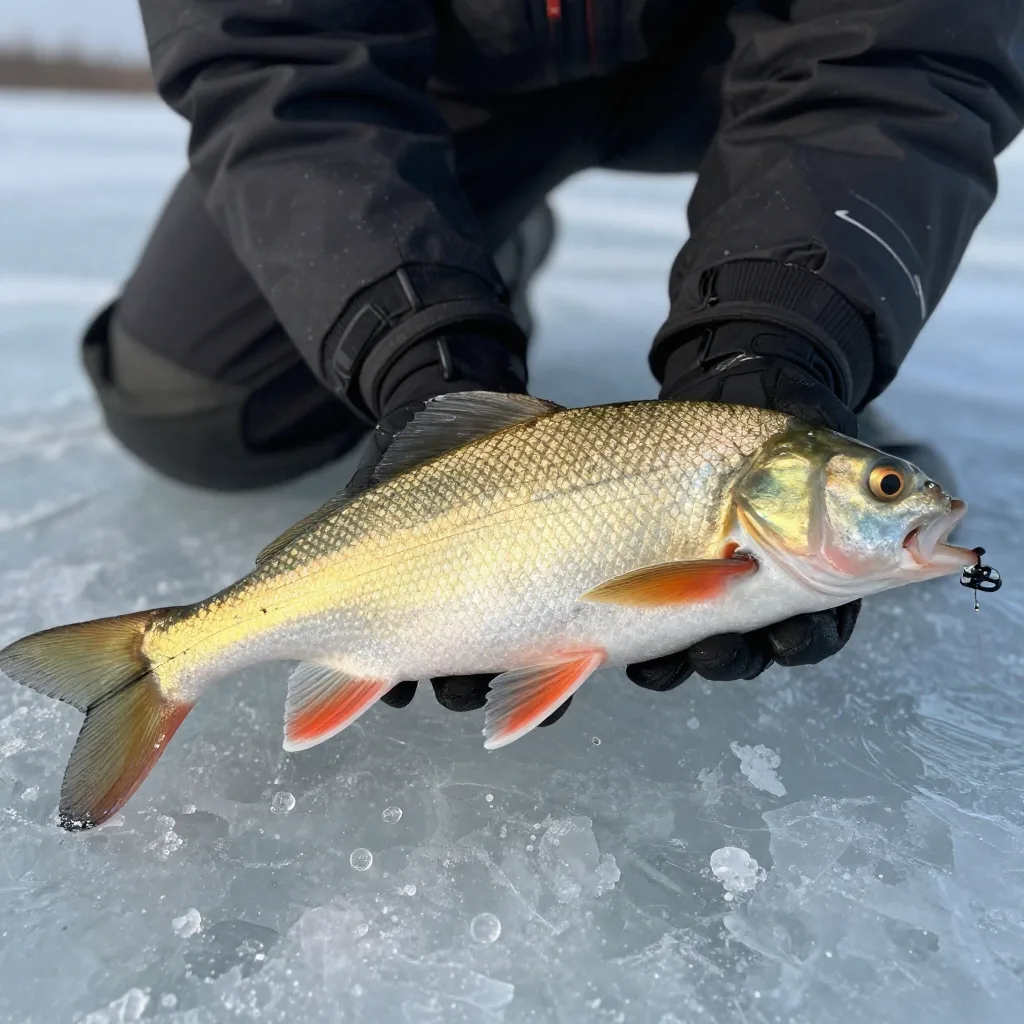
Ice fishing for trophy fish requires different strategies, equipment, and mindset than standard hardwater panfish pursuits. While countless anglers enjoy productive days catching dozens of bluegills and crappies, trophy hunters target singular memorable catches—massive northern pike exceeding 15 pounds, walleye pushing 30 inches, or lake trout topping 20 pounds. These fish of a lifetime demand specialized approaches including targeting big-fish waters, using larger baits, fishing structure transitions, exercising extraordinary patience, and mastering techniques specific to trophy ice angling.
The transition from catching numerous average fish to landing occasional trophies involves fundamental strategy shifts. Trophy ice fishing often means drilling more holes while catching fewer fish, waiting hours between bites, and accepting that some days produce nothing. However, the electric thrill when a tip-up flag triggers and a genuine monster strips line compensates for any slow periods. Understanding trophy fish behavior, location patterns, presentation requirements, and fighting techniques transforms dedicated anglers into specialized trophy hunters who consistently land the fish others only dream about.
Research and Target Big-Fish Waters
Selecting Trophy-Producing Waters: The single most important factor determining trophy ice fishing success involves choosing water bodies that actually support large fish populations. Small farm ponds might hold abundant panfish but rarely produce trophy walleye or pike. Trophy potential requires researching state fishing reports, biologist sampling surveys, tournament results, and social media fishing groups to identify waters with documented big-fish populations.
Jay Siemens, host of Canadian Angle, emphasizes targeting larger bodies of water and conducting extensive electronic scouting through online fishing forums, message boards, and trophy sections specific to certain lakes. Contact fishing guides and tackle shops near target waters to gather firsthand intelligence about trophy potential. State fish and wildlife agencies often publish annual creel surveys showing average fish sizes and trophy catch rates across different water bodies.
Summer Experience Translates to Winter: Did you lose a significant fish while fishing from your boat last summer ? That location represents an excellent starting point for winter trophy pursuits. Often, the same features holding big fish during warm months—deep channels, weed bed edges, rock piles, and basin transitions—remain productive through ice. Your existing knowledge of productive summer spots provides invaluable head start for winter trophy hunting.
Species-Specific Research: Different trophy species require different water body characteristics. Trophy northern pike exceeding 40 inches thrive in moderately deep lakes (20-40 feet maximum depth) with abundant weed growth and healthy forage bases. Trophy walleye demand larger, deeper lakes with complex structure including rock reefs, basin transitions, and diverse depth ranges. Trophy lake trout require deep, cold, oligotrophic lakes exceeding 60+ feet depth with adequate oxygen throughout winter. Matching target species to appropriate water bodies dramatically increases trophy encounter probability.
For researching productive waters, explore our guides on top North American ice fishing destinations and family ice fishing locations.
Use Larger Baits to Target Trophy Fish
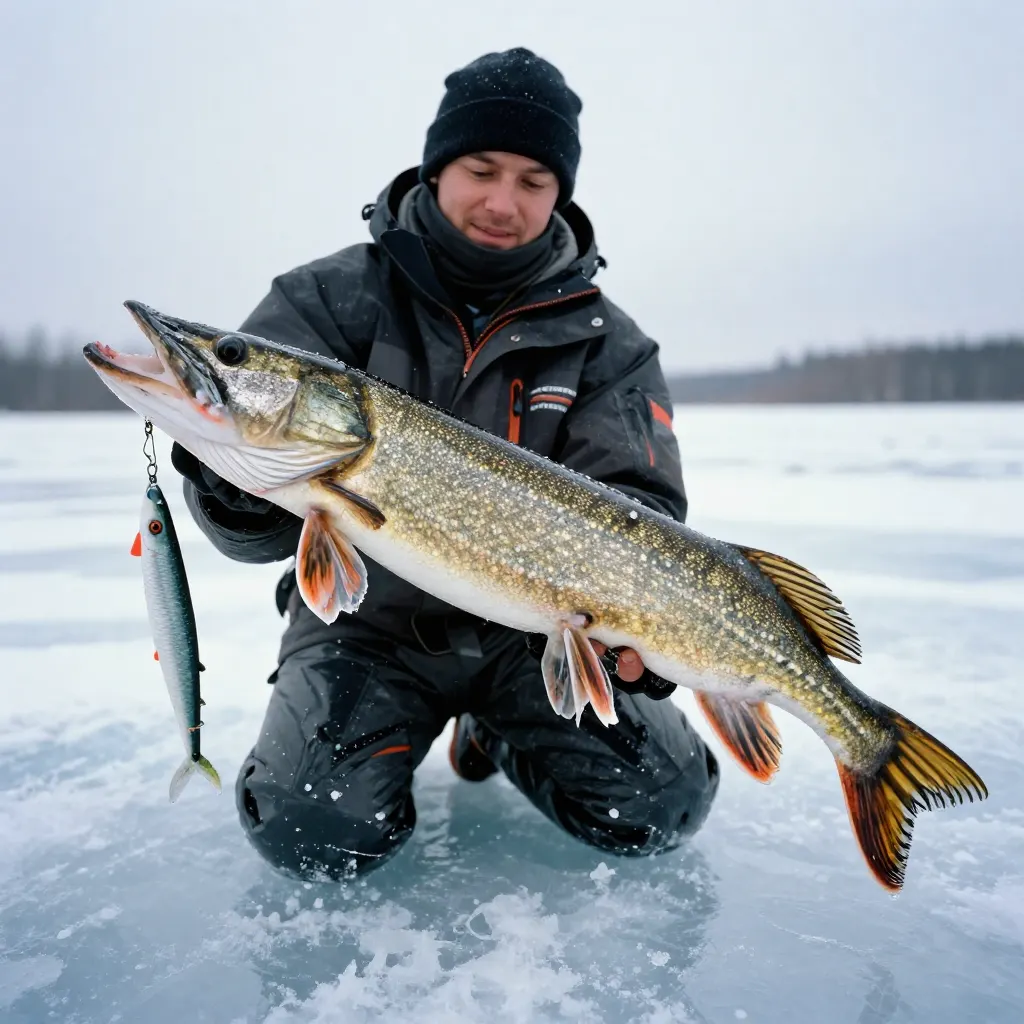
Breaking Traditional Ice Fishing Conventions: Traditional ice fishing emphasizes downsizing to small baits—tiny minnows, single waxworms, and diminutive jigs. While these petite offerings certainly catch large fish occasionally, trophy-focused anglers employ opposite strategies by upsizing to baits measuring 6-12 inches that specifically target predators. Large baits create substantial visual profiles and emit strong scent trails that attract roving trophy fish from considerable distances.
Live Bait Selections: Golden shiners, creek chubs, suckers, and ciscoes measuring 6-9 inches represent premium live baits for trophy pursuits. These substantial offerings discourage smaller nuisance fish while triggering aggressive responses from true trophies. Hook large live baits through the back behind the dorsal fin using treble hooks or specialized quick-strike rigs. This positioning allows baits to struggle naturally while hanging at angles that present large profiles to passing predators.
Position hooks farther back toward the tail rather than near heads. This placement prevents fish from feeling resistance during initial takes and reduces deep-hooking if you plan releasing trophies. Large fish typically swallow prey headfirst—rear-positioned hooks increase hooking percentages while facilitating easier releases. Add ¼- to ⅛-ounce split shot to lines to reach desired depths and anchor baits in position despite their struggling.
Dead Bait Effectiveness: Dead baits represent another excellent trophy option that many anglers underutilize. Freshly thawed foot-long suckers and ciscoes rigged on quick-strike rigs can be left soaking on tip-ups all day without attention or bait changes. Dead baits often outperform live options during extreme cold snaps when predatory fish become sluggish and conserve energy. Many experienced pike anglers dip-net suckers during spring and freeze them whole for winter trophy fishing.
Jumbo Artificial Presentations: When actively jigging for trophies, upsize to large lures that draw attention—¾- to 2-ounce spoons, blade baits, and swimming lures measuring 4-8 inches. Tip these artificials with cut bait, whole shiners, or large soft plastics like 7-10 inch swimbaits. Vibrating baits including blade baits and lipless crankbaits specifically target larger-than-average fish through aggressive vibrations that trigger predatory responses.
Focus on Structure Transitions and Depth Changes
Understanding Trophy Fish Movement Patterns: Trophy-sized fish typically roam as predators, traveling between shallow and deep water searching for feeding opportunities. Your best chances of intercepting these fish occur where they naturally patrol—along edges of sharp drop-offs, off points of islands or peninsulas immediately adjacent to deeper water, at mouths of creeks and inlets, and along transitions between shallow bays and main lake basins.
Identifying Productive Structure: Use electronics like sonar or study bathymetric maps to locate specific structure types. Underwater humps, weed beds, rock piles, and reefs draw and hold roving baitfish schools, which subsequently attract large hunting predators. Set baits on top of and along outer edges of these structural points by suspending them just above bottom or laying them directly on substrate.
Depth Transition Strategies: Fish live baits on multiple tip-ups to cover extensive water simultaneously. Trophy fish inhabit various depths depending on conditions, forage locations, and individual preferences. Cover depth ranges systematically by setting tip-ups at 10, 20, 30, and 40+ feet along transition zones until you identify the productive depth. Once you locate the sweet spot, concentrate additional tip-ups at that specific depth range.
Weed Edge Patterns: Trophy northern pike ice fishing remains productive around the same weed bed edges that held fish during summer. Green, healthy vegetation persists through early and mid-winter, providing oxygen, cover, and baitfish concentrations. Position tip-ups along outside weed edges where vegetation meets deeper water. Pike use these transition zones to ambush forage moving between shallow weed cover and open water.
Deep Water Channels: Ice fishing for trophy walleye often involves revisiting deeper holes and channels that produced during open water. Walleye concentrate along basin edges, river channels, and deep rock structures throughout winter. These areas provide adequate oxygen, stable temperatures, and proximity to both shallow and deep water. For species-specific techniques, review our ice fishing tips for beginners.
Master Tip-Up Techniques for Trophy Fish
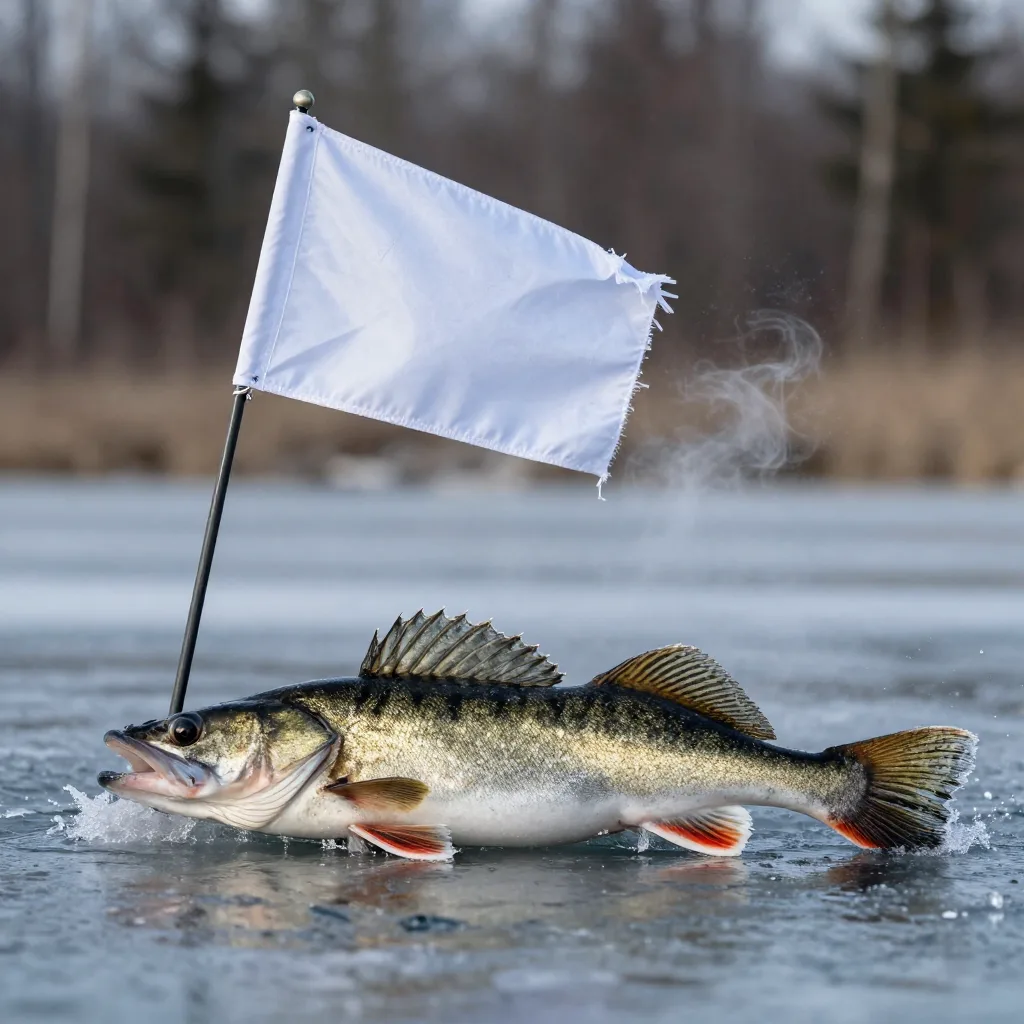
Tip-Up Advantages for Trophy Hunting: Tip-ups allow you to fish multiple holes simultaneously while covering extensive areas—critical when targeting sparse trophy fish populations. Quality tip-ups feature adjustable drag settings on spools preventing large live baits from accidentally triggering flags through their struggling. Set drags loose enough that baits swim freely but tight enough that genuine strikes trigger flags immediately.
After-Dark Shallow Water Trophy Walleye: Trophy walleye frequently feed in extremely shallow water after dark during early ice periods. Set tip-ups in less than four feet of water on shallow structure using large sucker minnows. These shallow-water bites often occur exclusively after dark on clear lakes that stratify during winter. The strategy catches significant numbers of trophy walleye each winter despite seeming counterintuitive.
Strategic Tip-Up Placement: Spread tip-ups across diverse locations and depths rather than clustering them in single areas. Trophy fish move unpredictably—wide coverage increases encounter probability. Mark each tip-up location on GPS devices or smartphone apps to recreate productive patterns during subsequent trips. When flags trigger, note exact locations, depths, and times to identify patterns.
Flag Response Protocols: When tip-up flags trigger, resist urges to sprint immediately to holes. Trophy fish, particularly large pike and lake trout, take time consuming substantial baits. Wait 30-60 seconds allowing fish to move off and begin swallowing before approaching holes. Premature hooksets on fish that haven’t fully committed result in missed opportunities.
Jigging Strategies for Active Trophy Pursuit
Large Lure Selections: When actively jigging for trophies, use ¾- to 2-ounce jig heads tipped with cut bait, whole shiners, or 7-10 inch soft plastic swimbaits. These heavy jigs work effectively in relatively shallow water from 6-20 feet where aggressive jigging motions attract attention. Large spoons, blade baits, and lipless crankbaits create vibrations and flash visible from considerable distances.
Presentation Above Fish: One critical mistake ice anglers make involves jigging lures and hanging baits below fish close to bottom. Instead, present offerings above fish because lake trout and pike use ice undersides to silhouette prey. These predators excel at capturing soft-rayed forage high in water columns. Even winter walleye typically look upward for feeding opportunities. When electronics show fish near bottom in 40 feet, position baits 5-10 feet above them.
Enhanced Spoon Tactics: Double spoon effectiveness by removing factory treble hooks and attaching Stringease Fastach clips to split rings. Slide hook eyes through minnow heads and out mouths, then attach to clips. This modification creates pendulum effects as rocking minnow heads attract more trophy walleye while hooking virtually every fish that bites.
Jigging Between Tip-Ups: Jigging provides productive activity between tip-up flags while covering additional water. Drill holes near tip-up spreads and jig aggressively to draw fish into areas. Once you attract fish through active jigging, nearby tip-ups often trigger as trophy fish investigate commotion.
Practice Extreme Patience and Persistence
Adjusting Expectations: Perhaps the most important tip for catching trophy fish in winter involves cultivating patience. Trophy ice fishing differs fundamentally from action-packed panfish sessions. You might drill dozens of holes, wait hours between bites, and experience multiple fishless days before encountering genuine trophies. Accepting this reality mentally prepares you for the marathon commitment trophy hunting demands.
Staying Comfortable Extends Sessions: You cannot catch trophies without lines in water. Maximize fishing time by staying warm and comfortable through quality shelters, portable heaters, and appropriate clothing. Portable ice shelters with heating systems allow all-day sessions regardless of weather. Bring thermoses with hot beverages, warm meals, and entertainment to occupy wait times.
Let Holes Rest: Drilling holes potentially disturbs fish, perhaps not enough to drive them away but sufficient to silence them temporarily. Cold fish metabolism means they don’t need frequent feeding—disturbed trophy fish might ignore presentations for hours. Let holes rest 30-60 minutes before revisiting them with stealthier presentations. This patience often triggers bites from fish that rejected initial offerings.
Buffer Patience with Action: Maintain morale during slow trophy fishing by simultaneously targeting smaller fish. Set a few tip-ups with large baits while actively jigging for panfish or average walleye. This balanced approach provides action maintaining interest while trophy baits soak undisturbed. For comprehensive multi-species tactics, explore our ice fishing for panfish guide.
Master Fighting and Landing Trophy Fish
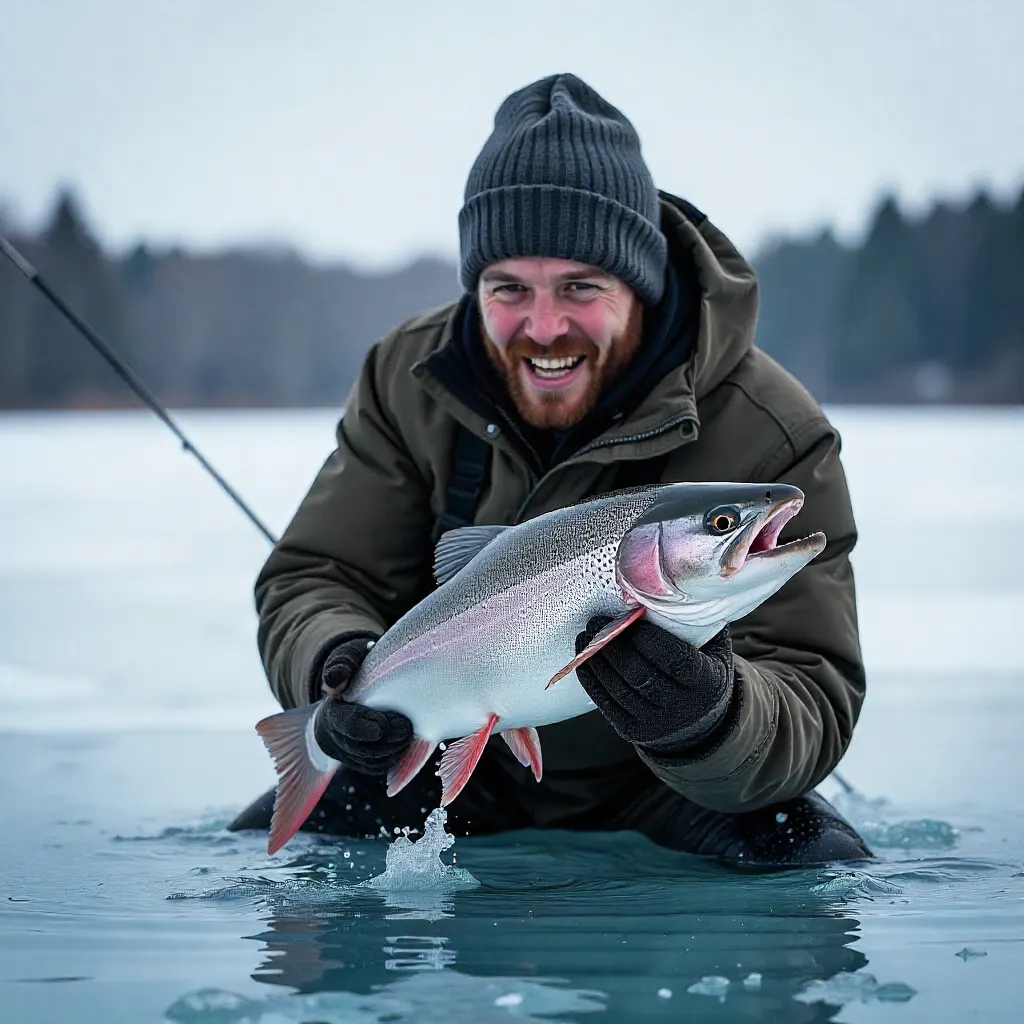
The Angler as Drag System: When fishing tip-ups, anglers function as drag systems in direct contact with fish. Unlike conventional tackle where reel drags provide resistance, hand-lining trophy fish requires manual line control. Let fish run by allowing line to slide through fingers—clamping down on running fish risks leader fraying from sharp teeth or outright breakage. Apply pressure only when fish pause, pulling them against intended paths.
Managing Runs and Turns: Trophy pike, lake trout, and salmon make multiple powerful runs during fights. Initial runs might strip 40+ feet of line, with subsequent runs gradually shortening as fish tire. Each time fish pause, recover line methodically while maintaining pressure. Expect 5-10 significant runs from trophy-class fish before they submit.
Avoiding Ice Snags: Jagged, hard-frozen ice surrounding holes creates line-snagging hazards. Slack line catching on ice obstructions during fish runs guarantees break-offs, particularly when fishing fluorocarbon leaders. Two-person systems work best—one person pulls line while another carefully manages it back onto spools, preventing slack from contacting ice. On warm days when hole edges remain smooth, slack line presents fewer hazards.
Critical Endgame Moments: The most critical phase occurs when exhausted trophy fish first appears at holes. Inexperienced anglers often lose fish by attempting to lift them with line—this breaks swivels and leaders consistently. Instead, reach down and grab pike behind gill plates while supporting bodies. For lake trout and walleye, use large-handled landing nets or ice grabbers designed for substantial fish. Never rush this final phase—more trophies are lost at holes than during entire preceding fights.[
Safety Considerations for Trophy Ice Fishing
Ice Thickness Requirements: Safe ice for trophy fishing requires minimum 4 inches, with new ice being stronger than older ice experiencing freeze-thaw cycles. State fishing reports commonly include ice thickness information, but ice varies dramatically even on single water bodies. Early-season Iowa reports have documented ice ranging from 1-8 inches on the same lake. For comprehensive safety protocols, review our March ice fishing safety guide.
Drilling Disturbance Considerations: Depending on depth, auger type, and fishing pressure, hole drilling potentially disturbs fish. Gas augers create more noise and vibration than electric or manual options. In shallow water (under 15 feet), drilling noise travels directly to fish, potentially silencing them temporarily. Drill holes efficiently, then let areas rest before fishing.
Top 5 Frequently Asked Questions About Trophy Ice Fishing
What size bait should I use for trophy ice fishing?
Use substantially larger baits measuring 6-12 inches including golden shiners, suckers, ciscoes, and creek chubs. These oversized offerings specifically target trophy predators while discouraging smaller nuisance fish. Hook large live baits through backs behind dorsal fins using treble hooks or quick-strike rigs. Dead baits including foot-long frozen suckers work excellently on tip-ups. When jigging, use ¾- to 2-ounce lures tipped with cut bait or 7-10 inch soft plastics. Large baits create substantial profiles attracting roving trophy fish from distance.
Where should I look for trophy fish through the ice?
Target depth transitions including sharp drop-off edges, points of islands or peninsulas adjacent to deeper water, creek and inlet mouths, and transitions between shallow bays and main basins. Trophy fish roam between shallow and deep water hunting for prey. Set baits along these natural travel corridors where trophies patrol. Underwater structure like humps, weed beds, rock piles, and reefs attract baitfish and subsequently trophy predators. Use electronics or bathymetric maps to identify productive structure.
How do I fight a trophy fish through the ice?
Function as the drag system when hand-lining trophy fish from tip-ups. Let fish run by allowing line to slide through fingers—clamping down risks breaking leaders. Apply pressure only when fish pause, recovering line methodically. Expect 5-10 runs with initial runs reaching 40+ feet. Use two-person systems to manage slack line and prevent ice snags. During endgame, grab pike behind gills while supporting bodies rather than lifting with line. Use large nets or ice grabbers for lake trout and walleye.
What lakes produce trophy ice fishing?
Research state fishing reports, biologist sampling surveys, tournament results, and social media to identify waters with documented trophy populations. Larger bodies of water generally produce more trophies than small lakes. Contact fishing guides and tackle shops for firsthand intelligence. Trophy pike require moderately deep lakes (20-40 feet) with abundant weeds and forage. Trophy walleye need large, deep lakes with complex structure. Trophy lake trout demand deep, cold lakes exceeding 60+ feet. Explore our top ice fishing destinations guide.
How long should I wait before setting the hook on trophy fish?
Wait 30-60 seconds after tip-up flags trigger before approaching holes, allowing trophy fish time to move off and begin swallowing large baits. Trophy pike and lake trout take substantial time consuming 6-12 inch baits. Premature hooksets on uncommitted fish result in missed opportunities. When you reach holes, feel for steady pressure indicating fish are moving—set hooks with swift upward sweeps only when fish commit. Large fish often turn baits in mouths multiple times before fully swallowing.
Conclusion
Ice fishing for trophy fish demands specialized strategies fundamentally different from standard hardwater pursuits. Success requires targeting big-fish waters through comprehensive research, using substantially larger baits measuring 6-12 inches, focusing on structure transitions and depth changes, mastering tip-up techniques, and practicing extraordinary patience. Trophy hunting means accepting fewer bites, drilling more holes, and enduring fishless days in exchange for singular memorable catches that define ice fishing careers.
The transition from catching numerous average fish to landing occasional trophies involves fundamental mindset shifts and technical improvements. Understanding trophy fish behavior, location patterns, and presentation requirements separates dedicated trophy hunters from casual anglers. Whether pursuing trophy walleye, massive pike, or giant lake trout at premier destinations, these specialized techniques dramatically increase your trophy encounter probability.
Embrace the unique challenges trophy ice fishing presents, stay safe through proper ice thickness verification, and remember that patience combined with proper tactics eventually produces the fish of a lifetime.