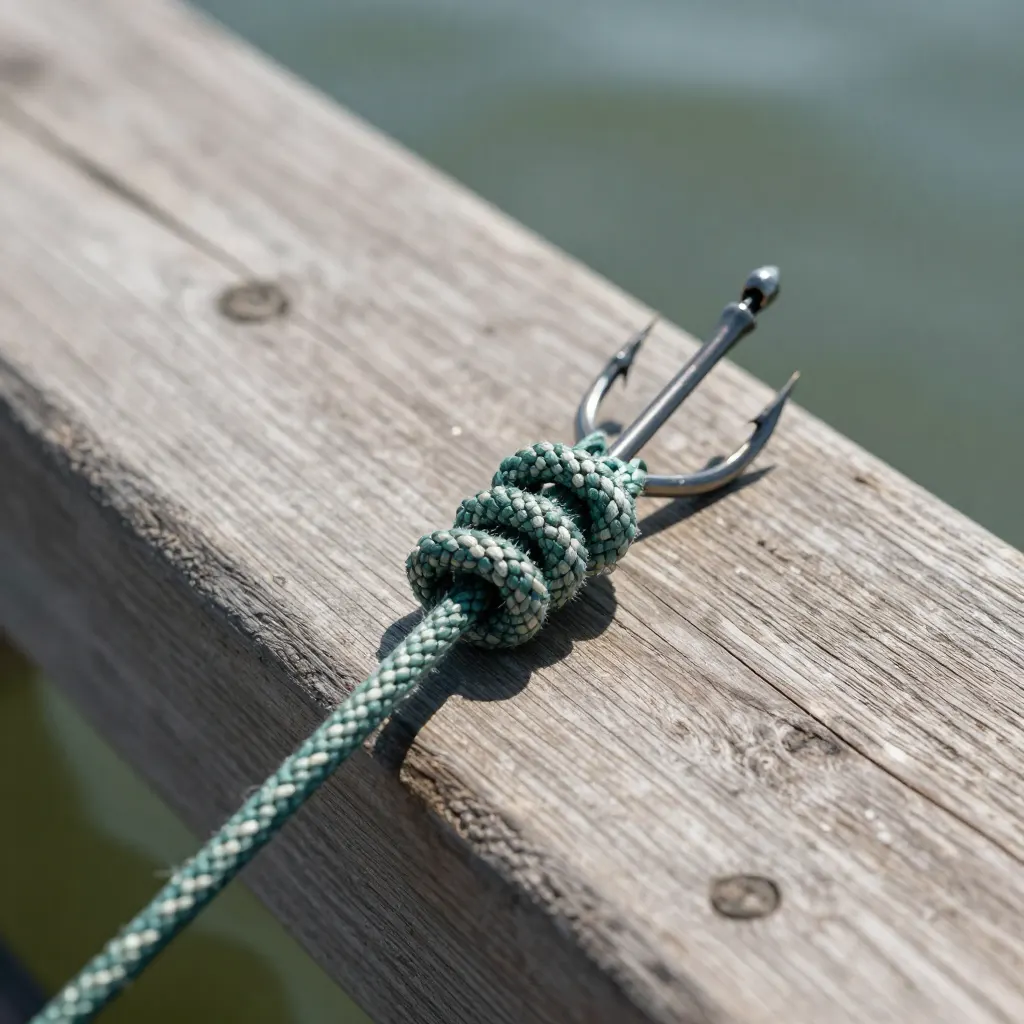
While the Texas rig is a tried and true presentation that allows you to fish heavy cover without snagging up, your knots have to hold up to the added challenges that come with thick vegetation, timber, brush piles, and rocks. This may have you wondering, which truly is the best Texas rig knot to use? The answer depends on your line type, fishing conditions, target species, and personal preference, but two fishing knots are most frequently tied in conjunction with a Texas rig for good reasons.
The Texas rig remains one of bass fishing’s most fundamental and effective presentations—a weedless rigging method that enables anglers to fish soft plastic baits through the heaviest cover where bass hide. However, even the perfect Texas rig setup fails when knots slip, break, or fail under pressure from aggressive hooksets and powerful fish. Understanding which knots work best with specific line types, how to tie them correctly, and when to choose one over another dramatically improves your success rate and confidence when pitching into thick cover. This comprehensive guide covers the two best Texas rig knots—improved clinch and Palomar—plus the specialized snell knot for heavy cover flipping, step-by-step tying instructions, line-specific recommendations, and troubleshooting common knot failures.
Understanding Texas Rig Basics
What is a Texas Rig?
When a soft plastic lure is rigged straight on a hook, the Texas rig creates a streamlined and weedless bait that can be presented effectively into the thickest cover. The setup involves threading a bullet weight onto your line, tying on an offset worm hook or EWG (Extra Wide Gap) hook, then rigging soft plastic baits weedless by inserting the hook point into the bait head and bringing it out, then skin-hooking the point back into the body.
This presentation allows bass anglers to fish areas where most lures would snag constantly—heavy vegetation, timber, brush piles, rock formations, and dense aquatic plants. The bullet weight helps punch through cover while the weedless rigging prevents snagging. For comprehensive bass fishing techniques, review our bizarre fishing tactics guide.
Components of a Texas Rig
A complete Texas rig setup includes:
- Bullet Weight: Cone-shaped weight that slides on the line, typically 1/8 to 1 ounce depending on depth and cover thickness
- Glass or Plastic Bead (Optional): Protects knot from weight impact and creates clicking sound attracting fish
- Offset Worm Hook or EWG Hook: Specialized hooks with 90-degree bends designed specifically for Texas rigging
- Soft Plastic Bait: Worms, creature baits, craws, beavers, or any soft plastic rigged weedless[wired2fish]
- Your Knot: The critical connection between line and hook that determines whether you land or lose fish
The Two Best Texas Rig Knots
Improved Clinch Knot: Best for Mono and Fluorocarbon
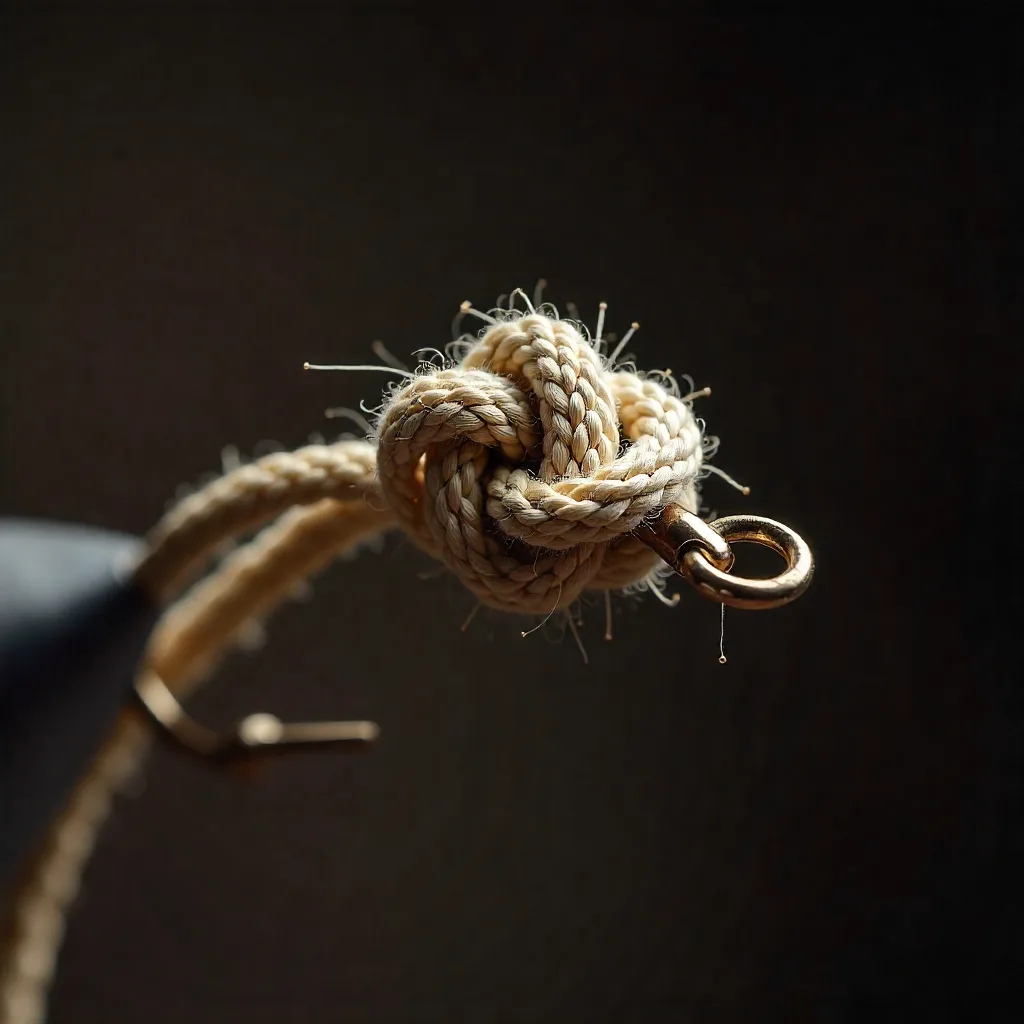
The improved clinch knot continuously tightens with pressure, making it a smart choice when Texas rigging with monofilament or fluorocarbon line. This knot’s self-tightening characteristic proves particularly valuable when fishing heavy cover or fighting large bass that test your tackle. As tension increases, the knot cinches tighter rather than loosening—a critical advantage during battles with trophy fish.
One important thing to remember is to leave a bit of line remaining when you cut the tag end. This small amount of extra line (approximately 1/8 inch) allows some room for the knot to tighten without failing—important stuff when pulling your rig through heavy cover or when you’re reeling in a big bass. Cutting the tag end too close to the knot prevents this tightening action and leads to premature failures.
The improved clinch knot is, by far, the best knot for a Texas rig when using monofilament or fluorocarbon lines. It’s fairly simple to tie, provides excellent knot strength (typically 95% of line breaking strength when tied correctly), and works reliably across diverse fishing situations.
How to Tie the Improved Clinch Knot:
- Thread line through hook eye, leaving 6-8 inches of tag end
- Wrap the tag end around the main line 5-7 times (more wraps for lighter line, fewer for heavy line)
- Thread the tag end back through the small loop near the hook eye
- Thread the tag end through the large loop you just created
- Wet the knot with saliva or water to reduce friction
- Pull both the main line and tag end slowly to tighten
- Trim tag end leaving approximately 1/8 inch remaining
If you are looking for the best Texas knot for braid, you can either double the line when tying the improved clinch knot to avoid slippage or use the Palomar knot instead.
Palomar Knot: Universal Strength Champion
If you search online for “texas knot” or “texas rig knot,” you’ll see that the Palomar knot is often the first result. The reason for this is that the Palomar knot generally retains between 95 and 100 percent of its original breaking strength when tied correctly. This exceptional strength retention makes the Palomar knot the go-to choice for experienced anglers who demand maximum performance.
The additional advantage is that if you are just learning how to fish, this is an easy knot to tie with all types of fishing line. Despite its simplicity, this could universally be the strongest and most used knot in fishing. The Palomar works excellently with monofilament, fluorocarbon, and braided lines without requiring modifications.
When sliding your line through the bullet weight, be sure to leave several inches of extra monofilament, fluorocarbon, or braid so that you can effectively tie the knot. The Palomar requires more line than the improved clinch knot due to its doubled-line design.
How to Tie the Palomar Knot:
- Before beginning, make sure to have plenty of line slipped through the bullet weight—the extra line will be needed while tying this knot
- Double approximately 6-8 inches of line to create a loop
- Pass the loop through the hook eye
- Tie a loose overhand knot with the doubled line (don’t tighten yet)
- Bring the end of the loop down, passing it entirely over the hook
- Wet the knot you have created to ensure little friction
- Lastly, pull both ends of the line (main and tag) slowly, allowing the knot to draw to the hook
- Trim your tag ends and go fish
The Snell Knot: Heavy Cover Specialist
When to Use the Snell Knot
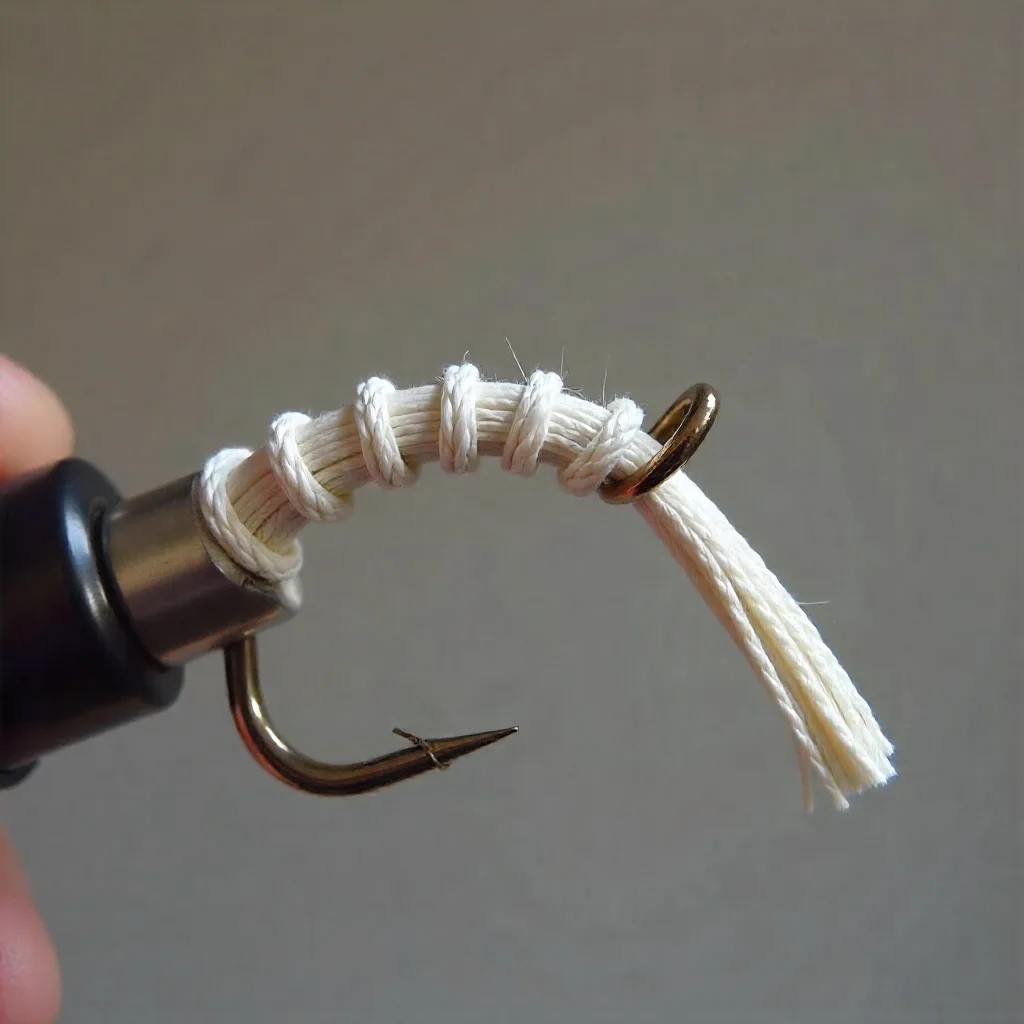
This knot is nearly exclusive to braided line and a straight-shank flipping hook while fishing heavy cover and grass. When tied correctly, the knot will create a pivot point between the eye of the hook and weight, sending the hook upwards into the fish’s mouth when setting the hook. This upward hooking motion dramatically improves hookup percentages in heavy vegetation where bass often strike from below.
Mark Zona, host of Zona’s Awesome Fishing Show and Strike King pro staffer, employs a snell knot anytime he fishes a Texas rigged bait with a slow presentation, including casting, flipping and Carolina rigging. “To me, a snell knot provides the best hookup ratio on earth when you’re fishing a soft plastic bait,” Zona said. “I’ve missed too many fish with a palomar and other knots”.
How to Tie the Snell Knot:
- Thread line through the hook eye from the top
- Make a large loop alongside the hook shank
- Hold the loop and tag end against the hook shank
- Wrap seven times, until you reach the bait keeper, holding your wraps in place with your thumb
- After wrapping the line, slowly pull the main line until the knot cinches in place
- Trim the tag end
This will create the pivot action, making for a perfect hookset into the roof of the fish’s mouth in heavy cover. If you pull tight and the hook goes downward instead of upwards, you have inserted the line through the wrong side of the hook eye—make sure to place your line through the top of the eye of the hook.
Choosing the Right Knot for Your Line Type
Monofilament Line Recommendations
For monofilament, the improved clinch knot represents the traditional choice and performs excellently. The knot’s self-tightening characteristic complements monofilament’s stretch and memory properties. However, the Palomar knot also works superbly with monofilament and provides slightly higher breaking strength retention.
Fluorocarbon Line Recommendations
Fluorocarbon responds well to both improved clinch and Palomar knots. The improved clinch knot proves particularly effective with fluorocarbon because the material’s stiffness actually enhances the knot’s self-tightening action. When tying either knot with fluorocarbon, always wet the knot thoroughly before cinching to prevent heat-related damage from friction.
Braided Line Recommendations
Braided line’s slick surface and lack of stretch create challenges for certain knots. For Texas rigging with braid, use the Palomar knot or double the line when tying the improved clinch knot to avoid slippage. The double line creates enough friction to prevent braid from slipping through the knot wraps.
Alternatively, many anglers fishing heavy cover with braid employ the snell knot on straight-shank flipping hooks. This specialized knot provides exceptional holding power with braided line and creates the upward hooking angle advantageous in thick vegetation. For comprehensive line selection guidance, review our saltwater vs freshwater rods guide covering line types.
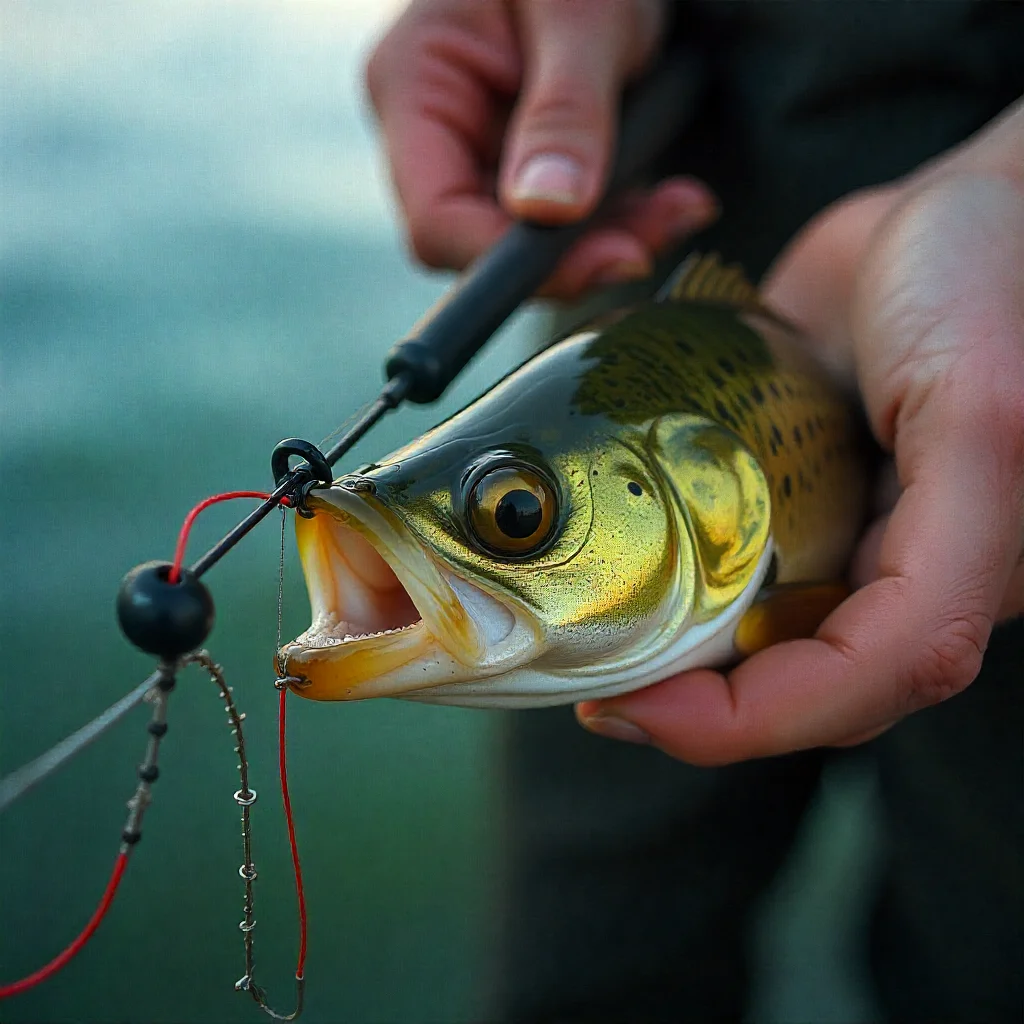
Knot Strength Comparison
| Knot Type | Breaking Strength | Best Line Types | Difficulty | Heavy Cover Performance |
|---|---|---|---|---|
| Improved Clinch | 95% | Mono, Fluorocarbon | Easy | Excellent |
| Palomar | 95-100% | All types | Easy | Excellent |
| Snell | 95-100% | Braid | Moderate | Superior |
Common Texas Rig Knot Failures and Solutions
Knot Slippage Issues
Slippage occurs most commonly with braided line and the improved clinch knot. Solution: Double the line before tying or switch to Palomar knots when using braid. Always wet knots before tightening to ensure proper seating.
Tag End Cut Too Short
Cutting the improved clinch knot tag end too close prevents the self-tightening action that makes this knot effective. Solution: Leave approximately 1/8 inch of tag end after trimming. This small amount allows the knot to cinch tighter under pressure without unraveling.
Insufficient Line for Palomar Knot
Many anglers thread bullet weights then realize they lack sufficient line to complete Palomar knots. Solution: Before beginning, make sure to have plenty of line (8-10 inches minimum) slipped through the bullet weight. The extra line will be needed while tying this knot.
Wrong Snell Knot Direction
If you pull tight and the hook goes downward instead of upwards, you have inserted the line through the wrong side of the hook eye. Solution: Make sure to place your line through the top of the eye of the hook when tying snell knots. The correct orientation creates the upward pivot critical for heavy cover hooksets.
Practice Makes Perfect
Knot Tying Practice Sessions
Practice both knots when Texas rigging your soft plastic baits and see which works best for you. Dedicate time at home tying knots repeatedly until muscle memory develops. Your knot is your connection to the fish—make it strong, make it count.
Tie 10-20 of each knot type, then test their strength by pulling against solid objects. This practice reveals weaknesses in your technique before they cost you trophy fish on the water. For skill development strategies, review our learning fishing techniques guide.
Field Testing Your Knots
After tying knots, retie them periodically throughout fishing days—especially after catching fish, snagging cover, or making numerous casts. Inspect knots for abrasion, looseness, or damage. Many lost fish result from damaged knots that appeared fine at first glance.
Texas Rig Hook Selection
Offset Worm Hooks vs EWG Hooks
We think the best hooks for Texas rigging are offset worm hooks or EWG hooks. An offset worm hook just means it has a 90-degree elbow that is made just for Texas rigging. I like a worm hook if I’m Texas rigging a thin worm like a ribbon tail or straight tail worm.
I like an EWG if I’m Texas rigging a larger soft plastic lure like a creature bait or beaver style flipping bait. If there is a lot more plastic to clear when you set the hook then you need a larger gap (i.e. Extra Wide Gap). The most commonly used hook for Texas rigging is an offset wide gape hook, with the wide gape providing a better hook up rate.
Hook Size Selection
Match hook sizes to bait dimensions:
- 3/0-4/0: Standard stick worms, 4-6 inch worms
- 4/0-5/0: Creature baits, medium craws, beaver baits
- 5/0-6/0: Large creature baits, punch baits, heavy flipping presentations
Additional Knot Options
Uni-to-Uni Knot for Leaders
Ideal for braid-to-fluorocarbon leaders commonly used in Texas rig applications. This knot allows you to fish braided main line for sensitivity and strength while using fluorocarbon leaders for abrasion resistance and low visibility near hooks.
Double Palomar Knot
Some anglers prefer double Palomar knots for Texas rigs in extremely heavy cover. This variation passes the loop through the hook eye twice before completing the knot, creating additional strength for heavy hooksets.
Get Your Fishing License
Check out the step-by-step instructions on how to tie both knots in fishing knot reference guides, and then get your fishing license online. Having proper licensing ensures you can legally fish wherever Texas rig opportunities arise. For licensing information, review our ice fishing license guide.
Frequently Asked Questions About Texas Rig Knots
What is the best knot for Texas rigging?
The two best Texas rig knots are the improved clinch knot and Palomar knot. The improved clinch knot continuously tightens with pressure, making it ideal for monofilament or fluorocarbon line. The Palomar knot retains 95-100% of line breaking strength when tied correctly and works with all line types. Both are easy to tie and provide excellent reliability. For heavy cover flipping with braid, use the snell knot which creates an upward hooking angle.
Which knot is better for braided line on Texas rigs?
For braided line, use the Palomar knot or double the line when tying the improved clinch knot to avoid slippage. Braid’s slick surface makes the standard improved clinch prone to slipping. The Palomar knot’s doubled-line design provides sufficient friction to hold braid securely. Alternatively, the snell knot works exceptionally well with braid for heavy cover flipping applications, providing superior hookup ratios.
How much tag end should I leave when tying Texas rig knots?
Leave approximately 1/8 inch of tag end when trimming improved clinch knots. This small amount allows room for the knot to tighten without failing when pulling through heavy cover or fighting big bass. Cutting too close prevents the self-tightening action that makes this knot effective. For Palomar knots, trim tag ends close after tightening since this knot doesn’t require additional tightening room.
Why do my Texas rig knots keep failing?
Common knot failure causes include: insufficient line for Palomar knots (leave 8-10 inches through bullet weight), tag ends cut too short on improved clinch knots (leave 1/8 inch), dry knots creating friction damage (always wet before tightening), and improper snell knot orientation causing downward rather than upward hook angle. Practice tying knots at home and test strength before fishing.
What knot does Mark Zona use for Texas rigs?
Mark Zona employs a snell knot anytime he fishes a Texas rigged bait with slow presentations including casting, flipping and Carolina rigging. “To me, a snell knot provides the best hookup ratio on earth when you’re fishing a soft plastic bait,” Zona explains. “I’ve missed too many fish with a palomar and other knots”. The snell knot creates a pivot point sending hooks upward into fish mouths in heavy cover.
Conclusion
Selecting the right Texas rig knot dramatically impacts your success when fishing heavy cover for bass. The improved clinch knot continuously tightens with pressure, making it ideal for monofilament and fluorocarbon line. The Palomar knot retains 95-100% breaking strength when tied correctly and works with all line types including braid. For heavy cover flipping with braided line and straight-shank hooks, the snell knot provides superior hookup ratios through its upward pivot action.
Practice both knots when Texas rigging your soft plastic baits to determine which works best for you. Remember to leave adequate tag ends on improved clinch knots, thread sufficient line through bullet weights for Palomar knots, and wet all knots before tightening. Your knot is your connection to the fish—make it strong, make it count.
Whether pursuing fall bass fishing, exploring bizarre tactics, or learning new techniques, mastering Texas rig knots ensures you land more fish.
1 thought on “Texas Rig Knot Guide: Best Knots For Bass 2026”