
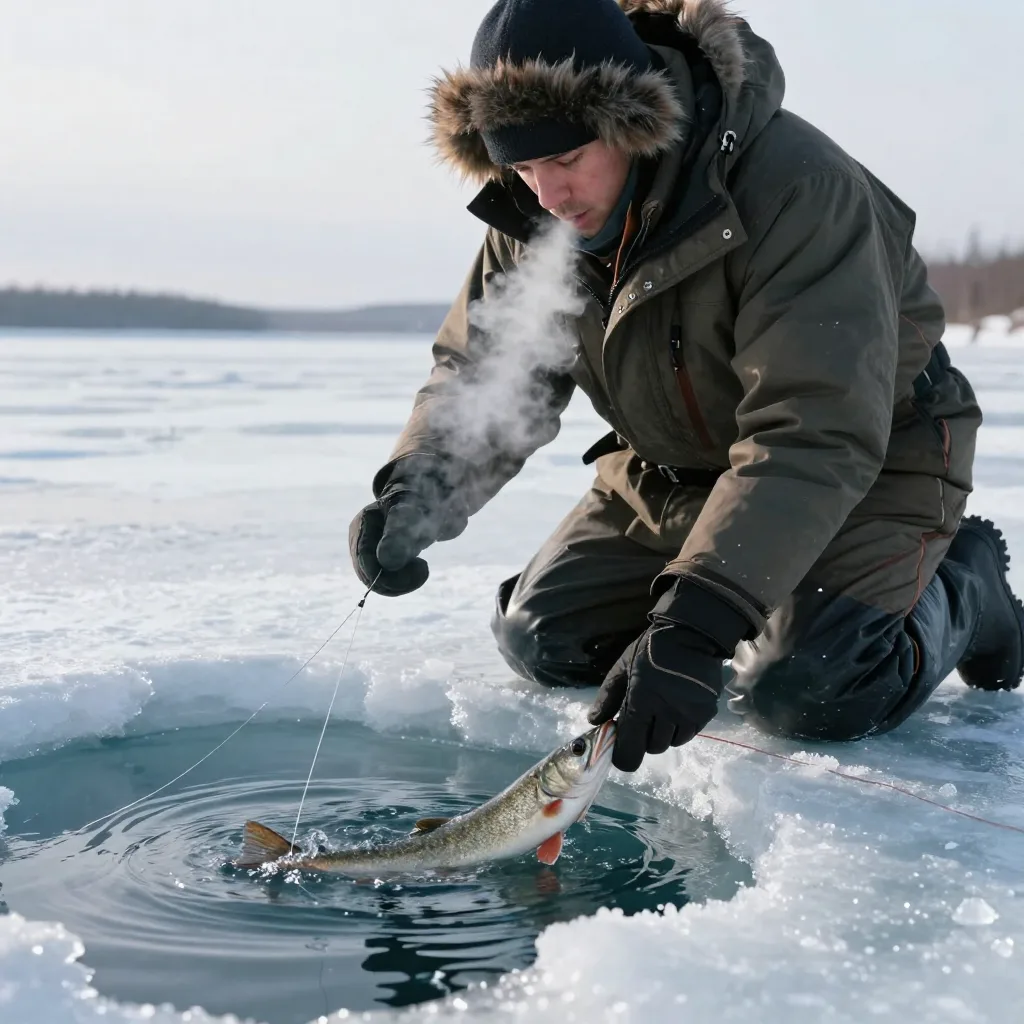
Introduction: The Overlooked Gem of Ice Fishing
While many ice anglers dream of trophy walleye, northern pike, or jumbo perch, there’s a lesser-known target species that offers some of the most enjoyable and productive ice fishing experiences available: the humble smelt. These small, silvery fish have been fueling winter fishing traditions across North America for generations, yet they remain surprisingly overlooked by many modern anglers.
Smelt ice fishing represents the perfect entry point for beginners intimidated by the technical aspects of traditional ice fishing. The simplicity of the tackle, the social nature of the activity, and the sheer numbers of fish available make smelt fishing uniquely accessible. Whether you’re introducing children to ice fishing for the first time or looking for a relaxed winter outing with friends, targeting smelt delivers consistent action without the complexity of pursuing larger gamefish.
Beyond the fishing itself, smelt represent a delicious reward for your efforts. These oily fish are prized for their rich flavor and can be prepared in numerous ways, from classic pan-frying to pickling. Many families have built winter traditions around smelt fishing, gathering in heated shelters to fish, socialize, and enjoy a shore lunch of freshly caught fish.
This comprehensive guide explores why you should try smelt ice fishing, covering everything from the biology and behavior of these fascinating fish to the specific techniques that consistently produce limits. We’ll examine the minimal gear requirements, the best times and locations to fish, and the social aspects that make smelt fishing special. By the end, you’ll understand why generations of anglers have made smelt fishing an annual winter ritual.
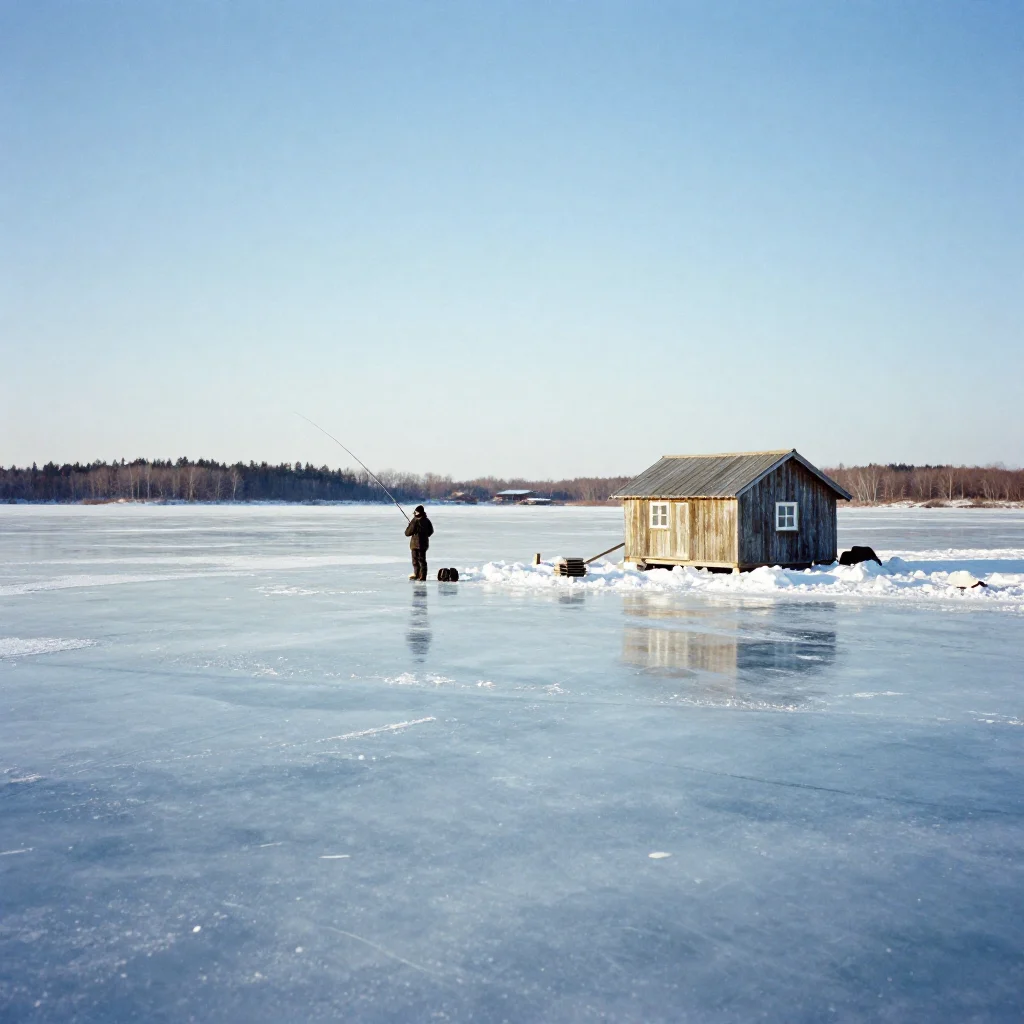
What Are Smelt? Understanding Your Target Species
Rainbow smelt (Osmerus mordax) are small, slender fish typically measuring 7-9 inches long, though some populations produce fish up to 13 inches. These anadromous fish—meaning they can live in both saltwater and freshwater—originally inhabited coastal Atlantic waters but have established thriving populations throughout the Great Lakes and numerous inland lakes across the northern United States and Canada.
Physical Characteristics
Smelt are easily identified by their distinctive appearance:
- Translucent, silvery bodies with a greenish or bluish back
- Large eyes relative to their body size
- Small, sharp teeth (handle carefully!)
- Adipose fin between the dorsal fin and tail
- Fresh smelt emit a distinctive cucumber-like odor
During spawning season, male smelt develop tubercles (small bumps) on their fins and scales, making them rough to the touch. This adaptation helps them grip females during the spawning act.
Life Cycle and Behavior
Smelt live in open water most of the year, feeding on zooplankton, small crustaceans, and occasionally the eggs and fry of other fish species. They’re pelagic feeders, meaning they suspend at various depths in the water column rather than relating strongly to bottom structure.
Winter triggers a significant behavioral change as smelt begin staging near river mouths and stream inlets in preparation for their spring spawning run. This concentration of fish makes ice fishing extremely productive, as thousands of smelt gather in relatively confined areas. Understanding seasonal fishing patterns helps you time your smelt fishing trips for maximum success.
Ice fishing for smelt typically peaks from December through February, with specific timing varying by latitude and local conditions. The fish become increasingly aggressive as spawning season approaches, making late-winter some of the most productive fishing of the year.
Smelt as Forage Fish
Beyond their appeal to anglers, smelt play a crucial ecological role as forage for larger predators. Lake trout, landlocked salmon, walleye, and northern pike all feed heavily on smelt. This predator-prey relationship means that areas with healthy smelt populations often produce excellent fishing for gamefish as well.
Some ice anglers target smelt specifically to use as bait for lake trout and pike. Fresh smelt make incredibly effective bait, producing fish when nothing else works. However, check your local regulations—some waters prohibit using smelt as bait to prevent the introduction of this species into new lakes.
10 Compelling Reasons to Try Smelt Ice Fishing
1. Perfect for Absolute Beginners
Smelt fishing requires minimal skill and no previous ice fishing experience. Unlike targeting walleye or pike, which demand knowledge of structure, presentation, and timing, smelt fishing succeeds with the simplest approach: drop a small hook baited with a piece of cut bait through the ice and wait for a bite.
This simplicity makes smelt fishing ideal for introducing children, non-anglers, or anyone intimidated by the learning curve of traditional fishing. Success comes quickly, building confidence and enthusiasm for the sport. Many lifelong ice anglers trace their introduction to the ice back to childhood smelt fishing trips.
The minimal technical requirements also mean less expensive gear. While serious ice anglers invest thousands in electronics, augers, and specialized equipment, productive smelt fishing requires maybe $50 in tackle. For families on a budget or casual anglers testing whether they enjoy ice fishing, this accessibility is invaluable.
2. Fast Action Keeps Things Exciting
Once you locate smelt, the action can be absolutely frantic. It’s not uncommon to catch dozens of fish in an hour when you find an active school. This constant activity keeps everyone engaged, particularly children whose attention spans struggle with the slow periods common in other types of fishing.
The fast pace also means you quickly learn whether your presentation is working. If you’re not catching fish within 15-20 minutes, you know to move or adjust rather than sitting on an unproductive hole for hours. This trial-and-error process teaches valuable ice fishing lessons about mobility and adaptation.
Multiple lines per angler (where regulations allow) multiply the action. Setting several tip-ups or jigging rods creates a casino-style atmosphere where something is always happening. This constant stimulation makes time fly and creates an exciting environment that brings people back season after season. Learn more about fishing techniques for multiple species to expand your skills.
3. Highly Social Winter Activity
Smelt fishing is traditionally a communal activity. Large groups gather in heated shelters, sharing food, drinks, and stories while lines dangle through the ice. This social aspect transforms fishing from a solitary pursuit into a party on the ice.
Many smelt fishing operations feature “smelt camps”—temporary communities of ice shanties dotting frozen lakes. These camps create a festive atmosphere where strangers become friends, sharing equipment, bait, and fishing intel. The camaraderie rivals tailgating at sporting events, with the added bonus of catching dinner.
The social nature makes smelt fishing particularly appealing for non-anglers. Those who don’t care about fishing can still enjoy the experience, sitting in a warm shelter, socializing, and occasionally helping reel in fish. This inclusivity strengthens families and friend groups, creating shared winter traditions. Connect with others through fishing community events.
4. Excellent for Night Fishing
Smelt are notably more active after dark, making night fishing not just productive but often essential for consistent success. This nocturnal feeding pattern creates a unique atmosphere—the darkness, the glow of lanterns, the social gathering—that feels distinctly different from traditional daytime fishing.
Night fishing also accommodates work schedules. Anglers who can’t take time off during the day can fish evenings and nights without sacrificing productivity. The after-dark bite often surpasses daytime fishing by a wide margin, rewarding those willing to brave colder temperatures.
The visual spectacle of a night smelt camp is remarkable. Dozens or hundreds of lit shanties dot the ice, creating a temporary city. Lantern light reflects off the ice and snow, and the sounds of laughter and excitement carry across the frozen lake. It’s an experience that transcends fishing, becoming a cultural event that binds communities together.
5. Delicious Table Fare
Smelt rank among the best-eating freshwater fish. Their oily flesh contains high levels of omega-3 fatty acids, providing excellent nutrition along with rich flavor. Properly prepared smelt rival any restaurant seafood dish.
The traditional preparation—gutted, floured, and pan-fried whole—is simple yet delicious. The bones become soft and edible when cooked, allowing you to eat the entire fish. The flavor is mild but distinctly fishy in the best possible way, with a texture that’s simultaneously crispy and tender.
Beyond frying, smelt can be:
- Pickled for long-term storage
- Smoked for a delicacy rivaling smoked salmon
- Grilled on skewers for outdoor cookouts
- Baked in various preparations
- Used in fish tacos or ceviche
The ability to harvest enough fish for multiple meals in a single outing provides tangible value to your fishing efforts. Unlike catch-and-release fishing for sport, smelt trips produce actual food that justifies the time and expense invested. For more cooking inspiration, check out our fish recipes collection.
6. Minimal Gear Investment Required
Starting smelt fishing requires remarkably little equipment. A basic setup includes:
- Simple hand auger or access to pre-drilled holes ($50-100 or free)
- Inexpensive jigging rods or tip-ups ($10-30 each)
- Small hooks (#6-10) and weights ($5)
- Bait: cut fish, worms, or maggots ($5-10)
- 5-gallon bucket for caught fish ($5)
For under $100, you can outfit yourself completely for smelt fishing. Compare this to serious ice fishing for gamefish, which often requires:
- Gas or electric auger ($300-700)
- Portable shelter ($200-500)
- Quality rods and reels ($100-300)
- Electronics ($200-800)
- Specialized tackle ($100+)
The affordability makes smelt fishing accessible to everyone regardless of budget. Families can outfit multiple children without breaking the bank, and casual anglers can experiment with ice fishing without a major financial commitment. If you’re ready to expand your gear, our ice fishing accessories guide covers what to add next.
7. Excellent Practice for Ice Fishing Skills
While simpler than targeting other species, smelt fishing teaches fundamental ice fishing skills:
- Ice safety assessment: Learning to judge ice thickness and quality
- Hole drilling and maintenance: Keeping holes clear and functional
- Temperature management: Staying warm in harsh conditions
- Bait presentation: Understanding depth and action
- Fish handling: Properly handling and storing caught fish
These foundational skills transfer directly to other ice fishing pursuits. Many successful gamefish anglers credit their smelt fishing background for teaching them ice fishing basics without the pressure of expensive equipment or the frustration of slow fishing.
The high catch rates also teach fish behavior lessons. You learn to recognize bites, set hooks, and handle fish efficiently. When you move on to larger species, these motor skills are already developed, allowing you to focus on the strategic aspects of fishing rather than basic mechanics. For comprehensive skill development, review our beginner fishing tips.
8. Accessible Locations and Abundant Populations
Smelt populations exist throughout the northern United States and Canada. Major smelt fisheries include:
- Great Lakes Region: Superior, Michigan, Huron, and their connecting waters
- New England: Numerous lakes in Maine, New Hampshire, Vermont
- Upper Midwest: Northern Minnesota, Wisconsin, Michigan
- Canada: Ontario, Quebec, Maritime provinces
Within these regions, smelt inhabit everything from massive Great Lakes bays to smaller inland lakes. This abundance means you likely have smelt fishing opportunities within reasonable driving distance if you live in northern states.
Many popular smelt lakes feature easy access with plowed roads on the ice, rental shanties, and services catering to ice anglers. This infrastructure eliminates barriers for beginners who lack equipment or knowledge about ice access. You can literally show up with a bucket and rent everything else you need.
Public access is excellent at most smelt waters, with state and provincial agencies managing access points and maintaining facilities. Unlike some trophy fisheries requiring boats or remote travel, smelt fishing is democratic and available to everyone. Find more fishing locations in our best freshwater fishing spots guide.
9. Family-Friendly Winter Recreation
Few outdoor activities bring families together like smelt fishing. The heated shelters, fast action, and social atmosphere create an environment where everyone participates and enjoys themselves regardless of age or ability.
Children particularly love smelt fishing. The constant action holds their attention, the fish are small enough for little hands to handle safely, and the immediate gratification of catching fish after fish builds enthusiasm. Many kids who find other types of fishing boring become completely engaged with smelt fishing.
Older family members who can’t handle the physical demands of more strenuous fishing find smelt fishing accessible. Sitting in a heated shelter requires minimal physical exertion, and the frequent catches provide excitement without exhausting effort.
The experience creates lasting family memories and traditions. Families return to the same spots year after year, watching children grow up with ice fishing as a natural part of their winter routine. These traditions strengthen family bonds and pass outdoor ethics and skills to the next generation.
10. Conservation Through Consumption
In many waters, smelt populations are abundant enough that liberal harvest limits benefit the ecosystem. Smelt compete with native species for food and habitat, and in some cases, serve as vectors for invasive species like the sea lamprey.
By harvesting smelt, anglers help maintain balanced fish populations while enjoying the fruits of their efforts. This sustainable harvest provides a conservation benefit while producing delicious meals—a win-win situation.
Responsible anglers follow fishing regulations and bag limits, ensuring populations remain healthy while still taking home enough fish to justify the trip. Most smelt waters feature generous limits (often 25-50 fish per angler) that allow harvesting substantial numbers without threatening the population.
Essential Smelt Ice Fishing Techniques
Locating Smelt
Smelt concentrate near river mouths, stream inlets, and areas with current during winter months. These locations provide staging areas for spawning runs and concentrate the food sources smelt feed on. Start your search near moving water, particularly where streams enter larger lakes.
Depth varies by water body, but smelt typically suspend in the water column rather than relating to bottom structure. Common depths range from 10-30 feet, with smelt moving up and down in the column based on light levels, food availability, and other factors.
Electronics help locate suspended smelt, but aren’t necessary. Simple trial-and-error—drilling holes at various depths and distances from shore—effectively locates fish. Once you find them, mark the location and focus your efforts there.
Local knowledge is invaluable for smelt fishing. Talk to bait shops, check fishing forums, and ask other anglers about current hotspots. Smelt fishing is rarely secretive—the communal nature means people freely share information. Visit your local bait shop for current conditions and tips.
Basic Smelt Jigging Technique
The simplest and most effective smelt fishing method uses a small jigging rod with a single hook setup:
- Rig Setup: Tie a #6-10 hook on 4-6 lb test line with a small split shot 6-12 inches above the hook. Some anglers add a tiny glow-in-the-dark bead above the hook for attraction.
- Bait Selection: Smelt aren’t picky. Effective baits include:
- Small pieces of cut fish (perch, minnow, or even smelt)
- Waxworms or other insect larvae
- Small pieces of nightcrawler
- Commercial prepared baits
- Presentation: Lower your bait to the depth where fish are holding, typically mid-depth in the water column. Smelt often suspend 5-15 feet off bottom in 20-30 feet of water.
- Jigging Motion: Use subtle movements—gentle lifts and drops every few seconds. Smelt don’t require aggressive jigging. Sometimes simply holding still produces the most bites.
- Bite Detection: Smelt bites are distinctive—sharp taps or steady pulling. Set the hook with a quick wrist snap at the first indication of a bite.
Multi-Rig Systems
Where regulations allow multiple lines per angler, setting up several rods or tip-ups multiplies your catch rate. A common setup uses 3-4 lines spread across a few holes at varying depths.
Use simple tip-ups with small flags that trigger on light bites. These passive systems allow you to jig one rod actively while monitoring other holes for flags. When multiple tip-ups pop simultaneously, you know you’ve found the school’s exact depth.
Some anglers use multi-hook rigs with 2-3 hooks spaced along the leader. While this setup can catch multiple fish simultaneously, it also increases tangles and makes fishing more complicated. For beginners, single-hook rigs remain the best choice. Learn proper knot tying techniques to build reliable rigs.
Night Fishing Strategy
Smelt are significantly more active after dark. Plan your trips to maximize night fishing time:
- Arrive 1-2 hours before sunset to set up and locate fish
- Use lanterns or lights in your shelter—smelt are attracted to light
- Fish most actively from full dark until midnight
- Second peak often occurs just before dawn
Some research suggests smelt feed on zooplankton that rise in the water column after dark. Whatever the reason, night fishing consistently outproduces daylight hours for smelt.
Bring adequate lighting for safety and fishing. Headlamps allow hands-free operation, while lanterns provide ambient light inside shelters. Some anglers use underwater lights to attract smelt, though this technique’s effectiveness is debated.
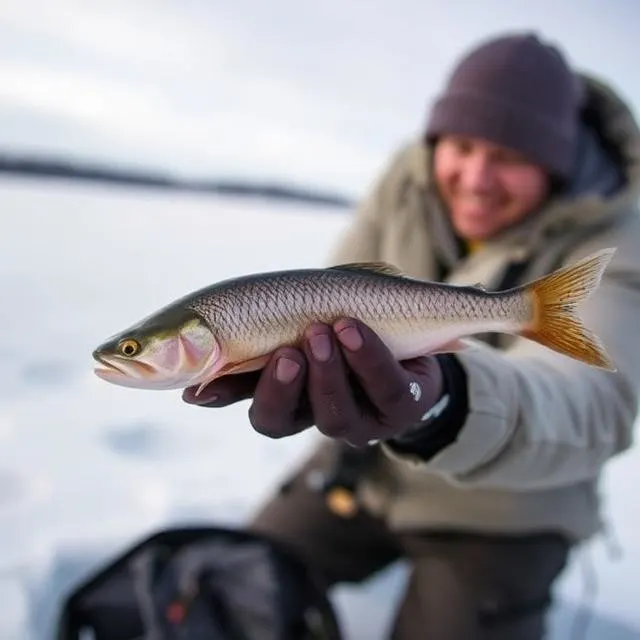
Best Times and Seasons for Smelt Ice Fishing
Ice-Out Timing Varies by Region
Smelt ice fishing season begins when ice reaches safe thickness (minimum 4 inches) and continues until ice-out or until smelt begin their spawning runs into tributaries.
Northern Tier (Minnesota, Wisconsin, Maine): December through March
Mid-Tier (southern Great Lakes): January through early March
Southern Range (mountain lakes): Limited windows in January-February
Check local ice conditions before venturing out. Early season ice can be deceptively unsafe, while late season ice deteriorates rapidly once spring arrives. Understanding the best times to fish throughout winter maximizes your success.
Peak Fishing Periods
Smelt fishing improves as winter progresses and fish congregate for spawning:
Early Season (December-January): Scattered fish, moderate action, requires more searching
Mid-Season (January-February): Peak fishing as schools concentrate, excellent catch rates
Late Season (February-March): Largest concentrations, most aggressive feeding, potential for limits in short sessions
Moon phase may influence smelt behavior, though evidence is anecdotal. Many anglers report better fishing during full moons, possibly due to increased light penetration through the ice affecting feeding patterns.
Optimal Fishing Times
Night Fishing: Sunset through midnight typically produces the fastest action. Smelt feed more aggressively in darkness.
Early Morning: The hour before sunrise through first light often brings a second feeding period.
Daytime: Slower but still productive, particularly on overcast days when light penetration is reduced.
Weather impacts fishing significantly:
- Stable conditions: Consistent fishing throughout the period
- Approaching fronts: Increased activity as barometric pressure drops
- Post-frontal: Slow fishing for 24-48 hours after cold fronts pass
- Overcast days: Extended feeding windows compared to bright, sunny conditions
Smelt Ice Fishing Gear Checklist
Essential Equipment
Ice Auger or Access
- Hand auger (5-6 inch) sufficient for smelt
- Or pre-drilled community holes
- Or access to rental facilities
Rods and Reels
- Ultralight or light ice fishing rods (24-30 inches)
- Small spinning reels with smooth drag
- Alternative: Tip-ups for passive fishing
- Multiple rods increase catch rate
Terminal Tackle
- Hooks: #6-10 (octopus or Aberdeen style)
- Split shot weights: BB to 3/0
- Swivels: micro swivels prevent line twist
- Light monofilament: 4-6 lb test
- Small glow beads or attractors
Bait and Storage
- Cut bait (smelt, perch, or minnows)
- Waxworms or spikes
- Nightcrawlers
- Insulated bait container to prevent freezing
Fish Management
- 5-gallon bucket or cooler for caught fish
- Stringer if keeping fish in the water
- Tape measure for checking legal size
- Knife for cutting bait
Comfort and Safety Equipment
Clothing
- Insulated boots rated -40°F or lower
- Waterproof bibs and jacket
- Layered clothing system
- Warm gloves and hat
- Extra dry socks and gloves
For detailed clothing recommendations, see our fishing apparel guide.
Shelter and Heating
- Portable pop-up shelter (optional but recommended)
- Propane heater with safety features
- Bucket or folding chair
- Sled for transporting gear
Safety Gear (Non-negotiable)
- Ice picks or claws worn around neck
- Throw rope (50-100 feet)
- Ice spud for testing thickness
- Flashlight or headlamp
- Cell phone in waterproof case
- First aid kit
Review ice fishing safety essentials before every trip.
Nice-to-Have Accessories
Electronics
- Simple fish finder or flasher (helps locate depth and fish)
- Underwater camera (fun for watching smelt)
- GPS for marking productive spots
Convenience Items
- Thermos with hot beverage
- Snacks and lunch
- Portable stool or seat cushion
- Extra line and terminal tackle
- Hook sharpener
- Small tackle box or bag
Where to Fish for Smelt: Top Destinations
Great Lakes Region
The Great Lakes and their bays hold tremendous smelt populations accessible to ice anglers.
Lake Superior
- Chequamegon Bay, Wisconsin
- Keweenaw Bay, Michigan
- North Shore bays, Minnesota
Lake Michigan
- Green Bay, Wisconsin
- Little Bay de Noc, Michigan
- Grand Traverse Bay, Michigan
Lake Huron
- Saginaw Bay, Michigan
- Georgian Bay, Ontario
These massive water bodies require extra caution regarding ice conditions and weather. Stick to protected bays and near-shore areas, and never venture out without checking ice reports. The best saltwater fishing spots guide provides additional location research methods.
Inland Lakes
Numerous inland lakes across the northern tier states hold excellent smelt populations:
Maine: Sebago Lake, Moosehead Lake, West Grand Lake
New Hampshire: Lake Winnipesaukee, Newfound Lake
Vermont: Lake Champlain, Lake Memphremagog
Minnesota: Numerous lakes in the Arrowhead region
Wisconsin: Inland lakes in northern counties
Michigan: Hundreds of inland lakes statewide
Inland lakes generally provide safer ice conditions than the Great Lakes, making them ideal for beginners or families. Access is usually easier, and rental facilities are common at popular smelt lakes.
Finding Local Smelt Waters
Contact your state’s fish and wildlife agency for information on smelt populations in your area. Many agencies publish ice fishing guides listing smelt waters and access points.
Check online forums, social media groups, and local fishing reports for current smelt fishing conditions. The smelt fishing community is generally open about sharing information, as the abundance of fish means there’s plenty for everyone.
Visit local bait and tackle shops—they’re gold mines of current information about where smelt are biting, what depths are producing, and which baits are working best. Building relationships with shop owners provides ongoing intel throughout the season.
Preparing Your Smelt Catch
Field Care
Smelt spoil quickly, so proper handling is essential:
- Kill fish immediately upon catching – A sharp blow to the head or placing them in ice water
- Keep fish cold – Store in bucket with ice or snow
- Avoid crushing – Don’t pile too many fish together; their soft bodies bruise easily
- Clean promptly – Process fish within hours of catching, or keep them frozen
Some anglers keep smelt alive in a bucket of water, claiming this keeps them fresher. However, crowding causes stress and can affect flavor. Ice or snow storage generally produces better results.
Cleaning Smelt
Smelt are cleaned using a simple process:
Whole Fish Method (eaten bones and all)
- Gut fish by making a shallow cut from vent to head
- Remove intestines and rinse cavity
- Leave head, tail, and fins attached
- Rinse thoroughly in cold water
Headless Method
- Cut behind gills to remove head
- Slit belly and remove intestines
- Cut off tail if desired
- Rinse thoroughly
Some people eat smelt without gutting them, but removing intestines improves flavor and texture. The bones are soft enough to eat when cooked properly, eliminating the need for deboning.
Traditional Fried Smelt Recipe
The classic preparation showcases smelt’s delicate flavor:
Ingredients
- Cleaned smelt
- 2 cups flour
- Salt and pepper to taste
- Oil for frying (vegetable or peanut)
- Lemon wedges
Method
- Heat oil in deep pan or fryer to 350-375°F
- Mix flour, salt, and pepper in shallow dish
- Dredge smelt in flour mixture, coating thoroughly
- Fry in hot oil until golden brown (2-3 minutes)
- Drain on paper towels
- Serve immediately with lemon wedges
The bones become soft and edible when fried at proper temperature. Eat the whole fish, head to tail, for the authentic experience. Find more preparation ideas in our fish recipes collection.
Storage
Fresh: Store cleaned smelt in refrigerator up to 2 days on ice
Frozen: Freeze in water-filled containers or bags to prevent freezer burn. Properly frozen smelt last 3-6 months.
Pickled: Pickled smelt last several months refrigerated and make excellent appetizers
Smoked: Smoked smelt last 1-2 weeks refrigerated, longer if vacuum sealed
Smelt Fishing Regulations and Conservation
Understanding Bag Limits
Smelt fishing regulations vary significantly by jurisdiction. Common regulations include:
- Daily limits: 25-50 fish per angler (sometimes unlimited)
- Size limits: Usually none, though some waters have minimum sizes
- Season restrictions: Typically none beyond ice fishing season
- Bait restrictions: Some waters prohibit using smelt as bait
Always check current regulations for your specific water body. Regulations change annually, and what was legal last season may not be this year. Your state fishing license requirements page provides regulation sources.
Obtaining Required Licenses
Most jurisdictions require standard fishing licenses for smelt fishing. Some offer special ice fishing stamps or permits in addition to base licenses. Senior citizens, military personnel, and disabled individuals often receive discounted or free licenses.
Purchase licenses online or at local retailers before fishing. Getting caught without proper licensing results in fines and confiscated equipment. Learn how to get a fishing license online quickly and easily.
Ethical Harvest Practices
- Take only what you’ll eat—smelt spoil quickly and waste is disrespectful
- Follow all bag limits even when fishing is easy
- Release undersized fish gently if size limits exist
- Don’t leave dead or unwanted fish on the ice—pack them out or bury them
- Share intel and help other anglers enjoy success
- Respect private property and leave access points cleaner than you found them
Practicing ethical angling ensures smelt populations remain healthy and fishing opportunities continue for future generations.
Common Mistakes to Avoid
Safety Errors
Insufficient Ice Thickness: Never fish on ice less than 4 inches thick. Test ice constantly as you move, particularly near pressure cracks, inlets, and areas with current.
Inadequate Safety Equipment: Always wear ice picks and carry rope for self-rescue or assisting others.
Alcohol Consumption: Save celebrations for after you’re off the ice. Alcohol impairs judgment and contributes to hypothermia.
Ignoring Weather: Sudden storms, extreme cold, and high winds turn pleasant outings dangerous quickly. Check forecasts and have exit strategies.
For comprehensive safety information, review our beginner fishing mistakes guide.
Fishing Mistakes
Fishing Too Deep or Shallow: Smelt suspend mid-depth. Start at half the total depth and adjust based on results.
Using Too Heavy Tackle: Smelt have small mouths and soft bites. Light line and small hooks detect bites better and hook fish more effectively.
Staying in Unproductive Locations: If you’re not catching fish within 20-30 minutes, move. Mobility is key to locating active schools.
Fishing Only During Daylight: Night fishing produces significantly better results. Plan trips to maximize after-dark fishing time.
Preparation Mistakes
Inadequate Clothing: Dress in layers for temperature regulation. Cotton kills in cold weather—use synthetic or wool fabrics.
Forgetting Essentials: Make a checklist and review before every trip. Running out of bait or forgetting your auger ruins outings.
No Backup Plan: Equipment breaks and conditions change. Have backup tackle, extra clothing, and alternative fishing locations planned.
Smelt Fishing Culture and Traditions
Community Aspect
Smelt fishing creates unique camaraderie. The clusters of shanties become temporary neighborhoods where strangers share equipment, bait, and knowledge freely. This communal spirit stands in stark contrast to the secretive nature of some fishing pursuits.
Many areas host smelt fishing festivals and competitions, celebrating the tradition with food, music, and prizes for largest catches. These events attract hundreds or thousands of participants, creating festive atmospheres that transcend fishing itself.
Joining the fishing community connects you with experienced anglers who can teach techniques, share locations, and include you in their fishing traditions.
Family Traditions
Countless families have multi-generational smelt fishing traditions. Grandparents who learned from their parents now teach grandchildren, passing down techniques, recipes, and stories spanning decades.
These traditions create powerful bonds and memories. The predictable nature of smelt fishing—knowing you’ll catch fish—makes it reliable family entertainment that successfully competes with modern technology for children’s attention.
Many families have specific shanties they return to yearly, particular lakes they fish, or traditional shore lunch menus that mark the event as special. These rituals add meaning beyond simply catching fish.
Shore Lunches and Celebrations
Cooking and eating fresh-caught smelt on the ice represents the pinnacle of the smelt fishing experience. Portable burners or grills transform raw fish into meals within minutes of catching them.
The taste of smelt cooked immediately after catching, eaten in a heated shanty while snow falls outside, creates sensory memories that last a lifetime. The combination of accomplishment (catching food), sustenance (eating fresh fish), and environment (winter ice fishing) produces an experience impossible to replicate in other settings.
Many smelt fishing groups organize potluck dinners where everyone contributes dishes beyond fish—sides, desserts, beverages—creating elaborate meals that turn fishing trips into memorable gatherings.
Top 5 Frequently Asked Questions
Do I need expensive ice fishing equipment to catch smelt?
No—smelt fishing requires minimal equipment and can be done very affordably. A basic setup costs under $100 and includes a simple hand auger (or access to pre-drilled holes), an ultralight ice fishing rod, small hooks and weights, and bait. Many popular smelt waters have rental shanties available where you can fish without any equipment of your own. This accessibility makes smelt fishing perfect for beginners who want to try ice fishing without major investment. While advanced equipment like electronics and powered augers make fishing more comfortable and efficient, they’re not necessary for catching smelt successfully.
What’s the best bait for catching smelt through the ice?
Smelt aren’t particularly picky eaters, and several baits work well. The most popular and effective options include small pieces of cut fish (perch, minnows, or even smelt themselves), waxworms, spikes (Eurolarvae), and small pieces of nightcrawler. Cut bait works exceptionally well—simply cut a small fish into quarter-inch pieces and thread onto a small hook. Many anglers use smelt they’ve caught to bait for more smelt, creating a self-sustaining bait supply. Waxworms are convenient because they’re sold at most bait shops and stay lively in cold temperatures. The key is using fresh bait and keeping it small—smelt have relatively small mouths and prefer bite-sized offerings. Some anglers add a small glow bead above the hook for attraction, though this isn’t necessary.
Are smelt safe to eat, and how do you prepare them?
Yes, smelt are not only safe to eat but are considered excellent table fare. These oily fish are rich in omega-3 fatty acids and have a mild, pleasant flavor. The traditional preparation involves gutting the fish, coating them in seasoned flour, and pan-frying them whole until crispy. The bones become soft when properly cooked and can be eaten along with the rest of the fish. Beyond frying, smelt can be pickled, smoked, grilled, or baked. They’re particularly popular in the Great Lakes region where smelt fries are community traditions. Always clean smelt promptly after catching and keep them cold—they spoil more quickly than some other species. Properly frozen smelt last several months and can be enjoyed long after ice fishing season ends.
When is the best time to go smelt ice fishing?
The best time for smelt ice fishing is at night, particularly from sunset through midnight. Smelt are significantly more active after dark, with catch rates often doubling or tripling compared to daylight fishing. This nocturnal feeding pattern makes night fishing not just productive but often essential for filling your bucket. Within the ice fishing season, late winter (February through early March) typically produces the best fishing as smelt concentrate near spawning areas. Moon phase may also play a role, with many anglers reporting better success during full moons. Weather conditions matter too—stable conditions with falling or low barometric pressure generally produce better fishing than post-frontal high-pressure systems. Plan your trips to maximize night fishing time, and you’ll experience the fastest action smelt fishing offers.
Where can I find smelt ice fishing locations near me?
Smelt populations exist throughout the northern United States and Canada, particularly around the Great Lakes region and New England states. Start by contacting your state fish and wildlife agency—most publish ice fishing guides that list waters containing smelt. Local bait and tackle shops are invaluable resources for current information about where smelt are biting, what depths are producing, and which areas have safe ice. Online fishing forums and social media groups dedicated to ice fishing in your region provide up-to-date reports from other anglers. Popular smelt waters often have established “smelt camps” with rental shanties and services, making them easy to locate and access. Some top destinations include Chequamegon Bay in Wisconsin, Saginaw Bay in Michigan, Lake Champlain, and numerous inland lakes throughout Maine, New Hampshire, Minnesota, and Wisconsin.
Conclusion: Embrace the Smelt Fishing Tradition
Smelt ice fishing offers something truly special: an accessible, social, productive winter activity that brings people together while providing delicious food and memorable experiences. Whether you’re introducing children to ice fishing, looking for a low-pressure way to enjoy winter, or simply want to try something new, smelt fishing delivers consistent rewards.
The minimal equipment requirements remove financial barriers, while the fast action eliminates the frustration common in other fishing pursuits. The social atmosphere transforms cold winter days into warm gatherings of friends and family. And the delicious table fare provides tangible value to your efforts.
Beyond the practical benefits, smelt fishing connects you to a rich cultural tradition spanning generations. The techniques, locations, and recipes passed down through families represent living history. Participating in this tradition honors those who came before while creating new memories for future generations.
Don’t let another winter pass without experiencing smelt ice fishing. The season is short, the action is fast, and the memories last forever. Gather your gear, check the ice conditions, obtain your fishing license, and join the thousands of anglers who have discovered why smelt fishing remains one of winter’s greatest traditions.
For more ice fishing resources:
- Complete ice fishing techniques and safety guide
- Essential ice fishing accessories for success
- Seasonal fishing tips for year-round success
- Join fishing tournaments and events near you
Get your fishing license, check local ice reports, grab your bucket, and discover why generations of anglers consider smelt fishing a cherished winter ritual. The ice is calling—answer it with a smelt fishing adventure you’ll never forget!