
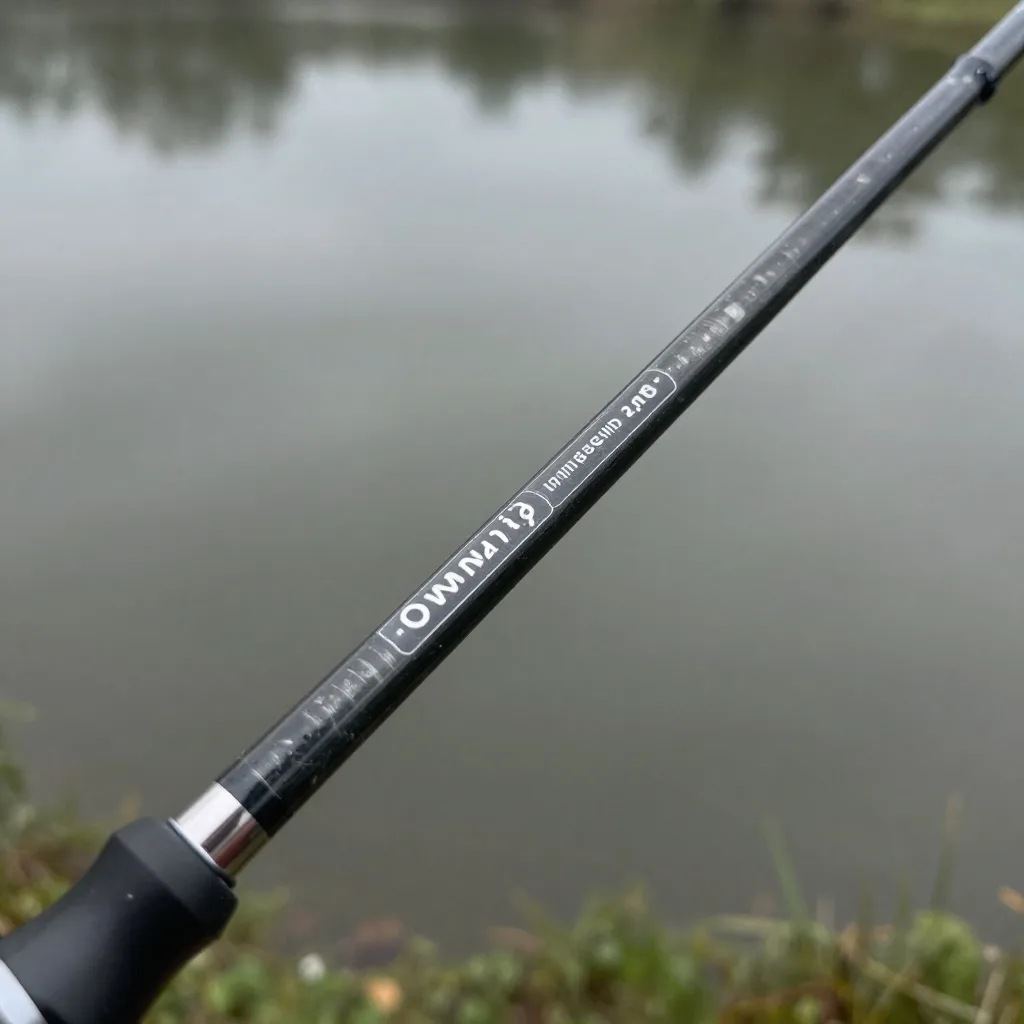
If you’re wondering what the differences are between saltwater vs freshwater fishing rods, those differences are actually easier to distinguish than you might think. Understanding the fundamental distinctions between these two rod types proves essential for making informed purchasing decisions, protecting your investment, and maximizing fishing success across diverse environments. Whether you’re planning offshore adventures targeting trophy marlin, casting for largemouth bass in local ponds, or exploring both environments, selecting appropriate rod types dramatically impacts your angling experience and equipment longevity.
The primary differences between saltwater and freshwater fishing rods center on construction materials, corrosion resistance, power ratings, length specifications, and intended applications. Saltwater rods must withstand harsh corrosive marine environments while handling larger, more powerful fish species, whereas freshwater rods prioritize sensitivity, lighter weight, and versatility for diverse inland fishing techniques. This comprehensive guide covers key factors to consider when choosing between saltwater vs freshwater rods, construction material differences, action and power ratings, cross-usage possibilities, maintenance requirements, and recommendations for versatile options serving both environments.
Key Factors to Consider When Choosing Fishing Rods
Fishing Techniques and Target Species
When selecting the right saltwater vs freshwater fishing rods for your angling adventures, first consider the fishing techniques you plan to use. Will you be trolling offshore for kingfish or casting crankbaits to largemouth bass in a local pond? Once you’ve identified your primary techniques, factor in the size and strength of target species to select appropriate rod power.
Depending on species, certain saltwater fish such as marlin, tuna, or sharks can literally weigh thousands of pounds, meaning many saltwater rods must be made much thicker and heavier than freshwater fishing rods. Conversely, freshwater species like bass, trout, and panfish rarely exceed 10-15 pounds, allowing lighter more sensitive rod designs.
Environmental Conditions
The environment where you’ll fish significantly influences rod selection. Saltwater presents harsh corrosive conditions that quickly deteriorate equipment lacking proper protection. Salt exposure causes metal components to corrode, guides to pit, and reel seats to seize unless manufactured from corrosion-resistant materials.
Freshwater environments prove far gentler on equipment, allowing use of lighter materials without corrosion concerns. However, freshwater rods lack the protective coatings and specialized components needed for saltwater durability. For comprehensive fishing environment guidance, review our fall freshwater fishing guide
Construction Materials: The Fundamental Difference
Freshwater Rod Materials
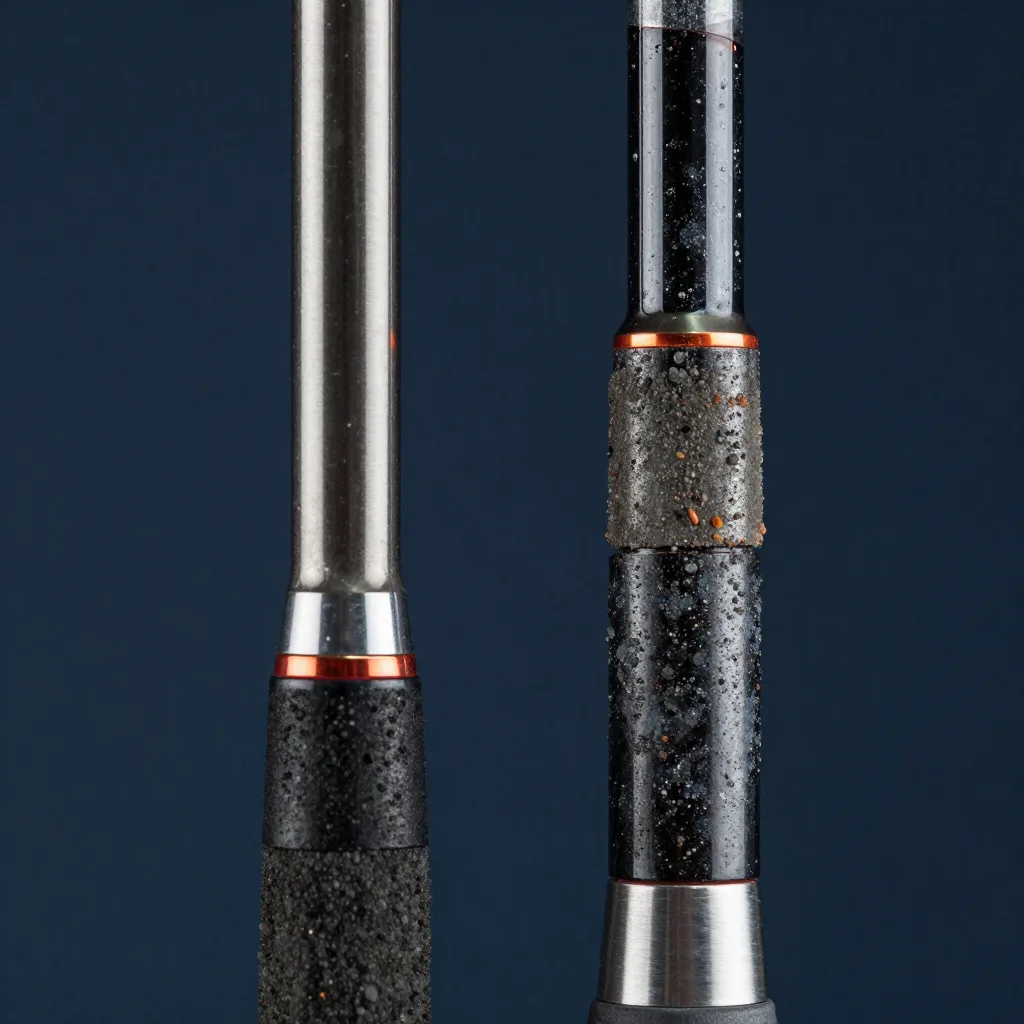
Freshwater rods often use aluminum oxide guides and reel seats, as these materials perform well in non-corrosive environments. Blanks are typically constructed from graphite or composite materials (fiberglass-graphite blends) which makes these rods lighter in weight with added sensitivity. Graphite provides exceptional sensitivity allowing anglers to detect subtle bites from finicky fish.
These materials excel for freshwater applications where corrosion isn’t a concern and lighter tackle matches smaller fish species. The sensitive nature of graphite rods helps detect light bites from bass, trout, and panfish that mouth baits tentatively. Composite rods offer balanced performance between graphite’s sensitivity and fiberglass’s durability.
Saltwater Rod Materials
Saltwater rods use titanium, carbon fiber, or stainless steel components that withstand constant exposure to corrosive saltwater. Heavy offshore saltwater rods are often made from fiberglass, which is more durable and can handle tremendous stress from large powerful fish. These materials resist corrosion, pitting, and degradation that would quickly destroy freshwater rod components in marine environments.
Guides on saltwater rods feature ceramic inserts, silicon carbide, or titanium construction preventing saltwater corrosion. Reel seats use graphite composite or anodized aluminum with corrosion-resistant coatings. Even hook keepers, trim rings, and decorative elements must utilize corrosion-proof materials on quality saltwater rods.
Material Comparison Table
| Component | Freshwater Rods | Saltwater Rods |
|---|---|---|
| Guides | Aluminum oxide | Titanium, stainless steel, ceramic |
| Reel Seats | Standard aluminum | Anodized aluminum, graphite composite |
| Blank Material | Graphite, composite | Fiberglass, graphite, carbon fiber |
| Corrosion Protection | Minimal | Extensive coatings and treatments |
| Weight | Lighter | Heavier |
Rod Action and Power Ratings
Understanding Rod Action
Rod action refers to how much and where the rod bends when pressure is applied. Heavy offshore saltwater rods typically fall into slow to medium action categories. As a general rule, the more a rod flexes, the slower the action. Slow action rods bend throughout their entire length, providing cushioning that prevents line breaks when fighting powerful fish.
Many freshwater or inshore saltwater fishing rods made from graphite or composite materials generally fall into fast or extra fast action categories. Fast action rods bend primarily at the tip, providing quick sensitivity for detecting light bites and enabling accurate casting. Extra fast actions concentrate flex in the upper 1/4 of the rod, maximizing sensitivity for finesse techniques.
Saltwater rods generally have more moderate tapers, bending further into the blank. This design provides better casting weight range and improved fighting power whether you hook into bigger or smaller fish. If you’ve ever hooked into a tiny fish with a medium-heavy fast rod, you know you end up yanking them out of the water. Freshwater rods feature faster tapers than most saltwater rods.
Rod Power Considerations
Rod power describes the rod’s strength and ability to handle different line weights and fish sizes. When comparing freshwater vs saltwater rods, it’s important to consider the type of fishing you’ll be doing and species you’re targeting.
Freshwater Fishing: A medium-light rod with moderate action is often ideal for targeting bass and panfish, allowing better sensitivity when detecting bites. Light power rods excel for trout and panfish fishing with small lures and light lines.
Saltwater Fishing: A heavy rod with fast action is preferable for larger species, providing necessary strength to handle aggressive fish and larger lures. Heavy and extra-heavy power rods dominate offshore applications where trophy fish require maximum backbone.
Power Rating Examples:
- Light Power, Fast Action: Great for finesse fishing in freshwater, allowing accurate casting with small lures
- Medium Power, Moderate Action: Versatile for both freshwater and inshore saltwater fishing, suitable for a range of species
- Heavy Power, Fast Action: Ideal for offshore saltwater fishing where larger fish are targeted
Length Specifications and Applications
Freshwater Rod Lengths
Freshwater rods tend to vary in length but are often shorter than saltwater rods, with actions that cater to a wide range of techniques from light jigging to topwater casting. Common freshwater rod lengths range from 5.5 to 7.5 feet depending on application:
- 5.5-6.5 feet: Ice fishing, ultralight panfish, tight quarters fishing
- 6.5-7 feet: Bass fishing, general-purpose freshwater applications
- 7-7.5 feet: Long-distance casting, surf fishing, salmon/steelhead
Shorter rods provide better accuracy and control when fishing around cover like docks, laydowns, and vegetation. Longer rods enable distance casting and improved line control for techniques like Carolina rigging or deep cranking.
Saltwater Rod Lengths
Saltwater rods are often longer, allowing anglers to cast further and manage more line in open water. They also have stiffer actions to help with hook setting and fighting larger fish. Typical saltwater rod lengths include:
- 6-7 feet: Inshore spinning, light tackle applications
- 7-8 feet: Surf casting, inshore trolling
- 8-12 feet: Surf fishing, offshore trolling, deep jigging
Offshore trolling rods, for example, will be shorter and sturdier than inshore spinning rods used for casting long distances in backwaters and on flats. The shorter trolling rods provide leverage for fighting large fish from stationary positions, while longer spinning rods maximize casting distance.
Rod Categories and Specialized Applications
Saltwater Rod Categories
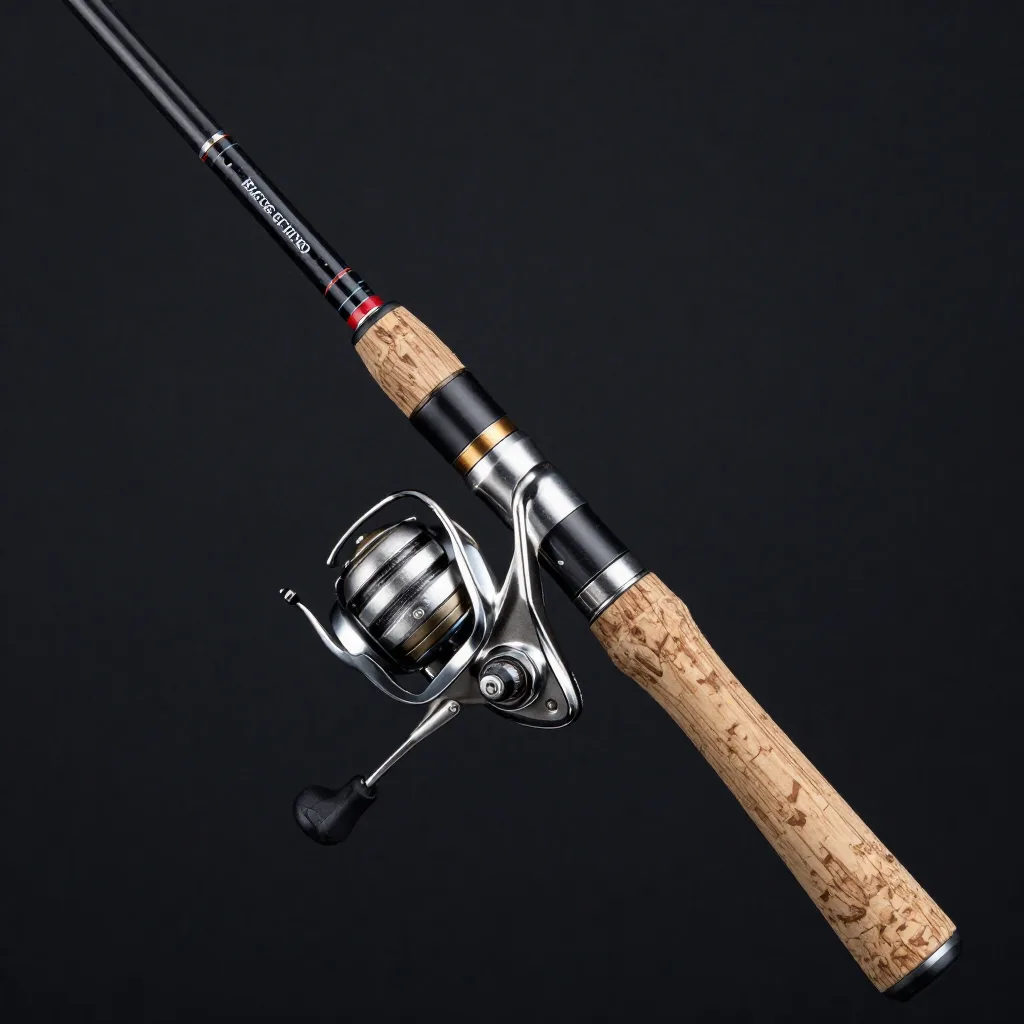
Saltwater fishing rods generally fall under three main categories: spinning, bait-casting, trolling and jigging:
- Spinning Rods: Versatile inshore and light offshore applications
- Bait-Casting Rods: Precise casting around structure, heavy cover fishing
- Trolling Rods: Heavy offshore trolling for large pelagic species
- Jigging Rods: Vertical jigging for deep-water species
Each category serves specific techniques and target species. Offshore trolling rods feature shorter lengths (5.5-7 feet) with heavy power ratings for battling trophy fish. Inshore spinning rods measure 7-9 feet, providing casting distance for sight fishing flats and backwater areas.
Freshwater Rod Categories
Freshwater fishing rods generally fall into the following categories: spinning, baitcasting, closed-faced spincasting, transportable telescopic, and ultra-light:
- Spinning Rods: Most versatile category for varied techniques
- Baitcasting Rods: Accuracy and power for bass and larger species
- Spincasting Rods: Beginner-friendly closed-face reel systems
- Telescopic Rods: Portable travel rods
- Ultra-Light Rods: Panfish, trout, small species specialization
For ice fishing applications, explore our ice fishing for beginners guide covering specialized cold-weather rod selections.
Can You Use Saltwater Rods in Freshwater (and Vice Versa)?
Using Saltwater Rods in Freshwater
Yes, you can definitely use a saltwater rod in freshwater without any problems. Saltwater rods can be used in freshwater fishing, and in fact, many anglers prefer saltwater rods for their strength and durability, especially when targeting larger freshwater species.
Several reasons support using saltwater rods in freshwater environments:
Versatility: Saltwater rods are designed to handle tough conditions, strong currents, and aggressive fish. This makes them perfectly capable of handling the relatively milder conditions of freshwater fishing. Whether you’re casting for bass or trout in freshwater lakes, saltwater rods easily handle the job.
Strength and Power: The robust construction of saltwater rods provides advantages when targeting trophy freshwater fish like pike, muskie, catfish, or large striped bass. The extra backbone helps control powerful runs and prevents break-offs.
Corrosion Resistance: While unnecessary in freshwater, the corrosion-resistant components don’t hinder performance and ensure long-lasting durability regardless of environment.
Using Freshwater Rods in Saltwater
Light tackle saltwater rods can be used in freshwater, but you would not want to use a freshwater rod in a saltwater environment because freshwater rods and fishing gear may not be made with the corrosion-resistant guides or components that saltwater rods are.
While you can use a freshwater rod in saltwater, it is not recommended for long-term use. The components are not designed to resist corrosion, which can lead to premature wear and damage. Freshwater rods and reels should be used in freshwater only if you wish to extend their lifespan.
Freshwater rods and reels are cheaper to buy, less heavy to carry around, and easier to find great selection of in stores. However, they aren’t built to withstand the tough job of saltwater fishing. They’ll typically need replacement when used for saltwater fishing at least three times as soon as a saltwater rod needs replacement.
Versatile Rod Recommendations
Medium Power Saltwater Rods
If you want a versatile rod that can be used when fishing inshore saltwater spots as well as freshwater bass fishing holes, you might opt for a medium power saltwater rod rated for line weights between 8-17 pounds. These rods provide enough backbone for inshore saltwater species like redfish, speckled trout, and flounder while remaining sensitive enough for freshwater bass and walleye.
All-Water Rod Designs
Some manufacturers produce “all-water” rods specifically designed for both environments. These rods feature corrosion-resistant components suitable for saltwater while maintaining sensitivity and action characteristics favoring freshwater applications. All-water rods prove ideal for anglers who regularly fish both environments and prefer carrying single versatile outfits.
For those who fish both environments, consider investing in versatile rods that can handle both circumstances. This approach saves money, reduces equipment clutter, and ensures you’re always properly equipped regardless of fishing location.
Maintenance Tips for Extending Rod Life
Freshwater Rod Maintenance
Proper maintenance extends freshwater rod lifespan:
- Clean After Each Use: Rinse rods with fresh water after every fishing trip to remove dirt, grime, and debris
- Inspect Guides and Reel Seats: Regularly check for signs of wear or damage affecting performance
- Store Properly: Keep rods in protective cases to avoid accidental damage during transport and storage
Saltwater Rod Maintenance
Saltwater rods require more intensive maintenance due to corrosive exposure:
- Rinse Thoroughly: After each saltwater trip, rinse rods and reels with fresh water to remove salt and prevent corrosion
- Dry Completely: Make sure to dry all components thoroughly before storing to prevent rust and damage
- Lubricate Moving Parts: Use appropriate oils and grease to maintain functionality of reel components, while avoiding materials that attract dirt
- Inspect for Corrosion: Regularly examine guides, reel seats, and connections for early corrosion signs
Regular maintenance isn’t just about cleanliness—it’s about prolonging the life of your investment in fishing gear. A little care goes a long way in ensuring rods remain in optimal condition for many adventures to come. For comprehensive equipment care, review our fishing journal guide documenting maintenance schedules.
Price and Value Considerations
Budget-Friendly Options
Freshwater rods generally cost less than comparable saltwater rods due to simpler construction and fewer specialized materials. Entry-level freshwater spinning combos start around $30-50, while quality freshwater rods range from $60-150. Saltwater rods typically start at $70-100 for entry-level options, with quality models ranging $150-400.
Investment Protection
Using appropriate rod types for intended environments protects your investment. Freshwater rods used in saltwater require replacement three times as frequently as properly maintained saltwater rods. While saltwater rods cost more initially, their durability in both environments provides better long-term value for anglers fishing diverse waters.
Frequently Asked Questions About Saltwater vs Freshwater Rods
What’s the main difference between saltwater and freshwater fishing rods?
The main differences involve construction materials and corrosion resistance. Saltwater rods use corrosion-resistant materials like titanium, stainless steel, and treated components that withstand harsh marine environments. Freshwater rods use standard aluminum oxide guides and lighter materials since corrosion isn’t a concern. Saltwater rods are generally heavier, longer, and more powerful to handle larger fish, while freshwater rods prioritize sensitivity and lighter weight.
Can I use a saltwater rod in freshwater?
Yes, you can definitely use saltwater rods in freshwater without any problems. Many anglers prefer saltwater rods for their strength and durability, especially when targeting larger freshwater species like pike, muskie, or trophy bass. The corrosion-resistant components don’t hinder performance in freshwater. If you already have a saltwater rod and want to try freshwater fishing, there’s no need to invest in a separate rod.
Can I use a freshwater rod in saltwater?
While you can use freshwater rods in saltwater, it’s not recommended for long-term use. Freshwater rod components aren’t designed to resist corrosion, leading to premature wear and damage. Freshwater rods used for saltwater fishing typically need replacement at least three times as soon as saltwater rods need replacement. Light tackle saltwater rods work in freshwater, but freshwater rods lack corrosion-resistant guides and components needed for saltwater.
What rod power and action should I choose?
For freshwater bass and panfish, choose medium-light power rods with moderate to fast action allowing better bite sensitivity. For saltwater species, heavy power rods with fast action provide necessary strength for aggressive fish and larger lures. If you want versatility for both environments, opt for medium power saltwater rods rated for 8-17 pound line. Match rod selection to fishing style and target species.
How do I maintain saltwater rods to prevent corrosion?
Rinse saltwater rods thoroughly with fresh water after each trip to remove salt. Dry all components completely before storing to prevent rust. Lubricate moving parts with appropriate oils and grease. Regularly inspect guides, reel seats, and connections for early corrosion signs. Proper maintenance extends rod life significantly. For maintenance tracking, keep detailed fishing journals.
Conclusion
Understanding the differences between saltwater vs freshwater fishing rods proves essential for making informed purchasing decisions that match your angling environments and target species. Saltwater rods feature corrosion-resistant materials, heavier construction, and powerful actions designed for marine environments and large fish, while freshwater rods prioritize sensitivity, lighter weight, and versatility for inland fishing.
You can use saltwater rods in freshwater without problems, but avoid using freshwater rods in saltwater due to rapid corrosion and component failure. For versatile options serving both environments, consider medium power saltwater rods rated for 8-17 pound line or specialized all-water designs. Proper maintenance including thorough rinsing, complete drying, and regular inspection extends rod life regardless of type.
Whether pursuing fall freshwater fishing, targeting grass carp, or exploring ice fishing adventures, selecting appropriate rod types ensures success and equipment longevity.
1 thought on “Saltwater vs Freshwater Fishing Rods: What to Know Before You Buy 2026”