

Salmon Recipe with Veggies and Feta: Your New Favorite Make-Ahead Fish Recipe for Dinner Parties
Let’s be honest—hosting a dinner party can feel like orchestrating a small-scale Broadway production. You want to impress your guests, enjoy their company, and somehow avoid spending the entire evening sweating over a hot stove while everyone else laughs in the living room. That’s where make-ahead fish recipes for dinner party magic comes in, and this Mediterranean salmon is about to become your secret weapon.
I’ve watched too many home cooks stress themselves into oblivion trying to nail complicated fish dishes minutes before guests arrive. Meanwhile, their fish is overcooked, their veggies are mushy, and they’ve missed the entire cocktail hour. This recipe changes that game completely. With bright Mediterranean flavors, vibrant colors, and a preparation method that lets you do most of the work ahead of time, you’ll actually get to enjoy your own party. Plus, salmon is universally loved—even your friend who claims they “don’t really like fish” will probably ask for seconds.
The beauty of Mediterranean cuisine lies in its simplicity. Fresh ingredients, bold flavors, and techniques that don’t require culinary school. This dish combines tender salmon fillets with roasted bell peppers, mushrooms, cherry tomatoes, and creamy feta cheese, all infused with garlic, lemon, and herbs. It’s the kind of meal that looks like you hired a private chef but actually took you less time than scrolling through social media.
Best Product in Amazon :
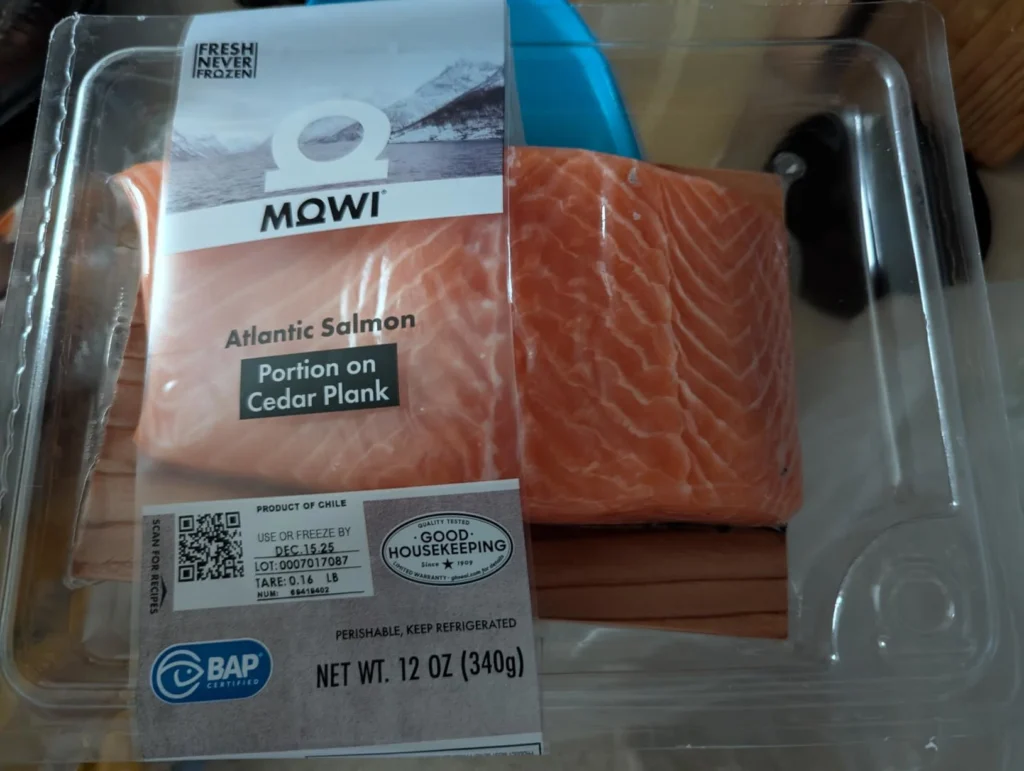
MOWI Atlantic Salmon 12oz, 2 Portions, Fresh Never Frozen
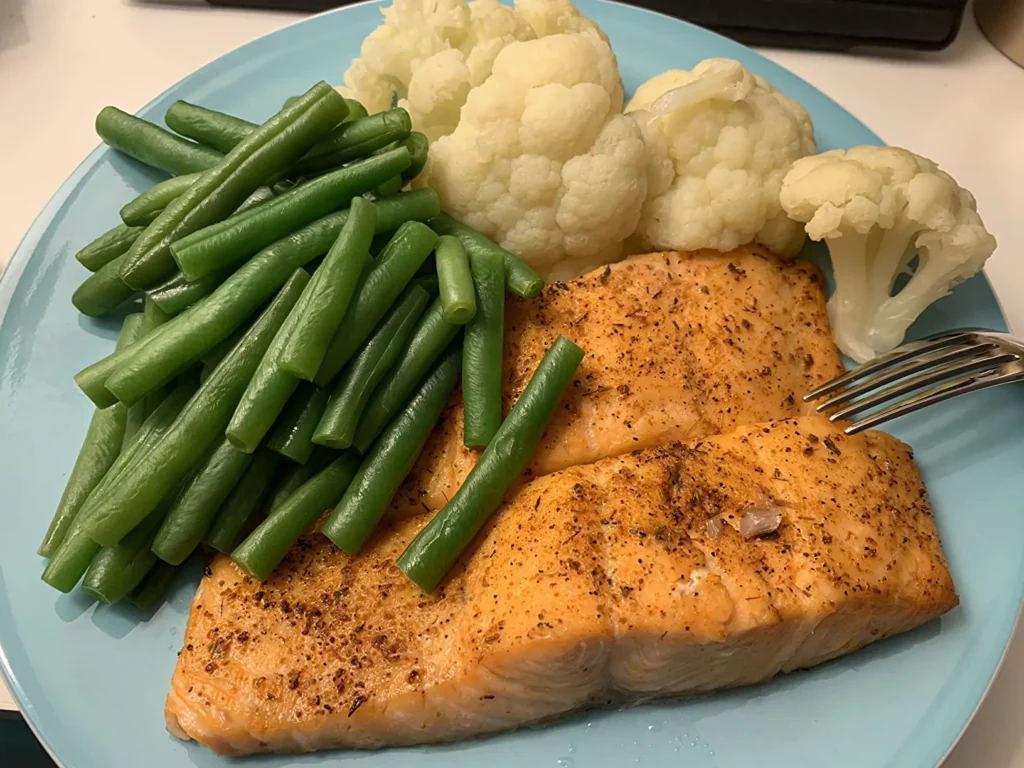
Why You’ll Love These Make-Ahead Fish Recipes for Dinner Party Success
This Mediterranean salmon checks every box for best fish dishes for dinner party considerations. First, it’s a complete one-pan meal—protein, vegetables, and enough visual appeal to make your Instagram followers jealous. Second, you can prep everything hours ahead, refrigerate it, and slide it into the oven 20 minutes before you want to eat. No last-minute panic, no forgotten ingredients, no burnt offerings to the dinner party gods.
The flavor profile hits that sweet spot between impressive and approachable. Mediterranean cuisine naturally elevates simple ingredients without pretension. Your guests will taste the bright lemon, aromatic oregano, and salty feta, thinking you’ve been cooking all day when really you’ve been enjoying wine and conversation. This is exactly the kind of simple fish main course dinner party solution that makes hosting feel less like work and more like fun.
Salmon also brings practical advantages beyond taste. It’s rich in omega-3 fatty acids, cooks quickly and evenly, and pairs beautifully with countless flavors. Unlike delicate white fish that falls apart if you look at it wrong, salmon holds its structure on a sheet pan surrounded by vegetables. You can serve it to eight people without worrying whether everyone’s piece will make it from pan to plate intact.
The versatility of this recipe means you can adapt it to whatever’s fresh at your market or hiding in your refrigerator. Found beautiful zucchini? Throw it in. Have extra asparagus? Perfect. This flexibility is exactly what busy hosts need—a reliable framework that accommodates real-life cooking situations rather than demanding a trip to three specialty stores for obscure ingredients.
Ingredients and Substitutions
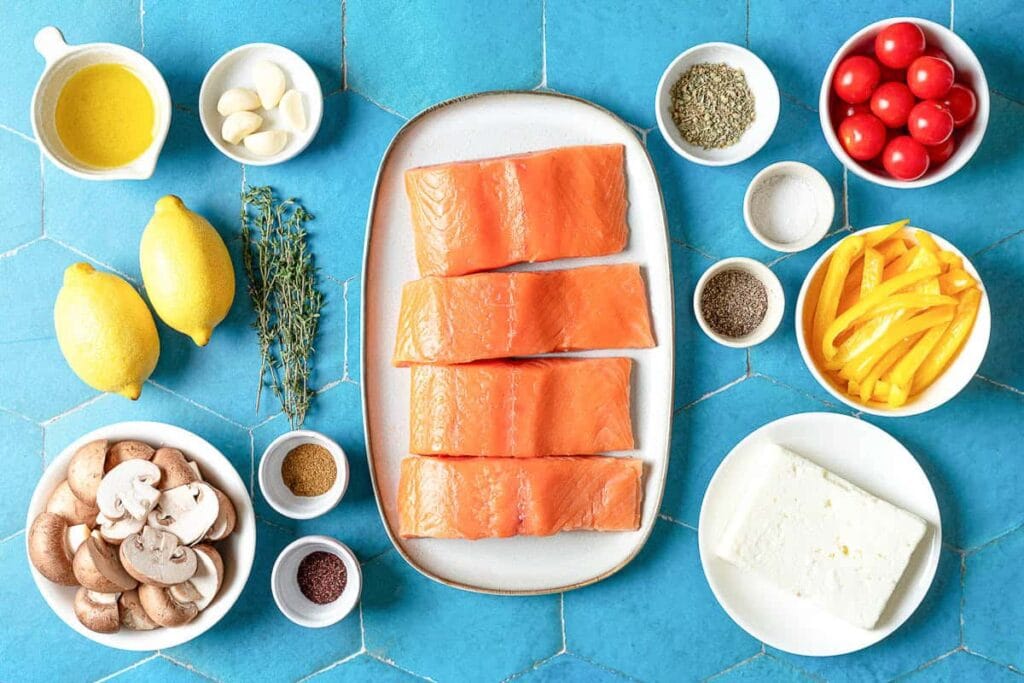
The ingredient list for this Mediterranean salmon reads like a greatest-hits compilation of healthy, flavorful foods. You’ll need salmon fillets (obviously), bell peppers in whatever colors make you happy, cremini or button mushrooms, cherry tomatoes, red onion, garlic, crumbled feta cheese, olive oil, lemon juice, and dried oregano. Fresh parsley makes a lovely garnish, but let’s be real—if you forget it, nobody’s sending their dish back to the kitchen.
Salmon substitutions: While this recipe shines with salmon, you can absolutely use other fish if your guests have preferences or allergies. Arctic char works beautifully and tastes remarkably similar. Thick cod fillets or halibut fillets adapt well, though you might need to adjust cooking time slightly. For a more budget-friendly option, use large trout fillets. The Mediterranean treatment makes any quality fish taste spectacular.
When selecting your salmon, look for fillets that are firm to the touch, with vibrant color and no fishy smell. Fresh salmon should smell like the ocean—clean and briny. If you’re buying skin-on fillets, check that the skin is shiny and intact. Portions between 6-8 ounces per person work well for a main course, though appetites vary and it’s always better to have leftovers than hungry guests.
Vegetable flexibility: The vegetables here are more guidelines than rules. Don’t like mushrooms? Use zucchini coins or eggplant cubes instead. Bell peppers too expensive this week? Cherry tomatoes and asparagus make an excellent combination. Swap red onion for shallots if you prefer something milder. The key is maintaining that colorful, roasted vegetable medley that makes the dish visually stunning.
Consider seasonal availability when planning your vegetable selection. Summer brings gorgeous heirloom tomatoes that need nothing more than good olive oil and salt. Fall offers butternut squash cubes that caramelize beautifully alongside salmon. Winter root vegetables like carrots and parsnips add earthy sweetness. Spring asparagus and sugar snap peas bring fresh brightness. Each season offers its own delicious possibilities.
Cheese alternatives: Feta brings that signature tangy, salty punch, but goat cheese works wonderfully if you want something creamier. Greek Mizithra or even shaved Parmesan can substitute in a pinch. For dairy-free guests, simply omit the cheese and add extra olives for brininess, or use a plant-based feta alternative—several brands now make convincing versions.
Quality matters significantly with feta. Greek or Bulgarian feta packed in brine offers superior flavor and texture compared to pre-crumbled varieties. The extra minute spent crumbling it yourself pays dividends in taste. If you can find sheep’s milk feta, grab it—the rich, tangy flavor elevates the entire dish.
Herbs and seasonings: Dried oregano is traditional and convenient, but fresh oregano, thyme, or a combination of Mediterranean herbs all work. Za’atar seasoning adds an exciting twist if you want to venture slightly off-script. The lemon is non-negotiable though—that bright citrus cuts through the richness of salmon and brings the whole dish together.
Don’t underestimate the power of good salt. Flaky sea salt sprinkled over the finished dish adds textural interest and bright salinity that table salt can’t match. Similarly, freshly cracked black pepper tastes worlds better than pre-ground. These small details separate good cooking from great cooking.
How to Make This Mediterranean Salmon Recipe
The preparation process for this simple make ahead fish recipes for dinner party centerpiece is refreshingly straightforward. Preheat your oven to 400°F (200°C) and line a large sheet pan with parchment paper or lightly oil it. This isn’t just for easy cleanup—it also prevents sticking and makes serving infinitely easier when you’re trying to look composed in front of guests.
Choose a heavy-duty sheet pan that won’t warp in high heat. A flimsy pan creates hot spots that cook unevenly, potentially leaving you with burnt vegetables and undercooked fish. If you’re investing in kitchen equipment, a good commercial-grade sheet pan ranks among the most valuable purchases you’ll make.
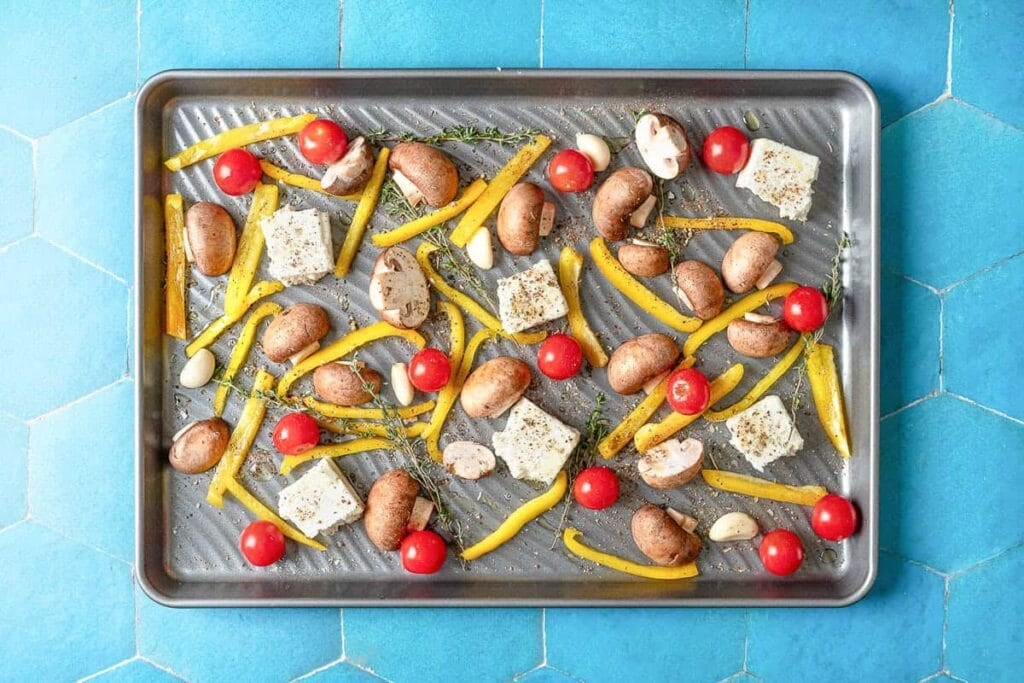
Vegetable prep: Slice your bell peppers into strips, halve the mushrooms if they’re large, keep cherry tomatoes whole, and slice the red onion into wedges. Mince your garlic—don’t be shy here, as garlic becomes sweet and mellow when roasted. Toss all the vegetables in a large bowl with olive oil, salt, pepper, and half your dried oregano. Spread them across your prepared sheet pan, creating little valleys where your salmon will nestle.
The key to perfectly roasted vegetables lies in consistent sizing. Cut everything into similar-sized pieces so they cook evenly. Tiny cherry tomatoes alongside massive pepper chunks means some vegetables will burn while others remain raw. Aim for uniformity, and your vegetables will all finish simultaneously, perfectly caramelized and tender.
Salmon preparation: Pat your salmon fillets dry with paper towels—this helps them develop a slightly crispy exterior rather than steaming. Place them skin-side down (if they have skin) among the vegetables. Drizzle the salmon with olive oil and lemon juice, then season with salt, pepper, and the remaining oregano. This is where the make-ahead magic happens: you can prep everything to this point, cover the pan tightly with plastic wrap, and refrigerate for up to 4 hours before cooking.
If you’re preparing this more than an hour ahead, consider keeping the lemon juice separate until just before cooking. Acidic lemon juice can begin “cooking” the salmon’s surface through chemical processes similar to ceviche preparation. While this won’t ruin your dish, it may affect texture slightly. A quick drizzle right before the oven maintains optimal results.
Roasting technique: When you’re ready to cook, remove the pan from the refrigerator and let it sit at room temperature for about 10 minutes while your oven finishes preheating. This ensures even cooking. Roast for 12-15 minutes, depending on your salmon thickness and preferred doneness. The salmon should be opaque and flake easily with a fork, while the vegetables develop some caramelized edges.
Resist the urge to fiddle with your food while it cooks. Opening the oven door repeatedly drops the temperature, extending cooking time and potentially drying out your salmon. Trust the process, set a timer, and only check once you’re approaching the minimum cooking time. Your patience will be rewarded with perfectly cooked fish.
Finishing touches: Remove the pan from the oven and immediately scatter crumbled feta over everything while it’s still hot. The residual heat will slightly soften the cheese without melting it completely. Add a final squeeze of fresh lemon juice and a handful of chopped parsley. Let it rest for 2-3 minutes before serving—this allows the juices to redistribute and gives you time to light those fancy candles you bought specifically for hosting.
The resting period isn’t optional—it’s crucial. Salmon continues cooking from residual heat even after leaving the oven. Cutting into it immediately releases precious juices onto the cutting board instead of keeping them inside the fish where they belong. Those few minutes of patience translate directly to moister, more flavorful salmon.
One memorable evening, I made this for a group of friends who claimed they preferred steak to fish. I watched nervously as they took their first bites, already mentally planning my backup pizza order. Instead, the table went quiet—that good kind of quiet where everyone’s too busy eating to talk. My friend Marcus, a self-proclaimed fish skeptic, literally photographed his plate before asking if I’d teach his wife the recipe. That’s the power of well-executed Mediterranean flavors meeting quality salmon.
What to Serve with Mediterranean Salmon
This dish already includes vegetables, but a few strategic sides can round out your top 10 fish dishes for dinner party menu and accommodate various appetites. The Mediterranean theme gives you plenty of delicious, make-ahead-friendly options that complement without competing.
Grain-based sides: A lemony couscous salad takes five minutes to prepare and can sit at room temperature without suffering. Orzo pasta tossed with olive oil, lemon zest, and fresh herbs provides a more substantial base. For something heartier, serve creamy polenta or a wild rice pilaf studded with pine nuts and dried cranberries. These can all be prepared earlier in the day and reheated or served at room temperature.
Couscous offers particular advantages for entertaining because it actually improves after sitting for an hour or two—the flavors meld and develop complexity. Make it in the morning, refrigerate it, then bring it to room temperature before serving. Your future self will thank your past self for this strategic planning.
Bread options: Crusty bread is mandatory in my house—you need something to soak up those flavorful pan juices. Warm pita bread, focaccia, or a rustic baguette all work beautifully. For extra points, make a quick garlic bread by brushing sliced bread with olive oil, garlic, and herbs, then toasting it while the salmon cooks. The aroma alone will have your guests practically running to the table.
Visit your local bakery the day of your party for the freshest bread possible. Most bakeries will even slice it for you if you ask nicely. Warm bread in a cloth-lined basket creates an inviting, restaurant-quality presentation that costs almost nothing but makes guests feel genuinely welcomed.
Fresh salads: A simple arugula salad with shaved Parmesan, lemon vinaigrette, and toasted walnuts provides peppery contrast to the rich salmon. Greek salad is an obvious but always-welcome choice. For something unexpected, try a fennel and orange salad—the anise notes and citrus brightness beautifully echo Mediterranean coastal cuisine.
Salad dressing should always be served on the side or tossed just before serving. Nothing saddens me more than a beautiful salad ruined by soggy, overdressed greens. Keep your greens crisp and your dressing separate until the last possible moment.
Appetizers and starters: Since your main course is largely hands-off, you can focus energy on impressive appetizers. Hummus with vegetables, marinated olives, stuffed grape leaves, or a mezze platter all set the Mediterranean tone. These can be purchased or prepared days ahead, reducing your day-of stress significantly.
Creating a beautiful mezze spread requires minimal cooking skill but maximum visual appeal. Arrange everything on a large wooden board with small bowls of various dips, fresh vegetables, olives, and crackers. Let guests graze while you finish final preparations—this keeps everyone happy and prevents that awkward waiting period while food finishes cooking.
Dessert considerations: After a fish-forward meal, keep dessert light and refreshing. Lemon olive oil cake, baklava, or fresh fruit with Greek yogurt and honey all provide sweetness without overwhelming. If you want something more indulgent, a chocolate mousse prepared the day before works perfectly—just remember to garnish with fresh berries and mint for visual appeal.
I’m partial to fruit-based desserts after seafood meals. The brightness and acidity cleanse the palate beautifully. A simple bowl of macerated berries with whipped cream satisfies sweet cravings without weighing everyone down. Your guests will appreciate leaving your table feeling pleasantly satisfied rather than uncomfortably stuffed.
Mediterranean Salmon FAQs
Can I use frozen salmon for this recipe?
Absolutely, just ensure it’s completely thawed and patted very dry before seasoning. Frozen salmon often retains more moisture, so extra drying time prevents steaming instead of roasting. The flavor and texture will be nearly identical to fresh salmon when properly prepared.Thaw frozen salmon in the refrigerator overnight for best results. Never thaw at room temperature, which creates ideal conditions for bacterial growth. If you’re short on time, seal the salmon in a plastic bag and submerge it in cold water, changing the water every 30 minutes until thawed. This method works faster while maintaining food safety.
How do I know when my salmon is perfectly cooked?
Aim for an internal temperature of 145°F (63°C) for fully cooked salmon, or 120-125°F (49-52°C) if you prefer it slightly translucent in the center. The fish should flake easily with a fork and appear opaque throughout. Remember it continues cooking slightly after removing from the oven, so err on the side of slightly underdone rather than dry and overcooked.
Investing in an instant-read thermometer ranks among the smartest kitchen purchases you’ll make. Stop guessing, start measuring, and never serve overcooked fish again. Insert the thermometer into the thickest part of the fillet, avoiding bones if present, for an accurate reading.
Can I make this dish completely ahead and reheat it?
Can I make this dish completely ahead and reheat it? While best served fresh from the oven, you can fully cook it up to 2 hours ahead and gently reheat at 300°F for 8-10 minutes. The vegetables will soften slightly more, but the flavors actually deepen as they meld. Just add the feta and fresh herbs after reheating for the best presentation and texture.
Reheating fish requires gentleness—high heat turns it rubbery and dry. Low and slow preserves moisture and texture. Cover loosely with foil to prevent surface drying while the interior warms through.
Is this recipe suitable for guests with dietary restrictions?
This naturally gluten-free, low-carb dish works for many dietary preferences. For dairy-free needs, omit feta or use alternatives. It’s already packed with vegetables for health-conscious guests. For pescatarian or Mediterranean diet followers, this hits perfectly. Just check with guests about seafood allergies beforehand.
Always ask about allergies and dietary restrictions when inviting guests. Better to know in advance than scramble for alternatives when someone arrives and can’t eat your carefully prepared meal. Most people appreciate hosts who ask—it shows thoughtfulness and care.
What wine pairs best with Mediterranean salmon?
A crisp white wine like Assyrtiko, Vermentino, or Sauvignon Blanc complements the lemon and feta beautifully. If your guests prefer red, a light Pinot Noir or even a chilled Beaujolais works surprisingly well with salmon. For non-drinkers, sparkling water with lemon or a rosemary-infused mocktail echoes the Mediterranean herbs nicely.
Wine pairing needn’t be intimidating—focus on matching weight and intensity rather than memorizing obscure rules. Light, bright dishes like this Mediterranean salmon call for light, bright wines. Rich, heavy dishes demand fuller-bodied options. Trust your palate and remember that personal preference always trumps prescribed pairings.
How can I add more Mediterranean authenticity to this dish?
How can I add more Mediterranean authenticity to this dish? Incorporate Kalamata olives, capers, or sun-dried tomatoes into the vegetable mix. A drizzle of tahini sauce or tzatziki on the side adds another flavor dimension. Fresh dill instead of parsley provides a more distinctly Greek profile. You could even add a handful of chickpeas to the vegetables for extra protein and texture.
Authenticity matters less than deliciousness. Mediterranean cuisine varies dramatically across regions—what’s traditional in Greece differs from Turkish or Moroccan preparations. Don’t stress about cultural purity. Instead, focus on the principles: fresh ingredients, bright flavors, generous olive oil, and lots of lemon. These elements create that recognizable Mediterranean character regardless of specific ingredient choices.
More Ways to Master Mediterranean Fish Dishes for Your Next Gathering
Once you’ve conquered this mediterranean fish dishes for dinner party centerpiece, you’ll likely want to expand your repertoire. The techniques and flavor principles you’ve learned here translate beautifully to other preparations, giving you a whole arsenal of impressive yet achievable seafood options.
Baked Lemon Garlic Salmon takes the simplicity concept even further. This version uses a buttery lemon-garlic sauce that pools around the salmon as it bakes, creating an intensely flavorful dish with minimal ingredients. It’s perfect for those nights when you want elegance without elaborate vegetable arrangements. The sauce also makes an excellent base for experimenting with additional herbs or a splash of white wine.
The beauty of building a repertoire lies in understanding basic techniques that apply across recipes. Master sheet pan roasting, and suddenly dozens of combinations become possible. Learn to make a simple pan sauce, and you’ve unlocked countless flavor variations. These foundational skills serve you far better than memorizing a hundred disconnected recipes.
Easy Greek Salmon incorporates classic Greek flavors like dill, lemon, and yogurt-based sauces. Some versions include a cucumber-yogurt topping that provides cooling contrast to the rich fish. This preparation works beautifully for summer dinner parties when you want something lighter and more refreshing than heavier Mediterranean roasts.
Greek cuisine celebrates simplicity and freshness. The best dishes often contain fewer than ten ingredients, allowing each component to shine. This philosophy should guide your cooking—when ingredients are high quality, they need minimal intervention. Trust the tomatoes to taste like tomatoes, the fish to taste like fish, and the olive oil to tie everything together.
Lemon Pepper Salmon strips things down to pure simplicity—just quality salmon, fresh lemon, and cracked black pepper. This minimalist approach highlights the fish itself and works wonderfully when you’ve found particularly beautiful, fresh salmon. It’s also the fastest option when you’re genuinely short on time but still want something special.
Sometimes the most impressive cooking involves knowing when to step back and let ingredients speak for themselves. Perfectly fresh fish needs nothing more than heat, salt, and maybe lemon. Resist the temptation to over-complicate dishes with unnecessary additions.
Mediterranean Salmon Kabobs transform these same flavors into a grillable format perfect for outdoor entertaining. Threading salmon chunks with vegetables onto skewers creates individual portions that look impressive and cook quickly. This format also works brilliantly for guests who prefer customizing their experience—everyone gets their own perfect portion.
Kabobs solve several entertaining challenges simultaneously. They’re portion-controlled, visually appealing, and interactive. Guests enjoy the playful presentation, and you’ll appreciate the simplified serving process. No carving, no plating complications—just grab a skewer and enjoy.
The fish main course fine dining aspirations many home cooks have become much more achievable when you understand a few fundamental principles. Mediterranean preparations succeed because they enhance rather than mask fish flavors. Quality ingredients need minimal intervention. And most importantly, confidence in your cooking techniques translates directly to your guests’ enjoyment.
Restaurant cooking often relies more on technique and timing than on secret ingredients or complicated preparations. The difference between amateur and professional cooking frequently comes down to organization, confidence, and understanding when things are properly cooked. Develop these skills, and your dinner parties will rival restaurant experiences.
When you’re planning your next gathering, remember that the best dinner parties aren’t about perfection—they’re about connection, laughter, and shared delicious food. This Mediterranean salmon gives you the tools to provide all three without sacrificing your sanity or your evening. You’ll spend less time stressed in the kitchen and more time actually enjoying the people you invited over in the first place.
I learned this lesson the hard way after years of exhausting myself trying to create magazine-worthy meals while ignoring the actual humans in my home. Now I prioritize dishes that let me be present with guests. This Mediterranean salmon epitomizes that philosophy—impressive enough to wow people, simple enough to not consume your entire day, and flexible enough to accommodate whatever life throws at you.
The true genius of make-ahead fish recipes lies not just in their convenience, but in how they free you to be a present, relaxed host. Your guests will remember the warm atmosphere, engaging conversation, and yes, that incredible salmon dish you somehow made look effortless. They probably won’t know you prepped it hours earlier while binge-watching your favorite show, and that’s perfectly fine. Some magic tricks are worth keeping to yourself.
Think about your favorite dinner party memories. Chances are they involve laughter, great conversation, and feeling genuinely welcomed—not necessarily the most elaborate meal you’ve ever eaten. Your job as a host centers on creating that welcoming atmosphere, and you can’t do that while frantically juggling ten different cooking tasks.
So gather your ingredients, prep your sheet pan, and get ready to host a dinner party that feels less like work and more like celebration. Your guests—and your stress levels—will thank you. And who knows? You might just convert a few fish skeptics along the way, creating new appreciation for how delicious seafood can be when prepared with care and Mediterranean wisdom.
The journey toward confident entertaining doesn’t happen overnight. Each successful dinner party builds your skills and confidence. Start with this forgiving, delicious Mediterranean salmon recipe, master it, then branch out to other preparations. Before long, you’ll be the friend everyone calls when they need entertaining advice—the one who makes hosting look easy and enjoyable rather than stressful and complicated. That’s a reputation worth building, one sheet pan dinner at a time.
1 thought on “Best Mediterranean Salmon Recipe for Dinner Party 2025”