

Anglers who fish through the ice represent one of the hardiest and most social groups in sportfishing, and nowhere does this community spirit shine more brightly than in thick-ice country where ice shanty culture showcases both comfort and fishing productivity. Ice shanties—also called shacks, huts, or bobhouses—transform frozen lakes into temporary winter villages where fishing tradition intersects with social camaraderie, creating unique cultural experiences found nowhere else in angling. These small semi-permanent structures dotting frozen surfaces protect anglers from brutal elements while fishing through holes in the ice, but they serve equally important roles as community gathering spaces where friendships form and traditions perpetuate.
The ice shanty culture represents far more than simple shelter provision—it embodies a distinct subculture within sportfishing that combines practicality with aesthetics, function with personality, and solitary pursuit with communal celebration. From the colorful customized shacks resembling miniature houses to elaborate structures equipped with heating, electricity, and modern amenities, ice shanties reflect individual creativity and community identity. Understanding this fascinating culture reveals why ice fishing transcends mere fish-catching to become defining winter traditions across northern latitudes.
Historical Roots of Ice Fishing and Shanty Traditions
Indigenous Origins: The roots of fishing through ice extend back millennia before modern reels and fishing line existed. North American indigenous peoples, particularly the Ojibwe in northwestern Ontario, developed sophisticated ice fishing techniques using tools likely crafted from bone or stone to chip holes through frozen lake surfaces. Spearfishing represented the primary method for catching fish lured to holes with wooden decoys or natural bait.
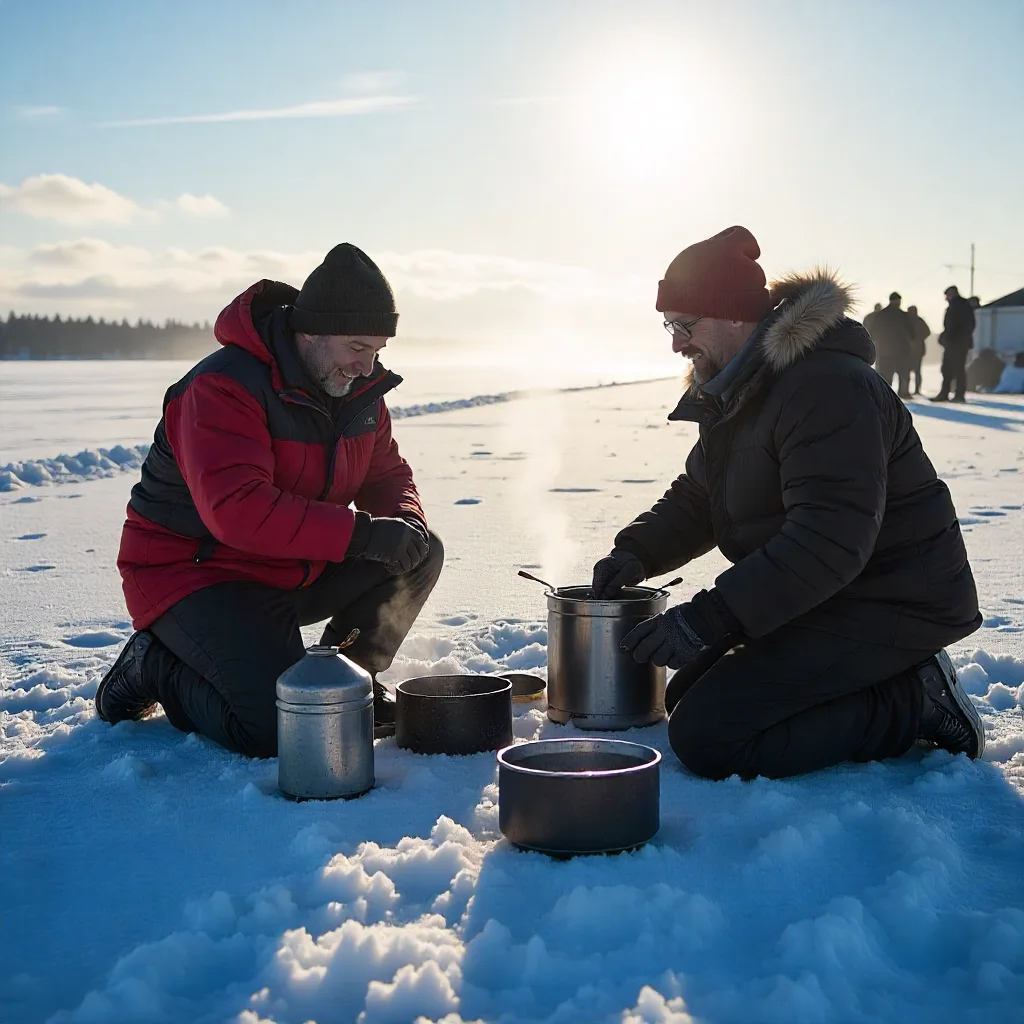
These early ice anglers employed primitive shelter systems remarkably similar to modern shanties in concept. They laid over holes using animal skins and blankets that kept them warm while simultaneously blocking light, allowing them to see clearly into water beneath. This light-blocking technique increased productivity by making fish visible and improving spearing accuracy. Shanties accomplish identical purposes today—making it easier to see into water while providing comfort and protection from elements.
Communal Fishing Traditions: Ice fishing functioned as communal activity where indigenous individuals and families cooperated and shared catches. This collaborative spirit established foundational cultural elements that persist in contemporary ice shanty communities. The tradition of ice fishing in these communities continues today, maintaining connections to ancestral practices while incorporating modern equipment and techniques.
Recreational Evolution: Ice fishing transformed into recreational pursuit during the late 1800s when fishing rods and reels were first mass-manufactured. William Clark patented the first ice auger in the United States in 1873, dramatically simplifying the task of penetrating thick ice. While these early tools appeared extremely primitive compared to modern equipment, they functioned effectively enough that people began fishing on ice during winter just as they fished from boats during summer. This recreational shift laid groundwork for ice shanty culture to flourish as fishing evolved from subsistence necessity to leisure activity.
Anatomy of Ice Shanty Culture
The Village Effect: The proliferation of shanties on lakes with ice thick enough to support numerous structures resulted in distinctive village effects—veritable ice fishing communities that create unique ice shanty culture. This phenomenon appears especially evident on large lakes where many people gather, particularly during weekends and fishing competitions. Vermont Folklife Associate Director Andrew Kolovos observes that “ice shanty towns that spring up on Vermont’s frozen lakes and ponds are markers of the temporary communities they harbor each winter”.
These temporary winter villages transform frozen landscapes into bustling neighborhoods complete with “streets” formed by plowed roads, clusters of neighboring shanties, and steady traffic of snowmobiles and vehicles. Saskatchewan’s Last Mountain Lake exemplifies this phenomenon, with ice shacks of all shapes and sizes scattered across frozen surfaces, representing popular winter getaways during holiday periods. The visual spectacle of colorful shanties dotting white ice creates iconic winter imagery that defines northern lake culture.
Social Dynamics: As a rule, ice anglers are hardy folks and inherently social, which fosters vibrant ice shanty culture. This social character extends beyond shanty villages to group fishing in places where ice doesn’t get thick enough to support permanent structures or vehicle access. Those fishing within these community environments interact with many others, much like tailgating at football games—convivial times are usually had by all, especially when weather and fish cooperate.
Mike Donovan, who has participated in New Brunswick’s Renforth ice fishing tradition for over four decades, emphasizes the social atmosphere: “I usually just sit in my lawn chair, and people come over to chat. You meet so many individuals from various places. It’s truly amazing”. This open, welcoming culture distinguishes ice fishing from other angling pursuits that can feel competitive or isolated. For family-oriented ice fishing experiences, explore our family ice fishing destinations guide.
Shanty Architecture: Function Meets Personality
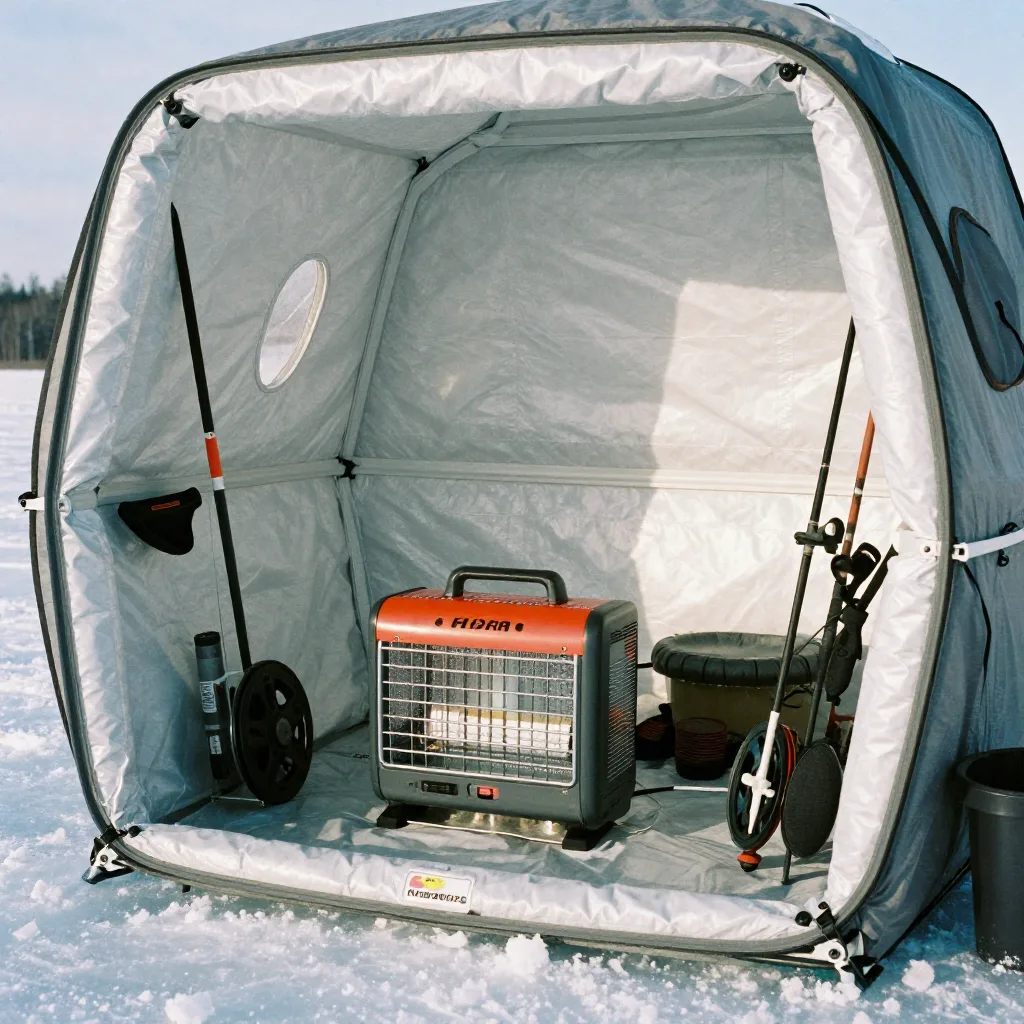
Structural Diversity: Ice shanties range from simple plywood boxes barely large enough for single anglers to elaborate multi-room structures accommodating entire families. Some anglers prefer minimalist pop-up tents offering basic wind protection while maintaining mobility. Others invest in permanent-style shanties resembling miniature houses, complete with windows, doors, insulation, and decorative exterior paint schemes.

The shanties become canvases for personal expression through creative paint jobs, unique architectural features, and customized interiors. Colorful, customized shacks have become integral parts of ice fishing culture in communities like Renforth, cherished by locals and fascinating to tourists from continents including Africa, Asia, and Europe. Vermont photographer’s ice shanty portraits reveal how these structures provide visual windows into material culture of ice fishing—each shanty reflecting owner personality, priorities, and aesthetic sensibilities.
Modern Amenities: Contemporary ice shanties often feature amenities approaching home comfort levels. Heating systems maintain comfortable interior temperatures even when outside conditions hover between -13°C and -21°C. Some rental operations equip shanties with televisions and underwater cameras enhancing fishing experiences. Brad Zarr of Ice Shack Rentals notes: “It’s been fantastic to just arrive and find everything ready. It’s so warm here”. Electricity, cooking facilities, and sleeping accommodations allow multi-day stays on frozen lakes.
Practical Considerations: Beyond comfort, shanties serve critical practical functions. They make seeing into water easier by blocking ambient light—essential for techniques like spearfishing and jigging where visual fish detection improves success. The darkness inside shanties allows anglers to observe fish movements beneath ice, increasing productivity substantially compared to fishing in bright daylight. For comprehensive equipment guidance including portable shelter options, review our ice fishing gear buying guide.
Economic and Tourism Dimensions
Rental Operations: Professional ice shanty rental operations have flourished in popular ice fishing regions, making the sport accessible to those without personal equipment. Ice Shack Rentals operates five units at Saskatchewan’s Regina Beach, including four day-use shacks and one overnight option. These operations provide everything needed—pre-drilled holes, rods, effective lures, brief demonstrations, and comfortable heated environments.
Rental services expand ice fishing participation by eliminating equipment barriers and setup requirements. “We take care of all the holes for you; we provide the rods and the lures that are effective here. We offer a brief demonstration, and then you’re all set for the day,” explains Brad Zarr. This turnkey approach attracts newcomers who might otherwise avoid ice fishing due to perceived complexity or equipment costs.
Tourism Attraction: Ice shanty villages attract tourists seeking authentic winter cultural experiences. Ste-Anne-de-la-Pérade, Quebec, has maintained ice fishing traditions for nearly 90 years after local resident Eugene Mailhot established the first ice fishing cabin in 1937. The village continues drawing visitors experiencing traditional ice fishing methods. Colorful shanty villages become photography destinations, with artists painting scenes annually and tourists capturing images of vibrant structures against white ice.
The economic impact extends to local communities through equipment sales, bait shop business, restaurant traffic, and lodging bookings. Popular destinations like Lake of the Woods build entire winter tourism economies around ice fishing culture.
Community Challenges and Environmental Stewardship
Maintenance and Cleanup Issues: The proliferation of ice shanties creates environmental and logistical challenges in some communities. Rothesay, New Brunswick, has grappled with abandoned shacks and litter left behind at season end each spring. Deputy Mayor Matt Alexander expressed disappointment: “It’s unfortunate that the town had to resort to this, but we’ve been attempting for years to collaborate with ice fishers to maintain the cleanliness of the property and the ice”.
Mike Donovan notes the situation has worsened with an estimated 50-100 shacks appearing on ice during winter months. Dedicated volunteers assist towns with cleanup efforts: “There’s a massive outflow of people, and they leave behind a lot of their belongings. Then a group of us comes down to tidy up everyone’s mess, taking truckloads of items to the dump”.
Balancing Tradition and Regulation: Some municipalities have implemented restrictions on traditional shanties, requiring formation of fishing associations to ensure area cleanliness. Rothesay officials remain open to reconsidering policies if fishing communities establish organizations working collaboratively: “We would definitely be willing to collaborate if an association could be formed that works with the town and all those involved”.
These challenges highlight tensions between preserving beloved traditions and maintaining environmental standards. Sustainable practices—removing all waste, properly disposing of petroleum products, and cleaning up at season end—ensure ice shanty culture continues for future generations. For comprehensive conservation guidance, review our sustainable ice fishing practices guide.
The Social Psychology of Ice Shanty Communities
Temporary Communities: Ice shanty villages function as temporary communities harboring distinct social structures each winter. These frozen neighborhoods develop informal social hierarchies, shared norms, and collective identities. Regular participants recognize familiar faces season after season, building relationships that span decades. The temporary nature creates urgency to maximize social interactions during limited ice fishing seasons.
Shared Experiences and Storytelling: Ice shanty culture thrives on shared experiences and storytelling traditions. Anglers gather to drink beverages, tell fish tales, and bond over common pursuits. These social interactions often matter as much as fishing success itself—creating memories and strengthening community bonds. The communal atmosphere helps newcomers feel welcomed, with experienced anglers readily sharing knowledge and techniques.
Family Traditions: Ice shanty culture perpetuates through multi-generational family traditions. Parents introduce children to ice fishing in comfortable shanty environments, creating positive first experiences that build lifelong passion. Grandparents, parents, and children fish together in heated shelters, bonding over shared winter adventures. These family traditions ensure ice shanty culture persists despite climate challenges and changing recreational preferences. For family ice fishing guidance, explore our ice fishing with kids tips.
Regional Variations in Ice Shanty Culture
Great Lakes Region: The Great Lakes states including Minnesota, Wisconsin, and Michigan maintain particularly vibrant ice shanty cultures due to extended ice seasons and thick ice supporting permanent structures. Lakes like Mille Lacs in Minnesota and Lake Winnebago in Wisconsin host thousands of shanties annually, creating sprawling winter cities. These regions feature elaborate shanties with full amenities and established shanty rental industries.
Canadian Traditions: Canadian ice fishing culture embraces shanties enthusiastically across provinces from Ontario to Saskatchewan. Quebec’s Ste-Anne-de-la-Pérade represents nearly 90 years of continuous ice fishing village tradition. Ontario’s northwestern lakes maintain cultural connections to indigenous ice fishing heritage while incorporating modern shanty amenities. Saskatchewan’s Last Mountain Lake exemplifies prairie ice fishing culture with diverse shanty styles scattered across vast frozen expanses.
New England Character: Vermont and other New England states feature distinctive ice shanty aesthetics documented through photographic projects showcasing structural diversity and owner personalities. Vermont Folklife’s ice shanty exhibitions demonstrate how these structures provide windows into personal, familial, and local ice fishing cultures. New England shanties often reflect regional architectural styles and maritime fishing heritage.
Climate Change Impacts on Ice Shanty Culture
Shorter Ice Seasons: Climate change threatens ice shanty culture through shortened ice seasons and reduced ice thickness reliability. Winters that were colder decades ago produced reliably thick ice for extended periods, supporting prominent shanty communities. Contemporary winters feature less predictable ice formation and earlier spring melts that compress fishing seasons.
Adaptation Strategies: Ice fishing communities adapt through increased use of portable shelters that require thinner ice and allow rapid deployment and removal. Pop-up tent popularity has surged as alternatives to traditional permanent shanties in regions experiencing ice reliability issues. Some anglers embrace minimalist approaches, fishing from lawn chairs during milder conditions while maintaining social atmosphere.
Preserving Traditions: Despite climate challenges, dedicated ice fishing communities work to preserve cherished shanty traditions. Cultural documentation projects, oral history collections, and photographic exhibitions ensure ice shanty heritage is recorded for future generations. These preservation efforts recognize ice shanty culture’s significance as unique North American winter tradition worthy of protection and celebration.
Frequently Asked Questions About Ice Shanty Culture
What is ice shanty culture?
Ice shanty culture represents the unique social community and traditions surrounding ice fishing structures (shanties, shacks, huts, bobhouses) that dot frozen lakes in thick-ice regions. These temporary winter villages create convivial environments where hardy, social anglers gather to fish, share stories, and build friendships—much like tailgating at football games. Ice shanty culture combines practical shelter provision with community identity, personal expression through customized structures, and multi-generational family traditions. The culture exemplifies how ice fishing transcends mere fish-catching to become defining winter tradition.
Why do ice anglers use shanties?
Ice shanties serve critical practical and social functions. They protect anglers from brutal winter elements including wind, snow, and extreme cold, allowing comfortable extended fishing sessions. Shanties block ambient light, making it easier to see into water beneath ice—essential for techniques like spearfishing and visual jigging. Modern shanties feature heating systems maintaining interior warmth even when outside temperatures reach -20°C. Beyond practicality, shanties create social gathering spaces fostering community interaction and shared experiences.
What amenities do modern ice shanties have?
Contemporary ice shanties often feature home-like amenities including heating systems, electricity, cooking facilities, sleeping accommodations, windows, insulation, and comfortable seating. Some rental operations equip shanties with televisions and underwater cameras enhancing fishing experiences. Elaborate permanent-style shanties resemble miniature houses with decorative paint, multiple rooms, and modern conveniences. Basic shanties provide simple wind and weather protection, while luxury models accommodate multi-day stays with full comfort. For portable shelter options, review our ice fishing equipment guide.
Are ice shanty rentals available for beginners?
Yes, professional ice shanty rental operations flourish in popular ice fishing regions, providing turnkey experiences perfect for beginners. Rental services include pre-drilled holes, fishing rods, effective lures, brief demonstrations, and heated comfortable environments. Ice Shack Rentals in Saskatchewan offers day-use and overnight options accommodating groups. These services eliminate equipment barriers and setup requirements, allowing newcomers to experience ice fishing without investments. Rental shanties make ice fishing accessible to those lacking personal equipment or experience.
How does climate change affect ice shanty culture?
Climate change threatens ice shanty culture through shortened ice seasons, reduced ice thickness reliability, and less predictable winter conditions. Decades ago, colder winters produced reliably thick ice supporting prominent shanty communities for extended periods. Contemporary winters compress fishing seasons and create ice safety uncertainties. Communities adapt by increasing portable shelter use, embracing minimalist approaches, and adjusting expectations. Despite challenges, dedicated anglers work preserving cherished traditions through cultural documentation and community stewardship.
Conclusion
Ice shanty culture exemplifies the unique social character of winter angling, transforming frozen lakes into temporary villages where fishing tradition intersects with community celebration. From indigenous origins using animal skins over holes to modern heated structures with full amenities, ice shanties have evolved while maintaining core purposes—providing comfort, improving fishing productivity, and fostering social interaction. These colorful structures dotting frozen surfaces represent more than fishing shelters; they embody personal expression, family traditions, and regional cultural identity.
The hardy, social nature of ice anglers creates welcoming communities where friendships form, stories are shared, and newcomers feel embraced. Whether fishing from elaborate permanent shanties or simple pop-up tents, participants contribute to vibrant winter culture unique to northern latitudes. Climate challenges threaten traditional ice shanty culture, making environmental stewardship and adaptive strategies critical for preserving these cherished winter traditions.
Whether exploring premier ice fishing destinations, learning beginner techniques, or planning family adventures, understanding ice shanty culture enriches appreciation for this distinctive winter angling tradition.