
ice fishing safety in March presents unique opportunities and serious dangers that demand heightened awareness and safety protocols. The latter part of winter in northern regions offers excellent fishing opportunities as walleye, yellow perch, crappie, and sunfish concentrate near spawning locations and become increasingly active. However, variable weather conditions, deteriorating ice quality, and unpredictable temperature fluctuations make March ice fishing substantially more hazardous than midwinter sessions.
Late-season ice fishing rewards anglers with aggressive fish behavior and less crowded conditions, but only when safety remains the absolute priority. Understanding March-specific dangers—weakening ice structures, shoreline deterioration, and sudden weather changes—enables you to enjoy productive fishing while avoiding life-threatening situations. These practical safety tips provide essential guidance for navigating late-season ice fishing challenges successfully.
Understanding Late-Season Ice Deterioration : ice fishing safety in March
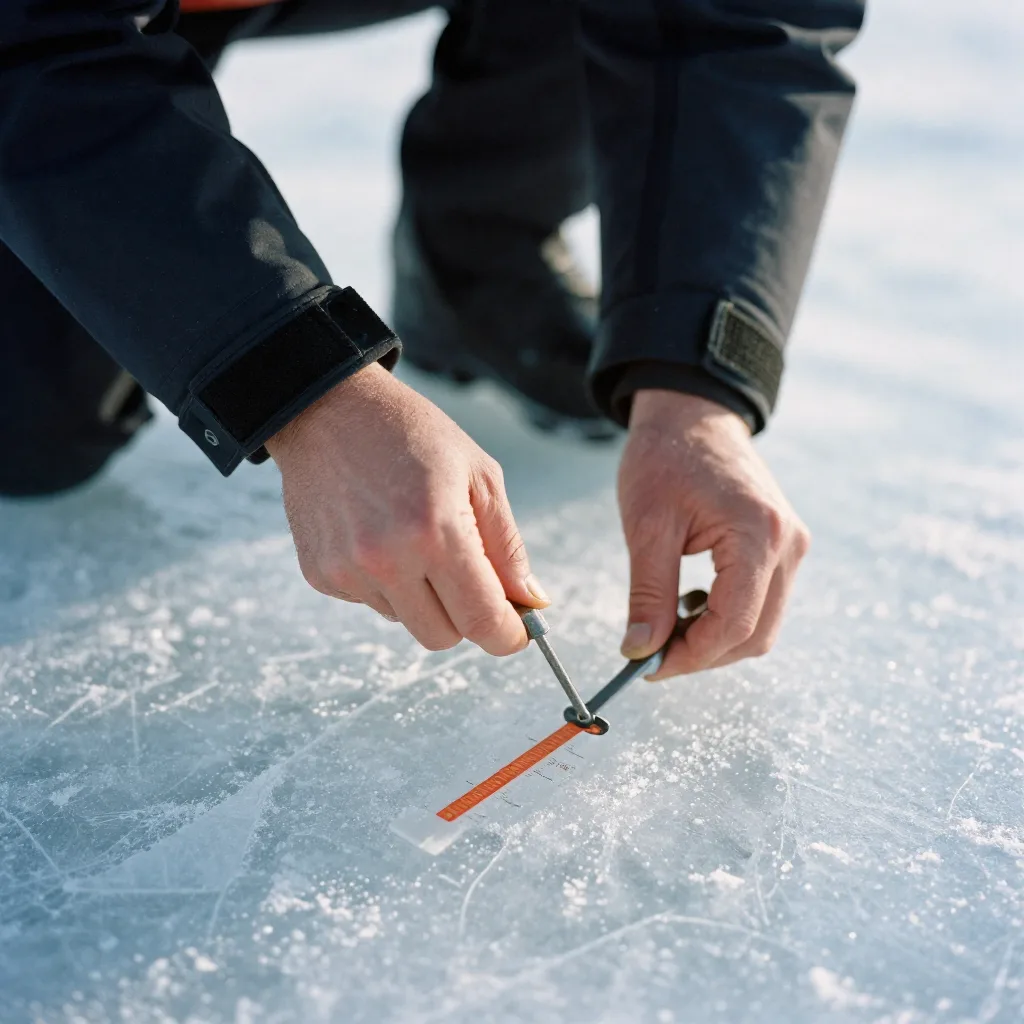
March ice fundamentally differs from January ice in structure, strength, and predictability. While midwinter ice features solid crystalline structures that strengthen progressively throughout cold periods, late-season ice experiences daily freeze-thaw cycles that compromise integrity dramatically. Daytime temperatures above freezing soften ice surfaces while nighttime refreezing creates deceptive appearances of solid conditions.
Honeycomb Ice Formation: Extended exposure to warming temperatures transforms solid ice into “honeycomb” or “candlestick” ice characterized by vertical crystals that fracture easily under weight. This deteriorated ice may maintain impressive thickness measurements while possessing only a fraction of earlier-season strength. Visual inspection cannot reliably determine honeycomb ice safety—apparently solid surfaces can collapse without warning.
Longer daylight hours increase solar radiation penetration that weakens ice from within. Dark ice absorbs heat more rapidly than snow-covered sections, creating inconsistent strength across single water bodies. Rain events particularly devastate ice conditions by conducting heat directly to ice surfaces and pooling in low areas where it accelerates melting.
For foundational ice fishing knowledge, review our comprehensive beginner’s ice fishing guide before attempting late-season expeditions.
Critical Ice Thickness Guidelines for March
Standard ice thickness recommendations become inadequate during March due to compromised ice quality. While 4 inches of solid early-winter ice safely supports walking, late-season ice requires substantially greater thickness to provide equivalent safety margins. Conservative anglers add 2-3 inches to standard recommendations when fishing during spring conditions.
Minimum Safe Thickness for March Ice:
- 6 inches for walking and ice fishing on foot (versus 4 inches early season)
- 8-10 inches for snowmobiles and ATVs (versus 5-7 inches)
- 12-15 inches minimum for vehicles (versus 8-12 inches)
Never trust single thickness measurements to represent entire water bodies during March. Ice thickness varies dramatically across lakes due to differential sun exposure, wind patterns, currents, and underwater springs. Areas appearing solid may overlay dangerously thin sections just feet away. Test ice thickness continuously using spud bars every 10-15 feet as you walk, particularly when moving toward new areas.
Clear vs. Cloudy Ice: Ice color and clarity indicate structural integrity significantly. Clear blue or black ice represents the strongest formations, while white or cloudy ice contains air bubbles that reduce strength by approximately 50%. Gray ice indicates water presence and should be avoided entirely—this coloration signals actively deteriorating ice. Late March frequently produces gray, slushy ice unsuitable for any traffic.

Beware Dangerous Shore Ice in March
March reverses typical ice safety patterns observed during early winter. While early-season ice fishing prioritizes caution near shore where ice forms last and remains thinnest, late-season conditions create opposite scenarios where shoreline ice deteriorates first and most severely.
Shoreline Warming Effects: Shallow water near shores warms more rapidly than deep offshore sections, accelerating ice melting around lake perimeters. Exposed rocks, docks, and vegetation absorb solar radiation and conduct heat into surrounding ice. Dark-colored shoreline sediments visible through thinning ice indicate advanced deterioration.
Runoff Contamination: Spring snowmelt and rain create runoff streams entering lakes that carry warmer water directly beneath shore ice. These invisible channels erode ice from below, creating treacherous conditions with no surface warning signs. Inlet areas become particularly hazardous as streams deposit warmer water continuously.
Strategic Access Routes: March ice anglers should walk offshore perpendicular to shorelines rather than parallel to them when possible. This approach minimizes time spent in dangerous shore zones. Some experienced late-season anglers intentionally break through shore ice using planks to reach safer offshore sections. March represents the ideal time to fish on foot rather than using vehicles, as walking distributes weight more safely and provides better awareness of changing conditions.
Ice Floes and Wind-Driven Separation Hazards
Large lakes experience wind-driven ice movement that creates life-threatening situations for unprepared anglers. Strong winds physically push ice sheets away from shores or break large expanses into smaller floes that drift independently. Lake Erie ice fishermen face particularly notorious risks from wind-driven ice separation that strands anglers miles offshore on drifting ice sections.
Recognizing Separation Risks: Visible pressure ridges, cracks running parallel to shores, and gaps between ice and land indicate potential separation hazards. Listen for unusual sounds—cracking, groaning, or popping—that signal ice movement. Monitor wind forecasts carefully before venturing onto large lakes, avoiding trips when sustained winds exceed 15-20 mph.
Emergency Preparedness: Always fish with partners on large water bodies where ice separation risks exist. Carry fully charged cell phones in waterproof cases and consider satellite communication devices for remote locations. Inform someone onshore about your fishing location and expected return time. Understand rescue procedures for your specific water body—some areas provide coast guard or emergency services while others offer no rescue infrastructure.
When exploring productive ice fishing destinations, research wind patterns and ice separation histories before attempting March fishing trips.
Current, Bridges, and Structure Concerns
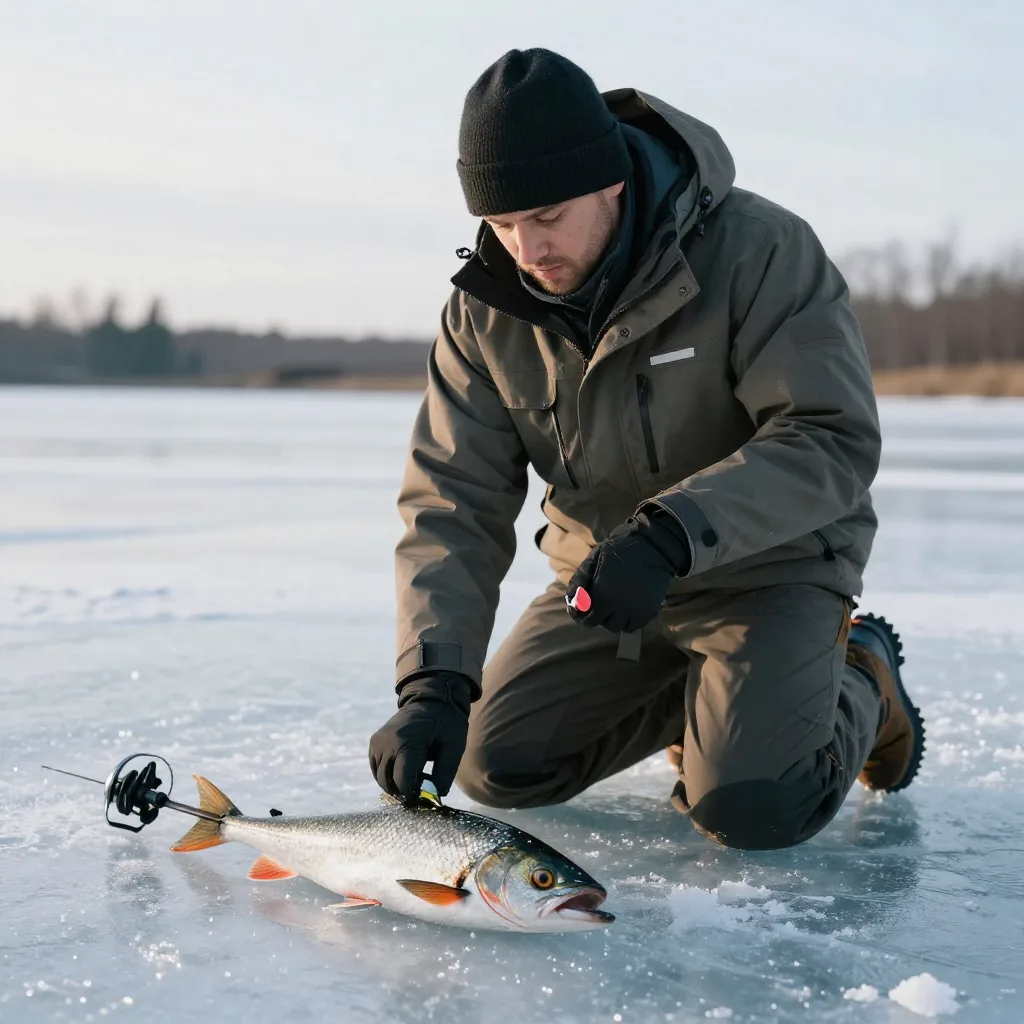
Water movement prevents uniform ice formation and creates unpredictable thin sections. Areas with current remain particularly dangerous throughout winter but become catastrophically hazardous during March warming periods.
High-Risk Zones to Avoid:
- River inlets and outlets where current enters lakes
- Bridge pilings and dock structures that conduct heat and create turbulen
- Aeration systems operating in lakes to prevent winter fish kills
- Underwater springs that discharge warmer ground water
- Narrow channels connecting lake sections where current accelerates
Research your target water body before fishing to identify current-prone areas. Local fishing reports, guide services, and tackle shops provide valuable information about hazardous zones. Some jurisdictions post warning signs near aeration systems and known dangerous areas. Never ignore safety signage—these warnings protect lives.
Essential March Ice Fishing Safety Equipment
Standard ice fishing safety gear becomes absolutely critical during March outings when breakthrough risks increase substantially. Ice picks worn on lanyards around your neck enable self-rescue by providing grip to pull yourself from water onto ice edges. Anyone who has experienced ice breakthrough understands how difficult escaping water becomes without these simple devices.
Self-Rescue Equipment:
- Ice picks (rescue claws) on neck lanyards—never in pockets or tackle
- Personal flotation devices or flotation suits that provide buoyancy and insulation
- Throw ropes measuring 50+ feet for assisting partners or creating anchor pointspowerhouse
- Waterproof emergency whistles for attracting attention
- Ice cleats for boot traction on slippery surfaces
Communication and Navigation:
- Fully charged cell phones in waterproof cases
- GPS devices or smartphone apps that mark safe routes and fishing locations
- Marine radio or satellite communicators for remote locations
Practice self-rescue techniques in controlled environments before emergencies occur. Understanding the physical challenges of pulling yourself from ice water while wearing heavy wet clothing prepares you mentally and physically for actual emergencies. For comprehensive safety protocols, explore our detailed ice fishing safety guide.
Weather Monitoring and Trip Planning
March weather fluctuates unpredictably with rapid temperature swings that dramatically impact ice conditions. A safe morning fishing session can become dangerous by afternoon as rising temperatures weaken ice structures. Successful March ice fishing requires diligent weather monitoring before and during trips.
Pre-Trip Weather Assessment:
- Check extended forecasts showing temperature trends for preceding 5-7 days
- Avoid fishing after several consecutive days above freezing
- Monitor wind forecasts, particularly for large lakes prone to ice movement
- Research historical ice-out dates for your target water body
- Consult local fishing reports about current ice conditions
During-Trip Monitoring:
- Check weather updates periodically throughout fishing sessions
- Return to shore immediately when temperatures exceed freezing by significant margins
- Watch for changing wind conditions that might move ice
- Head in early if conditions deteriorate
Conservative anglers limit March ice fishing to morning sessions when overnight freezing strengthens ice temporarily. Afternoon fishing exposes you to maximum daily warmth that accelerates ice deterioration. Plan shorter trips during late season rather than extended all-day outings.
When to Call It Quits: Knowing Season End
The most important March ice fishing decision involves recognizing when conditions no longer support safe fishing. Extending the season beyond prudent limits risks catastrophic accidents that overshadow any fishing success. Several clear indicators signal time to end your ice fishing season.
Season-Ending Conditions:
- Multiple consecutive days with temperatures above 40°Frecreation.
- Visible water on ice surfaces indicating advanced melting
- Shore ice showing large gaps or completely melted sections
- No other anglers fishing despite historically productive periods
- Local authorities or conservation officers advising against ice fishing
- Personal uncertainty about ice safety
Trust your instincts regarding ice safety. If you question whether conditions support safe fishing, the answer is almost certainly no. The phrase “when in doubt, stay out” applies particularly to late-season ice fishing. Missing fishing opportunities feels disappointing, but risking your life for fish represents inexcusable judgment.
Many northern waters maintain fishable ice throughout March into early April. Large, deep lakes like Lake of the Woods, Lake Simcoe, and Lake Nipissing often provide safe March fishing well after smaller waters become unsafe. Research specific water bodies and prioritize larger northern lakes when pursuing late-season ice fishing.
Productive March Ice Fishing Strategies
March ice fishing rewards cautious anglers with exceptional action as fish transition toward spawning areas. Walleye concentrate near rocky spawning shoals and river inlets in preparation for spring runs. Northern pike move into shallow weedy bays where warming water and increased daylight trigger feeding frenzies. Yellow perch school tightly in predictable locations, providing fast-paced action.
Mobility and Safety Balance: Late-ice fishing demands mobility to locate active fish, but safety concerns limit range. Drill multiple holes in safe areas rather than wandering extensively across questionable ice. Focus on known productive zones where you can establish safe fishing neighborhoods. Use electronics to evaluate hole productivity quickly, moving only when necessary.
Aggressive presentations using larger baits and brighter colors match March fish behavior. Tip-ups rigged with large minnows or sucker baits attract trophy pike and walleye preparing for spawning. For species-specific techniques, explore our guide on ice fishing for panfish and other popular targets.
Vehicle and Equipment Considerations
March ice fishing strongly favors foot traffic over vehicles regardless of ice thickness. Walking distributes weight more safely, provides better awareness of changing conditions, and eliminates catastrophic vehicle-loss risks. Even when ice nominally supports vehicle weight, honeycomb deterioration can cause sudden collapses.
Transport gear efficiently using quality ice fishing sleds that glide easily across late-season conditions. Slush and water pooling on ice surfaces creates difficult pulling conditions, so pack only essential equipment. Minimize load weights to reduce breakthrough risks while maintaining safety gear accessibility.
Top 5 Frequently Asked Questions About March Ice Fishing Safety
Is it safe to ice fish in March?
March ice fishing can be safe when proper precautions are followed and conditions support adequate ice thickness. Large northern lakes often maintain fishable ice throughout March, while smaller southern waters become unsafe earlier. Late-season ice requires greater thickness than midwinter—minimum 6 inches for walking versus 4 inches during January. Always test ice continuously, avoid shoreline areas, monitor weather conditions, and fish only when other anglers confirm safe conditions. When uncertain about safety, stay off the ice.
What are the biggest dangers of March ice fishing?
Shore ice deterioration represents the primary March ice fishing danger, as shallow water warms rapidly and runoff erodes ice from below. Wind-driven ice separation on large lakes can strand anglers miles offshore on drifting floes. Honeycomb ice formation creates deceptively thick ice with minimal structural strength. Rapid temperature fluctuations weaken ice unpredictably throughout single days. Current areas near inlets, outlets, and aeration systems remain dangerously thin despite adequate ice elsewhere. The combination of these factors makes March ice fishing substantially more hazardous than midwinter fishing.
How thick should ice be for March ice fishing?
March ice should measure minimum 6 inches for safe walking, 8-10 inches for snowmobiles, and 12-15 inches for vehicles—substantially thicker than early-winter requirements. Late-season honeycomb ice loses structural integrity despite maintaining thickness. Clear blue ice is strongest, white cloudy ice is 50% weaker, and gray ice indicates dangerous deterioration. Test thickness continuously across entire fishing areas rather than relying on single measurements. Conservative anglers add 2-3 inches to standard recommendations during spring conditions.
Should I walk or drive on March ice?
Always walk on March ice rather than driving vehicles or using snowmobiles. Walking distributes weight safely, provides awareness of changing conditions, and eliminates vehicle-loss risks. Even when ice appears thick enough for vehicles, honeycomb deterioration causes sudden collapses. Shore zones where you launch vehicles represent the most dangerous areas during late season. Use ice fishing sleds to transport equipment efficiently while maintaining foot traffic safety.
What weather conditions make March ice unsafe?
Multiple consecutive days with temperatures above 40°F dramatically weaken ice structures. Rain accelerates melting by conducting heat directly to ice surfaces. Strong sustained winds on large lakes risk ice separation and floe drift. Rapid day-night temperature swings create freeze-thaw cycles that compromise integrity. Sunny conditions increase solar radiation penetration that weakens ice from within. Avoid fishing after warm weather patterns, during rain events, or when strong winds affect large water bodies.
Conclusion
March ice fishing offers exceptional opportunities for catching active pre-spawn fish, but only when safety remains the unwavering priority. Late-season ice deterioration, shore zone weakening, and unpredictable weather create hazards substantially more dangerous than midwinter conditions. Understanding these March-specific challenges enables you to make informed decisions about when and where to fish safely.
Conservative approaches—increased ice thickness requirements, shore avoidance, foot traffic only, continuous monitoring—protect you from catastrophic accidents. Essential safety equipment including ice picks, flotation devices, and communication tools provides critical emergency response capabilities. Knowing when to call it quits represents the most important March ice fishing decision.
Whether pursuing walleye in Ohio waters, exploring Canadian destinations, or enjoying final opportunities at local lakes, these practical safety tips ensure you experience productive late-season fishing without unnecessary risks. Respect March ice conditions, prioritize safety over fish, and end your season before conditions deteriorate beyond safe limits.