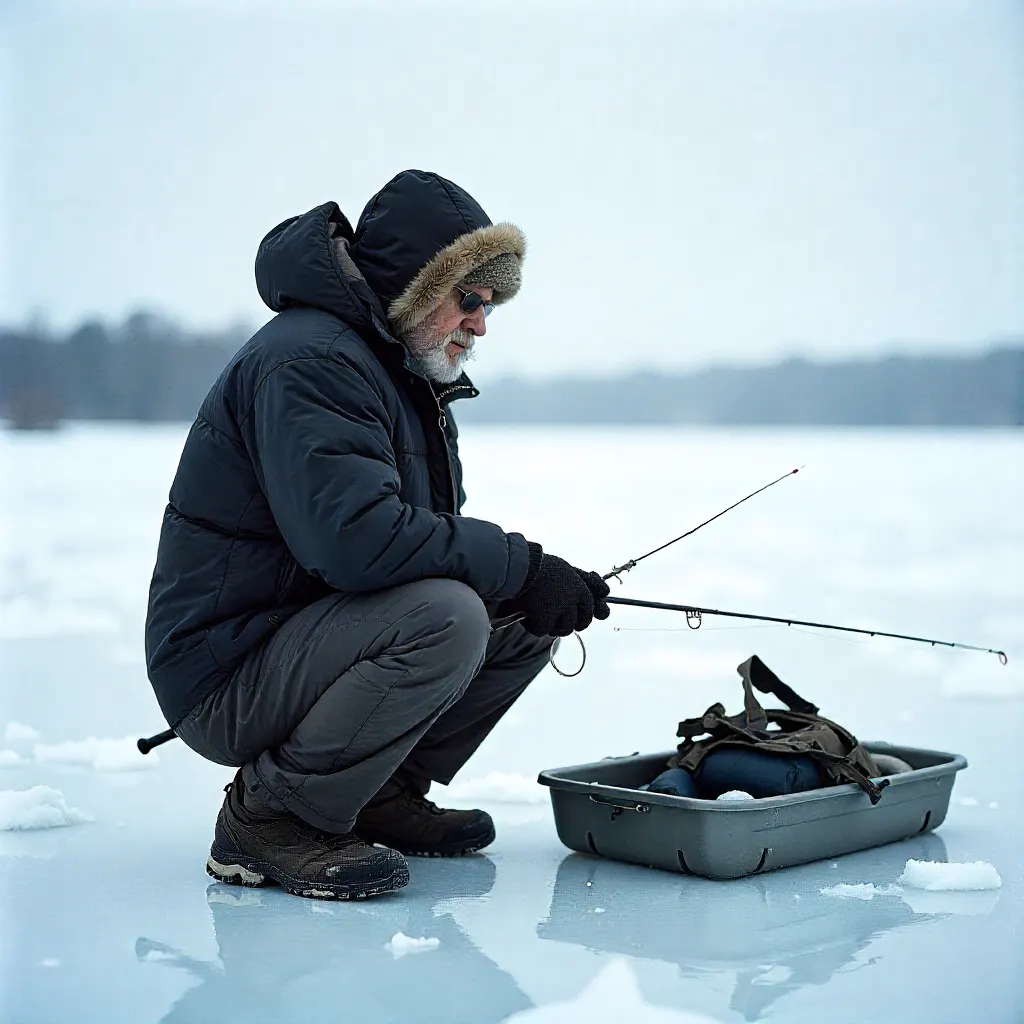
Ice fishing in Ohio offers exceptional opportunities to pursue walleye, yellow perch, bluegill, crappie, saugeye, and northern pike across hundreds of frozen lakes throughout the winter season. Northern Ohio lakes freeze first and maintain more consistent ice conditions compared to southern regions, making them prime destinations for hardwater anglers. From the legendary Lake Erie ice fishing experience to productive inland waters near major cities, Ohio provides diverse options for anglers of all skill levels seeking winter fishing adventures.
Safety and warmth remain the most critical factors when selecting your Ohio ice fishing destination. Monitor ice conditions frequently through local reports and consider hiring experienced guides if you’re new to ice fishing. Always ensure you possess a valid Ohio fishing license before venturing onto frozen waters, and familiarize yourself with ice fishing safety protocols to protect yourself and your family.
Lake Erie: Ohio’s Premier Ice Fishing Destination
Lake Erie stands as Ohio’s most popular ice fishing location, offering world-class opportunities for yellow perch and walleye during winter months. However, this Great Lake also presents the most unpredictable ice conditions due to constantly changing weather patterns, lake size, and wind-driven ice movement. Successful Lake Erie ice fishing requires specialized knowledge, proper safety equipment, and realistic expectations about fishable conditions.
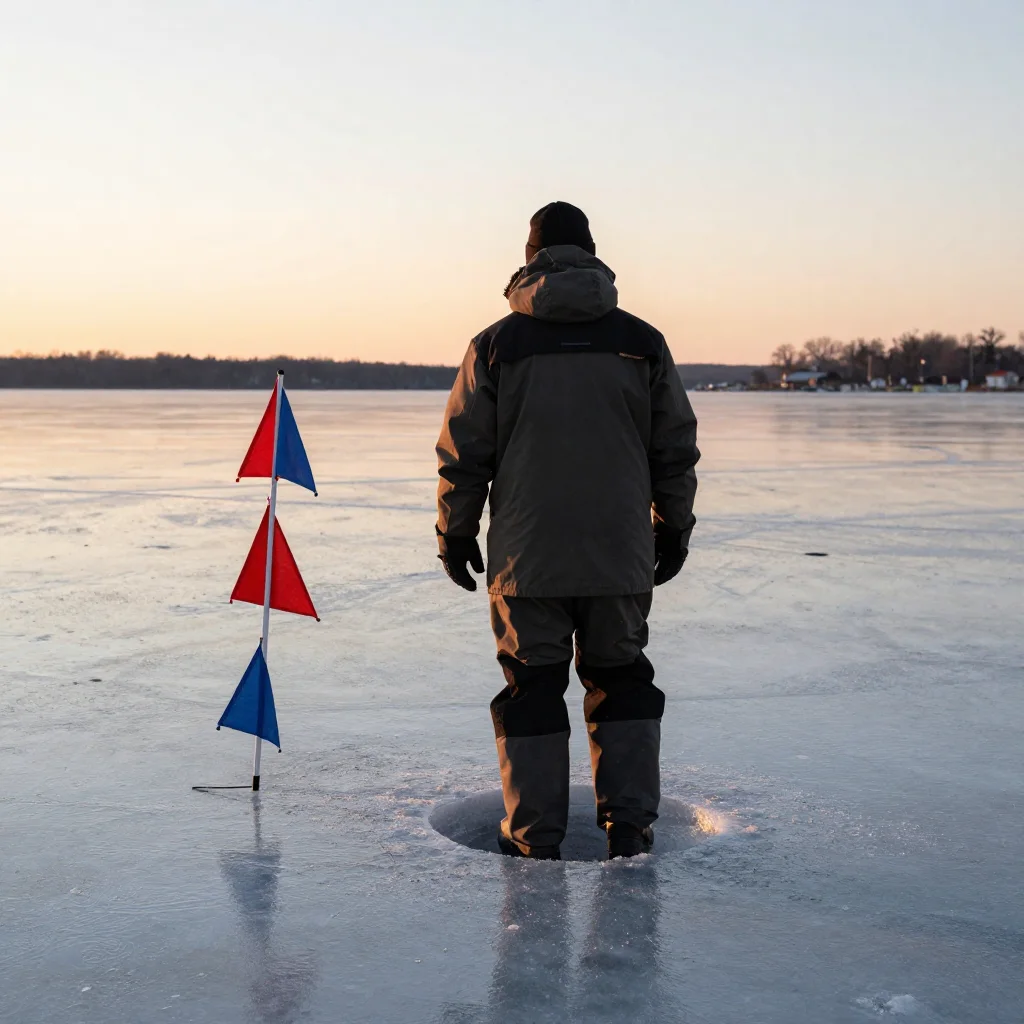
The 2026 ice fishing season on Lake Erie depends entirely on sustained cold temperatures creating safe ice thickness. When winter arrives properly, anglers enjoy extraordinary fishing action with abundant walleye and perch populations. However, mild winters like 2025 resulted in extremely limited mainland ice access, with fishable conditions lasting less than one week. Islands between Catawba and Middle Bass typically provide the most reliable ice fishing when mainland areas remain unsafe.
South Bass Island and Put-in-Bay represent prime Lake Erie ice fishing locations when conditions permit. Charter flights from Port Clinton transport anglers to island fishing grounds where heated shanties provide comfort during extended sessions. Knowledgeable guides monitor changing ice conditions continuously, transport clients safely, and position anglers over productive walleye and perch concentrations.
Ice Fishing Species and Techniques: Lake Erie walleye dominate winter fishing attention, with anglers targeting fish in 20-40 feet of water during midday and shallower zones during morning and evening periods. Jigging minnows and rattle baits produce consistent strikes when presented near bottom. Yellow perch travel in schools, requiring anglers to remain mobile and drill multiple holes to locate feeding frenzies. When one perch bites, the entire school typically follows, filling buckets rapidly.
Marblehead and Catawba access points provide mainland ice fishing opportunities during extended cold periods. East Harbor State Park frequently develops fishable ice earlier than open lake areas, offering protected waters for perch and crappie. Always verify ice thickness exceeds 4 inches before venturing onto Lake Erie, and use ice cleats, safety picks, and rope for emergency situations.
Portage Lakes: Akron’s Ice Fishing Network
The Portage Lakes network near Akron delivers consistent ice fishing action across five interconnected reservoirs totaling 1,600 acres. East Reservoir, Turkeyfoot Lake, Long Lake, North Reservoir, and West Reservoir each offer unique characteristics and productive fishing for yellow perch, bluegill, and crappie. The variety of fishing areas combined with numerous public access points makes Portage Lakes ideal for weekend ice fishing trips or extended winter vacations.
Multiple access locations allow anglers to explore different sections each day, experimenting with various depths and structures to locate active fish. Portage Lakes State Park provides designated access points, parking facilities, and information about current ice conditions. The proximity of all five water bodies means anglers can relocate quickly when one area produces slowly.
Target Species and Tactics: Bluegill concentrate near remaining vegetation in 4-8 feet of water during early ice. Small tungsten jigs tipped with waxworms or spikes produce consistent action when fished near bottom. Crappie suspend throughout the water column, requiring anglers to experiment with depths using small minnows or tube jigs. Yellow perch roam across flats and basin areas, with schools moving throughout the day.
Winter activities extend beyond fishing at Portage Lakes, with ice skating, snowmobiling on frozen lake surfaces, and cross-country skiing on park trails. This diversity makes Portage Lakes excellent destinations for families seeking varied winter recreation. For comprehensive family ice fishing guidance, explore our ice fishing with kids guide.
Piedmont Lake: Eastern Ohio’s Scenic Ice Fishing Haven
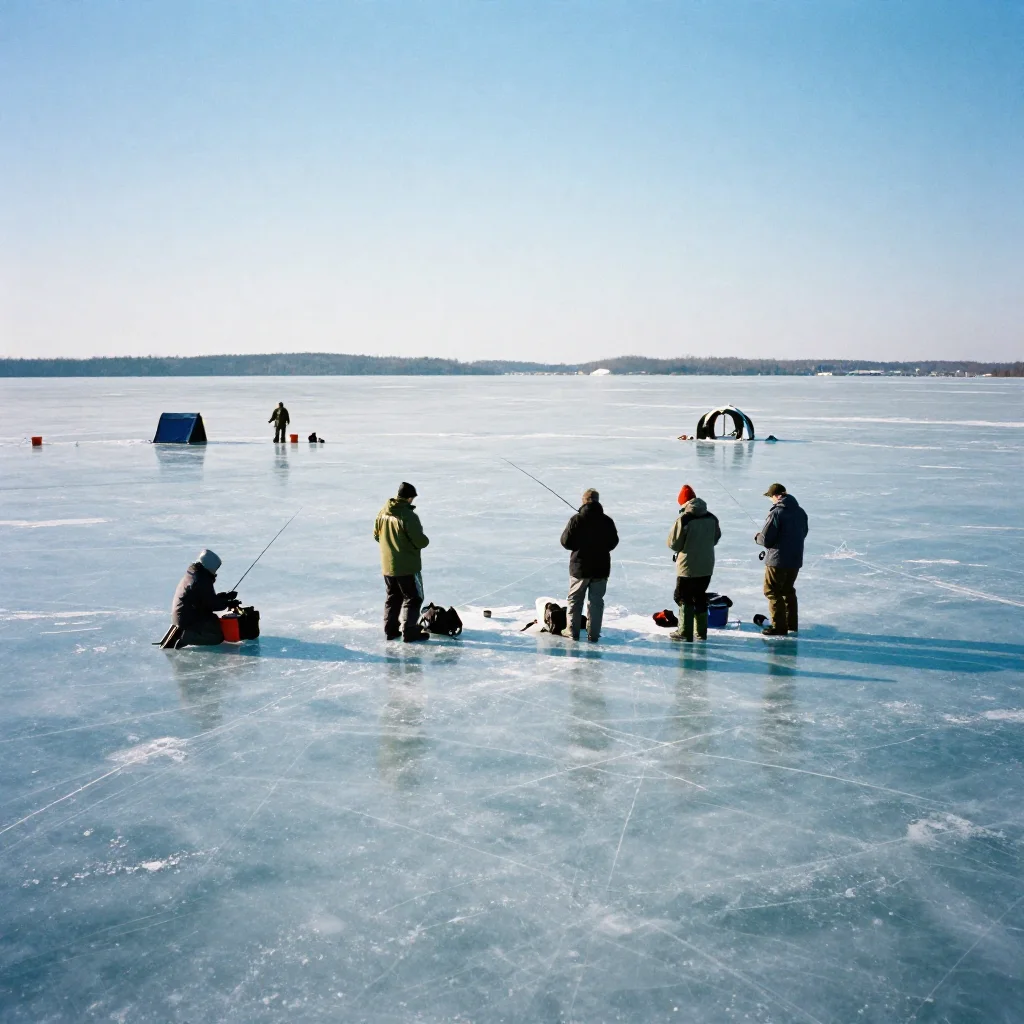
Piedmont Lake in eastern Ohio’s Belmont County provides exceptional ice fishing opportunities for saugeye and crappie across 2,270 acres of scenic waters. The long, narrow lake bordered by woodlands ranks among Ohio’s most beautiful winter fishing destinations. Varied depth structures including drop-offs near the lower basin dam and submerged roadbeds create ideal habitat that concentrates fish during winter months.
Strategic Fishing Locations: The dam area features dramatic depth changes from shallow flats to 40+ foot depths, creating edges where saugeye patrol for baitfish. Submerged roadbeds provide classic structure that holds crappie schools throughout winter. These predictable fish-holding areas allow anglers to establish productive patterns that remain consistent across the ice season.
Saugeye—walleye and sauger hybrids—provide exciting ice fishing action with aggressive strikes and quality table fare. These fish respond well to jigging presentations using minnows, blade baits, or lipless crankbaits worked near bottom. Crappie suspend at varying depths over submerged structures, requiring anglers to use electronics or systematic depth exploration to locate schools.
Indian Lake: West-Central Ohio’s Early Ice Hotspot
Indian Lake in Logan County ranks among Ohio’s first lakes to develop fishable ice due to shallow water depths averaging just 5-8 feet across its 5,800-acre expanse. This early freeze provides anxious ice anglers with December fishing opportunities when deeper lakes remain open. The extensive acreage offers numerous locations to explore for crappie, saugeye, bluegill, and yellow perch.
Community and Access: The small cottage community surrounding Indian Lake provides multiple access points including Indian Lake State Park and various public launches. Nearby restaurants offer warm meals and hot beverages for anglers seeking refuge from cold conditions. This infrastructure makes Indian Lake particularly accommodating for families and novice ice anglers.
Prime Fishing Areas: The Dream Bridge and Old Indian Lake sections produce excellent winter bluegill fishing in 6-12 feet of water. Lucy’s Pond and deep holes along the southwest shoreline concentrate crappie schools during mid-winter. Both forks of the Great Miami River entering Indian Lake create current and depth variations that attract saugeye and perch.
Ice fishing at Indian Lake focuses heavily on crappie, with both black and white varieties abundant and commonly exceeding 12 inches. White crappie average slightly larger, with occasional trophy fish reaching 14-17 inches. Small jigs tipped with minnows or jigging spoons fished at varying depths locate suspended schools effectively.
AEP Recreation Land: Ohio’s Hidden Ice Fishing Gem
AEP Recreation Land near Rutland represents a unique ice fishing destination covering over 60,000 acres of reclaimed strip mine property. This vast outdoor recreation area spans Guernsey, Morgan, Noble, and Muskingum Counties, featuring hundreds of ponds perfect for ice fishing adventures. The remote nature of many ponds provides solitude unavailable at popular public lakes.
Access and Regulations: Some AEP ponds offer easy roadside access while others require hiking through winter landscapes to reach. Anglers must obtain a free additional fishing permit through the AEP McConnelsville office or Ohio Division of Wildlife before fishing these waters. This permit requirement ensures sustainable fishing pressure across the extensive property.
Trophy Panfish Potential: AEP Recreation Land ponds produce larger-than-average sunfish and bluegill due to lower fishing pressure and abundant forage. Many remote ponds receive minimal angling attention, allowing panfish populations to develop impressive size structures. Exploratory anglers willing to hike distances often discover productive honey holes that provide consistent action throughout winter.
The variety of pond sizes, depths, and characteristics means anglers can experiment with different water types during single visits. Small shallow ponds freeze early and provide excellent bluegill action, while larger deeper impoundments hold crappie and bass. This diversity appeals to adventurous ice anglers seeking exploratory fishing experiences.
Mosquito Lake: Northeast Ohio’s Walleye Factory
Mosquito Lake near Youngstown claims recognition as one of Ohio’s premier ice fishing destinations for walleye. Winter walleye average 13-21 inches, with numerous fish exceeding 24 inches caught annually through the ice. As Ohio’s second-largest inland lake, Mosquito provides extensive fishing opportunities across varied depths and structures.
Tournament Venue: Mosquito Lake hosts several ice fishing tournaments each winter when conditions support safe ice. These competitive events attract skilled anglers from across the region, demonstrating the lake’s reputation for quality winter fishing. Tournament participation provides learning opportunities for novice anglers to observe expert techniques.
Species Diversity: While walleye dominate ice fishing attention, Mosquito Lake also produces excellent bluegill and crappie catches. Anglers can target multiple species during single outings, switching between walleye jigging and panfish presentations as conditions dictate. This variety maintains interest during slow walleye periods.
Fishing Strategies: Successful Mosquito Lake ice fishing requires mobility and willingness to drill numerous holes. Electronics help identify bottom structure and locate suspended walleye before committing to extended fishing periods. Jigging spoons, blade baits, and live minnow presentations produce strikes when worked aggressively near bottom. For equipment recommendations, consult our ice fishing buying tips guide.
Ohio Ice Fishing Safety Considerations
Ice safety determines whether your Ohio fishing trip becomes a memorable success or dangerous emergency. Most conservation agencies recommend minimum 4-inch solid ice thickness before walking onto frozen lakes. Use a spud bar to test ice thickness near shore, walking short distances and rechecking frequently as you move toward fishing areas.
Ice forms unevenly across lakes, with thinner sections near inlets, outlets, and current areas. Heavy snow insulates water surfaces and slows additional ice formation while hiding thin spots and pressure cracks. Always carry emergency ice picks on a cord around your neck and 50+ feet of rope for self-rescue or assisting others.
Check local fishing reports and ice condition updates before every trip. Weather patterns change rapidly in Ohio, with warm fronts deteriorating ice conditions within days. When uncertain about ice safety, hire experienced guides familiar with current conditions.
Planning Your Ohio Ice Fishing Trip
Select fishing destinations based on your experience level, desired species, and ice condition reports. Beginners benefit from smaller inland lakes with predictable ice formation rather than attempting Lake Erie during marginal conditions. Research current fishing reports through Ohio Division of Wildlife resources and local tackle shops.
Transport equipment efficiently using quality ice fishing sleds that glide easily across snow and ice. Pack adequate cold-weather clothing, hand warmers, and emergency supplies for every outing. Bring thermoses with hot beverages and high-calorie snacks to maintain energy during extended sessions.
Consider exploring ice fishing destinations across multiple regions to compare Ohio’s opportunities with neighboring states. Many Ohio anglers also venture to Michigan, Pennsylvania, and Canadian waters during exceptional winters.
Top 5 Frequently Asked Questions About Ice Fishing in Ohio
When is ice fishing season in Ohio?
Ohio ice fishing season typically runs from late December through February, with northern lakes freezing first and maintaining ice longest. Shallow lakes like Indian Lake develop fishable ice by mid-December during cold winters, while deeper waters require extended freezing periods. Lake Erie’s unpredictable ice formation means some winters provide excellent January-February fishing while mild years offer minimal opportunities. Always verify current ice conditions through local reports before planning trips, as Ohio weather fluctuates dramatically.ohiolakelife.
How thick does ice need to be for ice fishing in Ohio?
Ohio anglers should follow the standard 4-inch minimum ice thickness recommendation for safe walking and fishing. Test ice thickness using spud bars near shore, checking frequently as you walk toward fishing areas. Ice forms unevenly across lakes, with dangerous thin sections near inlets, outlets, and current zones. Never trust ice appearance alone—measure thickness directly and avoid areas with visible cracks, open water, or slush. When uncertain, hire guides familiar with current lake conditions.
What fish can you catch ice fishing in Ohio?
Ohio ice anglers target diverse species including walleye, yellow perch, bluegill, crappie (black and white), saugeye, northern pike, and catfish. Lake Erie provides premier walleye and perch fishing when ice conditions permit. Inland lakes like Mosquito excel for walleye, while Indian Lake produces exceptional crappie and bluegill. Piedmont Lake offers quality saugeye fishing, and AEP Recreation Land ponds hold trophy-sized panfish. Species availability varies by specific water body and season.
Do you need a fishing license for ice fishing in Ohio?
Yes, all Ohio anglers age 16 and older must possess valid Ohio fishing licenses for ice fishing. Standard annual or one-day licenses cover ice fishing activities across public waters. AEP Recreation Land requires an additional free permit obtained through their McConnelsville office or Ohio Division of Wildlife. Lake Erie anglers fishing Ohio waters need Ohio licenses, while those on Canadian sections require Ontario licenses. Purchase licenses online through Ohio Division of Wildlife or at licensed vendors statewide.
Is Lake Erie ice fishing safe in 2026?
Lake Erie ice fishing safety depends entirely on sustained cold weather creating adequate ice thickness. The 2026 season started with promising ice formation in early January, but forecasted warm temperatures threatened to deteriorate conditions quickly. Islands between Catawba and Middle Bass typically provide safer, more reliable ice than mainland areas. Always hire experienced Lake Erie guides who monitor conditions constantly and know safe travel routes. Never attempt Lake Erie ice fishing without local expertise, proper safety equipment, and verified ice thickness reports.
Conclusion
Ohio ice fishing provides exceptional winter opportunities across diverse waters from legendary Lake Erie to productive inland lakes and hidden strip mine ponds. Northern Ohio’s reliable freeze patterns make locations like Portage Lakes, Mosquito Lake, and Indian Lake consistent producers throughout winter. Understanding each destination’s unique characteristics—ice formation timing, target species, and access points—helps you select appropriate locations for your skill level and fishing objectives.
Safety considerations always take priority over fishing success when pursuing Ohio ice fishing adventures. Monitor ice conditions continuously, carry emergency equipment, and hire guides when attempting unfamiliar waters or challenging locations like Lake Erie. Proper preparation regarding licenses, equipment, and cold-weather clothing ensures comfortable, legal, and productive fishing experiences.
Whether you’re targeting trophy walleye at Mosquito Lake, abundant crappie at Indian Lake, or exploring remote AEP ponds for solitude and panfish, Ohio delivers varied ice fishing opportunities that match every angler’s preferences. The combination of accessible urban lakes near major cities and remote wilderness fishing creates options for quick afternoon sessions or extended winter expeditions.