
Ice fishing offers far more than winter entertainment and fresh fish for dinner—this cold-weather activity delivers substantial physical and mental health benefits that extend well beyond the excitement of reeling in catches. Once winter arrives, ice fishing provides excellent opportunities to stay active during a season when outdoor exercise options become limited. Nearly 2 million anglers participate in ice fishing annually according to U.S. Fish and Wildlife studies, with participation numbers growing significantly as more people discover the positive health impacts of hardwater fishing.ice fishing health benefits
From cardiovascular exercise to stress reduction, vitamin D absorption to relationship building, ice fishing contributes to comprehensive wellness in ways many anglers never consciously recognize. Understanding these health advantages provides additional motivation to venture onto frozen lakes while winter’s cold temperatures might otherwise keep you indoors. Whether you’re an experienced ice angler or considering your first winter fishing trip, these five proven health benefits demonstrate why ice fishing represents one of winter’s most rewarding outdoor activities.
1. Exceptional Cardiovascular Exercise and Calorie Burning
Ice fishing provides substantial cardiovascular benefits through various activities that elevate heart rates and engage major muscle groups. Walking through snow and across ice to reach productive fishing holes delivers excellent aerobic exercise comparable to brisk hiking or trail running. The unstable footing created by snow-covered ice engages stabilizer muscles throughout your legs, core, and lower back, providing more comprehensive workouts than walking on paved surfaces.
Calorie-Burning Breakdown: A typical afternoon of ice fishing burns approximately 1,250 calories—equivalent to jogging or swimming for more than two hours. This impressive calorie expenditure breaks down into specific activities: brisk walking to fishing locations burns roughly 400 calories per hour, especially when pulling equipment-laden sleds. Snow shoveling to clear fishing areas consumes approximately 500 calories hourly, as does drilling holes using manual hand augers. The actual fishing activity itself burns nearly 150 calories per hour through repetitive casting, jigging motions, and fighting fish.
Hauling fishing gear across frozen lakes using quality ice fishing sleds provides resistance training that strengthens legs, core muscles, and cardiovascular systems. The varied terrain—packed snow, powder sections, bare ice, and pressure ridges—creates natural interval training as your body adapts to changing resistance levels. This low-impact exercise proves particularly valuable for individuals seeking effective winter workouts without the joint stress associated with running or high-intensity gym activities.news.
Upper Body Strengthening: Repeatedly drilling holes, hauling gear, setting tip-ups, and fighting fish builds strength in hands, wrists, forearms, shoulders, and back muscles. Manual auger operation provides especially effective resistance training for upper body and core muscles. Even reeling in fish and managing fishing lines engages muscles throughout your arms and shoulders, particularly when battling larger species like northern pike or lake trout.
For families seeking winter exercise opportunities, ice fishing with kids combines cardiovascular benefits with quality time outdoors.
2. Fresh Air, Sunlight, and Essential Vitamin D
Ice fishing exposes participants to fresh winter air and natural sunlight that deliver numerous physiological benefits often lacking during indoor winter months. Fresh air increases oxygen circulation throughout your body, improving blood flow to organs and tissues while enhancing overall energy levels. The deep breathing encouraged by physical exertion during ice fishing oxygenates blood more thoroughly than shallow indoor breathing patterns.
Vitamin D Synthesis: Sunlight exposure during ice fishing helps your body produce vitamin D, an essential nutrient that aids calcium absorption while supporting bone and teeth health. Winter months typically reduce vitamin D production due to limited daylight hours and time spent indoors, making ice fishing an excellent opportunity to boost these levels naturally. Even on overcast days, outdoor exposure provides more UV light than indoor environments.
Snow and ice reflect sunlight intensely, amplifying UV exposure compared to summer conditions. While this increased reflection boosts vitamin D production, it also necessitates sunscreen application to prevent “snowburn”—painful sunburns caused by reflected UV rays. Protecting exposed skin with SPF 30+ sunscreen prevents damage while still allowing vitamin D synthesis.
Immune System Support: The combination of fresh air, sunlight exposure, and physical activity strengthens immune function during winter months when colds and flu peak. Regular outdoor activity helps regulate circadian rhythms, contributing to healthy sleep cycles that support immune system effectiveness. Ice fishing forces you to disconnect from indoor environments where airborne illnesses circulate, reducing disease exposure.
3. Nutritious, Heart-Healthy Meals from Your Catch
Ice fishing provides access to exceptional sources of lean protein and beneficial omega-3 fatty acids that support cardiovascular and cognitive health. Fish represent low-fat protein sources that may help lower blood cholesterol while reducing risks of heart disease-related deaths and obesity. The ability to harvest your own food creates connections between effort and nutrition that encourage healthier eating patterns.
Omega-3 Fatty Acid Benefits: Fatty cold-water species like lake trout, salmon, walleye, and whitefish contain abundant omega-3 fatty acids essential for heart and brain health. These beneficial fats reduce inflammation throughout your body, lower blood pressure, decrease triglyceride levels, and reduce risks of stroke and heart failure. Regular consumption of omega-3-rich fish supports cognitive function, potentially reducing risks of Alzheimer’s disease and age-related mental decline.
Quality Protein Source: Fish provide complete proteins containing all essential amino acids your body requires for tissue repair, muscle building, and immune function. Winter-caught fish often exhibit firmer flesh and superior flavor compared to warm-water harvests, making them especially desirable for table fare. Popular ice fishing species like yellow perch and crappie deliver exceptional eating quality with mild flavors that appeal to diverse palates.
The satisfaction of preparing and eating fish you personally caught enhances meal appreciation while encouraging continued outdoor activity. This direct connection between fishing effort and nutritious meals motivates healthier lifestyle choices. For recipe inspiration, explore various fish preparation methods that maximize nutritional benefits while creating delicious meals.
4. Stress Reduction and Mental Health Improvement
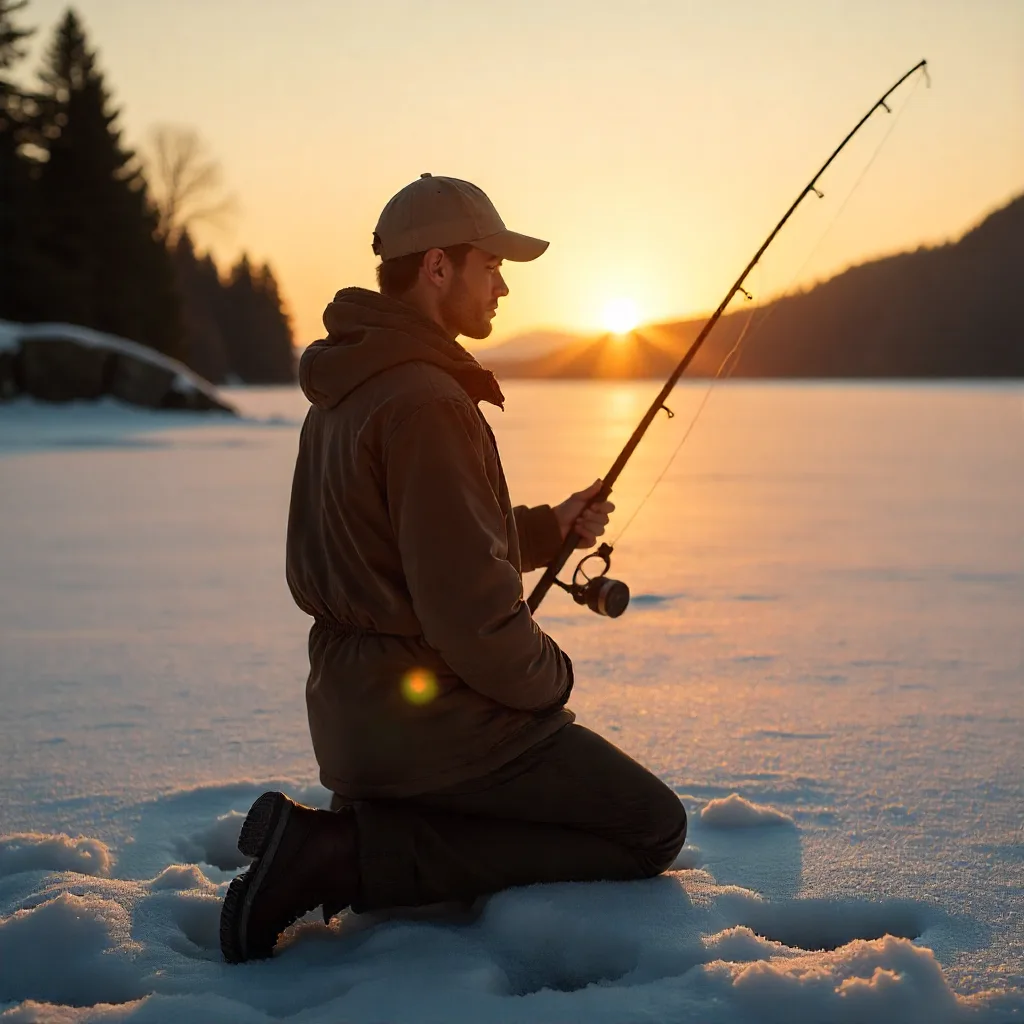
Ice fishing delivers substantial mental health benefits by reducing stress, improving mood, and increasing overall psychological well-being. Being surrounded by serene winter landscapes creates relaxing experiences that disconnect you from daily pressures and work-related stress. The peaceful solitude of frozen lakes provides natural meditation environments where you can process thoughts without constant interruptions.
Cortisol Reduction: Studies demonstrate that spending time in nature significantly reduces cortisol levels—your body’s primary stress hormone. Ice fishing’s combination of natural surroundings, fresh air, and rhythmic activities like jigging creates meditative states that calm racing minds. The focus required to detect subtle bites and respond to fishing action keeps your mind engaged in present moments rather than ruminating about past events or future worries.
Mindfulness and Presence: Ice fishing demands attention to detail and patience, making it an excellent mindfulness practice. Observing ice conditions, monitoring fishing lines for strikes, and adjusting presentations based on fish behavior encourage you to remain fully present. This mindfulness combats anxiety and overthinking patterns that contribute to depression and stress disorders.
Endorphin Release: Physical activity combined with outdoor exposure triggers endorphin production—your brain’s natural “feel-good” chemicals. These hormones improve mood, decrease anxiety, and enhance overall mental clarity. The sense of accomplishment from successfully catching fish, regardless of size, boosts self-esteem and provides purpose. Even unsuccessful fishing trips deliver mental health benefits through the outdoor experience itself.
Seasonal Affective Disorder (SAD) Management: Winter months trigger Seasonal Affective Disorder in millions of people due to reduced sunlight exposure and limited outdoor activity. Ice fishing combats SAD symptoms by combining sunlight exposure, physical exercise, and engaging outdoor activities that counteract winter blues. Regular ice fishing outings help maintain emotional resilience throughout winter’s darkest months.
5. Social Connection and Relationship Building
Ice fishing creates unique opportunities for uninterrupted quality time with friends and family that strengthen relationships and build supportive communities. Spending extended periods together outdoors without digital distractions fosters meaningful conversations and shared experiences that deepen bonds. The collaborative nature of ice fishing—helping drill holes, sharing equipment, celebrating catches—creates teamwork that enhances relationships.
Mental Health Through Social Bonds: Strong relationships provide documented mental health benefits including lower rates of anxiety and depression, higher self-esteem, greater empathy, and more trusting cooperative interactions. Ice fishing’s social atmosphere encourages anglers to connect with strangers who share their passion, building new friendships based on common interests. The hardwater fishing community embraces welcoming traditions where experienced anglers readily share knowledge with beginners.
Family Bonding: Ice fishing provides exceptional family bonding opportunities during winter months when indoor activities dominate. Parents teaching children ice fishing techniques create lasting memories while passing down outdoor traditions. The multi-generational appeal means grandparents, parents, and children can participate together regardless of physical fitness levels. For comprehensive family ice fishing guidance, review our detailed ice fishing with kids guide.
Community and Belonging: Ice fishing communities organize tournaments, club outings, and social events that provide belonging and reduce isolation feelings. These gatherings combat loneliness—a significant mental health risk factor—by connecting individuals with supportive peer networks. The shared challenges of winter fishing create camaraderie unique to ice anglers.
Reduced Digital Dependence: Ice fishing naturally limits smartphone and device usage, disconnecting you from constant digital stimulation. This break from screens reduces information overload and social media-induced anxiety while encouraging face-to-face interactions. The digital detox aspect of ice fishing allows mental rest from 24/7 connectivity demands.
Maximizing Ice Fishing Health Benefits
Increase Activity Levels: Boost health benefits by walking to fishing spots rather than driving close or using motorized transport. Manually drill holes with hand augers instead of power augers to maximize upper body and core workouts. Stay mobile throughout fishing sessions, moving between holes rather than sitting stationary for extended periods.
Extend Time Outdoors: Longer ice fishing sessions compound health benefits by increasing calorie burn, sunlight exposure, and stress reduction. Plan half-day or full-day outings that provide substantial outdoor time. Use portable ice shelters for comfort during extended sessions without sacrificing outdoor exposure.
Year-Round Activity: Ice fishing represents one component of year-round outdoor fitness routines. Staying active throughout all seasons prepares muscles and cardiovascular systems for winter activities, reducing injury risks. The varied physical demands of seasonal fishing—summer casting, winter ice fishing—provide comprehensive fitness development.
Safety Considerations: Always prioritize safety to prevent injuries that undermine health benefits. Verify ice thickness, wear appropriate cold-weather clothing, and follow established safety protocols outlined in our comprehensive ice fishing safety guide. Proper preparation ensures you enjoy health benefits without risking cold-related injuries or ice breakthrough accidents.
Getting Started with Ice Fishing
If you’re new to ice fishing, the documented health benefits provide excellent motivation to try this winter activity. Start by researching beginner ice fishing tips that cover essential equipment, techniques, and safety considerations. Identify productive ice fishing destinations near your location where you can easily access quality fishing opportunities.
Consider joining friends or family members for initial outings rather than venturing alone. Shared experiences enhance enjoyment while providing safety partners who can assist during emergencies. Many ice fishing communities welcome beginners enthusiastically, offering guidance and local knowledge that accelerates learning curves.
Invest in appropriate ice fishing gear that ensures comfort and effectiveness without breaking budgets. Quality cold-weather clothing, basic fishing equipment, and safety gear allow you to experience ice fishing’s health benefits immediately.
Top 5 Frequently Asked Questions About Ice Fishing Health Benefits
How many calories does ice fishing burn?
Ice fishing burns approximately 1,250 calories during a typical afternoon session lasting 4-6 hours. This total includes walking to fishing locations (400 calories/hour), drilling holes and snow shoveling (500 calories/hour), and active fishing (150 calories/hour). Hauling equipment-laden sleds increases calorie expenditure significantly. The varied activities provide interval training effects that boost metabolic rates even after finishing fishing sessions. Ice fishing delivers comparable calorie burning to jogging or swimming for 2+ hours while feeling less strenuous due to the recreational nature.
Does ice fishing provide enough exercise for fitness?
Yes, ice fishing provides legitimate cardiovascular exercise and strength training that contribute meaningfully to overall fitness. The combination of walking across uneven snow and ice, hauling gear, drilling holes, and fighting fish engages major muscle groups throughout your body. Regular ice fishing sessions improve cardiovascular endurance, build upper body and core strength, and enhance balance. While ice fishing shouldn’t replace comprehensive fitness programs, it represents valuable winter exercise that maintains activity levels when gym motivation wanes.
Can ice fishing help with depression and anxiety?
Ice fishing offers substantial mental health benefits that help combat depression and anxiety. Natural outdoor settings combined with physical activity reduce cortisol (stress hormone) levels while triggering endorphin release. The mindfulness required by ice fishing keeps you present-focused rather than dwelling on anxious thoughts. Sunlight exposure helps regulate mood and combats Seasonal Affective Disorder common during winter. Social connections built through ice fishing reduce isolation and provide supportive relationships. Many anglers report significant mental health improvements from regular ice fishing participation.
What vitamins and nutrients does ice fishing provide?
Ice fishing facilitates vitamin D production through sunlight exposure, essential for bone health, immune function, and mood regulation. Fresh air and increased oxygen circulation improve blood flow and energy levels. Consuming caught fish provides omega-3 fatty acids crucial for heart and brain health, complete proteins for tissue repair, and various micronutrients. Cold-water species like lake trout, walleye, and salmon offer especially high omega-3 concentrations. The combination of outdoor exposure and nutritious fish consumption creates comprehensive health benefits.
Is ice fishing safe for people with heart conditions?
Individuals with heart conditions should consult physicians before ice fishing, as cold temperatures and physical exertion can stress cardiovascular systems. However, with proper medical clearance and sensible precautions, many people with heart conditions safely enjoy ice fishing. Start slowly, gradually increasing exertion levels as fitness improves. Stay active year-round rather than suddenly increasing activity only during ice fishing season. Use power augers instead of manual drilling, minimize gear hauling distances, and take frequent rest breaks. Always fish with partners who can assist during medical emergencies.
Conclusion
Ice fishing delivers impressive physical and mental health benefits that extend far beyond catching fish and enjoying winter scenery. The substantial cardiovascular exercise, calorie burning, and muscle strengthening provided by ice fishing activities contribute meaningfully to comprehensive fitness during months when outdoor exercise often decreases. Fresh air, sunlight exposure, and vitamin D production support immune function, bone health, and mood regulation essential for winter wellness.
The mental health advantages of ice fishing—stress reduction, improved mood, mindfulness practice, and social connection—address psychological challenges many people face during winter months. Spending time in serene natural environments while engaging in purposeful activity provides therapeutic benefits comparable to formal meditation practices. Strong relationships built through shared ice fishing experiences deliver documented mental health improvements including reduced anxiety and depression.
Whether you’re pursuing winter panfish, exploring premier ice fishing locations, or introducing family members to hardwater angling, these five health benefits demonstrate why ice fishing represents one of winter’s most rewarding activities. The combination of physical exercise, nutritious food sources, outdoor exposure, and social engagement creates comprehensive wellness advantages that justify making ice fishing a regular winter pursuit.