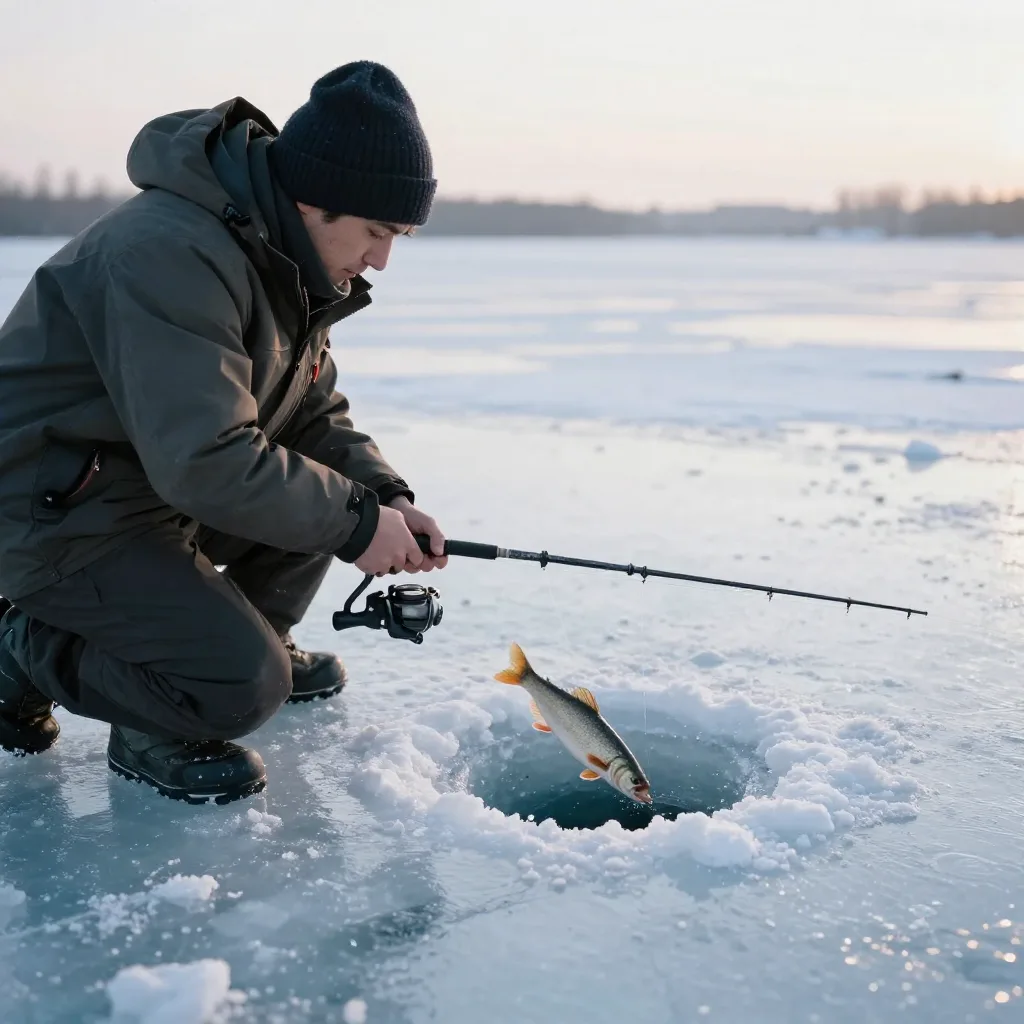
ice fishing for beginners transforms frozen lakes into winter playgrounds where anglers pursue walleye, crappie, lake trout, perch, and bluegill through holes drilled in thick ice. This unique winter activity combines the thrill of fishing with outdoor cold-weather adventure, creating experiences that captivate millions of hardwater enthusiasts annually. While ice fishing might appear intimidating initially—requiring specialized equipment, safety knowledge, and unfamiliar techniques—beginners can start successfully by following straightforward steps and understanding fundamental principles.
The accessibility of ice fishing makes it particularly appealing for newcomers to angling sports. Unlike open-water fishing that demands expensive boats, complex casting techniques, and extensive tackle knowledge, ice fishing allows you to start with minimal equipment and master basic methods quickly. Stationary fishing through ice holes eliminates casting mechanics entirely, letting beginners focus on detecting bites and landing fish rather than struggling with line management. These ice fishing tips for beginners provide comprehensive guidance covering licensing, equipment selection, safety protocols, location strategies, and basic techniques that ensure successful first experiences.
Step 1: Purchase a Valid Fishing License
The first essential step before attempting ice fishing involves obtaining a valid fishing license for the state where you’ll be fishing. Every state requires anglers above specific age thresholds (typically 16 years old, though requirements vary) to carry current licenses while fishing. Purchase licenses directly through state fish and wildlife agency websites, authorized sporting goods retailers, or local bait shops near productive ice fishing waters.
Many states now offer convenient digital licenses accessible through smartphone applications, eliminating concerns about forgotten physical documents. These mobile licenses display on your phone screen and satisfy legal requirements when conservation officers conduct compliance checks. Always carry licenses—physical or digital—while ice fishing and present them immediately upon request.
Free Fishing Opportunities: Several states host annual free fishing weekends during winter months when residents and visitors can fish without purchasing licenses. Minnesota’s “Take A Kid Ice Fishing Weekend” allows adults to fish free when accompanied by children 15 and under. Maine offers winter free fishing weekends in mid-February. These events provide excellent cost-free opportunities for beginners testing whether ice fishing appeals to them before investing in annual licenses. For comprehensive licensing information including state-specific requirements, explore our ice fishing license guide.
Step 2: Understand Fishing Regulations
After obtaining licenses, thoroughly review fishing regulations specific to your state and target water bodies. Regulations establish species-specific size limits, bag limits, seasonal restrictions, and special rules that vary between waters within single states. These rules exist for critical conservation purposes—protecting spawning populations, maintaining balanced ecosystems, and ensuring sustainable fisheries for future generations.
Learning Fish Identification: One of the most important ice fishing basics involves properly identifying each species you catch. Different fish species often have distinct regulations—walleye size limits differ from perch limits, crappie bag limits vary from bluegill limits. State fish and wildlife websites provide detailed fish identification guides with photographs, physical descriptions, and distinguishing characteristics. Download these guides to your smartphone or print pocket-sized references for ice fishing trips.
Misidentifying fish and violating regulations—even unintentionally—results in citations and fines that far exceed license costs. When uncertain about species identification, snap photographs from multiple angles and consult with experienced anglers, conservation officers, or bait shop staff before deciding whether to harvest or release questionable catches. For ethical fishing practices, review our sustainable ice fishing guide.
Step 3: Select Appropriate Ice Fishing Rods and Reels
Ice fishing rods differ dramatically from standard open-water rods in length, action, and design. Specialized ice rods measure only 24-36 inches (2-3 feet) long compared to 6-7 foot open-water rods. This compact length allows comfortable fishing while seated close to ice holes without requiring long casts—a technique eliminated entirely in ice fishing.
Rod Action and Sensitivity: Choose rods with plenty of sensitivity that transmit even subtle winter bites directly to your hands. Light to medium-light action rods provide ideal starting points, offering adequate backbone to set hooks and fight fish while maintaining sensitivity for detecting light bites. Rod tips should flex noticeably under minimal pressure—this sensitivity becomes critical when targeting lethargic cold-water fish that bite tentatively.
Reel Selection: Pair ice fishing rods with ultralight spinning or spincasting reels that balance rod weight and provide smooth drag systems. Spinning reels represent the most versatile choice for beginners, operating reliably in cold temperatures while offering intuitive operation. Avoid overly complex reel systems initially—basic ultralight spinning reels costing $15-30 perform excellently for learning ice fishing fundamentals.
Budget-Friendly Options: Quality ice fishing rod and reel combos cost $20-40 at local bait shops or sporting goods retailers. These affordable packages provide everything needed to start catching fish immediately. If purchasing equipment initially presents financial barriers, borrow rods from fellow anglers or rent them from bait shops near productive ice fishing waters. Many experienced ice anglers willingly loan equipment to newcomers, and rental options allow you to test the sport before investing. For comprehensive equipment recommendations, explore our ice fishing gear buying guide.
Step 4: Spool Reels with Appropriate Line
Rig ultralight reels with 4-8 pound test fishing line suitable for ice fishing conditions. Eight-pound line handles most species you’ll target through ice including panfish, walleye, and average-sized pike while providing security against break-offs. However, many experienced ice anglers prefer lighter 4-6 pound test that offers superior sensitivity for detecting subtle bites.
Ice Fishing Line Types: Three primary line categories serve ice fishing applications—monofilament, fluorocarbon, and braided lines. Monofilament represents the most beginner-friendly option due to easy handling, affordable pricing, and cold-weather performance. Ice-specific monofilament formulations minimize memory (coiling) that creates frustrating tangles in cold temperatures.
Fluorocarbon provides nearly invisible underwater presentation and excellent abrasion resistance but costs more and handles stiffer in extreme cold. Braided line delivers exceptional sensitivity for deep-water applications but absorbs water and freezes on reels when fishing outside heated shelters. Beginners should start with quality 4-6 pound ice fishing monofilament, experimenting with fluorocarbon and braid after gaining experience. For detailed line selection guidance, consult our ice fishing line guide.
Keep Your Gear Simple: Avoid overwhelming yourself with excessive tackle and complex systems when starting. Basic ice fishing rod and reel combos spooled with appropriate line, combined with small jigs and live bait, catch fish consistently. You can expand your equipment arsenal after gaining experience and understanding your preferences.
Step 5: Plan When and Where to Ice Fish
Timing Considerations: Check weather forecasts thoroughly before ice fishing trips and dress appropriately for predicted conditions. Layered clothing systems that trap warm air while wicking moisture away from skin provide optimal cold-weather comfort. Avoid cotton fabrics that retain moisture—synthetic or wool materials maintain warmth even when damp. Pack hand and foot warmers, insulated boots rated for sub-zero temperatures, warm gloves or mittens, and face protection for windy conditions.
The best ice fishing typically occurs during stable weather patterns when cold fronts haven’t recently passed through. Fish bite most actively during low-light periods—dawn and dusk—though winter days offer productive fishing throughout daylight hours. Plan multi-hour trips rather than quick sessions, as fish location and activity patterns require time to discover.
Safety Education: Educate yourself thoroughly about ice fishing safety before venturing onto frozen lakes. Understand which ice types and thicknesses support safe travel, recognize warning signs of dangerous conditions, and know appropriate responses to ice breakthrough emergencies. Never fish alone as a beginner—bring experienced companions who can assist during emergencies and provide instruction.
Selecting Productive Locations: Research target water bodies before trips by consulting state fish and wildlife websites for lake maps showing depth contours and structure. Call local bait shops to verify current ice thickness safety and request recommendations for productive fishing areas. Bait shop staff possess invaluable local knowledge about recent fishing success, effective techniques, and safe access points.
Look for established “shanty towns”—clusters of ice shelters indicating popular fishing spots where other anglers congregate. These community fishing areas provide excellent starting points for beginners, offering opportunities to observe experienced anglers, ask questions, and fish proven productive locations. The largest weed bed on your target lake typically represents the best early-ice starting location, as vegetation holds panfish, crappie, and predators feeding on concentrated baitfish. For destination research, explore our guides on family ice fishing locations and top North American destinations.
Step 6: Choose Between Live Bait and Artificial Lures
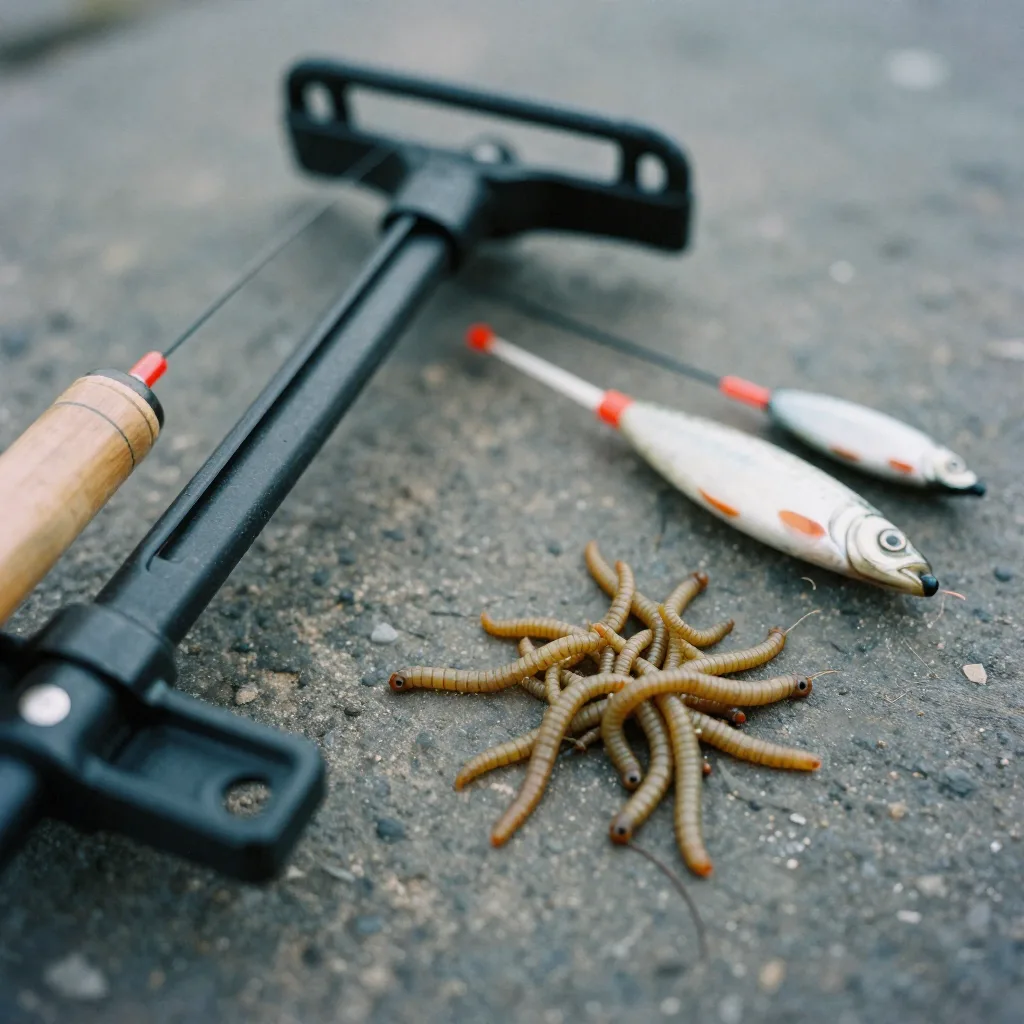
Live Bait Advantages: Live baits outperform artificial lures consistently, especially for beginners still learning presentation techniques. Small minnows and wax worms represent ideal beginner offerings that attract diverse species. Wax worms (also called waxies) work excellently for panfish including bluegills, crappies, and perch. Live minnows measuring 2-4 inches target larger species like walleye, crappie, and pike.
The scent, natural movement, and familiar appearance of live bait trigger strikes from even cautious fish, making them forgiving choices for beginners learning bite detection and hookset timing. Purchase live bait from local bait shops immediately before trips—shop staff can recommend specific bait types currently producing best results on your target water.
Artificial Lure Options: Artificial lures offer advantages including no special storage requirements, unlimited reusability, and varied colors and sizes allowing experimentation. Small tungsten jigs measuring 1/32 to 1/8 ounce provide versatile artificial options that sink rapidly despite tiny sizes. Tungsten’s density helps small jigs reach bottom quickly in deep water while maintaining adequate weight for bite detection.
However, artificial presentations demand more technique and experimentation than live bait, making them better suited for anglers after gaining initial experience. Many successful ice anglers compromise by tipping small tungsten jigs with wax worms or maggots, combining artificial lure action with live bait scent and taste. This hybrid approach delivers advantages from both presentation types.
Step 7: Test Ice Safety and Drill Holes
Ice Thickness Requirements: Never venture onto ice until it reaches minimum 4 inches of solid, clear thickness. New, clear blue or black ice represents the strongest formation, while white cloudy ice contains air bubbles reducing strength by approximately 50%. Gray ice indicates water presence and should be avoided entirely—this coloration signals dangerous deterioration.
Ice thickness varies dramatically across single water bodies due to currents, underwater springs, varying depths, sun exposure, and snow cover patterns. Just because ice measures 6 inches at shore access doesn’t guarantee similar thickness 50 feet away. Always test thickness continuously as you move across frozen lakes using spud bars (ice chisels) or measuring devices.
High-Risk Areas to Avoid: Exercise extreme caution or completely avoid areas with moving water including river inlets and outlets, bridge pilings, and narrow channels connecting lake sections. Current prevents uniform ice formation, creating dangerously thin sections. Avoid slushy areas where mushy snow and liquid accumulate on ice surfaces—these conditions signal weak ice, active melting, or holes and cracks beneath. Stay away from trees or large branches extending into water as they absorb solar heat and weaken surrounding ice. For comprehensive safety protocols, review our March ice fishing safety guide.
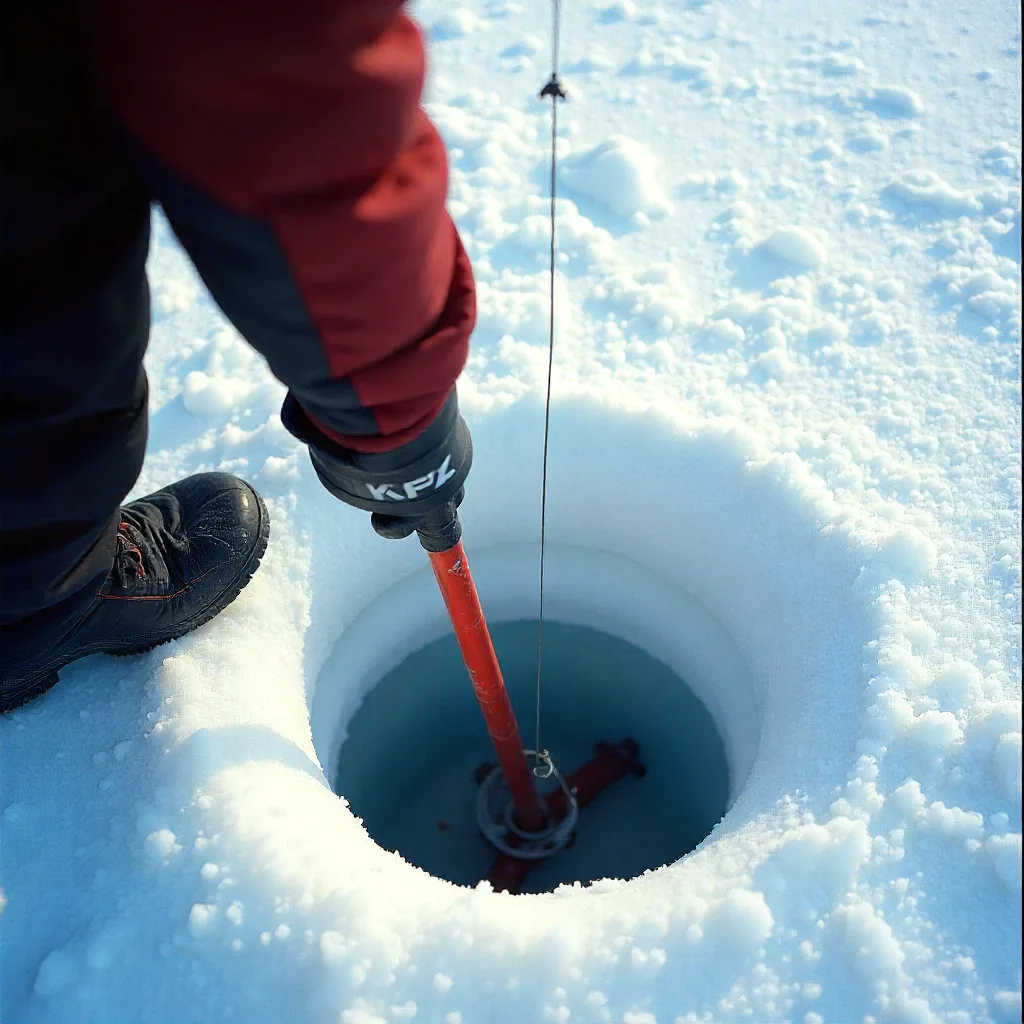
Drilling Techniques: Once you’ve verified safe ice thickness and selected fishing locations, drill holes using ice augers. Manual hand augers work excellently for beginners fishing relatively thin early-season ice (4-12 inches) and cost significantly less than power options. Position auger blades on ice surfaces and apply steady downward pressure while rotating handles. The auger’s sharp blades cut through ice progressively as you turn.
Power augers—gas, electric, or propane—drill holes effortlessly through thick ice exceeding 12 inches but represent substantial investments. Electric cordless augers offer optimal balance for serious beginners, providing adequate power without gas fumes or noise pollution. After drilling holes, use ice skimmers (large slotted spoons) to remove slush and ice chips, creating clean fishing holes. Mark drilled holes with flags or visual markers to prevent others from accidentally stepping into them.
Step 8: Rig Lines and Begin Fishing
Basic Rigging: Attach small hooks (size 6-10) or tiny jigs to your fishing line using improved clinch knots or Palomar knots. Thread wax worms onto hooks by inserting hook points through worm heads and sliding them up hook shanks. For minnows, hook them through backs just behind dorsal fins, allowing natural swimming movement.
Lower baited hooks or lures through ice holes, allowing them to descend to bottom. Once your offerings hit bottom—you’ll feel distinct taps or see line go slack—reel up 12-24 inches. This positions baits within prime striking range where most fish actively feed. Use bobbers (floats) as strike indicators if you prefer, setting them to suspend baits at desired depths.
Detecting and Setting Hooks: Wait patiently to feel bites, understanding that winter strikes feel extremely subtle compared to aggressive summer takes. Cold water slows fish metabolism, making them bite tentatively rather than aggressively. Watch for slight line movements, bobber twitches, or subtle pressure changes indicating fish mouthing baits.
When you detect bites, set hooks with swift upward rod sweeps that drive hook points into fish mouths. Don’t hesitate or give fish time to reject offerings—quick, decisive hooksets dramatically improve landing percentages. If you miss fish on hooksets, they often return for second attempts within minutes. For comprehensive technique guidance, explore our ice fishing FAQ.
Step 9: Systematic Depth Exploration
When fish don’t bite at your initial depth, don’t assume the hole lacks fish—you likely haven’t found their preferred feeding zone. Fish suspend at specific depths throughout the day based on light penetration, oxygen levels, temperature preferences, and forage locations. The simplest and most successful beginner technique involves systematically searching the water column from bottom upward.
Lower baits to bottom, then jig (lift and drop your rod tip rhythmically) for 30-60 seconds. If no bites occur, reel up approximately one foot and repeat the jigging process. Continue this approach, moving upward one foot at a time, until you encounter fish activity. Once you discover productive depths, focus subsequent presentations at those specific levels.
Fish often suspend at consistent depths throughout the day, making this knowledge immediately applicable to additional holes you drill. Mark productive depths in notes or memory, replicating successful patterns across your fishing area. For species-specific tactics, consult our panfish ice fishing guide.
Essential Safety Equipment
Beyond fishing tackle, carry critical safety equipment on every ice fishing trip. Ice picks (rescue claws) worn on lanyards around your neck provide essential self-rescue tools during ice breakthrough emergencies. These handheld spikes allow you to grip ice edges and pull yourself from frigid water.
Personal flotation devices or float suits keep your head above water until rescue arrives. Throw ropes measuring 50+ feet assist in rescuing others without entering water yourself. Never venture alone onto ice—always fish with partners who can provide emergency assistance. Inform someone on shore about your fishing location and expected return time. Carry waterproof first aid kits, emergency whistles, and fully charged cell phones in waterproof cases.
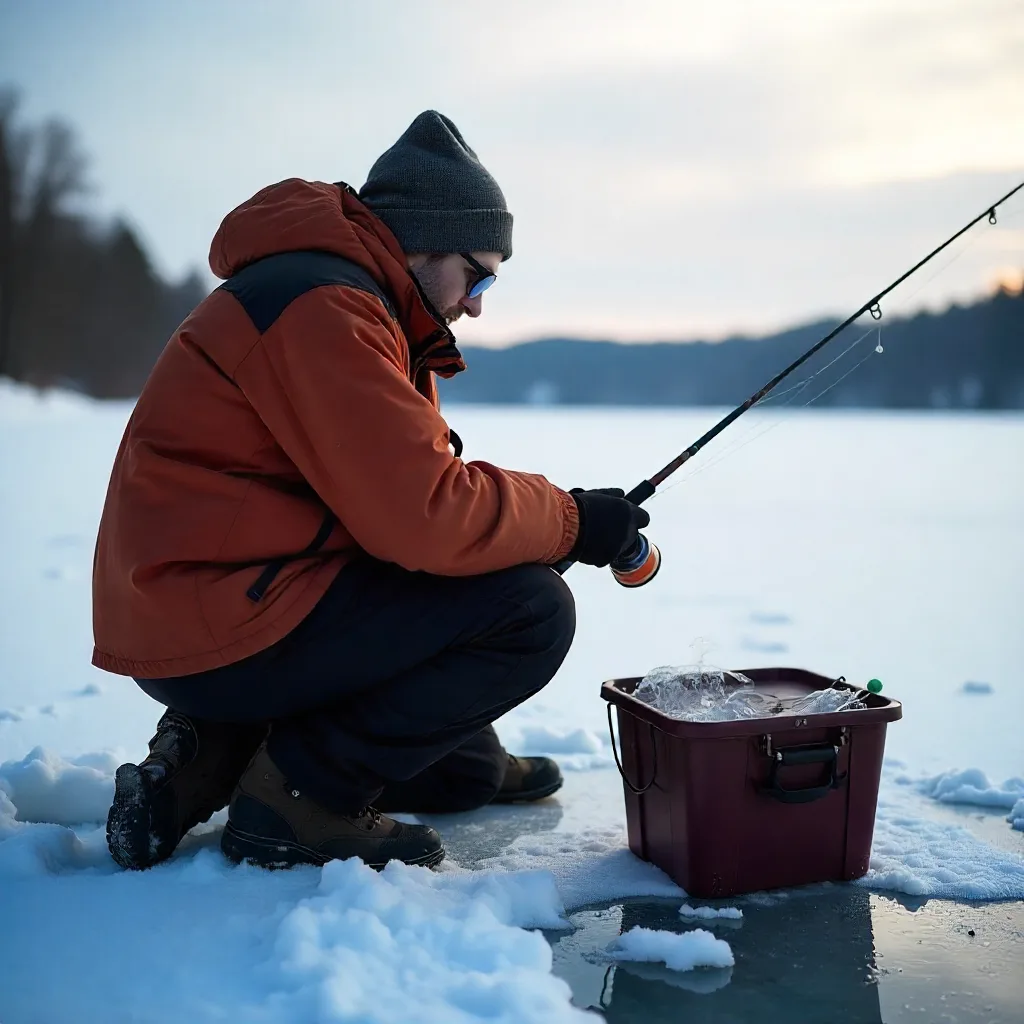
Building Ice Fishing Skills
Learning from Others: Don’t hesitate approaching other ice anglers with questions. The hardwater fishing community embraces welcoming, helpful attitudes toward newcomers. Experienced anglers readily share local knowledge, effective techniques, and productive location information. This collaborative spirit distinguishes ice fishing from other angling pursuits.
Patience and Persistence: Ice fishing demands patience—both waiting for bites and learning through experience. Your first few trips might produce limited catches as you learn bite detection, fish location, and presentation techniques. Every trip builds knowledge and skills that improve future success. Focus on enjoying winter outdoor experiences rather than obsessing over catch numbers initially.
Frequently Asked Questions About Ice Fishing for Beginners
What equipment do I need to start ice fishing?
Essential beginner ice fishing equipment includes a 24-36 inch ice fishing rod, ultralight spinning reel spooled with 4-8 pound line, ice auger for drilling holes, ice scoop for removing slush, small jigs or hooks, live bait (wax worms or minnows), and warm layered clothing. Add critical safety equipment including ice picks, throw rope, and personal flotation. Basic rod and reel combos cost $20-40. Borrow or rent equipment initially if purchasing presents financial barriers. For comprehensive gear guidance, review our ice fishing equipment guide.
How thick does ice need to be for ice fishing?
Minimum 4 inches of solid, clear ice safely supports one person walking. New clear blue or black ice is strongest, while white cloudy ice is 50% weaker due to air bubbles. Gray ice indicates water presence—avoid entirely. Ice thickness varies dramatically across single lakes due to currents, springs, depths, and sun exposure. Test thickness continuously as you move using spud bars. For comprehensive safety information, consult our March ice fishing safety tips.
What is the best bait for beginner ice fishing?
Live bait consistently outperforms artificial lures for beginners. Wax worms work excellently for panfish including bluegills, crappies, and perch. Live minnows measuring 2-4 inches target walleye, crappie, and pike. Purchase live bait from local shops before trips and ask staff what’s currently producing best results. Small tungsten jigs tipped with wax worms combine artificial action with live bait scent. For detailed bait recommendations, explore our beginner ice fishing tips.
Where should I ice fish as a beginner?
Start at established “shanty towns” where groups of ice shelters indicate popular community fishing spots. Call local bait shops for current ice thickness reports and productive location recommendations. The largest weed bed on your target lake typically represents excellent early-ice starting locations. Look for previously drilled holes showing recent activity. Research family ice fishing destinations offering beginner-friendly services. Never fish alone—bring experienced companions initially.
Do I need a license for ice fishing?
Yes, ice fishing requires valid state fishing licenses for anglers above minimum age requirements (typically 16 years old). Purchase through state fish and wildlife websites or authorized vendors. Many states offer digital licenses accessible via smartphone apps. Some states host free fishing weekends when no licenses are required. Always carry licenses while fishing and present immediately when requested. For comprehensive licensing information, consult our ice fishing license guide.
Conclusion
Ice fishing for beginners becomes accessible and enjoyable when you follow systematic steps covering licensing, equipment selection, safety protocols, location strategies, and basic techniques. Start by purchasing valid fishing licenses, understanding regulations, and selecting appropriate rods, reels, and line. Plan trips carefully considering weather, safety, and productive locations identified through local research.
Keep gear simple initially—basic rod and reel combos with live bait catch fish consistently while you develop skills. Prioritize safety by verifying ice thickness, carrying essential rescue equipment, and never fishing alone. Learn through patient practice, systematic depth exploration, and observation of experienced anglers.
Whether exploring premier destinations, learning proper line selection, or planning family adventures, these foundational ice fishing tips ensure successful first experiences that build lifelong passion for winter angling.
6 thoughts on “Ice Fishing For Beginners: How To Get Started in 2026”