Ice fishing in Canada represents more than just a winter pastime—it’s a celebrated tradition deeply woven into the nation’s cultural fabric. From the frozen expanses of Great Slave Lake to the bustling ice villages of Quebec, Canada offers world-class ice fishing experiences that attract anglers from across the globe. This comprehensive guide explores the best ice fishing destinations in Canada, essential gear, techniques, and everything you need to plan your perfect winter fishing adventure.
Why Canada is the Ultimate Ice Fishing Destination
Canada’s extensive network of freshwater lakes, combined with consistently cold winters, creates ideal conditions for ice fishing. The country boasts over 70,000 fishable lakes, many of which freeze solid enough to support ice fishing shacks, vehicles, and even temporary communities. For First Nation communities in Canada, ice fishing remains a way to have access to traditional food, and an important source of nutrients, showcasing its historical significance beyond recreational fishing.
The diversity of fish species available through the ice is remarkable. Canadian waters host trophy-sized walleye, northern pike, lake trout, yellow perch, whitefish, and numerous other species that remain active throughout the winter months.
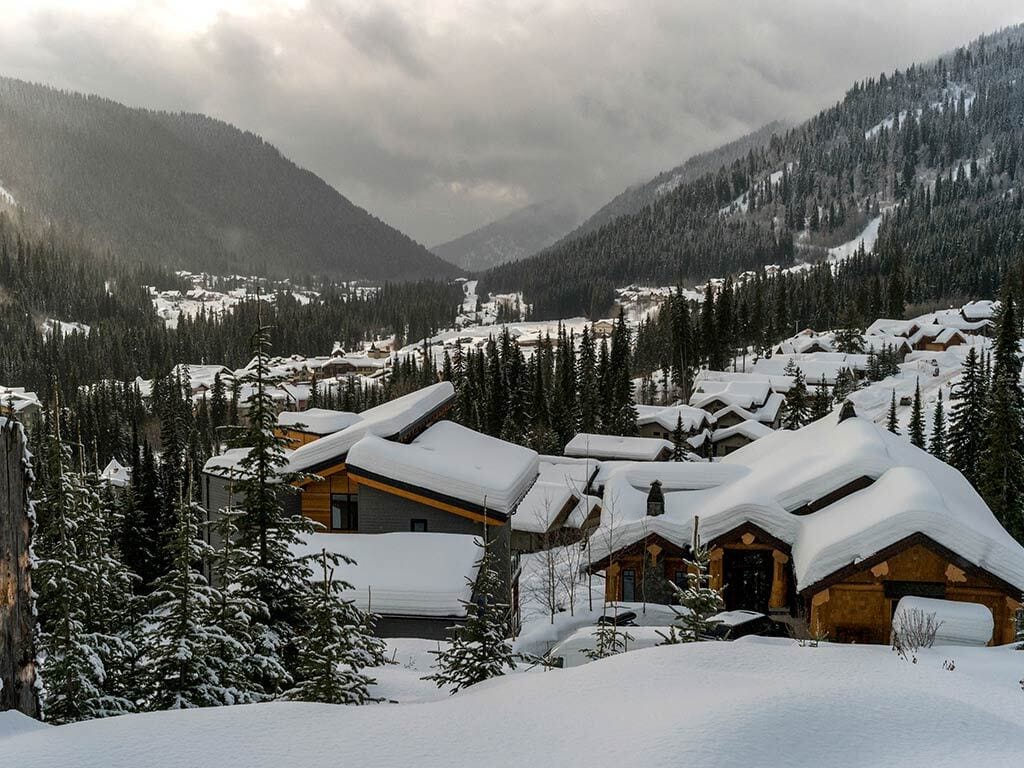
Top 9 Ice Fishing Destinations in Canada
1. Lake of the Woods, Ontario/Manitoba
Sprawling across two provinces and touching the U.S. border, Lake of the Woods is a labyrinth of islands, bays, and snow-covered shorelines. This massive lake transforms into a winter wonderland each season, with ice fishing villages dotting the frozen surface.
Target Species: Walleye, Sauger, Northern Pike, Yellow Perch, Crappie, Lake Trout
Why Visit: The region’s mix of small towns like Kenora and Sioux Narrows provides easy access and excellent amenities. The lake’s reputation for producing trophy walleye makes it a bucket-list destination for serious anglers.
Learn more about fishing techniques and seasonal fishing tips to maximize your success.
2. Lake Simcoe, Ontario
Lake Simcoe in Canada has abundant cold water fish such as lake trout, herring and whitefish. It is sometimes known as Canada’s ice fishing capital, hosting some of the largest ice fishing tournaments in North America.
Target Species: Lake Trout, Whitefish, Yellow Perch, Black Crappie
Why Visit: Located just north of Toronto, Lake Simcoe offers easy accessibility combined with excellent fishing. The annual Ice Fishing Challenge attracts thousands of participants and offers substantial prizes.
Before heading out, review our guide on how to ice fish for beginners.
3. Lake Winnipeg, Manitoba
Manitoba’s inland sea needs little introduction among ice fishing enthusiasts. Lake Winnipeg’s massive south basin provides excellent fishing opportunities within reach of Winnipeg’s urban amenities.
Target Species: Greenback Walleye, Sauger, Northern Pike, Yellow Perch, Burbot
Why Visit: The famous greenback walleye fishery attracts anglers seeking trophy catches. The combination of productive fishing and proximity to Manitoba’s capital city makes this an ideal destination.
Check out our fishing tips for beginners to improve your catch rate.
4. Lake Nipissing, Ontario
Set in northeastern Ontario, Lake Nipissing blends cottage-country charm with year-round fishing excellence. Lake Nipissing is one of Ontario’s best year-round fishing destinations for walleye, yellow perch, bass, northern pike and muskie.
Target Species: Walleye, Yellow Perch, Northern Pike, Burbot, Whitefish
Why Visit: The welcoming community atmosphere, combined with consistent fishing action, makes Lake Nipissing perfect for families and groups. North Bay offers excellent dining and accommodation options.
Discover best fishing rods for beginners before your trip.
5. Great Slave Lake, Northwest Territories
Welcome to the true north, where winter defines the culture and landscape. Great Slave Lake offers an authentic Arctic ice fishing experience with colossal trophy fish.
Target Species: Lake Trout, Northern Pike, Burbot, Whitefish
Why Visit: The legendary fish of the North are known for their record-breaking sizes. Yellowknife serves as the gateway to this remote fishing paradise, offering cultural experiences and potential northern lights viewing.
Learn about advanced fishing techniques for tackling big lake trout.
6. Tobin Lake, Saskatchewan
Born from the Saskatchewan River system, Tobin Lake stretches through the prairie landscape, offering excellent ice fishing in a tranquil setting.
Target Species: Walleye, Northern Pike, Yellow Perch, Burbot
Why Visit: The reservoir’s structure creates ideal conditions for walleye and pike. The smaller crowds and prairie hospitality provide a relaxed fishing experience.
7. Cold Lake, Alberta/Saskatchewan
Straddling the Alberta-Saskatchewan border, Cold Lake lives up to its name with crystal-clear waters and deep winter ice.
Target Species: Lake Trout, Walleye, Yellow Perch, Northern Pike, Burbot
Why Visit: The lake’s exceptional clarity and depth make it prime lake trout habitat. The town of Cold Lake offers full services and access to extensive snowmobile trail networks.
8. Edith Lake, British Columbia
Located near Kamloops, Edith Lake offers alpine ice fishing in a stunning mountain setting.
Target Species: Rainbow Trout, Brook Trout
Why Visit: The intimate, scenic experience appeals to anglers seeking tranquility over trophy hunting. Kamloops provides urban amenities within easy reach.
Explore our freshwater fishing gear checklist for essential equipment.
9. Sainte-Anne-de-la-Pérade, Quebec
This Quebec village transforms each winter into a unique ice fishing destination focused on tomcod (poulamon).
Target Species: Tomcod
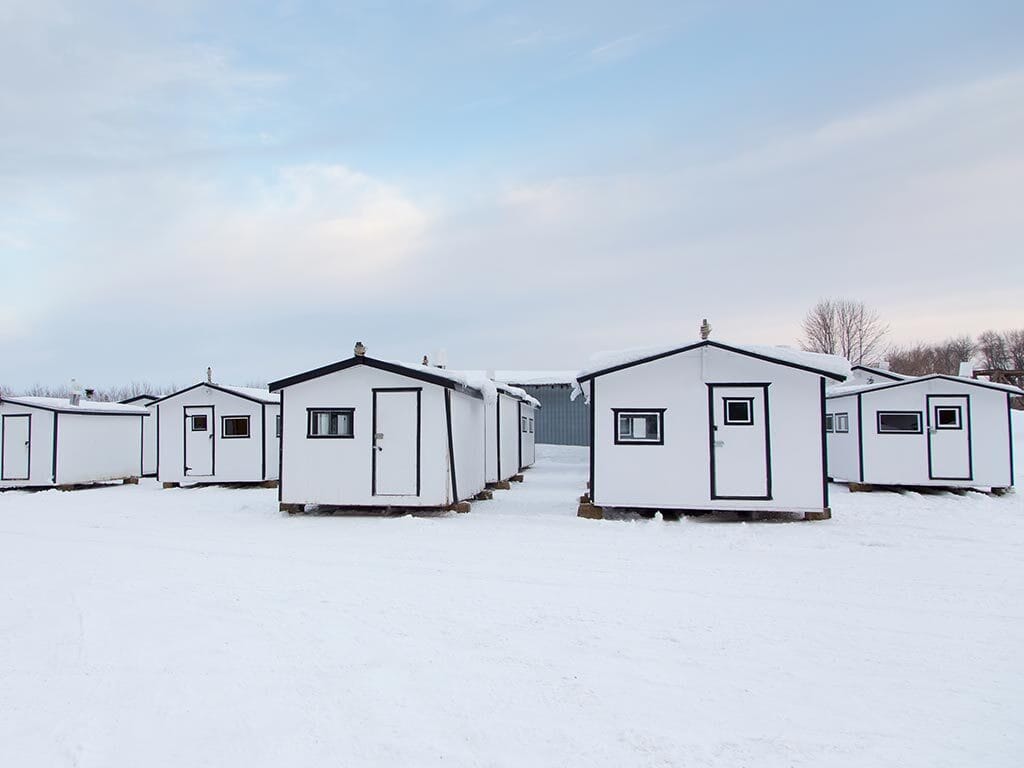
Why Visit: The festive atmosphere, with heated cabins and fast-paced action, creates a social ice fishing experience unlike any other in Canada. The village becomes a temporary ice fishing city each season.
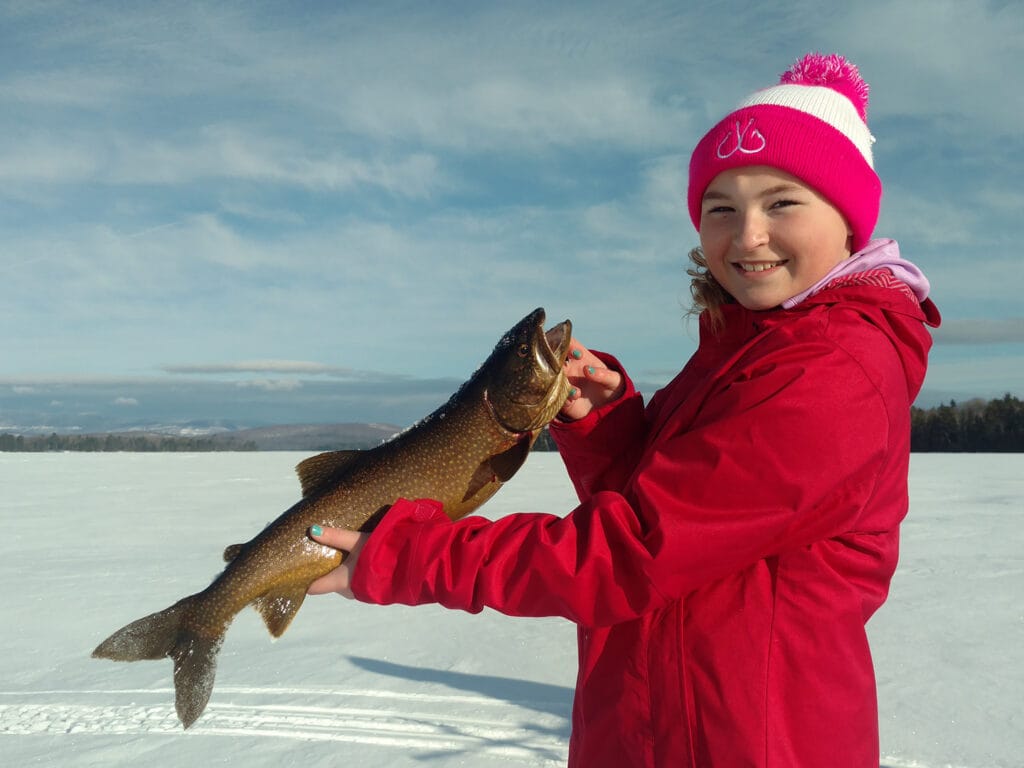
Essential Ice Fishing Gear for Canadian Waters
Success on the ice requires proper equipment. Here are the must-have items and top Amazon recommendations:
1. Ice Fishing Rod and Reel Combo
Recommended: Nordic Legend Carbon Fiber Ice Fishing Rod and Reel Combo
- Carbon fiber construction for sensitivity
- Multiple length options (26″-36″)
- Pre-spooled with quality line
- Perfect for walleye and perch
2. Ice Auger with Power Drill Adapter
Recommended: SFNSM Ice Fishing Auger Drill Attachment with Metal Plate
- Compatible with standard power drills
- 8-inch drilling diameter
- Durable metal construction
- Essential time-saver on thick ice
3. Portable Ice Fishing Shelter
Recommended: VEVOR Pop-Up Ice Fishing Tent
- Insulated hub-style design
- Multiple size options (1-8 persons)
- Waterproof oxford fabric
- Includes anchors and carry bag
4. Ice Fishing Safety Kit
Recommended: MADHOLLY Ice Safety Picks with Retractable Spikes
- Bright orange for visibility
- Retractable design for safety
- Elastic lanyard attachment
- Emergency whistle included
5. Ice Fishing Scoop
Recommended: Yudlto Adjustable Ice Fishing Skimmer Scoop
- Telescopic metal handle
- Extra-large scooping area
- Lightweight aluminum construction
- Essential for clearing holes
For more gear recommendations, visit our fishing gear accessories guide.
Ice Fishing Techniques for Canadian Lakes
Understanding Ice Safety
Near-shore ice is often much thicker and safer than ice farther out, especially at the start of the winter season. Check thickness regularly with a spud bar or auger as you move farther out. Always ensure at least 4 inches of clear ice for walking, 5-7 inches for snowmobiles, and 8-12 inches for vehicles.
Jigging Techniques
Jigging remains the most effective ice fishing method in Canada. The technique varies by species:
- Walleye: Subtle lifts with 3-5 second pauses
- Pike: Aggressive jigging with larger spoons
- Perch: Quick, short lifts with small jigs
- Lake Trout: Slow, deep jigging near bottom
Master these and more in our ice fishing techniques guide.
Tip-Up Fishing
Tip-ups allow you to fish multiple holes simultaneously, increasing your odds. This method works exceptionally well for pike and lake trout, which often strike aggressively at live bait.
Electronics and Fish Finders
Modern ice anglers rely on portable fish finders to locate fish beneath the ice. These devices show depth, bottom structure, and fish location in real-time.
Best Times for Ice Fishing in Canada
Most visitors find the preferred ice fishing season starts in late March and continues through to May, when the slightly warmer weather and longer daylight hours draw the fish up from the lake bottom with hungry springtime appetites.
However, timing varies by region:
- Early Season (December-January): First ice often provides excellent fishing as fish haven’t been pressured
- Mid-Season (January-February): Most stable ice conditions, coldest temperatures
- Late Season (March-April): Increased fish activity as spring approaches
Learn more about best times to fish throughout the year.
Ice Fishing Regulations and Licensing
All Canadian provinces and territories require fishing licenses. Requirements vary by jurisdiction, but generally include:
- Valid fishing license for the province/territory
- Ice hut registration in some areas
- Adherence to catch limits and size restrictions
- Mandatory ice hut removal dates
Review our comprehensive fishing license guide for detailed requirements.
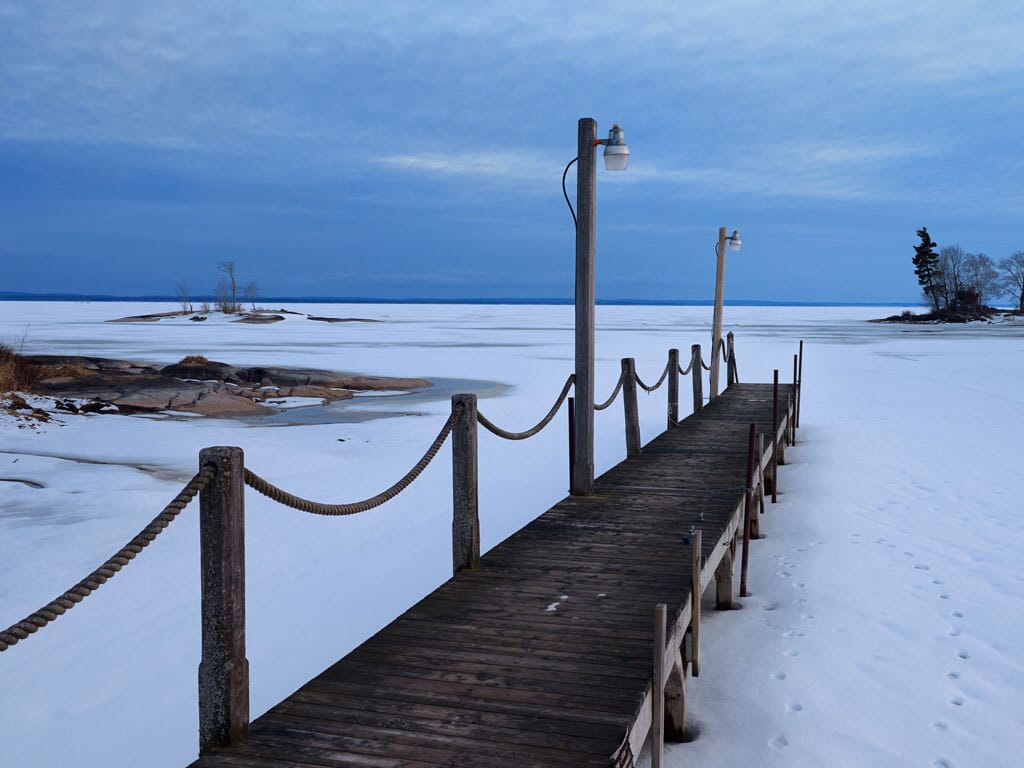
Historical Significance of Ice Fishing in Canada
Long before it was considered a form of recreation, ice fishing “was a matter of survival”. Archeological findings of tools and equipment across those Arctic regions show the ubiquity and sophistication of the practice among these early communities.
The Ojibwe people of northern Ontario were among the first to rely on ice fishing as a source of food, using bone and stone tools to create fishing holes and wooden decoys to attract fish.
Learn more about ice fishing history on Wikipedia.
Planning Your Canadian Ice Fishing Trip
Accommodation Options
Canadian ice fishing destinations offer diverse lodging:
- Full-service ice fishing resorts with heated cabins
- Traditional lodges with meals included
- Self-catering cottages
- Hotel accommodations in nearby towns
- On-ice overnight fishing shacks (at select locations)
Guided vs. DIY Trips
Guided Trips Offer:
- Local knowledge of productive areas
- All equipment provided
- Transportation on ice
- Fish cleaning and packaging services
DIY Trips Provide:
- Cost savings
- Flexibility and independence
- Opportunity to explore and learn
What to Pack
- Layered cold-weather clothing
- Insulated boots rated to -40°F
- Warm gloves and face protection
- Extra hand warmers and toe warmers
- High-energy snacks and hot beverages
- First aid kit
- GPS or compass
- Emergency supplies
Check our beginner fishing mistakes to avoid common pitfalls.
Canadian Ice Fishing Tournaments and Events
Currently, the world’s largest contest, the Brainerd Jaycees Ice Fishing Extravaganza, is held on Gull Lake, north of Brainerd, Minnesota, in January of each year. The contest has over 15,000 anglers and drills over 20,000 holes.
Canada hosts numerous notable events:
- Lake Simcoe Ice Fishing Challenge – Multi-week tournament with substantial prizes
- Wawa Ice Fishing Derby – Northern Ontario’s premier event
- Canadian Ice Fishing Championship – Held annually on Lake Simcoe
Discover more fishing tournaments and events.
Conservation and Sustainable Ice Fishing
Some practices in ice fishing involve releasing the fish once it is caught, also known as catch-and-release ice fishing. During the period, fish go through an increase in stress level that can impact their metabolism.
Best practices include:
- Use barbless hooks for easier release
- Minimize air exposure time
- Handle fish with wet hands or gloves
- Support fish properly during photos
- Revive fish before release
- Follow all size and bag limits
Climate Considerations and Future of Ice Fishing
In Minnesota, warmer winters have resulted in the cancellation of fishing tournaments and reduction in ice fishing, influencing the social network, food security, and overall well-being of communities. Canadian anglers face similar concerns as climate patterns shift.
However, Canada’s northern geography ensures ice fishing will remain viable for decades to come, particularly in higher latitudes and deeper lakes.
Frequently Asked Questions About Ice Fishing in Canada
What is the best ice fishing destination in Canada?
Lake Simcoe in Ontario is widely regarded as Canada’s ice fishing capital, offering exceptional fishing for lake trout, whitefish, yellow perch, and black crappie. The lake hosts major ice fishing tournaments, including the famous Ice Fishing Challenge, and provides excellent accessibility just north of Toronto. Other top destinations include Great Slave Lake in the Northwest Territories for trophy fish, Lake of the Woods for diverse species, and Lake Winnipeg for legendary greenback walleye.
When is the best time for ice fishing in Canada?
The prime ice fishing season in Canada typically runs from late December through early April, with peak conditions occurring in January and February when ice is most stable. However, many experienced anglers prefer late season fishing (March-April) when warmer weather and longer daylight hours trigger increased fish activity and hungry springtime appetites. Early ice (December-January) also provides excellent fishing as fish haven’t been pressured yet. The specific timing varies by region, with northern locations like Northwest Territories offering fishing into May.
Do I need a fishing license for ice fishing in Canada?
Yes, all Canadian provinces and territories require valid fishing licenses for ice fishing. Requirements vary by jurisdiction but generally include a provincial or territorial fishing license, adherence to catch limits and size restrictions, and in some areas, ice hut registration. Non-residents typically pay higher fees than residents. Some locations also mandate specific ice hut removal dates in spring. Always check the specific regulations for your chosen destination, and consider purchasing multi-day or annual licenses for extended trips.
How thick should ice be for safe ice fishing in Canada?
Safe ice thickness requirements in Canada are: minimum 4 inches of clear ice for walking and drilling holes, 5-7 inches for snowmobiles and ATVs, and 8-12 inches for light vehicles like cars and trucks. However, these are minimum guidelines—thicker is always safer. Near-shore ice is often much thicker and safer than ice farther out, especially early in the season. Always check thickness regularly with a spud bar or auger as you move across the lake, wear ice safety picks, fish with partners, and inform someone of your location and expected return time.
Preparing Delicious Fish Recipes
After a successful ice fishing trip, enjoy your catch with these recipe ideas:
Explore our complete collection of fish recipes.
Expert Tips for Canadian Ice Fishing Success
- Fish During Peak Times: Dawn and dusk typically provide the best bite windows
- Vary Your Presentation: If fish aren’t responding, change jigging cadence or bait
- Stay Mobile: Don’t be afraid to drill multiple holes and explore different depths
- Watch Local Anglers: Successful patterns often spread across fishing communities
- Use Quality Line: Ice-specific line resists freezing and maintains sensitivity
Read our 25 fishing pro tips for more insights.
Community and Social Aspects
Ice angling is a widespread Canadian pastime from Labrador to the Okanagan Valley and from Lancaster Sound to Lake St Clair. The ice fishing community in Canada is welcoming and passionate, with anglers readily sharing tips and celebrating catches together.
Join the fishing community to connect with other enthusiasts.
Conclusion: Your Canadian Ice Fishing Adventure Awaits
Ice fishing in Canada offers unmatched opportunities for winter anglers. Whether you’re targeting trophy lake trout in the Northwest Territories, enjoying family-friendly perch fishing on Lake Simcoe, or experiencing the unique tomcod fishery in Quebec, Canada delivers world-class experiences.
With proper preparation, quality gear, and respect for safety protocols, your Canadian ice fishing adventure will create lasting memories. The combination of stunning winter landscapes, abundant fish populations, and warm hospitality makes Canada the premier ice fishing destination in North America.
Start planning your trip today by reviewing our fishing gear guides, learning essential knot-tying techniques, and discovering more about saltwater fishing opportunities during other seasons.
External Resources
Last Updated: January 2026 | Ready to explore ice fishing in Canada? Check out our complete fishing blog for more guides, tips, and destination recommendations.
4 thoughts on “Ultimate Guide to Ice Fishing Destinations in Canada 2026: Best Lakes, Gear & Expert Tips”