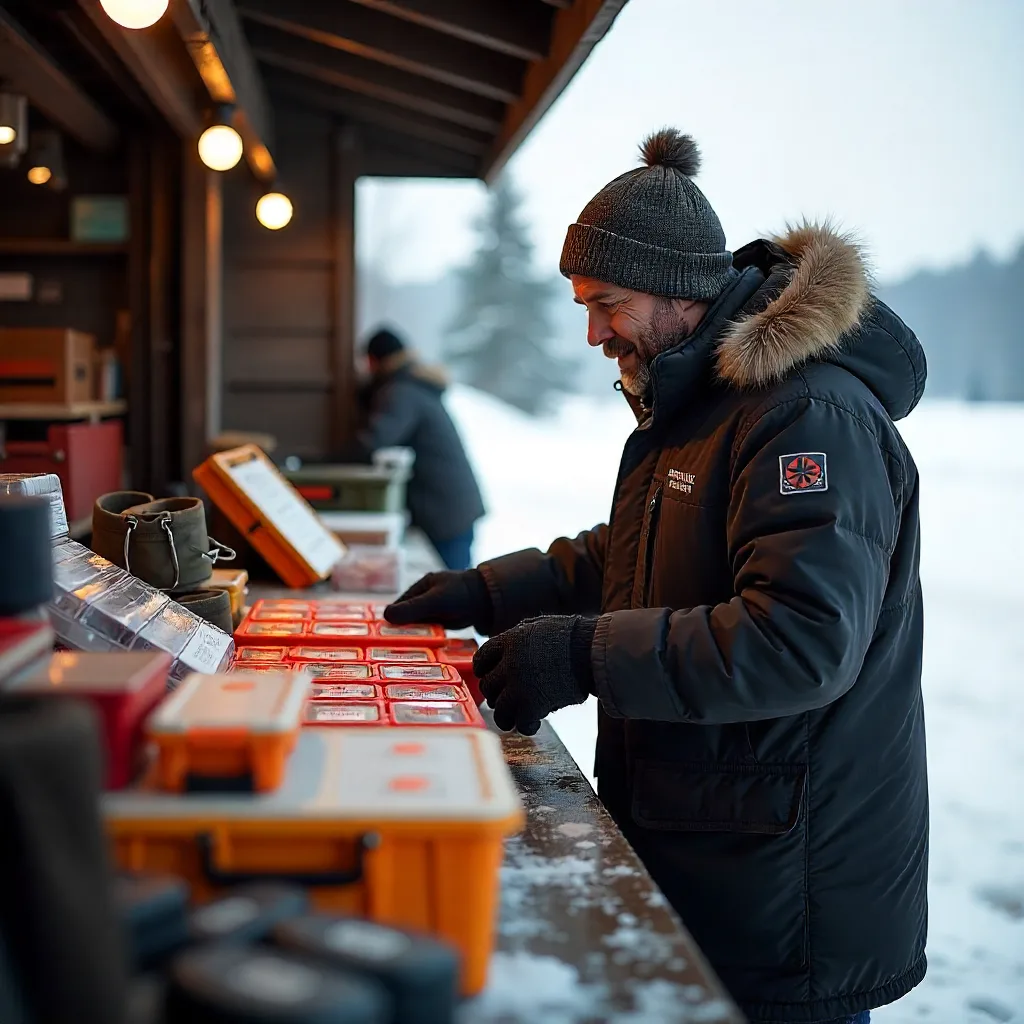
Getting into ice fishing shouldn’t require taking out a second mortgage. Too many beginners walk into tackle shops and leave with $800 worth of gear they don’t need yet. Smart ice fishing buying tips focus on essential equipment that gets you fishing successfully without breaking the bank. This guide shows you exactly what to buy first, what to skip, and how to build your ice fishing arsenal wisely.
I made every mistake in the book when I started ice fishing—buying expensive gear I didn’t understand how to use while skipping basics that actually mattered. Three seasons later, I finally figured out the smart approach. Let me save you the expensive learning curve.

Start with the Absolute Essentials
Before spending a dime, understand this principle: you need surprisingly little gear to catch fish through the ice. These ice fishing buying tips focus on what actually matters.
The True Essentials (Budget: $100-150)
Ice Auger – Hand auger, 6-inch diameter ($40-60) Your absolute first purchase. Without a hole, you can’t fish. Hand augers work perfectly for beginners drilling a few holes. Check our complete ice fishing guide for technique basics.
Rod and Reel Combo – Ultra-light setup ($30-50) One simple spinning combo handles panfish, perch, and trout—the species most beginners target. Don’t buy multiple rods yet.
Basic Tackle – Small jigs and spoons ($15-25) A dozen small jigs in various colors plus a few ice fishing spoons covers most situations.
Line – 4-6 lb mono or light braid ($8-12) Quality line matters. Budget $10-15 for good fishing line.
Ice Scoop – Remove slush from holes ($5-10) Essential but cheap. Even a kitchen strainer works initially.
5-Gallon Bucket – Seat and storage ($5) Dual purpose—sit on it while fishing, carry gear in it.
Safety: Ice picks, cleats for boots, throw rope. Don’t skip safety gear. Visit our ice fishing techniques guide for safety information.
Total: $103-$162 for everything needed to actually fish successfully.
Compare this to the $800+ beginners often spend on gear they won’t use for years. Start minimal, add purposefully as you gain experience and understand what you actually need.
Ice Auger: Your First Major Investment
The ice auger deserves special attention because it’s your most important tool and often the priciest single item.
Hand Augers ($40-100)
Best for: Beginners fishing 2-4 hours, drilling 10-20 holes maximum, good physical condition, budget-conscious buyers.
Pros:
- No maintenance—just sharpen blades occasionally
- Lightweight and portable
- Cheap to buy and own
- Quiet (doesn’t spook fish)
- Never runs out of power
Cons:
- Physical work increases with ice thickness
- Slower than power augers
- Tiring when drilling many holes
- Difficult in 20+ inches of ice
Buying Tips:
- 6-inch diameter perfect for panfish, perch, small walleye
- 8-inch if targeting pike or large walleye
- Buy quality brands (Strikemaster, Eskimo, Mora) that hold sharp edges
- Sharp blades matter more than anything else
Budget Pick: Strikemaster Mora 6″ Hand Auger ($40-50) Best Value: Eskimo Hand Auger 6″ ($60-70)
Check our Eskimo ice fishing gear review for detailed product information.
Power Augers ($300-800+)
Skip these initially unless you have specific reasons (physical limitations, drilling 50+ holes per trip, extremely thick ice).
When to Upgrade:
- After one full season of hand auger use
- When fishing becomes regular weekly activity
- When targeting aggressive, mobile species requiring many holes
- When physical limitations make hand drilling difficult
Types: Gas-powered ($300-400), electric battery-powered ($400-800)
Smart Approach: Use hand auger first season. If you stick with ice fishing, upgrade to power auger second season. Many beginners buy expensive power augers, use them twice, and sell for huge losses.
Rod and Reel: Keep It Simple
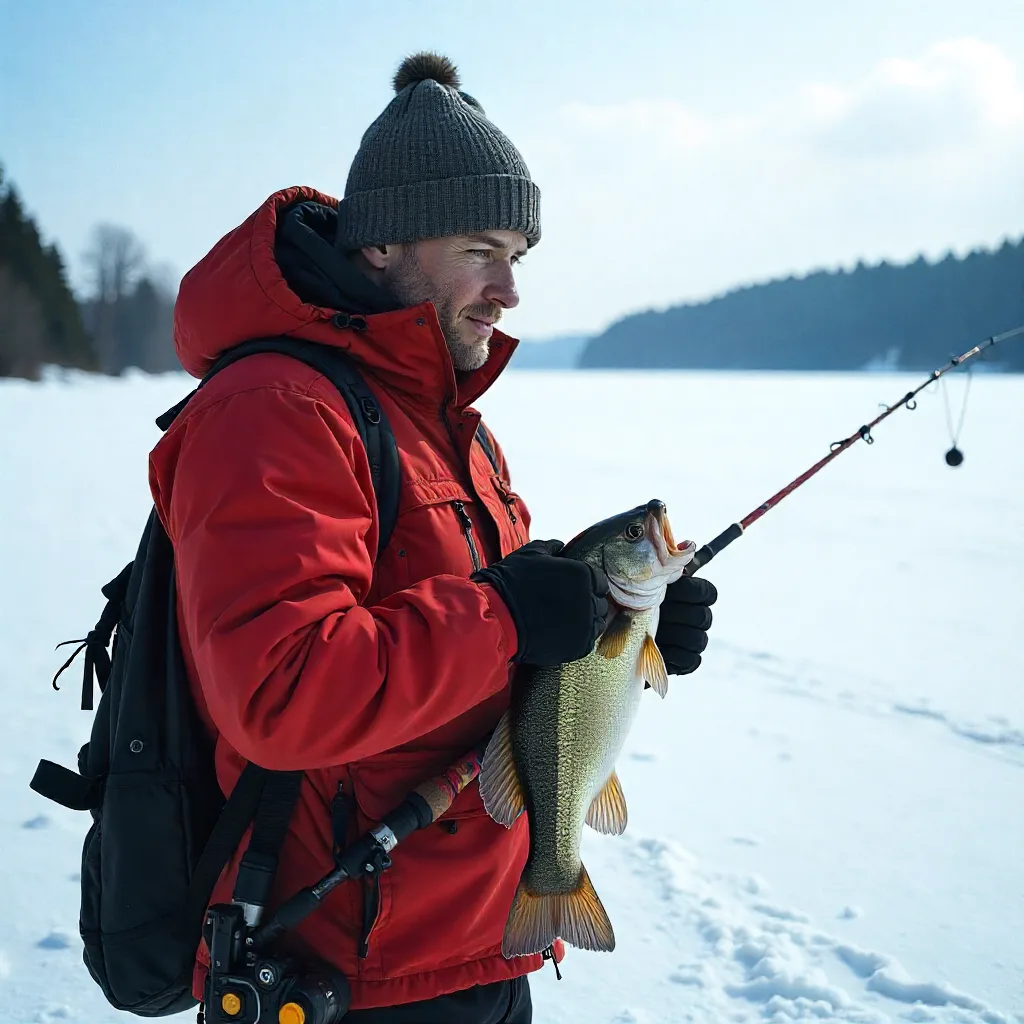
Ignore the wall of 50 different ice fishing rods at the tackle shop. You need one quality combo to start.
The Perfect First Rod
Specifications:
- Length: 24-32 inches (medium length, versatile)
- Action: Medium-light to light
- Power: Ultra-light to light
- Type: Spinning combo
Why These Specs:
- Medium length works in shelters and open ice
- Light power handles panfish through walleye
- Spinning reels are intuitive for beginners
- Combo ensures rod and reel are matched properly
Price Range: $30-60 for quality beginner combo
Brands to Consider:
- 13 Fishing Whiteout Combo ($40-50)
- Scheels Outfitters Ice Combo ($30-40)
- Frabill Straight Line Bro Combo ($35-45)
See our best fishing rods for beginners guide for more recommendations.
What About Multiple Rods?
Not yet. Master one rod setup before buying specialty rods. After gaining experience, you might add:
- Dead-stick rod for live bait (second season)
- Heavier rod for pike/walleye (when targeting these specifically)
- Ultra-light noodle rod for finicky panfish (after mastering basics)
One versatile rod handles 90% of beginner ice fishing situations.
Reel Considerations
Spinning Reels: Best for beginners. Intuitive, reliable, handles various line types.
Inline Reels: Growing popularity. Excellent for experienced anglers but unnecessary complexity for beginners.
Stick with spinning for your first setup. You can explore inline reels later if you want.
Line Selection for Ice Fishing
Line choice significantly impacts success, yet many beginners grab whatever’s cheapest. These ice fishing buying tips for line will serve you well.
Monofilament ($8-12)
Best First Choice for Most Beginners
Pros:
- Cheap and easy to manage
- Stretches (forgiving for beginners learning hook-sets)
- Floats (good for shallow water)
- Easy to tie knots
- Handles cold well with proper treatment
Cons:
- More stretch means less sensitivity in deep water
- Thicker diameter than braid for same strength
Recommended: 4-6 lb test for panfish/perch, 6-8 lb for walleye
Good Brands: Berkley Trilene Cold Weather, Sufix Ice Magic
For comprehensive line information, see our fishing line guide.
Braided Line ($12-20)
Consider After One Season of Experience
Pros:
- Zero stretch = maximum sensitivity (feel lightest bites)
- Thin diameter = less water resistance
- Strong for diameter
- No memory = doesn’t coil
Cons:
- Visible in clear water (use fluorocarbon leader)
- More expensive
- Can freeze and ice up in extreme cold
- Requires better knot-tying skills
When to Switch: After mastering basic ice fishing, especially when fishing deep water (25+ feet) where sensitivity matters.
Quality Option: PowerPro Ice Fishing Line – worth the investment when you’re ready.
Fluorocarbon ($10-15)
Skip Initially, Add Later as Leader Material
Fluorocarbon is nearly invisible underwater but expensive. As a beginner, save money and use mono mainline. Later, add fluorocarbon leaders (18-24 inches) when fishing clear water or pressured fish.
Tackle and Lures: Build Gradually
Tackle shops have walls of ice fishing lures. You need maybe 15% of what they’re selling.
Essential Tackle for First Season
Small Jigs ($10-15 for assortment):
- Tungsten jigs, #12-#16 size
- Colors: gold, silver, glow, pink, chartreuse, natural
- Buy assortment pack – usually best value
Small Spoons ($8-12):
- #3-#5 sizes
- Swedish Pimple, Kastmaster, Williams – all work
- Gold and silver to start
Soft Plastics ($5-8):
- Small paddle tails
- Berkley Gulp! Waxies (artificial wax worms)
- For tipping jigs
Live Bait:
- Buy fresh from local bait shops each trip
- Waxworms (waxies), spikes (maggots), small minnows
- Budget $5-10 per trip
Organization:
- Small tackle box or bag ($10-20)
- Keep it simple initially
Total Tackle Investment: $40-60 for first season
What NOT to Buy Yet
❌ Expensive jigging Rapalas ($10+ each) ❌ Specialized tungsten lures ($8+ each) ❌ Underwater cameras ($200-500) ❌ Flashers ($300-500) ❌ Tip-ups (unless targeting pike specifically)
Add these after you’re consistently catching fish with basics and understand what you actually need.
Clothing and Safety Gear
You can’t catch fish if you’re dangerously cold or unsafe. Don’t cheap out here.
Essential Clothing
Layering System ($100-200 total):
Base Layer ($20-40):
- Moisture-wicking synthetic or merino wool
- Top and bottom
- Skip cotton completely
Mid Layer ($30-50):
- Fleece or synthetic insulation
- Traps warm air
Outer Layer ($50-100):
- Waterproof, windproof shell
- Insulated jacket and bibs/pants
- Decent quality matters here
Boots ($60-150):
- Rated to -40°F minimum
- Removable felt liners
- Don’t cheap out on boots—cold feet end fishing trips
Accessories ($20-40):
- Warm hat covering ears
- Insulated gloves (bring backup pair)
- Neck gaiter or balaclava
- Quality wool or synthetic socks
Total: $180-380 for complete clothing system
Money-Saving Tip: Buy quality boots and outer layers. Base and mid layers can be cheaper initially. Upgrade over time.
Learn more about seasonal fishing preparations including winter gear.
Safety Equipment (Non-Negotiable)
Ice Safety Picks ($8-15) – Wear around neck outside clothing Ice Cleats ($15-25) – Attach to boots for traction Throw Rope ($10-20) – 50+ feet, floating Whistle ($3-5) – Emergency signaling Fully Charged Phone – In waterproof case
Total Safety Investment: $36-65
This gear could save your life. Budget for it before buying extra tackle.
What to Buy Later
These items enhance ice fishing but aren’t necessary for beginners. Add them as your experience and commitment grow.
Season 2-3 Additions
Electronics ($200-500+)
- Flashers or fish finders help locate fish
- Significantly increase catch rates
- Learn to catch fish without them first
- Then electronics accelerate success
Portable Ice Shelter ($100-400)
- Flip-over or hub-style
- Extends fishing in bad weather
- Comfort improves time on ice
- Start by enduring elements, upgrade for comfort
Power Auger ($300-800)
- After proving you’ll fish regularly
- Huge time-saver for active fishing styles
- Expensive investment for uncertain commitment
Tip-Ups ($20-40 each)
- For passive fishing and covering more holes
- Excellent for pike fishing
- Buy 2-3 after mastering active jigging
Additional Rods ($30-60 each)
- Specialty setups for specific situations
- Dead-stick rod for minnows
- Heavier rod for big fish
Sled ($30-80)
- Hauling gear across ice
- Children’s plastic sleds work initially
- Dedicated ice fishing sleds better but pricier
Underwater Camera ($200-600)
- Fun to see fish approach
- Educational for understanding fish behavior
- Luxury item, not necessity
When to Upgrade
Ask yourself:
- Do I ice fish 10+ times per season?
- Am I consistently catching fish with basic gear?
- Do I understand why I want this specific item?
- Will it solve a specific problem I’m experiencing?
If yes to all four, upgrade is justified. If not, stick with basics longer.
Budget Breakdown by Experience Level
Here’s realistic ice fishing buying tips broken down by commitment level:
Absolute Beginner Trying It Out ($150-200)
- Hand auger: $50
- Rod/reel combo: $40
- Line and terminal tackle: $20
- Basic tackle assortment: $30
- Ice scoop and bucket: $10
- Use existing winter clothing initially
Goal: Catch fish, determine if you enjoy ice fishing, minimal investment risk.
Committed First Season ($300-400)
- Quality hand auger: $70
- Good rod/reel combo: $50
- Quality line and leaders: $25
- Expanded tackle selection: $50
- Proper layering system: $100 (if needed)
- Safety equipment: $50
- 5-gallon bucket seat: $15
- Basic organization: $20
Goal: Fish comfortably and successfully all season.
Experienced Second Season ($700-1,000)
Everything from first season, plus:
- Entry-level flasher or fish finder: $250
- Second rod setup: $60
- Tip-ups (2-3): $60-90
- Portable flip-over shelter: $150
- Upgraded tackle: $50
- Better auger or upgrade to budget power auger: $200
Goal: Increase efficiency, comfort, and catch rates.
Serious Multi-Season Angler ($1,500-3,000+)
Build over 2-3 seasons:
- Quality power auger: $500-800
- Multiple specialty rods: $200-300
- High-end electronics: $500-700
- Quality shelter with heater: $400-600
- Extensive tackle collection: $200-300
- Sled and organization: $100-150
- Underwater camera: $300-500
- Quality ice fishing bibs and jacket: $300-500
Goal: Maximum effectiveness and comfort for regular fishing.
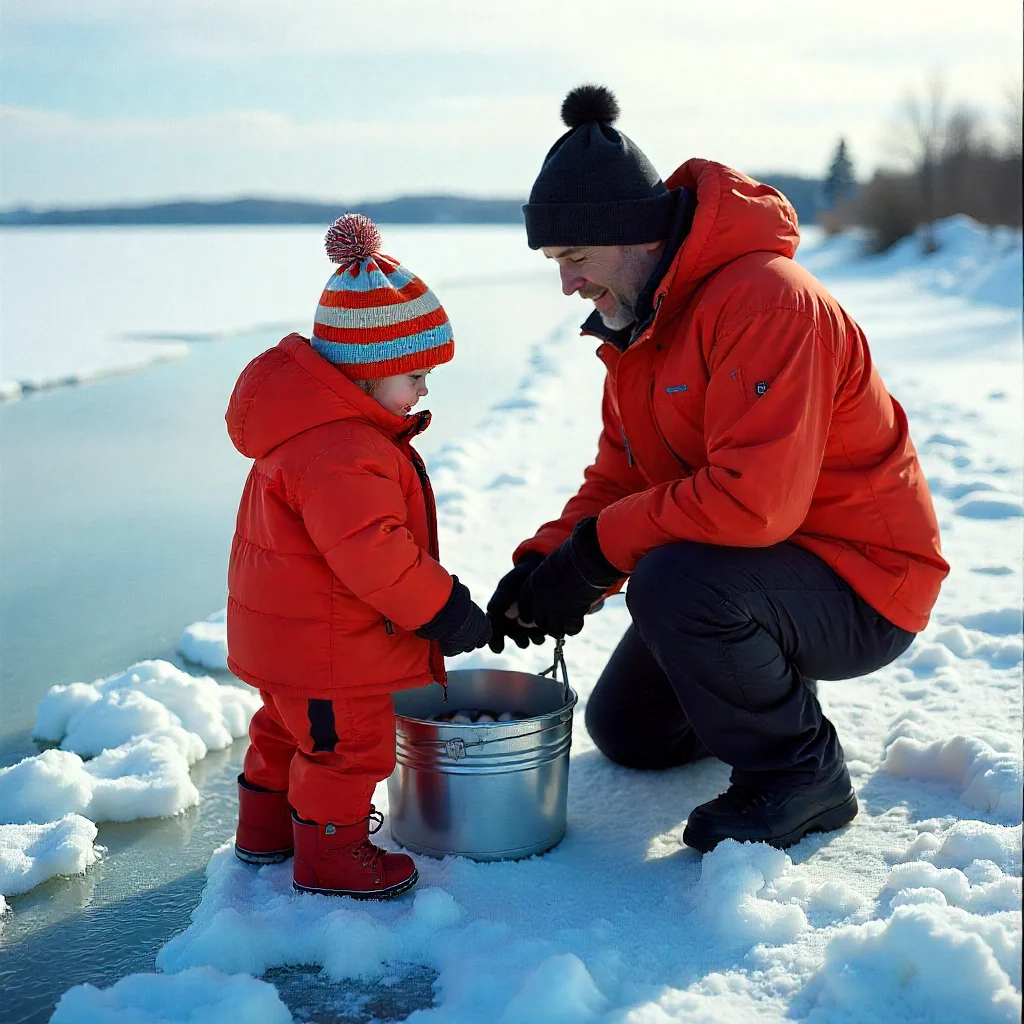
Where to Buy Ice Fishing Gear
Smart shopping saves significant money on ice fishing equipment.
Best Places to Buy
Local Bait and Tackle Shops
- Pros: Expert advice, local knowledge, support small business, try before buying
- Cons: Higher prices, limited selection
- Best for: Augers, rods you want to handle first, local information
- Find shops with our bait shop locator guide
Big Box Sporting Goods (Bass Pro, Cabela’s, Scheels)
- Pros: Large selection, competitive prices, sales and deals
- Cons: Less expert staff, generic advice
- Best for: Clothing, basic gear, comparing multiple options
Online Retailers (Amazon, Tackle Warehouse)
- Pros: Best prices, huge selection, convenient, reviews
- Cons: Can’t handle before buying, shipping delays
- Best for: Line, tackle, accessories, specific brands you know
Walmart, Fleet Farm, Dick’s Sporting Goods
- Pros: Convenient, budget-friendly options
- Cons: Limited selection, minimal expertise
- Best for: Buckets, basic supplies, emergency replacements
Facebook Marketplace, Craigslist, Garage Sales
- Pros: Deep discounts, lightly used gear
- Cons: No warranty, may need repairs, meet-up hassles
- Best for: Augers, shelters, electronics (if working)
When to Buy
Best Sales:
- Post-Season (March-April): 30-50% off as shops clear inventory
- Black Friday/Cyber Monday: 20-40% off online
- Early Season (November): Modest discounts, full selection
Pro Tip: Buy major items (augers, shelters, electronics) off-season when prices drop significantly.
Common Buying Mistakes to Avoid
Learn from others’ expensive errors:
Mistake 1: Buying Everything at Once
Why It’s Wrong: You don’t know what you need yet. Preferences develop with experience.
Smart Approach: Buy essentials. Add one piece every few trips as you identify specific needs.
Mistake 2: Cheapest Everything
Why It’s Wrong: Super-cheap gear breaks or underperforms, costing more long-term.
Smart Approach: Buy quality essentials even if more expensive. Budget brands fine for items you’ll replace or upgrade soon anyway.
Mistake 3: Most Expensive Everything
Why It’s Wrong: Premium features wasted on beginners who can’t utilize them.
Smart Approach: Mid-range gear performs excellently. Save premium purchases for after gaining experience.
Mistake 4: Buying for Instagram, Not Fishing
Why It’s Wrong: Fancy gear doesn’t catch fish—skill and time do. Cool gear is nice but secondary.
Smart Approach: Prioritize function over appearance. Proven simple gear outperforms trendy expensive gear.
Mistake 5: Ignoring Safety
Why It’s Wrong: Ice fishing involves real danger. No catch is worth risking life.
Smart Approach: Safety gear is non-negotiable. Budget for it before buying extra tackle or gadgets.
Mistake 6: Wrong Size Auger
Why It’s Wrong: Too small limits species options. Too large is exhausting to use.
Smart Approach: 6-inch perfect for panfish/perch. 8-inch if targeting larger species. Most beginners should choose 6-inch.
Mistake 7: Skipping Live Bait
Why It’s Wrong: Artificial lures work but live bait catches more fish for beginners.
Smart Approach: Budget $5-10 per trip for fresh live bait from local shops.
Mistake 8: Forgetting Licenses
Why It’s Wrong: Expensive fines ruin trips. You’re breaking the law.
Smart Approach: Purchase valid fishing license before first trip. Check our guide for state requirements.
For more beginner advice, see beginner fishing mistakes and fishing tips for beginners.
The smartest ice fishing buying tips boil down to this: start minimal, add purposefully. You don’t need a $2,000 setup to catch fish through the ice. A $150 essential kit catches fish just as well for beginners.
Focus your initial budget on these priorities:
- Safety gear (ice picks, cleats, safety rope)
- Warm clothing that actually works
- Quality hand auger with sharp blades
- One good rod/reel combo
- Basic tackle assortment
- Valid fishing license
Skip the fancy gadgets, multiple specialized rods, expensive electronics, and elaborate shelters until you’ve spent a full season on ice and understand what you actually need.
Most importantly, get out there and fish. The best gear won’t catch fish sitting in your garage. Simple gear in experienced hands outperforms expensive equipment used poorly every time.
Learn the basics with minimal investment. Master the fundamentals. Then strategically upgrade specific items that address problems you’ve actually experienced. This measured approach saves hundreds or thousands of dollars while ensuring you’re always fishing with gear you understand and need.
Now stop researching and start fishing. The ice is waiting, and those panfish don’t care if your rod cost $40 or $400. Make smart buying decisions, fish often, and enjoy the incredible experience of ice fishing. ❄️🐟
Quick Shopping Checklist
Before Your First Trip:
- [ ] Hand auger (6-inch, sharp blades)
- [ ] One ultra-light spinning combo
- [ ] 4-6 lb test line (mono or light braid)
- [ ] Assorted small jigs and spoons
- [ ] Ice scoop or large ladle
- [ ] 5-gallon bucket (seat and storage)
- [ ] Warm base, mid, and outer layers
- [ ] Boots rated to -40°F
- [ ] Ice safety picks
- [ ] Ice cleats for boots
- [ ] Valid fishing license
- [ ] Fresh live bait
Optional but Helpful:
- [ ] Sunglasses (sun reflects intensely)
- [ ] Sunscreen and lip balm
- [ ] Small first aid kit
- [ ] Thermos with hot drinks
- [ ] Hand and toe warmers
7 thoughts on “ice fishing buying tips : Gear Guide 2026”