How To Rig Plastic Worm ? Soft plastic baits are one of the most diverse tackle options for anglers, crossing over from freshwater to saltwater and coming in all shapes, sizes, colors, styles, and even scents. Since this tackle can be used in numerous environments to target virtually any fish species on the planet, anglers have mastered how to rig a plastic worm to accommodate almost any scenario. The Texas rig represents one of the most common and effective plastic worm techniques, characterized by its weedless nature and serving as the basis for many variations including drop shot rigs and Carolina rigs.
Learning how to rig a plastic worm Texas-style opens fishing opportunities in heavy cover where bass and other gamefish hide—thick vegetation, timber, brush piles, lily pads, and dense aquatic plants that would snag most other presentations. This weedless presentation allows you to put soft plastics right in the action where structure provides shelter, breaks from current, and creates ambush points that attract fish. Whether you’re fishing shallow weed flats, deep structure, or anything in between, mastering the Texas rig dramatically increases your bass fishing success. This comprehensive guide covers everything you need including required materials, step-by-step rigging instructions, common mistakes to avoid, weight and hook selection, fishing techniques, and variations for different conditions.
What You’ll Need for Texas Rigging : how to rig plastic worm
Essential Components
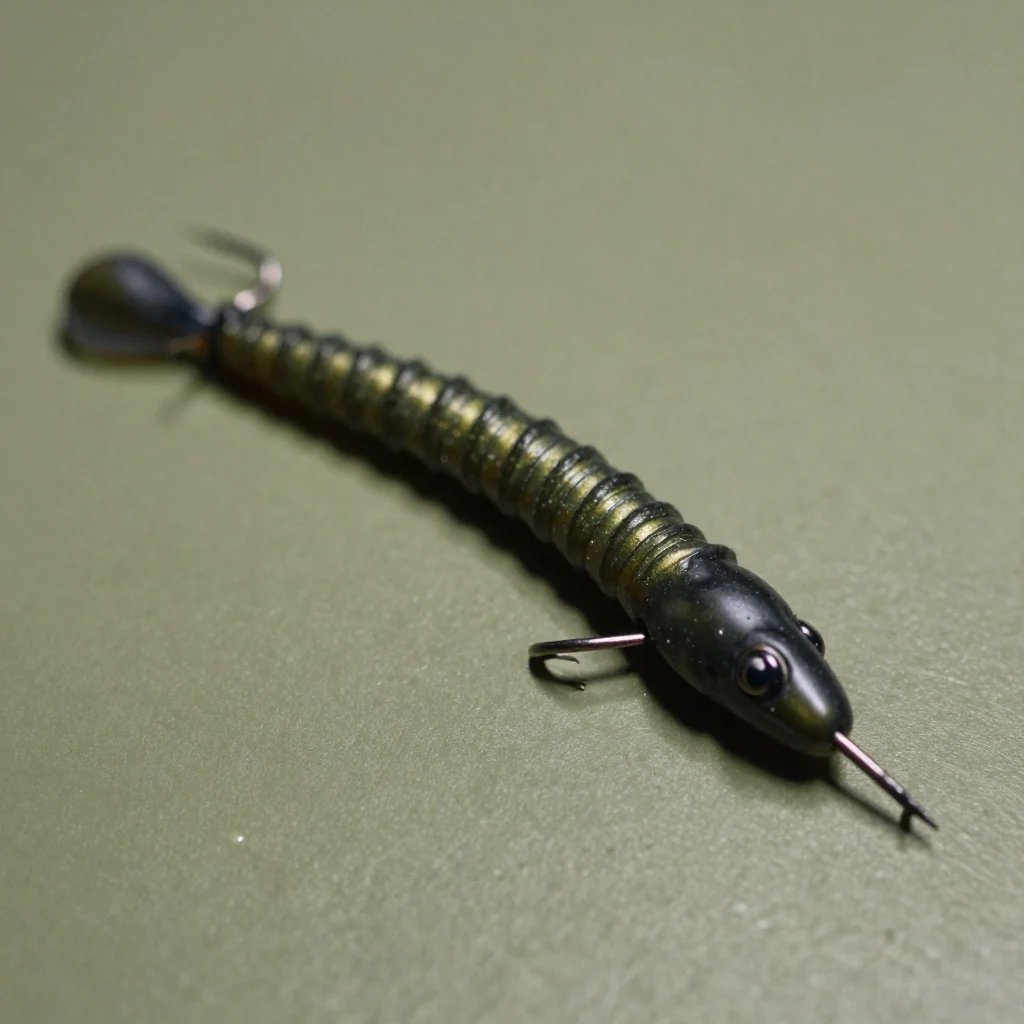
The basic components of the Texas rig include a soft plastic lure, bullet-shaped weight, and offset hook:
- Soft Plastic Bait: Worms, creature baits, craws, lizards, beavers, swimbaits, or any soft plastic
- Offset Worm Hook: Specialized hook with 90-degree bend designed for weedless rigging
- Bullet Weight (Optional but Recommended): Cone-shaped sliding weight, typically 1/8 to 1 ounce
- Glass or Plastic Bead (Optional): Protects knot and creates clicking sound
- Pegging Device (Optional): Toothpick, bobber stop, or specialized peg to keep weight from sliding
A basic Texas rig setup does not require a weight. However, most anglers thread a bullet-shaped weight on the main fishing line because the weight increases casting distance, ensures the head of the lure remains in proper position as the lure swims through water, and helps avoid snags and vegetation buildup on the line.
Hook Selection Guide
We think the best hooks for Texas rigging are offset worm hooks or EWG (Extra Wide Gap) hooks. An offset worm hook just means it has a 90-degree elbow that is made specifically for Texas rigging. Use standard offset worm hooks if you’re Texas rigging thin worms like ribbon tail or straight tail worms. Use an EWG if you’re Texas rigging larger soft plastic lures like creature baits or beaver-style flipping baits. If there’s a lot more plastic to clear when you set the hook, you need a larger gap. bassresource
Hook Size Chart:
| Soft Plastic Size | Hook Size | Hook Type |
|---|---|---|
| 4-5 inch worms | 2/0-3/0 | Offset worm hook |
| 6-7 inch worms | 3/0-4/0 | Offset worm hook |
| Creature baits/craws | 4/0-5/0 | EWG hook |
| Large beaver baits | 5/0-6/0 | EWG hook |
| Finesse worms | 1/0-2/0 | Offset worm hook |
For comprehensive hook knot guidance, review our Texas rig knot guide.
How to Rig a Plastic Worm Texas Style: Step-by-Step
Step 1: Prepare Your Line and Hook
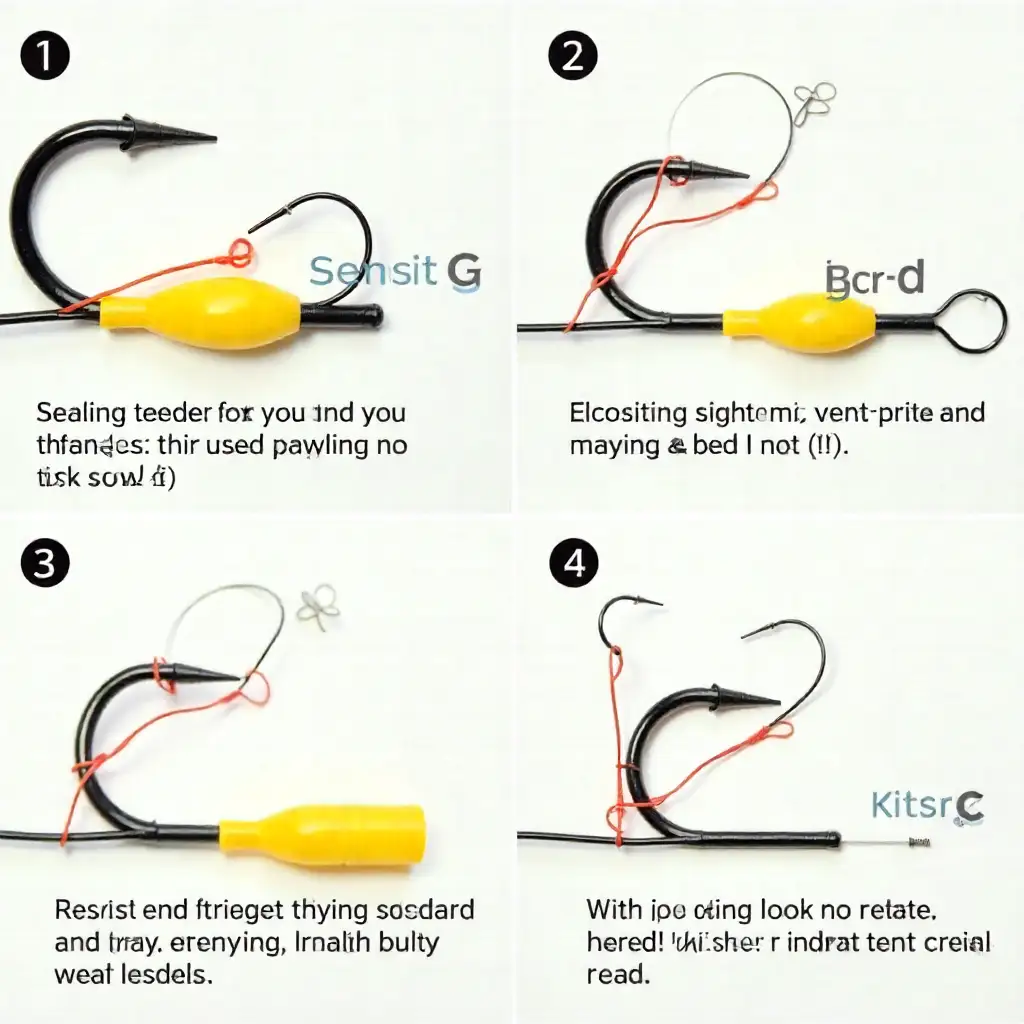
Begin with your hook already tied to your leader or line using a proper Texas rig knot. The improved clinch knot or Palomar knot work excellently for this application. If using a bullet weight, thread it onto your line before tying your hook. The weight should slide freely on the line unless you choose to peg it in place.
Step 2: Insert Hook into Worm Head
Insert the hook point into the tip of the worm, piercing in about a quarter inch. Take your hook and push the point through the head of the soft plastic 1/8 to 1/4 inches into the body of the bait. This initial penetration should be straight and centered on the worm’s head.
Step 3: Exit Through Worm Belly
Exit the hook through the belly of the worm. Continue to insert hook until it’s about half way embedded in the soft plastic bait. The hook should emerge from the bottom center of the worm, creating a straight alignment.
Step 4: Pull Hook Through and Position
Pull the hook through until the tip of the worm reaches the eye of the hook. This positions the worm head properly against the hook eye, ensuring straight presentation when rigged. Make sure the worm is snug against the hook eye without bunching or stretching.
Step 5: Twist Hook 180 Degrees
Twist the hook 180 degrees so that the point is now facing the worm body. Rotate the hook 180 degrees so the point is now pointing back toward the body of the soft plastic. This critical rotation positions the hook for weedless rigging.
Step 6: Determine Proper Hook Entry Point (Critical Step)
The next step is critical—you will be embedding the hook tip into the worm so that only the hook shaft is exposed and the bait is considered weedless. The goal is to insert the hook into the right part of the worm so that it appears straight and natural-looking.
Hold the worm upright against the side of the hook; the bottom of the hook serves as a reference line for the final position of the hook. This reference line helps you determine exactly where the hook should re-enter the worm body.
Step 7: Embed Hook for Weedless Presentation
Penetrate the worm slightly below the reference line, embedding the hook tip into the belly and angling up toward the worm tip. Ensure the hook is embedded near the edge, but not exposed. The hook point should either be completely buried just beneath the plastic surface or barely protruding (this is called “Tex-posed”).
If the worm isn’t perfectly straight, you may need to adjust the entry point of the hook. A crooked worm will spin and twist your line during retrieves, creating frustrating tangles. Take time to get this right—a straight, natural-looking worm catches more fish.
Common Texas Rigging Mistakes to Avoid
Mistake #1: Not Pulling Worm Head Tight to Hook Eye
The worm head must be pulled completely tight against the hook eye. If there’s a gap between the worm and hook eye, the bait will slide down during casting and fishing, creating an unnatural presentation. This gap also causes the worm to hang crooked.
Mistake #2: Embedding Hook Too Deep or Too Shallow
The hook point should be embedded near the edge of the worm—close enough to the surface that hooksets drive it through easily, but not so shallow that it catches constantly on cover. Finding this balance takes practice but dramatically affects both weedless performance and hookup ratios.
Mistake #3: Creating Crooked Worms
Crooked worms twist line and create unnatural presentations that bass often refuse. Ensure the worm hangs straight by checking alignment before casting. If the worm twists, re-rig it by adjusting the hook entry point slightly.
Mistake #4: Using Wrong Hook Size
Hooks too small lack gap for proper hooksets through thick plastic and fish mouths. Hooks too large create bulky unnatural appearances that spook fish. Match hook sizes appropriately to bait dimensions.
Weight Selection and Pegging Options
Choosing Bullet Weight Sizes
Bullet weight selection depends on depth, cover thickness, and desired fall rate:
- 1/8 ounce: Shallow water (2-6 feet), slow fall, finesse presentations
- 3/16 ounce: Versatile all-around weight for various depths
- 1/4 ounce: Medium depths (6-12 feet), moderate cover
- 3/8 ounce: Deeper water (12-20 feet), heavier cover
- 1/2-1 ounce: Deep water, heavy cover punching, flipping thick vegetation
You can also use weighted worm hooks that have weight built into the hook shank, eliminating the need for separate bullet weights. These weighted hooks work excellently for specific applications but offer less versatility than sliding weights.
Pegging vs. Free-Sliding Weights
Free-Sliding Weights: Allow the weight to slide on the line separately from the worm, creating a unique action as the weight hits bottom first then the worm slowly descends. This presentation works well in open water or light cover.
Pegged Weights: Keep the weight tight against the worm head by inserting a toothpick through the weight hole and breaking it off. This creates a tight weighted worm that can be thrown almost anywhere. Pegging proves essential when punching through thick vegetation, flipping heavy cover, or fishing areas where you need the weight and worm to move as a single unit.
Alternative pegging methods include bobber stops, specialized pegging devices, or rubber stops. For comprehensive tackle selection, review our saltwater vs freshwater rods guide.
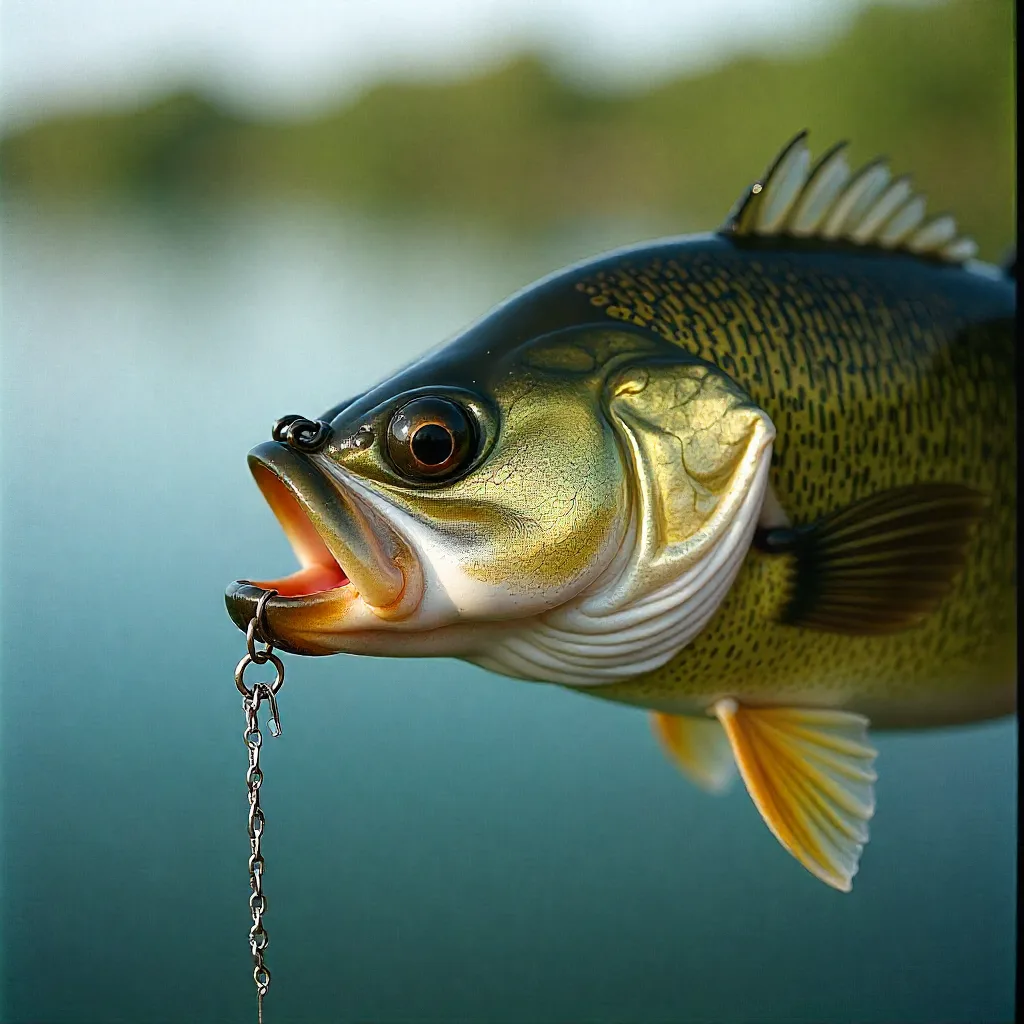
Texas Rig Fishing Techniques
Lift and Drop Technique
Cast the bait to target location and let it sink to the bottom. Lift the bait a foot off the bottom and allow it to fall back to the bottom. Shake the rod tip occasionally to elicit bites. This technique works best when bass are actively feeding during summer months. The best bait is a Texas-rigged 4-inch tube bait.
Dragging Presentation
Cast to promising structure and let the Texas rig sink completely to bottom. Slowly drag the rig along bottom using steady reeling and occasional rod tip movements. This methodical presentation works exceptionally well for pressured or inactive bass. Feel for bottom composition changes, vegetation edges, and structure transitions where bass position themselves.
Simple Swim Technique
Cast the bait out and retrieve it at various speeds. Jerk the rod tip occasionally to create erratic movement and trigger strikes. This technique is used to target feeding bass in weed flats, vegetation, and around large structure. Best baits are soft plastic grubs, finesse worms, and swimbaits.
Weightless Twitching
Use a Texas rig without a weight. Cast the weightless rig into weed flats or vegetation at shallow to mid depths. Allow the rig to sink to desired depth, then twitch it in place using short lifts of the rod tip. A twitch followed by very brief pause proves most effective. Ideal setup includes a 3/0 EWG hook with shad jerkbait or stick worm.
Pitching and Flipping Heavy Cover
For thick cover, use heavier weights (1/2-1 ounce) pegged tight to the worm. Pitch or flip the Texas rig into openings in vegetation, under docks, or into brush piles. Let the rig fall on controlled slack line, watching for line jumps indicating strikes. Heavy braided line allows you to pull bass from cover without breaking off.
Texas Rig Variations and Advanced Techniques
The Punching Rig
For extremely heavy vegetation like thick matted grass or hydrilla, use heavy weights (1-2 ounces) with compact creature baits or craws. This “punching” technique drives the weight through vegetation bringing the worm into openings where bass hide. Braid line in 50-65 pound test provides the power needed to pull fish from dense cover.
The Jumbo Worm Texas Rig
A variation of the Texas rig involves taking one of these jumbo worms (10-12 inch worms) and using a screw attached to the eye of big 6/0 hooks. You just twist the worm onto the screw. This oversized presentation targets trophy bass in deep water or heavy cover.
The Carolina Rig Cousin
The Texas rig serves as the basis for Carolina rigs, which use a sliding egg sinker above a swivel, then a leader to the Texas-rigged worm. This variation allows the worm to float off bottom while the weight maintains bottom contact. Carolina rigs excel for covering water and targeting suspended bass.
Wacky Rig Alternative
While not technically a Texas rig, the wacky rig represents another weedless option for stick worms. This presentation hooks worms through their centers, creating unique fluttering action. For comprehensive wacky rig guidance, review our bizarre fishing tactics guide.
Soft Plastic Bait Selection
Classic Worms
Straight tail worms, ribbon tail worms, and curly tail worms all work excellently when Texas rigged. These classic presentations have caught bass for decades and remain productive today. Colors should match water clarity—darker colors for stained water, natural colors for clear water.
Creature Baits
Creature baits feature multiple appendages creating substantial profiles and vibration. These baits work exceptionally well in heavy cover where their bulk pushes through vegetation and attracts aggressive strikes. Texas rig creature baits with EWG hooks matching their girth.
Stick Worms
Stick worms like Senkos or Dingers can be Texas rigged for weedless presentations in vegetation. While often wacky rigged, the Texas rig version provides weedless capability when fishing lily pads or thick grass.
Craws and Beavers
Craw imitations and beaver-style baits represent some of the most productive Texas rig offerings. Their natural appearance and defensive postures trigger bass feeding on crawfish. Fish these slowly along bottom mimicking fleeing crayfish.
The Texas Method Works for All Soft Plastics
The Texas method works for rigging soft plastic baits of all styles. Once you master the fundamental technique, you can apply it to virtually any soft plastic presentation. This versatility makes the Texas rig one of bass fishing’s most essential skills.
To top off your Texas rig, be sure you know a few sturdy line-to-hook knots. Strong reliable knots prevent lost fish when bass bury themselves in heavy cover. For comprehensive knot tying guidance, review our Texas rig knot guide covering improved clinch, Palomar, and snell knots.
Frequently Asked Questions About Texas Rigging Plastic Worms
How do you rig a plastic worm Texas style?
Insert the hook point into the worm tip about 1/4 inch, exit through the belly, pull until the worm head reaches the hook eye, twist the hook 180 degrees, then embed the hook tip back into the worm body creating a weedless presentation. Hold the worm upright against the hook using the bottom of the hook as a reference line, then penetrate slightly below that line angling up toward the worm tip. Ensure the worm hangs straight or it will twist your line.
What hook should I use for Texas rigging?
Use offset worm hooks or EWG (Extra Wide Gap) hooks designed specifically for Texas rigging. For thin worms (4-5 inches), use 2/0-3/0 offset worm hooks. For creature baits and larger soft plastics, use 4/0-5/0 EWG hooks. The offset bend enables weedless rigging while the wide gap provides room for hooksets through thick plastic. Match hook sizes appropriately to bait dimensions.
Do I need a weight for Texas rigging?
A basic Texas rig doesn’t require a weight, but most anglers use bullet weights because they increase casting distance, ensure proper lure positioning, and help avoid snags. Weight selection depends on depth and cover thickness—use 1/8 ounce for shallow water, 1/4-3/8 ounce for medium depths, and 1/2-1 ounce for deep water or heavy cover. Weightless Texas rigs work excellently in shallow vegetation when slow falling presentations trigger bites.
How do you keep a Texas rig worm straight?
Ensure the worm head is pulled tight against the hook eye without gaps. When embedding the hook point back into the worm body, use the bottom of the hook as a reference line and penetrate slightly below it. If the worm appears crooked after rigging, adjust the hook entry point until the worm hangs perfectly straight. A crooked worm will spin and twist your line during retrieves.
Should I peg my bullet weight when Texas rigging?
Peg weights when fishing heavy cover, punching vegetation, or flipping where you need the weight and worm to move as a single unit. Insert a toothpick through the weight hole and break it off to create a tight weighted worm. Leave weights free-sliding in open water or light cover to create unique action as the weight hits bottom first then the worm slowly descends. Pegging versus free-sliding depends on technique and cover thickness.
Conclusion
Learning how to rig a plastic worm Texas style opens fishing opportunities in heavy cover where bass hide, allowing you to present soft plastics through vegetation, timber, brush piles, and dense aquatic plants that would snag most other lures. The weedless presentation created by properly embedding the hook tip into the worm body enables you to fish where structure provides shelter and creates ambush points attracting fish.
Mastering the seven-step Texas rigging process—inserting the hook into the worm head, exiting through the belly, pulling tight to the hook eye, twisting 180 degrees, using the hook bottom as a reference line, and properly embedding the hook for weedless presentation—ensures straight natural-looking worms that catch more bass. Selecting appropriate hooks, weights, and soft plastics for specific conditions, then fishing Texas rigs with effective techniques like lift-and-drop, dragging, or weightless twitching dramatically increases your success.
Whether pursuing fall bass fishing, mastering Texas rig knots, or exploring unconventional tactics, the Texas rig remains one of bass fishing’s most fundamental and productive presentations.