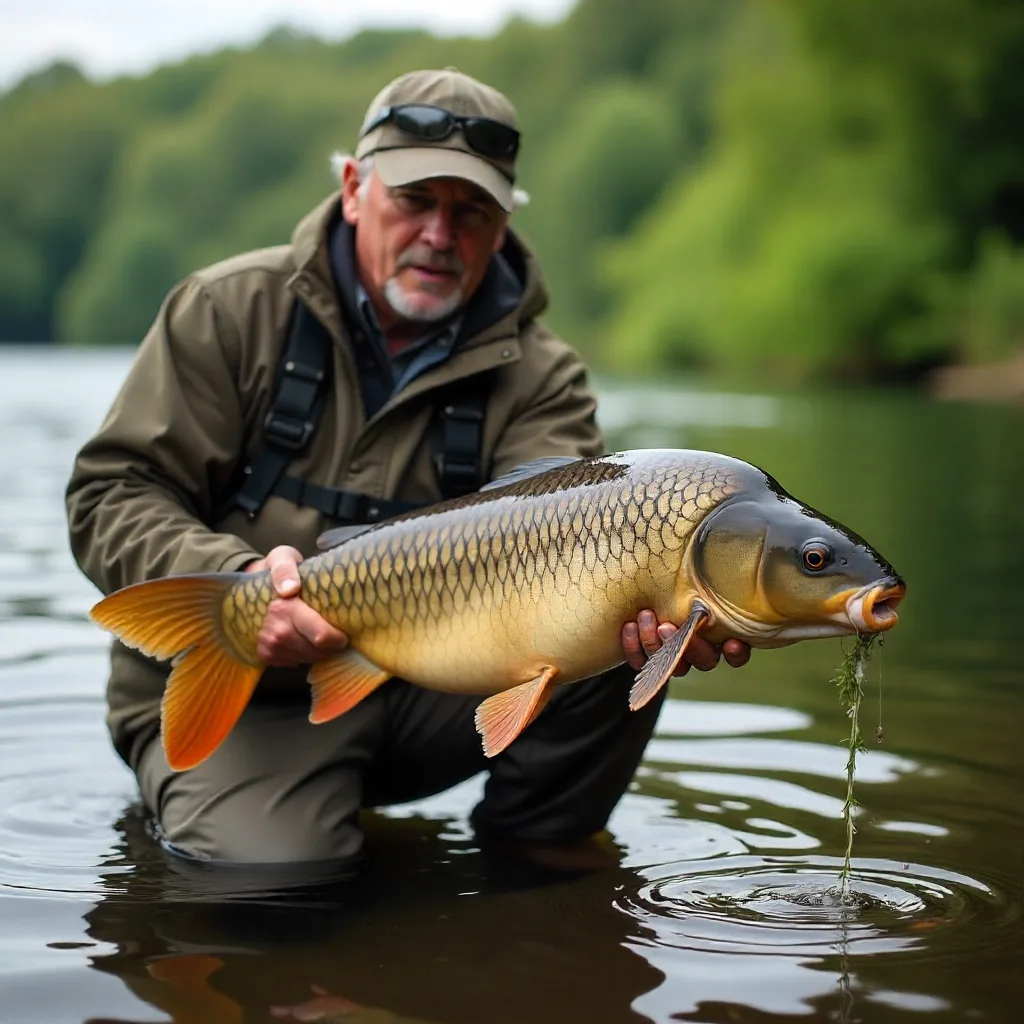
Do you know how to catch grass carp? After reading this comprehensive guide, you’ll be reeling in one of these fun-fighting fish in no time. Grass carp can weigh anywhere from 40 to 110 pounds and are known for putting up tough fights, making them favorite target species for many anglers seeking powerful battles on light tackle. These massive herbivorous fish present unique challenges compared to predatory gamefish—their vegetarian diets, spooky behavior, and feeding patterns require specialized approaches that differ dramatically from bass or walleye tactics
Originally imported into the United States from Asia during the 1960s to control aquatic plants in reservoirs and fish farms, grass carp now inhabit countless private lakes, public ponds, and river systems across North America. Their primary role involves vegetation management, consuming up to three times their body weight in aquatic plants daily. However, their impressive size, challenging nature, and powerful runs make them exceptional sport fish for anglers willing to master specialized techniques. This complete expert guide covers where to find grass carp, essential gear and tackle, best baits including vegetables and corn, stealth approaches, rigging methods, and proven techniques for consistently landing these impressive fish.
Understanding Grass Carp Behavior and Biology
Physical Characteristics and Size
Grass carp (Ctenopharyngodon idella) achieve truly impressive proportions, with specimens regularly exceeding 40-50 pounds and trophy fish pushing 80-100 pounds. Their elongated torpedo-shaped bodies feature large scales, powerful tail fins, and distinctive blunt heads with slightly underslung mouths adapted for grazing vegetation. Coloration ranges from brassy gold to dark olive-green on backs fading to white or yellowish bellies.
These fish grow rapidly when abundant food sources exist, gaining 5-10 pounds annually in prime conditions. Their longevity allows them to reach exceptional sizes—grass carp can live 20+ years in suitable habitats. This combination of size, strength, and longevity creates trophy fish opportunities rivaling any freshwater species.
Herbivorous Feeding Behavior
Unlike predatory gamefish that chase baitfish, grass carp are herbivores by nature consuming aquatic vegetation as their primary food source. Their favorite meals include submerged plants, algae, lettuce, celery, watermelon rind, green beans, lima beans, and even fresh grass clippings. They feed by grazing methodically through weed beds, sometimes suspending just below the surface to consume floating vegetation.
Grass carp also exhibit opportunistic feeding on corn, dough balls, bread, fruits like berries and pineapple, and various prepared baits. While primarily vegetarian, they occasionally consume small invertebrates and protein-based foods. Understanding their herbivorous preferences proves critical for bait selection and presentation strategies.
Spooky and Wary Nature
Grass carp rank among freshwater fishing’s most challenging species due to their extremely wary behavior and hyper-sensitivity to disturbances. These fish are so highly sensitive to their surroundings that they’ll freak out if a butterfly passes over them. Once spooked, opportunities vanish as grass carp flee to deep water or refuse feeding for extended periods.
This wariness makes stealth the most important consideration when targeting grass carp. Every aspect of your approach—clothing colors, walking cadence, casting technique, and presentation—must minimize disturbance. Successful grass carp anglers resemble deer hunters more than bass fishermen in their commitment to concealment and patience.
Where to Find Grass Carp
Stocked Lakes and Ponds
Start your grass carp fishing in stocked lakes and ponds where these fish were intentionally introduced for vegetation control. Today, grass carp are stocked in many private lakes and ponds to manage excess vegetation that would otherwise choke waterways and eliminate recreational use. Private landowners, golf courses, housing developments, and agricultural operations frequently stock grass carp as biological control agents.
Ask permission from landowners before fishing, as they are often happy to have help controlling grass carp populations. Many property owners view anglers as partners in management efforts, especially when grass carp numbers exceed vegetation control requirements. Contact state fish and wildlife agencies to locate public waters containing grass carp populations.
Vegetated Shallow Areas
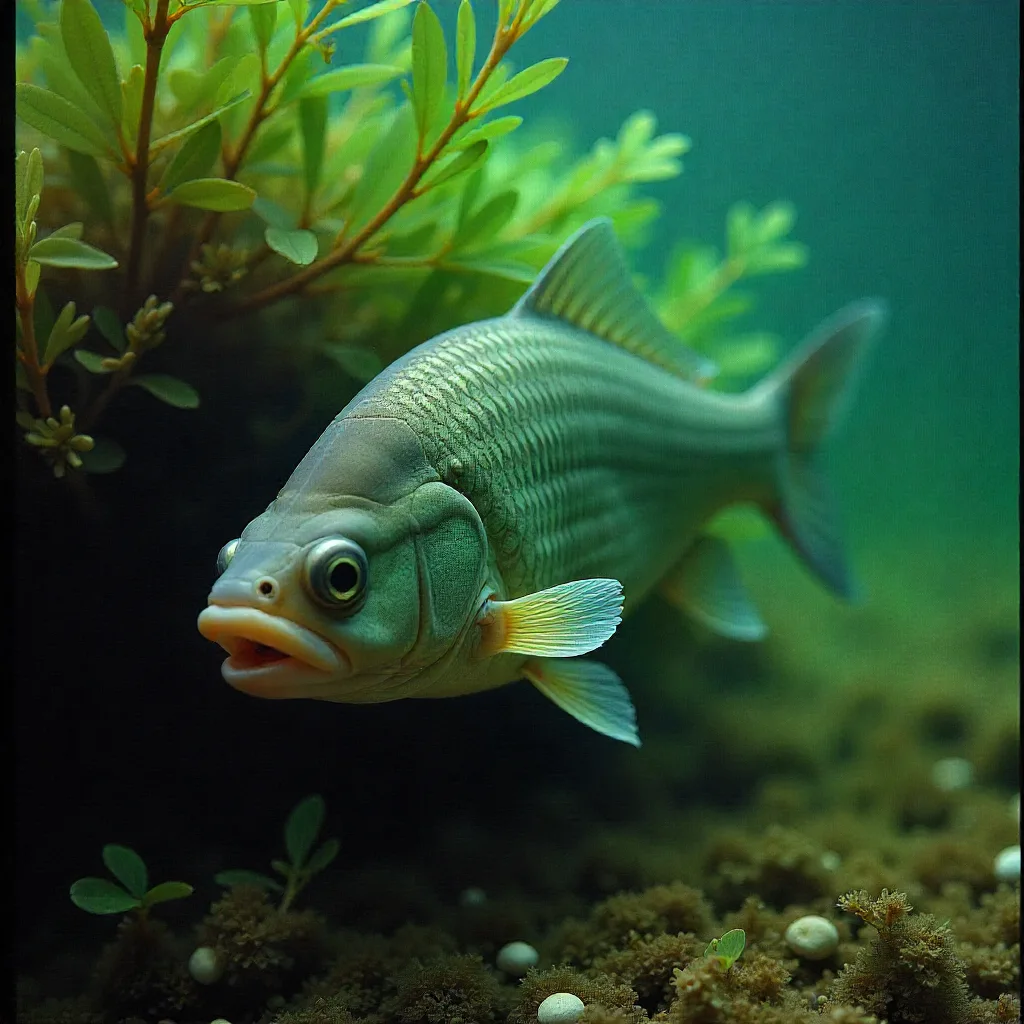
Look for water bodies with plenty of vegetation including ponds, lakes, reservoirs, and swamps. These places provide abundant food sources attracting and holding grass carp. Start looking at water bodies with plenty of vegetation, especially ponds, lakes, and swamps. Focus specifically on areas with visible aquatic plant growth where grass carp actively graze.
Grass carp often suspend and feed just below surfaces in shallow water measuring 2-6 feet deep. Find the areas grass carp are already frequenting, then place distinct piles of pre-bait into openings in and around vegetation they are cruising. Visual observation during calm mornings or evenings reveals feeding grass carp creating wakes, swirls, and surface disturbances as they move through weed beds.
Timing and Seasonal Patterns
When targeting grass carp, fish during times when they’re most active—early morning and late evening hours. These low-light periods coincide with peak feeding as grass carp move shallow to graze vegetation. Calm conditions allow visual spotting of cruising or feeding fish, dramatically improving success rates.
Warm months from late spring through early fall provide best grass carp action as metabolism increases with water temperatures. During summer, grass carp feed aggressively to support rapid growth and energy demands. For comprehensive seasonal fishing strategies, review our fall freshwater fishing guide.
Essential Gear and Tackle for Grass Carp
Rod and Reel Selection
Use a 7-foot medium-heavy, fast-action rod providing enough sensitivity to feel subtle bites while still giving powerful hookset ability. This rod power handles large fish without being so heavy that it spooks wary grass carp during presentations. Some anglers prefer 7-9 foot medium to medium-heavy spinning rods offering additional casting distance and fish-fighting leverage.
Pair rods with medium spinning reels featuring smooth drags and medium gear ratios. Size 3000-4000 spinning reels provide adequate line capacity and drag power for grass carp battles. Baitrunner reels designed for carp fishing work excellently, allowing fish to take line freely without feeling resistance before you engage the drag.
Keep the drag fairly loose to allow fish to run without breaking the line. Grass carp make powerful initial runs when hooked, testing tackle and angler patience. Loose drags prevent break-offs during these surges while maintaining enough pressure to tire fish gradually.
Line and Leader Considerations
You’ll need up to 20-pound test monofilament or fluorocarbon line rigged with appropriate terminal tackle. Keep your line light relative to fish size, with monofilament or fluorocarbon in the 12-20 pound range. This balance provides adequate strength for landing large fish while maintaining low visibility that doesn’t spook wary grass carp.
To make your setup as invisible as possible, consider adding fluorocarbon leaders measuring 20-30 pound test. Fluorocarbon’s near-invisibility underwater proves particularly valuable for grass carp fishing where spooky fish inspect baits carefully before committing. The abrasion resistance of fluorocarbon leaders also withstands contact with vegetation during fights.
Hooks and Rigging Components
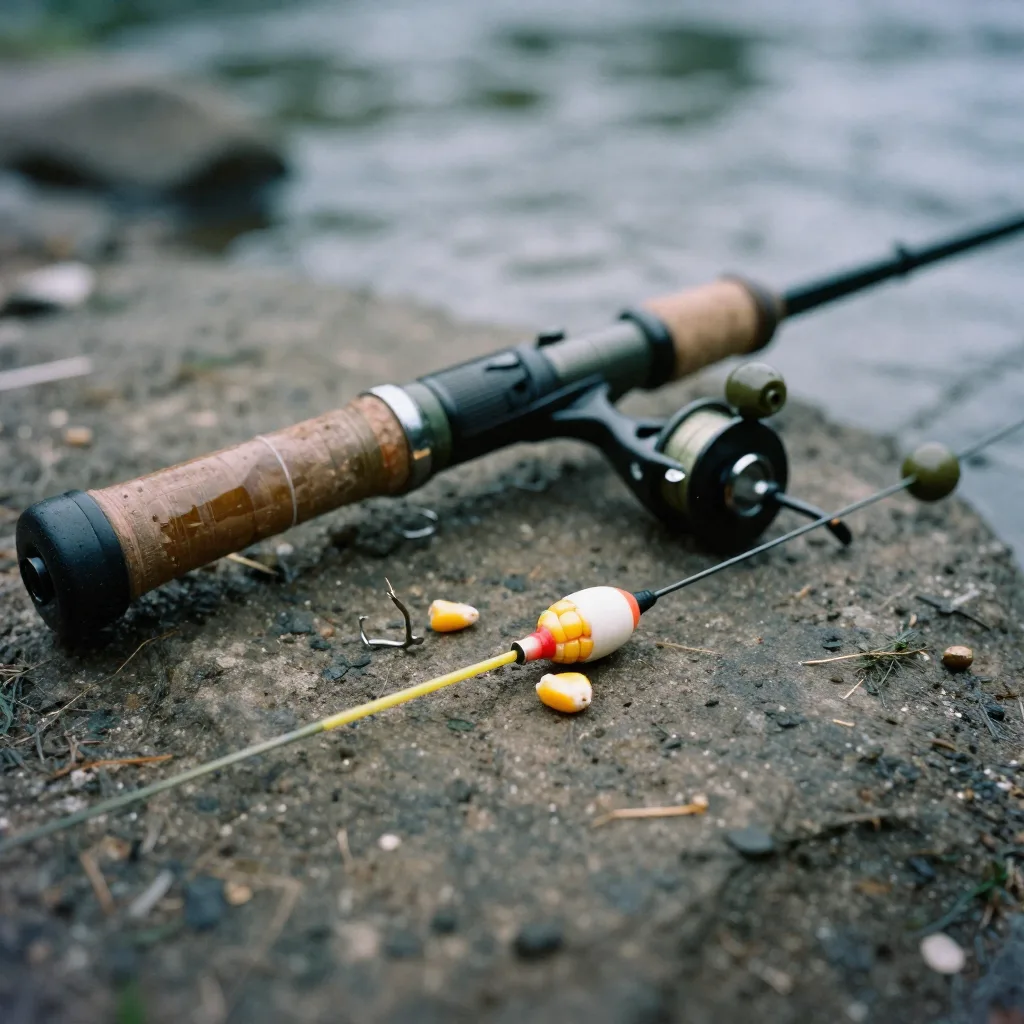
Use 1/0 or 2/0 size live bait circle hooks for grass carp fishing. Circle hooks work excellently because grass carp often mouth baits tentatively, and circle hooks increase successful hookup percentages through self-setting action. Small circle or wide gap hooks in the size 4-1/0 range will be harder for fish to detect once buried in baits.
Note that grass carp can occasionally swallow hooks, particularly when there’s no weight attached to them, making removal difficult. Use hooks designed to rust away if one gets lodged deep inside the fish—simply cut the line as close to the fish as possible before releasing it. This conservation-minded approach prevents injury or mortality to released fish.
Simple float rigs and hair rigs should be your go-to setups. The hair rig proves especially effective because it allows baits to move freely while keeping hooks exposed. This European carp fishing technique separates hooks from bait presentation, resulting in higher hookup rates when cautious fish inspect offerings.
Best Baits for Catching Grass Carp
Vegetable and Plant-Based Baits
Have you ever fed a fish a salad? That’s exactly what you need when you learn how to catch grass carp. Herbivores by nature, their favorite meals include lettuce, celery, watermelon rind, green beans, lima beans, and even fresh grass clippings. Common bait for grass carp includes fresh grass clippings along with lettuce or cabbage leaves.
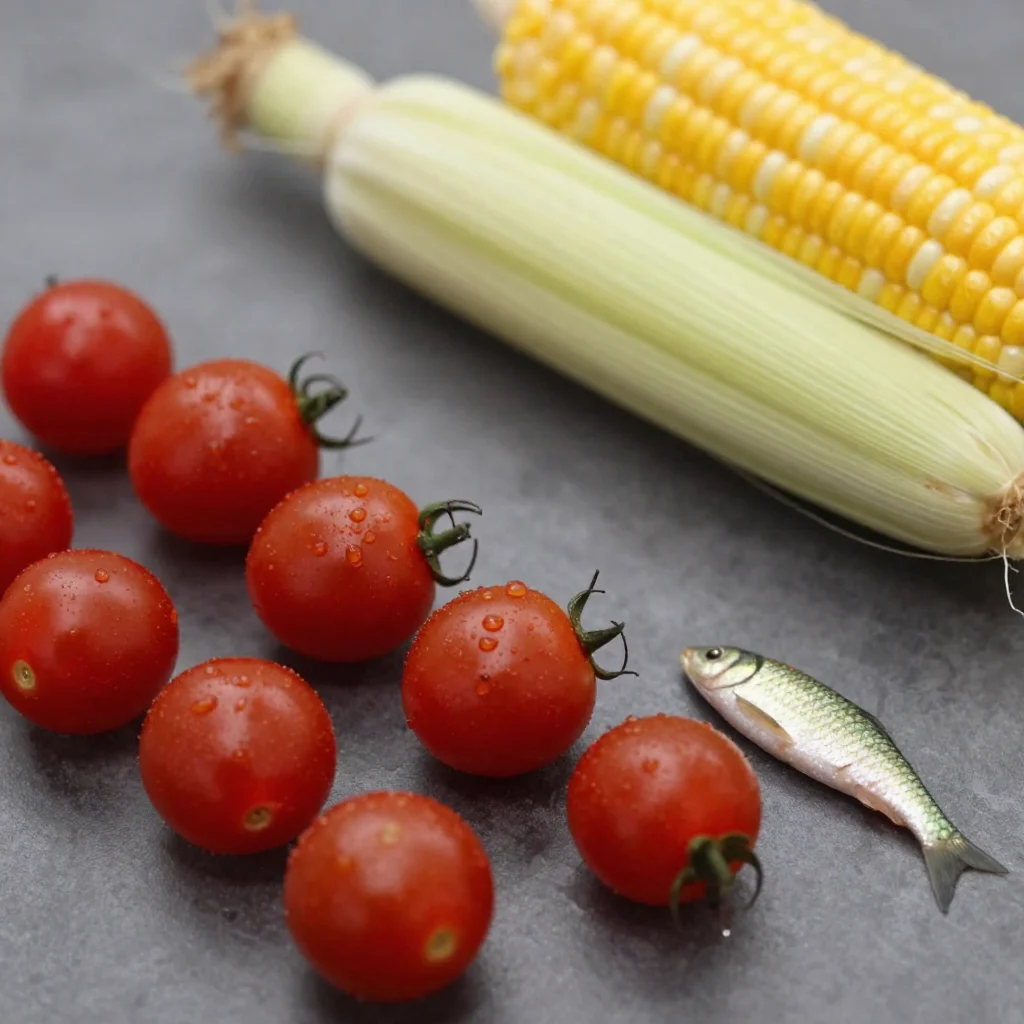
Grass carp love to eat vegetation, making watermelons, cut grass from swamp areas, cherry tomatoes, lettuce, and green beans excellent bait choices. There’s no need to memorize anything; it’s as simple as making a salad. Want to know how to catch a grass carp in a pond? Cherry tomatoes are the secret weapon. Anglers frequently recommend cherry tomatoes to secure catches.
When using leafy vegetables like lettuce or cabbage, thread multiple leaves onto hooks creating substantial presentations that grass carp easily see and smell. Fresh-cut grass clippings bundled together simulate natural forage grass carp encounter when feeding along shorelines. For comprehensive bait strategies, review our bizarre fishing tactics guide.
Corn: The Classic Grass Carp Attractor
Try the corn trick several days before fishing an area by sprinkling a few cans of corn in the shallows to attract grass carp. You can also mix canned corn with bread crumbs to make bait balls that grass carp will love. Sweet corn has proven very good at attracting grass carp to your swim.
If you put down a large bed of corn particles, you have a fair chance you’ll get fish to move onto it. This pre-baiting strategy conditions grass carp to feed confidently in specific areas, dramatically improving catch rates when you fish those locations. The best way to go about attracting grass carp to your swim involves plant-based baits, with maize and sweet corn being very good in this respect.
On the hook, individual corn kernels work excellently, or use multiple kernels threaded onto hair rigs. Popped-up corn suspended a few centimeters off bottom often outproduces bottom presentations. While grass carp will pick bottom baits up, this is not their natural feeding habit, so you’ll most likely get more takes on popped-up maize.
Bread, Dough Balls, and Prepared Baits
Despite being herbivores, grass carp willingly bite much more than just plants. They like corn, dough balls, and floating bits of bread. Bagel pieces are another good choice because they don’t disintegrate and fall off hooks like soft bread. Another option involves feeding them on pieces of bread, then using bagel or fake bread on the hook or hair.
In ponds or canals, pre-baiting with bread proves very effective. Walk the perimeter of shorelines on calm days or evenings throwing handfuls of bread onto surfaces in spaced-out areas. Wait until grass carp begin taking surface bread—once they key in on food sources, they quickly snowball into full-blown feeding mode and can be crept up on to present baits fairly easily.
Fruity Baits and Alternative Options
Grass carp are partial to fruity baits such as plum, berries, and pineapple. In many cases, simply pick up whatever’s left over in the fridge and use it as bait. Grass carp are known to enjoy eating fruity baits, and anglers have done well with pineapple, plum, and strawberry flavors.
They also occasionally consume catfish food pellets, small earthworms, and protein-based prepared baits. While primarily vegetarian, grass carp exhibit opportunistic feeding when attractive food sources present themselves. Experiment with various baits until you discover what works best in your specific waters.
Proven Techniques for Catching Grass Carp
Pre-Baiting and Chumming Strategies
Chumming the water with vegetable-based food sources ahead of time helps draw grass carp into fishing areas. Place distinct piles of pre-bait into openings in and around vegetation grass carp are cruising. At times this may be in only a couple feet of water.
Anglers have taken this approach countless times with grass carp and observed that they often make multiple passes by and through bait piles, cautiously making wide circles that creep ever closer each time before committing to feed. This behavior reveals their wary nature—even when interested in food, grass carp approach slowly with extreme caution. Patience proves essential when pre-baiting grass carp.
Sight Fishing: The Most Exciting Method
Grass carp often suspend and feed just below surfaces, making sight fishing one of the most effective methods, especially in clear, shallow waters. This visual approach represents the most exciting way to catch grass carp. Look for cruising fish creating wakes, tailing fish with tails breaking the surface while feeding on bottom, or porpoising fish rolling at the surface.
When you see fish feeding on bottom with their tails out of water, you can get excited. Tailing grass carp are readily approachable because they’re focused on the bottom and have their force fields dialed down. When you see fish flashing or porpoising in the distance, these cruising grass carp represent feeding opportunities.
Stealth is easily the most important consideration when sight fishing grass carp. It doesn’t matter if you’re in a kayak, walking the bank, or in a boat—once a carp is spooked, that opportunity is gone. Wear colors that blend into your surroundings, walk lightly, and cast gently. Eliminate all noise, both above and below the water.
Still Fishing and Bottom Presentations
Still fishing involves placing baits like grass clippings, leafy greens, or specially-prepared dough balls in areas where fish are feeding. While sight fishing proves most exciting, anglers have found it more reliable to target grass carp on bottom using normal common carp rigs and baits. A typical carp fishing setup including a 2.75lb carp rod, 15lb mainline, and robust reel is sufficient for catching grass carp.
Use simple float rigs or bottom rigs that present baits naturally without adding excessive weight that might spook fish. Allow the reel to free spool—grass carp will drop any bait that offers resistance. The line should remain slack until they eat the bait; then, reel the slack in slowly and set the hook. Baitrunner reels excel for this approach, allowing fish to take line freely before you engage the drag.
Freelining and Natural Presentation
Another effective technique is freelining—simply cast your bait without any added weight and allow it to drift naturally in the current. This mimics the natural presentation of their food. Freelining works exceptionally well when grass carp feed in shallow areas with minimal current where weighted rigs appear unnatural.
Cast baits upstream or upwind, allowing them to drift naturally into feeding zones. This presentation reduces splash and disturbance compared to weighted rigs hitting water heavily. The natural drift often triggers takes from cautious fish that refuse static bottom presentations.
Fly Fishing for Grass Carp
Fly fishing for grass carp is a growing niche and incredibly rewarding when done right. Try drifting surface flies that mimic aquatic vegetation, cottonwood seeds, or even pieces of bread. A delicate presentation and pinpoint accuracy are critical.
A proven technique involves placing small leeches in the zone. Tie leeches with foam bodies and heads so flies float for a second before sinking slowly. The good news is that it only takes a moment to know if fish are interested—if you see a cloud of mud, move on to the next target. Use 9-11 weight fly rods with fluorocarbon leaders of 20-30lb test for grass carp fly fishing.
You’ll have to learn to accept a pretty high failure rate if you want to eventually land a grass carp on the fly. These fish present extreme challenges even to experienced anglers. For additional unconventional fishing methods, review our learning fishing techniques guide.
Fighting and Landing Grass Carp
The Initial Run
Grass carp are fragile fish that don’t fight that hard until you get them close to or on the bank. Often, anglers think that until they try to net them, grass carp don’t even realize they’ve been hooked. However, once grass carp recognize danger, they make powerful runs testing tackle and angler skill.
Keep loose drag settings allowing fish to take line during initial surges. Attempting to stop these runs results in broken lines or pulled hooks. Let grass carp tire themselves gradually through sustained pressure rather than trying to muscle them quickly.
Proper Landing Techniques
Large landing nets prove essential for grass carp given their size. Have nets ready before casting to avoid scrambling when fish approach the bank. Lead grass carp over net rims rather than chasing or scooping at them. Patient net presentations reduce final moments panic that causes lost fish.
Handle grass carp carefully if releasing them—these fish exhibit fragile scales and sensitive bodies that damage easily. Support their weight fully when lifting for photographs, keeping them close to water. Minimize air exposure time, returning fish quickly to ensure survival.
Frequently Asked Questions About Catching Grass Carp
What is the best bait for grass carp?
Vegetable-based baits work best including lettuce, celery, watermelon rind, green beans, lima beans, fresh grass clippings, and cherry tomatoes. Corn (canned sweet corn) represents the classic grass carp attractor—pre-bait areas with corn several days before fishing. Bread pieces, bagels, and dough balls catch grass carp consistently. Fruity baits including pineapple, plum, berries, and strawberry flavors also produce. Think “making a salad” when selecting grass carp baits.
What tackle do I need for grass carp fishing?
Use a 7-foot medium-heavy, fast-action rod paired with a medium spinning reel. Spool reels with 12-20 pound test monofilament or fluorocarbon line. Add fluorocarbon leaders for invisibility. Use 1/0 or 2/0 size live bait circle hooks. Keep drag fairly loose to allow fish to run without breaking the line. Simple float rigs, bottom rigs, or hair rigs work excellently. Baitrunner reels allow free-spooling before engaging the drag.
Where can I find grass carp?
Start with stocked lakes and ponds where grass carp were introduced for vegetation control. Contact landowners for permission—they’re often happy to have help controlling populations. Look for water bodies with plenty of vegetation including ponds, lakes, reservoirs, and swamps. Focus on shallow vegetated areas measuring 2-6 feet deep where grass carp graze. Fish during early morning and late evening hours when grass carp are most active.
Why are grass carp so hard to catch?
Grass carp are extremely wary creatures and easily spooked—they’re so highly sensitive that they’ll freak out if a butterfly passes over them. Once spooked, opportunities vanish. They will drop any bait that offers resistance, requiring free-spooling presentations. Their herbivorous diet means they ignore traditional gamefish lures and baits. Successful grass carp fishing requires stealth, patience, proper vegetable-based baits, and natural presentations.
How big do grass carp get?
Grass carp can weigh anywhere from 40 to 110 pounds, making them among North America’s largest freshwater fish. They grow rapidly when abundant food exists, gaining 5-10 pounds annually. Their longevity (20+ years) allows them to reach exceptional trophy sizes. Fish regularly exceeding 40-50 pounds are common, with trophy specimens pushing 80-100 pounds. This combination of size and strength makes grass carp exceptional sport fish.
Conclusion
Learning how to catch grass carp like a pro requires understanding their herbivorous behavior, mastering stealth approaches, selecting appropriate vegetable-based baits, and employing specialized presentations that differ dramatically from traditional gamefish tactics. These massive fish weighing 40-110 pounds provide exceptional sport on appropriate tackle, testing angler patience, skill, and persistence.
Success begins with locating stocked lakes and ponds containing grass carp, using 7-foot medium-heavy rods with loose drags, rigging 12-20 pound line with circle hooks, and loading up on vegetables, corn, and bread baits. Pre-baiting areas, maintaining extreme stealth, allowing free-spooling presentations, and treading lightly all prove critical for consistently catching these wary fish.
Whether employing sight fishing, still fishing, freelining, or fly fishing approaches, grass carp fishing rewards those willing to adapt tactics and embrace challenges. For additional freshwater techniques, explore our guides on fall fishing, bizarre tactics, and learning new methods.