
This post contains affiliate links. As an Amazon Associate, I earn from qualifying purchases at no extra cost to you.
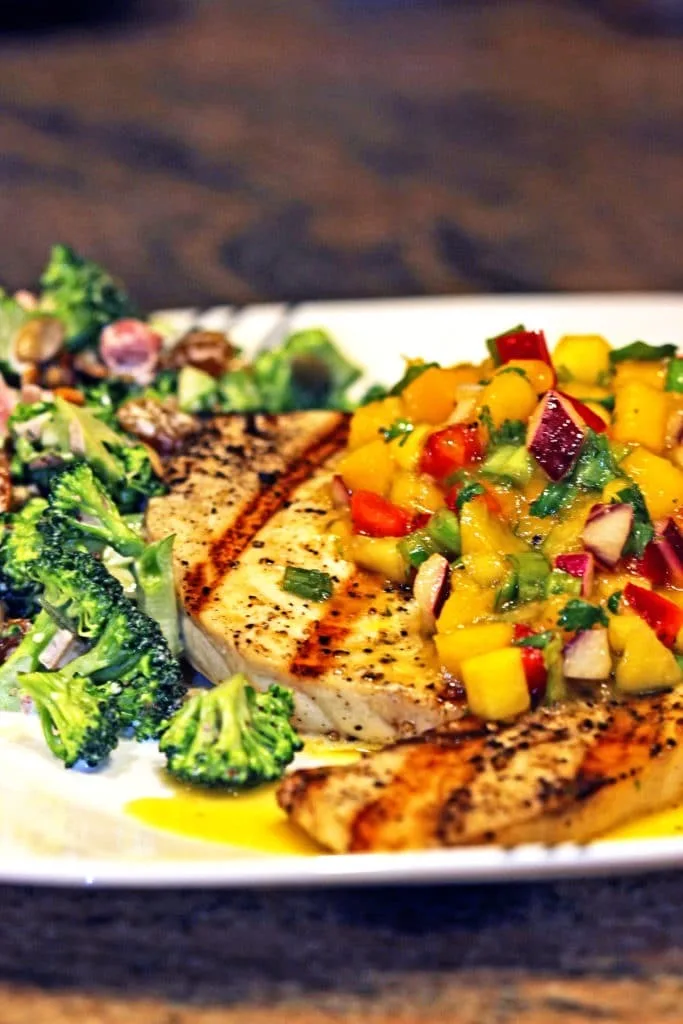
The first time I grilled swordfish with mango salsa, I was skeptical. Fruit on fish? It sounded like one of those trendy combinations that looks pretty on Instagram but tastes like confusion. Then I took the first bite—the meaty, slightly smoky swordfish paired with sweet, tangy mango, a hint of jalapeño heat, and that burst of lime. I got it. This wasn’t confusion; it was genius.
What makes this combination work so beautifully is contrast. Swordfish has a firm, steak-like texture and mild flavor that stands up to bold accompaniments without being overwhelmed. The mango salsa brings brightness, acidity, and tropical sweetness that cuts through the fish’s richness. Together, they create something greater than their parts—a dish that tastes like summer vacation regardless of what month appears on your calendar.
This recipe has become my warm-weather staple, the one I make when I want something that feels special but doesn’t chain me to the stove. The salsa comes together in ten minutes. The fish takes eight minutes on the grill. You’re less than twenty minutes from a meal that’ll transport you to a beachside restaurant. Let me show you how to nail both components for a dish that’s become a favorite in my summer cooking rotation.
Why Swordfish Is Perfect for Grilling
Not all fish belong on the grill. Delicate varieties like flounder or sole fall apart when you try to flip them. Swordfish, however, was practically designed for fire and grates.
The Meat of the Fish World
Swordfish earns its nickname as the “steak of the sea” honestly. The flesh is dense, firm, and meaty—closer to chicken breast or pork chop than typical flaky fish. This substantial texture means swordfish holds together beautifully on the grill. No special fish baskets needed, no anxiety about it falling through the grates, no delicate maneuvering required.
The firm texture also means swordfish tolerates slight overcooking better than most fish. I’m not suggesting you aim for overcooked, but if you get distracted and leave it on an extra minute, you won’t end up with fish jerky. It remains moist thanks to natural oil content that keeps the flesh from drying out.
That mild, slightly sweet flavor works like a blank canvas. Swordfish doesn’t taste aggressively “fishy” like mackerel or intensely flavored like sardines. This neutrality allows bold accompaniments like mango salsa to shine while the fish provides satisfying substance and protein.
Nutritional Benefits Worth Noting
Beyond culinary advantages, swordfish delivers impressive nutrition. High in lean protein and rich in omega-3 fatty acids, it supports heart health and provides essential nutrients like vitamin D, vitamin B12, and selenium. The firm texture and satisfying chew make swordfish feel more filling than lighter fish, helping you stay satisfied longer.
A Note on Mercury: Swordfish contains higher mercury levels than smaller fish due to its position as a large predator. Pregnant women and young children should limit consumption. For most healthy adults, enjoying swordfish once or twice weekly poses no concern. As with most things in life, moderation matters.
Grilling Challenges and Solutions
The main challenge with swordfish is preventing sticking. That firm texture becomes a problem if the fish welds itself to your grates. Three steps solve this:
- Clean, hot grates: Preheat your grill thoroughly and scrub grates until spotless. Old residue causes sticking.
- Oil the fish, not the grates: Brush swordfish with high smoke-point oil before grilling. Oiling grates often causes flare-ups.
- Patience: Don’t flip until the fish releases naturally. If it resists, it’s not ready. Force it and you’ll tear the flesh.
Follow these principles and swordfish becomes one of the easiest fish to grill successfully. For more grilling techniques and tips, our comprehensive guides cover everything from temperature control to flavor enhancement.
Creating the Perfect Mango Salsa
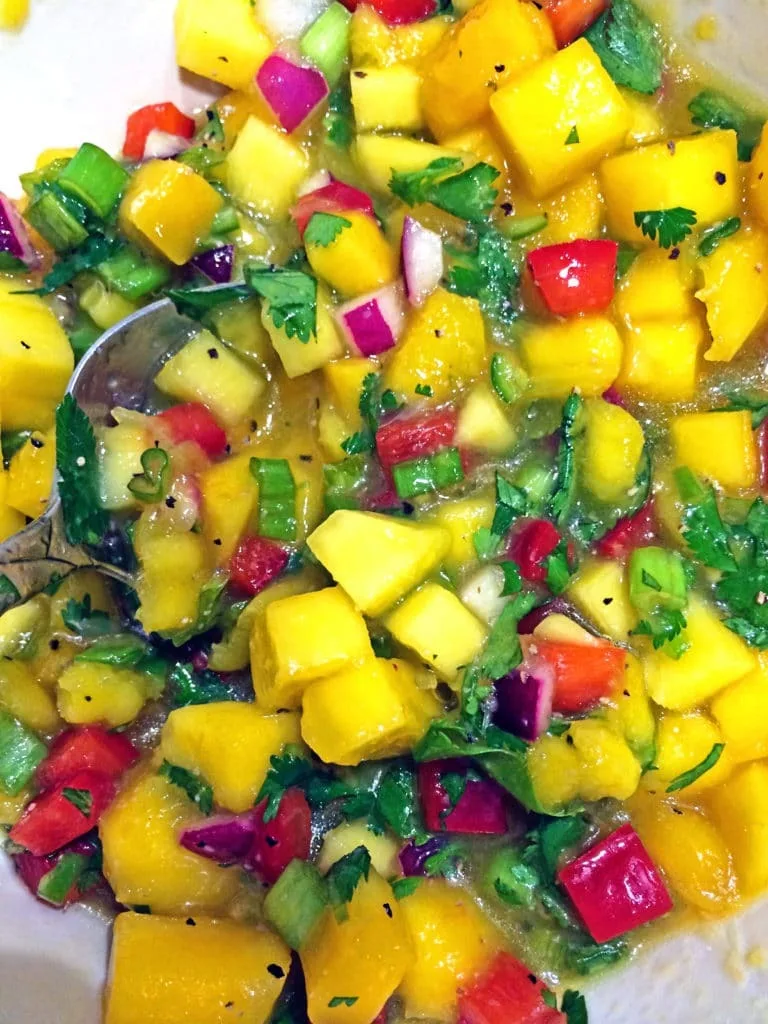
The salsa is where this dish really shines. Fresh, vibrant, and bursting with tropical flavor, it transforms simple grilled fish into something memorable.
Selecting and Preparing Mangoes
Mango selection makes or breaks your salsa. Too firm and they’re flavorless and difficult to dice. Too ripe and they turn to mush, creating baby food texture instead of chunky salsa.
Perfect Mango Test: Gently squeeze the mango. It should yield slightly to pressure, similar to a ripe avocado. The skin near the stem should smell sweet and fruity. If it has no aroma, it’s not ready. If it smells fermented or alcoholic, it’s past prime.
The “Hedgehog” Cutting Method: This technique makes mango prep easier. Cut cheeks off both sides of the flat seed. Score the flesh in a crosshatch pattern without cutting through the skin. Push the skin side up—it resembles a hedgehog. Cut the cubes away from the skin. This method gives you perfect uniform cubes for salsa.
Don’t discard the seed section. Cut away the remaining flesh and enjoy it as cook’s treat while you finish prep. Those bits clinging to the seed are often the sweetest part.
Essential Salsa Ingredients
For the Mango Salsa (Serves 4-6):
- 2 ripe mangoes, diced (about 2 cups)
- 1 red bell pepper, finely diced
- 1/2 red onion, finely minced
- 1 jalapeño, seeded and minced (leave seeds for more heat)
- 1/4 cup fresh cilantro, chopped
- Juice of 2 limes (about 3-4 tablespoons)
- 1 tablespoon olive oil
- 1/2 teaspoon salt, or to taste
- 1/4 teaspoon black pepper
- Optional: 1 avocado, diced just before serving
The red bell pepper adds crunch and mild sweetness that complements mango. Red onion provides sharp bite that balances fruit sweetness—use sweet onion like Vidalia if you prefer gentler flavor. The jalapeño brings essential heat; adjust quantity based on your spice tolerance.
Fresh cilantro is non-negotiable here. If you’re one of the unlucky people with the genetic variation that makes cilantro taste like soap, substitute fresh mint or basil. The flavor profile shifts but remains delicious.
Lime juice ties everything together with bright acidity. Always use fresh limes, never bottled juice. The difference is dramatic—fresh lime tastes vibrant and clean while bottled tastes flat and artificial.
Building Flavor Layers
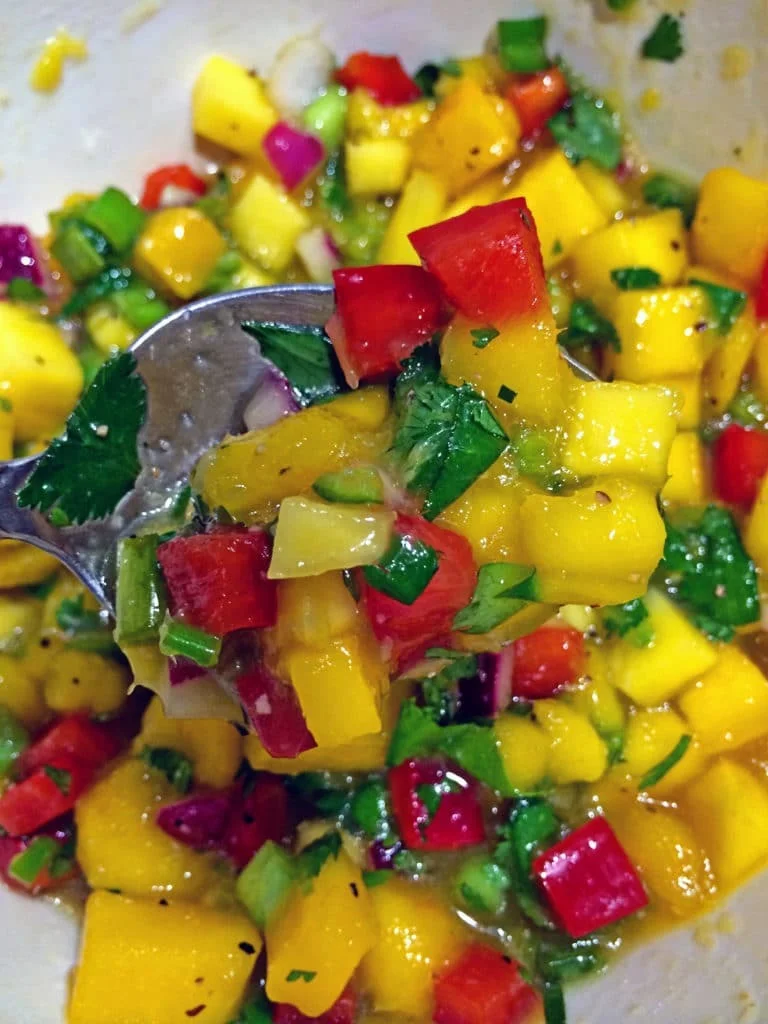
Make your salsa at least 30 minutes before serving, ideally 2-3 hours ahead. This resting time allows flavors to meld and juices to develop. The salt draws moisture from vegetables and mango, creating a light syrup that coats all ingredients.
Combine all ingredients in a non-reactive bowl (glass or ceramic—metal can react with acid). Toss gently to avoid bruising delicate mango cubes. Taste and adjust seasoning. The salsa should taste bright, sweet, spicy, and tangy all at once. If it’s flat, add more lime juice or salt. If too acidic, add a pinch of sugar.
Keep salsa refrigerated until 15 minutes before serving. Serve at cool room temperature rather than cold—cold dulls flavors and aromatics.
Preparing the Swordfish
Proper preparation ensures your swordfish grills perfectly every time.
Selecting Quality Swordfish
Buy swordfish steaks about 1 inch thick, 6-8 ounces each. The flesh should be firm with no gaps or separations. Color varies from ivory to pale pink depending on the fish’s diet—both are fine. Avoid steaks with brown spots, which indicate age.
Fresh swordfish smells clean and ocean-like, never fishy or ammonia-scented. If buying frozen (often higher quality than “fresh” fish sitting at the counter for days), ensure no ice crystals or freezer burn appear on the package.
Simple but Essential Marinade
Swordfish’s firm texture handles marinades well without turning mushy. This simple preparation enhances without overwhelming:
For the Swordfish (Serves 4):
- 4 swordfish steaks (1 inch thick, 6-8 oz each)
- 3 tablespoons olive oil
- 2 tablespoons lime juice
- 2 cloves garlic, minced
- 1 teaspoon cumin
- 1 teaspoon smoked paprika
- 1/2 teaspoon salt
- 1/4 teaspoon black pepper
Whisk together everything except the fish. Place swordfish in a shallow dish and pour marinade over it, turning to coat both sides. Marinate 15-30 minutes at room temperature or up to 2 hours refrigerated. Don’t exceed 2 hours—acid begins breaking down proteins, turning texture mushy.
Remove swordfish from refrigerator 15 minutes before grilling if it was marinated cold. Room temperature fish cooks more evenly than cold fish straight from the fridge.
Mastering the Grill
Grilling swordfish requires attention but not complexity. Follow these steps for consistent success.
Prepping Your Grill
Heat your grill to medium-high (about 400-450°F). For gas grills, preheat for 15 minutes with the lid closed. For charcoal, arrange coals for direct high heat and let them ash over until glowing.
Clean grates thoroughly with a wire brush while they’re hot—this is crucial for preventing sticking. Old food residue welds to new fish. A clean grill is a non-stick grill.
For the best grilling experience, quality equipment makes a difference. A sturdy grill with even heat distribution ensures consistent results—check out our recommendations in the essential tools section below.
The Grilling Process (8-10 minutes total)
Step 1: Oil the Fish Remove swordfish from marinade, letting excess drip off. Brush both sides lightly with high smoke-point oil (avocado oil or refined olive oil work perfectly). This creates a barrier between fish and grates.
Step 2: Place and Wait Lay swordfish on the grill at a 45-degree angle to the grates—this creates attractive grill marks. Close the lid. Set a timer for 4 minutes. Walk away. Seriously, don’t hover. Opening the lid drops temperature and extends cooking time.
Step 3: The First Flip After 4 minutes, lift one steak with a thin metal spatula. If it resists, wait another 30 seconds. When ready, it releases cleanly. Rotate 90 degrees to create crosshatch grill marks, or flip to the second side. Your choice—crosshatch looks prettier but requires precision.
Step 4: Finish Cooking Cook the second side for 3-4 minutes for medium doneness (recommended for swordfish). The internal temperature should reach 130-135°F. Use an instant-read thermometer for accuracy—this is not the time to guess.
Swordfish is best served medium to medium-well. Unlike tuna, which excels rare, swordfish’s texture improves with slight cooking. At medium, it remains moist while developing appealing firmness.
Step 5: Rest Transfer swordfish to a platter and tent loosely with foil. Rest for 3-5 minutes. This allows juices to redistribute, ensuring every bite is moist rather than dry around the edges and wet in the center.
Plating and Presentation
Restaurant-quality presentation elevates this already impressive dish.
The Build: Place each swordfish steak on a warm plate slightly off-center. Spoon a generous amount of mango salsa over and around the fish—don’t be shy. The vibrant colors (golden mango, red pepper, green cilantro) against the pale fish create stunning contrast.
Garnish: A lime wedge on the side adds visual pop and offers guests extra acidity if desired. A sprig of fresh cilantro looks elegant. If you have edible flowers like nasturtiums, they add tropical flair.
Sauce Drizzle: For extra elegance, drizzle the plate with the juice that accumulates at the bottom of the salsa bowl. Those mango juices mixed with lime create a light vinaigrette that ties everything together.
Perfect Side Dishes for Grilled Swordfish
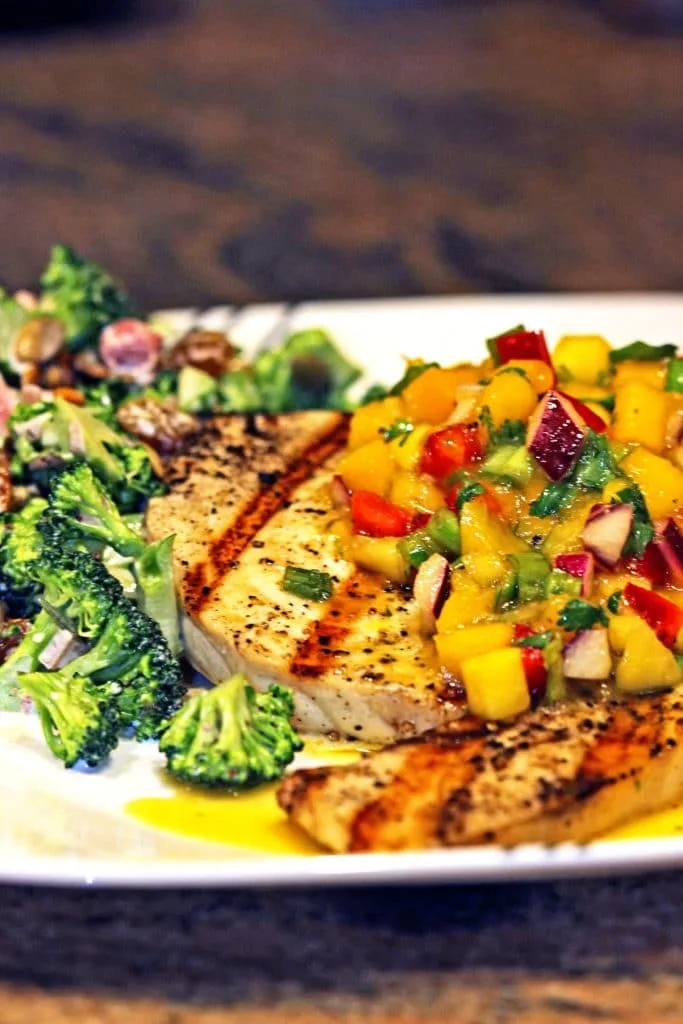
The bold flavors of swordfish and mango salsa pair beautifully with complementary sides.
Vegetable Sides
Grilled Vegetables: Zucchini, bell peppers, and asparagus with light olive oil and salt. The char echoes the swordfish’s smokiness. Grilling everything together streamlines cooking and keeps you outdoors.
Black Bean and Corn Salad: This Southwestern combination complements tropical salsa while adding protein and fiber. Toss black beans, corn, diced tomatoes, cilantro, and lime vinaigrette.
Simple Green Salad: Mixed greens with citrus vinaigrette keep things light. The acidity cuts through the fish’s richness without competing with bold salsa flavors.
Starch Options
Coconut Rice: Cook jasmine rice in coconut milk instead of water. The subtle tropical flavor complements mango without overwhelming. Fluff with fresh lime juice and cilantro before serving.
Cilantro Lime Rice: White or brown rice tossed with lime juice, zest, and chopped cilantro. Simple but perfect with fish and salsa.
Quinoa Salad: Light, protein-rich, and gluten-free. Toss cooked quinoa with cucumber, cherry tomatoes, lime juice, and olive oil.
Grilled Sweet Potato Wedges: Slice sweet potatoes into wedges, toss with oil and spices, grill until tender. The natural sweetness harmonizes with mango.
I typically serve one green vegetable and one starch. The plate should feel balanced and colorful without overcrowding. Remember that the fish and salsa are the stars.
Essential Grilling Tools and Equipment
Quality grilling equipment makes the difference between frustration and success. Here are my must-haves:
High-Quality Grill: Whether you prefer gas or charcoal, invest in a grill with solid construction and even heat distribution. Poor grills with hot spots make consistent cooking impossible. Look for heavy grates that retain heat and don’t warp.
Grill Accessories: A long-handled spatula designed for grilling gives you the reach and leverage needed to flip fish confidently without burning yourself. The thin edge slides under delicate items cleanly.
Instant-Read Thermometer: A quality digital thermometer takes guesswork out of doneness. Swordfish at 130-135°F is perfect—this precision prevents over or undercooking expensive fish.
Wire Grill Brush: A sturdy brush cleans grates thoroughly, preventing stuck-on residue from ruining your fish. Clean grates before and after each grilling session.
Grilling Gloves: Heat-resistant gloves protect your hands when adjusting grates, moving hot items, or working near high heat. Much safer than flimsy oven mitts.
Quality Cookware for Sides: While your fish grills, prep sides indoors with reliable equipment. The Cuisinart Chef’s Classic stainless steel set handles everything from rice to sautéed vegetables. The Caraway ceramic cookware offers excellent non-stick performance for delicate preparations.
Blender for Marinades and Sauces: The Vitamix 5200 creates perfectly smooth marinades and sauces in seconds. For commercial-grade power with quieter operation, the Vitamix Quiet One excels in busy kitchens. The Vitamix Propel 750 includes pre-programmed settings for foolproof results.
Kitchen Essentials: The KitchenAid Classic stand mixer with pasta attachment creates homemade sides like fresh pasta salad to accompany your grilled fish—though this is certainly optional.
Multi-Purpose Grilling Tool: A versatile grilling tool set includes everything you need: tongs, spatula, fork, basting brush, and cleaning brush. Having the right tool for each task makes grilling more enjoyable and successful.
Variations and Creative Twists
Once you master the basic recipe, these variations keep things interesting.
Different Fish Options
Tuna Steaks: Grill quickly to rare or medium-rare (120-125°F). Tuna’s similar texture handles mango salsa beautifully.
Mahi-Mahi: Lighter than swordfish but still firm enough for grilling. Reduce cooking time slightly—about 3 minutes per side.
Halibut: More delicate than swordfish. Use a fish basket or grill mat to prevent sticking. Same salsa works perfectly.
Salmon: Rich, fatty salmon with mango salsa creates an indulgent combination. The sweetness complements salmon’s natural oils.
For more fish grilling techniques and species-specific tips, explore our comprehensive seafood guides.
Salsa Variations
Pineapple Salsa: Substitute grilled pineapple for mango. The caramelization adds smoky sweetness.
Peach Salsa: Summer peaches bring different sweetness. Add fresh basil instead of cilantro for a twist.
Tropical Salsa: Combine mango, pineapple, and papaya for ultra-tropical flavor.
Spicy Mango Salsa: Add diced habanero or serrano peppers for serious heat lovers.
Mango Avocado Salsa: Add diced avocado for creamy richness that balances acidity.
Marinade Alternatives
Asian-Inspired: Soy sauce, ginger, sesame oil, and rice vinegar. Top with Asian-style mango salsa (add mint and Thai basil).
Mediterranean: Olive oil, lemon, oregano, and garlic. Serve with cucumber-tomato salsa instead of mango.
Jerk Seasoning: Caribbean spice blend brings bold heat. Mango salsa cools and complements perfectly.
Herb Butter: Skip marinade and top grilled swordfish with compound butter (butter mixed with herbs, garlic, and lemon zest).
Frequently Asked Questions
Can I use frozen swordfish for this recipe?
Yes, frozen swordfish often surpasses “fresh” fish that’s been sitting at counters for days. Thaw it slowly in the refrigerator overnight, never at room temperature or in warm water. Pat completely dry before marinating—frozen fish releases more moisture. The cooking process remains identical to fresh.
What if I don’t have a grill?
Pan-sear swordfish in a heavy skillet or grill pan over high heat. Heat the pan until smoking, add oil, and cook 4 minutes per side. You won’t get smokiness or grill marks, but the fish will taste excellent. Alternatively, broil on high for 4-5 minutes per side, watching carefully to prevent burning.
How do I know when swordfish is done?
Use an instant-read thermometer—130-135°F in the thickest part indicates medium doneness (ideal for swordfish). Visually, the flesh should be mostly opaque with slight translucency in the center. It should flake when pressed but still feel firm, not mushy. Remember that carryover cooking continues after removal from heat.
Can I make the mango salsa ahead?
Absolutely. Make salsa up to 8 hours ahead and refrigerate. The flavors improve as they meld. Add avocado (if using) just before serving to prevent browning. Bring salsa to cool room temperature before serving—cold dulls flavors. If it seems dry after refrigeration, stir in a tablespoon of lime juice or olive oil.
What wine pairs best with swordfish and mango salsa?
Crisp white wines work beautifully. Try Sauvignon Blanc for its acidity and tropical fruit notes that echo mango. Albariño offers salinity and citrus that enhances fish. Viognier brings floral aromatics that complement both fish and fruit. For rosé lovers, a dry Provence rosé matches the dish’s summery vibe perfectly. Serve wines chilled (45-50°F) but not ice-cold.
Bringing Summer to Your Table
Grilled swordfish with mango salsa embodies everything I love about warm-weather cooking—bold flavors, minimal fuss, maximum impact. The dish feels special enough for company yet simple enough for weeknight dinners when you want something better than burgers but don’t have hours to spend cooking.
What makes this recipe genuinely special is its flexibility. The basic technique—grill firm fish, top with fresh salsa—adapts to whatever fish looks good at the market and whatever fruit is in season. I’ve made versions with tuna and pineapple, mahi-mahi and peach, halibut and papaya. The formula works because the fundamentals are sound: firm fish + bold fruit + bright acid + subtle heat = delicious.
The mango salsa alone justifies making this dish. I’ve served it with grilled chicken, pork chops, and even as a chip dip at parties. Once you taste how fresh mango, lime, jalapeño, and cilantro combine, you’ll find excuses to make it constantly. The fact that it happens to be perfect on grilled swordfish is almost beside the point.
This recipe also demonstrates why quality ingredients matter more than complicated techniques. Fresh mangoes at peak ripeness, quality swordfish, real lime juice—these simple elements create something far greater than the sum of their parts. No amount of culinary skill compensates for mediocre ingredients.
For more inspiration on grilling fish and creating vibrant summer meals, our recipe collection offers countless ideas for making the most of warm weather and outdoor cooking. From simple preparations to gourmet presentations, we cover techniques for every skill level.
Now fire up that grill, grab some mangoes, and create your own summer on a plate. The combination of smoky grilled fish and sweet-spicy-tangy salsa will transport you to a beachside restaurant regardless of how far you are from the ocean. That’s the magic of cooking—the ability to create experiences and memories with nothing more than good ingredients and a little heat.
Enjoy every bite, and remember: the best summer recipes are the ones you actually make. This one’s too good not to.
2 thoughts on “Grilled Swordfish with Mango Salsa: Summer on a Plate”