
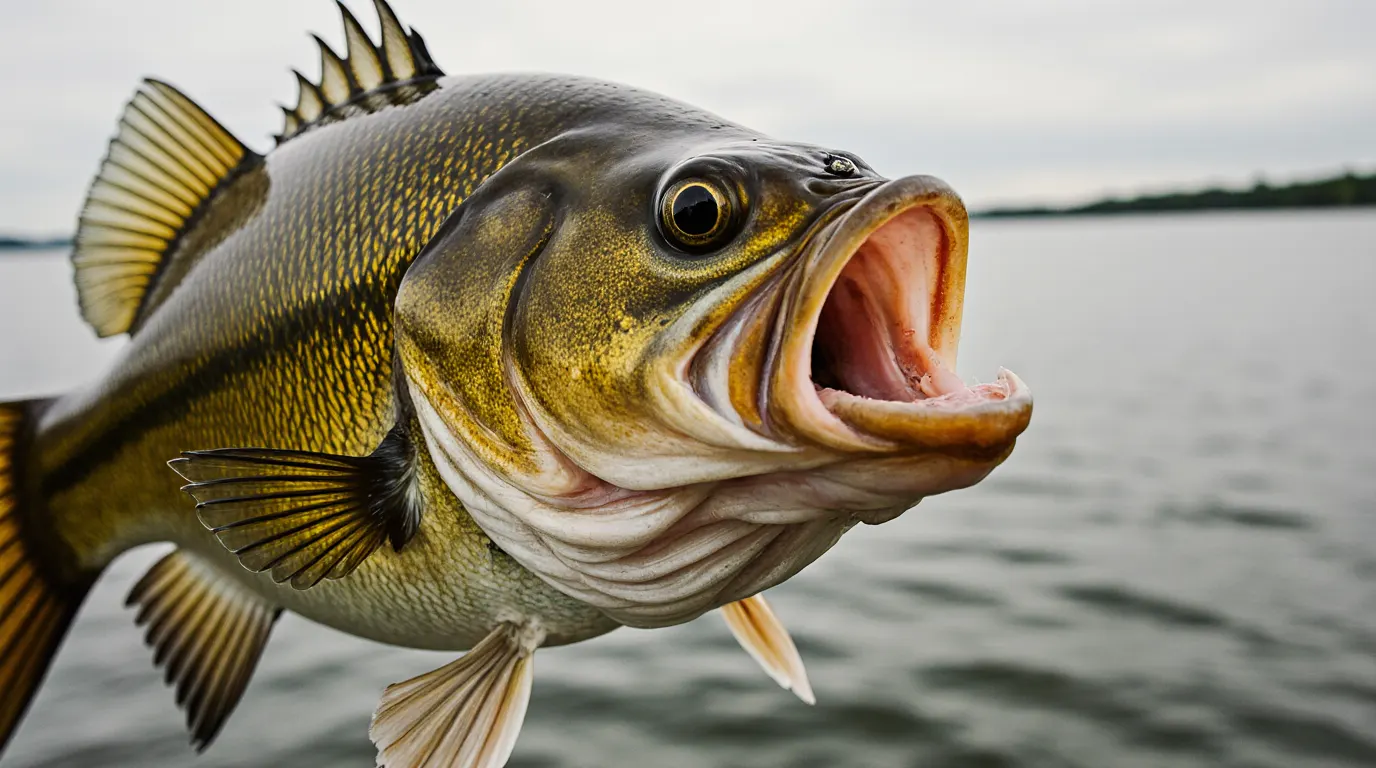
Knowing how to identify freshwater fish represents an essential skill for every angler, enabling you to follow regulations, share admiration of each species with fellow anglers, recognize protected or invasive species, and understand fish behavior that improves fishing success. Fish identification becomes particularly important when navigating size limits, bag restrictions, and species-specific regulations that vary between water bodies and jurisdictions. Depending on where you fish, the types of species caught may vary dramatically—a farm pond might contain only three or four species, whereas expansive river systems could harbor hundreds of different freshwater fish.
While fish identification can seem tricky initially, especially for beginners encountering unfamiliar species, systematic approaches focusing on key anatomical features rather than variable characteristics like color dramatically improve accuracy. This comprehensive guide covers essential freshwater fish identification tips including anatomical examination techniques, important distinguishing features, common species profiles, and strategies for differentiating similar-looking fish. Whether you’re ice fishing for perch, targeting trophy bass, or exploring new waters with diverse fish communities, these identification skills ensure you recognize exactly what you’ve caught.
Why Freshwater Fish Identification Matters
Regulatory Compliance: Proper fish identification proves critical for following local fishing regulations that establish species-specific size limits, bag limits, and seasonal restrictions. Misidentifying species can result in unintentional violations carrying significant fines. For example, keeping undersized largemouth bass thinking they’re legal-sized spotted bass, or harvesting protected redeye bass mistaken for smallmouth, creates legal problems despite good intentions.
When renewing fishing licenses, obtain copies of state fishing regulations that list official species names used in legal documents. Although common names vary regionally—sauger might be called “sand pike,” walleye “pickerel,” or crappie “papermouth”—regulations use standardized nomenclature requiring accurate identification. Understanding which species inhabit your target waters helps you fish legally and ethically.
Conservation and Protected Species: Many jurisdictions protect certain native fish species through catch-and-release-only regulations or complete fishing closures. Recognizing these protected species prevents accidentally harvesting fish critical to conservation efforts. For example, several redeye bass subspecies in southeastern streams maintain protected status due to limited ranges and hybridization threats from introduced species.
Equally important involves identifying invasive species that threaten native fish communities. Some states require anglers to kill and report invasive species like northern snakehead, Asian carp, or non-native spotted bass in certain watersheds. Proper identification enables you to contribute to invasive species management.
Understanding Fish Behavior: Identifying your catches improves fishing success by revealing species-specific behavior patterns, habitat preferences, and feeding habits. Once you recognize that you’re catching white perch rather than white bass, you can adjust tactics and locations to specifically target your preferred species. This knowledge transforms random fishing into strategic pursuits targeting desired species in appropriate habitats. For comprehensive fishing techniques, review our ice fishing tips guide.
Important Identification Principle: Don’t Rely on Color Alone
Color Variability Issues: While fish color can provide helpful identification clues, it should never serve as the sole characteristic for species identification. Habitat factors including water turbidity, vegetation type, substrate composition, and light penetration dramatically affect fish coloration. Fish inhabiting tannic-stained waters with dark organic matter often display much darker tones than the same species living in clear water ponds.
Color also changes dramatically throughout the year as fish transition between spawning and non-spawning phases. Male sunfish develop brilliant breeding colors during spring that fade considerably after reproduction concludes. Stress, handling, and time out of water further alter appearance—vibrant colors dull rapidly once fish are removed from their natural environments.
Misleading Common Names: Fish names themselves can mislead identification efforts. Green sunfish often exhibit more distinct blue coloration on their operculum (gill covers) than bluegill despite their names. Black crappie frequently appear no darker than white crappie, making color-based identification unreliable. Brook trout aren’t true trout but rather char, while rainbow trout belong to Pacific salmon genus despite common name. These naming inconsistencies emphasize why anatomical features provide superior identification foundations.
Focus on Anatomical Features for Accurate Identification
Body Shape and Proportions: The most important approach for freshwater fish identification involves examining actual fish anatomy. Major differences in body shapes represent the simplest method to distinguish fish among families and begin species identification. Not all fish are built alike—body forms range from compressed (sunfish), elongated (pike), fusiform/torpedo-shaped (trout), and anguilliform/eel-like (American eel).
Consider length-to-height ratios when examining body proportions. Deep-bodied species like bluegill and pumpkinseed appear almost circular in profile, while streamlined species like northern pike exhibit dramatically elongated forms optimized for ambush predation. These gross body shapes immediately narrow identification to specific families before examining finer details.
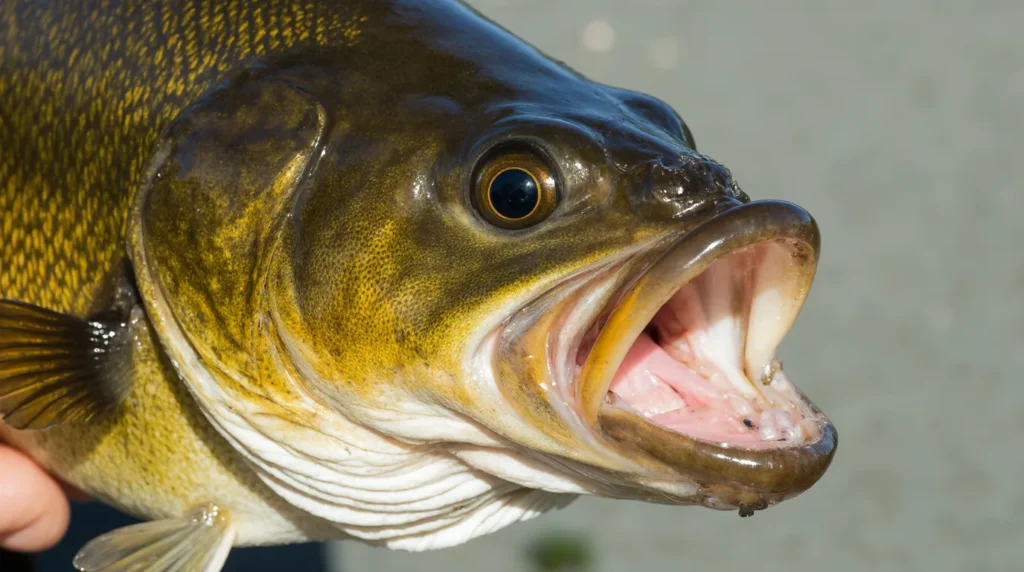
Mouth Position, Size, and Shape: Mouth characteristics provide crucial identification information. Some fish feature downward-oriented mouths (ventral or inferior) enabling them to feed along lake or stream bottoms—sturgeon, suckers, and carp all display this adaptation. Terminal mouths positioned at the front of the head suit fish feeding in mid-water columns. Upward-oriented mouths (superior) allow fish to capture prey above them or feed at surfaces.
Mouth size matters significantly for identification. Largemouth bass feature massive jaws extending beyond the rear edge of eyes, while smallmouth bass have smaller mouths ending below or slightly past eye centers. A flathead catfish’s lower jaw protrudes noticeably past the upper jaw, distinguishing it from channel catfish and blue catfish. These proportional relationships help differentiate closely related species.
Fin Characteristics and Meristics: Dorsal, tail, and pectoral fins provide characteristics that help identify fish species. The hard spines and soft rays in fins can be counted (meristics) or measured (morphometrics) to distinguish species from one another. For example, black bass (Micropterus genus) typically have 9-11 dorsal spines followed by 11-14 soft dorsal rays, and counting these structures helps distinguish species within this genus.
Some species exhibit connected dorsal fins while others show clear separation—largemouth bass display deeply notched or nearly separated dorsal fins, whereas spotted and smallmouth bass have connected dorsal fins. The presence or absence of spines in various fins narrows identification quickly—catfish lack spines in dorsal and pectoral fins (except their primary defensive spine), while sunfish feature prominent spiny rays.
Tail fin shapes (caudal fins) aid identification significantly. Some species have deeply forked tails (walleye, northern pike), others display rounded tails (gobies, bullheads), while still others show nearly square or slightly emarginate tails (sunfish). Examining upper versus lower lobe sizes reveals heterocercal tails with larger upper lobes (paddlefish, sturgeon) versus homocercal tails with equal lobes (most modern bony fish).
Distinctive Features and Unique Characteristics
Obvious Distinguishing Features: Some fish possess unmistakable distinguishing features that enable instant identification. All catfish species display prominent barbels (“whiskers”) around their mouths—channel cats have 8 barbels, flatheads and blues slightly different arrangements. Northern pike and muskellunge exhibit distinctive duck-bill-shaped snouts that immediately distinguish them from other species.
Chain pickerel display distinctive chain-like or interwoven markings on their sides that provide certain identification. Yellow perch feature 6-8 dark vertical bars running down olive-green flanks—this pattern appears so consistent that mistaken identity rarely occurs. Rainbow trout showcase iridescent pink or red lateral stripes with numerous black spots on body, dorsal fin, and tail. These signature characteristics allow identification even from distance or in photographs.
Subtle Distinguishing Characteristics: Many freshwater fish display more subtle characteristics requiring closer examination. Counting dorsal spines differentiates black crappie (7-8 spines) from white crappie (typically 6 spines). This technique works reliably even though overall appearance between these species remains extremely similar. Scale counts along lateral lines, gill raker counts, and ratios of body measurements to head or eye dimensions all serve as diagnostic traits for species identification.
Examine patterns of lateral lines—some species show complete lateral lines running from gill covers to tail fins, others display incomplete or interrupted lateral lines, while still others have multiple lateral lines. The presence and size of parr marks (vertical bars on juvenile salmonids) helps identify young trout and salmon. These morphological features remain consistent across populations despite color variations.
Common Freshwater Species Identification
Largemouth Bass (Micropterus salmoides): Jawbone extends beyond the back of the eye; two dorsal fins are nearly separated or deeply notched. Dark horizontal band running along sides, though this fades with stress. Prefers moderately clear to turbid, quiet warm waters in streams, rivers, lakes, and ponds around vegetation, logs, trees, brush, and stumps. Typical weights range 1-6 pounds, though fish exceeding 20 pounds exist.
Smallmouth Bass (Micropterus dolomieu): Upper jaw extends to middle of eye or slightly past; dorsal fins connected. Vertical bars on sides more prominent than largemouth’s horizontal band. Red eyes common, giving rise to “redeye” colloquialism. Prefers cooler, clearer water with rocky structure compared to largemouth.
Bluegill (Lepomis macrochirus): Deep, compressed body with dark opercular flap; vertical bars on sides. Terminal mouth small and upturned. Males develop brilliant blue and orange coloration during spawning. One of North America’s most common panfish found in ponds, lakes, and slow-moving streams.
Black Crappie (Pomoxis nigromaculatus): Light silver with irregular dark spots rather than vertical bars. Seven to eight dorsal spines distinguish from white crappie’s six spines. Deeper bodied than white crappie. Prefers clearer water with vegetation.
Channel Catfish (Ictalurus punctatus): Deeply forked tail; scattered dark spots on sides of younger fish. Eight barbels total with four under jaw. Upper jaw longer than lower jaw. Olive to slate-gray coloration on back fading to white belly. Common in rivers, lakes, and ponds across wide temperature ranges.
Northern Pike (Esox lucius): Elongated body with duck-bill snout; large mouth with numerous sharp teeth. Light oval spots on dark green background. Deeply forked tail. Prefers cool vegetated waters of lakes and slow rivers. For pike fishing techniques, explore our trophy ice fishing guide.
Yellow Perch (Perca flavescens): Six to eight dark vertical bars on olive-green to golden sides. Orange to red fins, particularly pelvic and anal fins. Two separate dorsal fins with spiny anterior and soft-rayed posterior. For comprehensive yellow perch tactics, review our yellow perch winter fishing tips.
Rainbow Trout (Oncorhynchus mykiss): Iridescent pink or red stripe along sides; dark spots on body, dorsal fin, and tail. Adipose fin present between dorsal and tail. Stocked in many lakes and rivers; native to Pacific drainages.
Using Field Guides and Identification Tools
Digital Identification Resources: Modern smartphone applications provide powerful fish identification tools. Apps like FishVerify, Fish Rules, and state-specific fish identification programs allow photograph-based identification using AI recognition. These tools prove particularly valuable when encountering unfamiliar species in new waters.
Many state fish and wildlife agencies maintain comprehensive online fish identification guides with photographs, detailed descriptions, and distribution maps. The Georgia Wildlife Resources Division, British Columbia’s Go Fish BC, and similar resources provide species-by-species profiles including scientific names, physical descriptions, habitat preferences, and size expectations.
Traditional Field Guides: Pocket-sized waterproof field guides remain valuable identification resources. These portable references allow quick consultation while fishing without requiring cellular service or battery power. Field guides organized by taxonomic families or using dichotomous keys walk you through systematic identification processes.
Expert Consultation: When uncertain about fish identity, consult experienced anglers, tackle shop staff, or conservation officers. Taking clear photographs from multiple angles—side views, head close-ups, and fin details—enables expert identification even if you’ve already released the fish. Many fishing forums and social media groups provide identification assistance when you post quality photographs.
Identifying Hybrid Fish
Common Freshwater Hybrids: Many freshwater fish species hybridize naturally or through human-assisted stocking programs. Saugeye (walleye × sauger) represent intentionally produced hybrids stocked in many midwestern reservoirs. These fish exhibit characteristics of both parent species—sauger-like mottled patterns combined with walleye body proportions.
Spotted bass readily hybridize with largemouth and smallmouth bass, particularly in areas where non-native spotted bass have been introduced. These hybrids display intermediate characteristics making identification challenging. With practice, you may learn to recognize hybrids by noting combinations of features that don’t fit cleanly into single species profiles.
Conservation Concerns: Hybridization threatens native species in many watersheds. Never transport fish to new water bodies—spotted bass movement has created hybridization issues threatening native black bass species across southeastern states. Understanding hybrid identification helps conservation efforts by documenting where hybridization occurs.
Regional Variations and Subspecies
Know Your Local Species: Before fishing new waters, research expected species in your area of interest. Understanding which fish inhabit your target watershed dramatically narrows identification possibilities. A farm pond in Alabama will contain entirely different species assemblages than a Montana mountain stream.
Some widespread species feature distinct regional subspecies or closely related species groups. Redeye bass in Georgia include multiple species—Altamaha bass, Chattahoochee bass, Bartram’s bass—each with subtle distinguishing characteristics. Rainbow trout stocked across North America originated from specific Pacific coast strains. Understanding these regional nuances improves identification accuracy.
Recording Fish Identifications
Maintaining Fishing Journals: Document fish identifications in fishing journals for future reference. Record species, distinguishing features you used for identification, and photographs when possible. This personal identification database improves your recognition skills over time while creating valuable records for pattern analysis. For comprehensive journal-keeping guidance, review our fishing journal guide.
Frequently Asked Questions About Freshwater Fish Identification
What features should I look at to identify freshwater fish?
Focus on anatomical features rather than color: body shape and proportions, mouth position/size/shape, fin characteristics (counts, positions, connections), tail shape, and distinctive features like barbels or markings. Count dorsal spines when differentiating similar species like black versus white crappie. Examine whether jawbones extend past eyes for bass identification. Check for adipose fins present on trout and salmon but absent on most other species. These morphological features remain consistent across populations despite color variations.
Why shouldn’t I rely on color to identify fish?
Color varies dramatically based on habitat factors (water clarity, vegetation, substrate), seasonal changes (spawning versus non-spawning), stress levels, and time out of water. Fish in dark tannic waters appear much darker than the same species in clear ponds. Breeding colors develop during spawning then fade afterward. Fish names mislead—green sunfish show blue coloration while black crappie may not appear darker than white crappie. Use color as supplementary information combined with reliable anatomical features.
How can I tell the difference between largemouth and smallmouth bass?
Largemouth bass have jawbones extending beyond the rear edge of eyes, deeply notched or nearly separated dorsal fins, and dark horizontal bands on sides. Smallmouth bass feature jaws extending only to middle of eye or slightly past, connected dorsal fins, and prominent vertical bars on sides. Smallmouth prefer cooler, clearer water with rocky structure while largemouth tolerate warmer, turbid water with vegetation. Mouth size represents the most reliable distinguishing feature.
What tools can help me identify fish I catch?
Modern smartphone apps like FishVerify and state-specific programs provide AI-powered photo identification. State fish and wildlife agency websites maintain comprehensive online identification guides with photos and descriptions. Traditional waterproof field guides work without cellular service. Consult experienced anglers, tackle shop staff, or conservation officers when uncertain. Take photographs from multiple angles for expert consultation via fishing forums. State fishing regulation booklets include official species listings.
How do I identify black crappie versus white crappie?
Count dorsal spines—black crappie have 7-8 dorsal spines while white crappie typically have 6 spines. Black crappie display irregular dark spots rather than vertical bars, are deeper bodied, and prefer clearer water with vegetation. White crappie show faint vertical bars, have more elongated bodies, and tolerate turbid water better. This spine-counting technique works reliably even though overall appearance remains similar. With practice, you can visually distinguish these species without counting.
Conclusion
Freshwater fish identification represents an essential angling skill enabling regulatory compliance, conservation participation, and improved fishing success through species-specific knowledge. While fish identification can seem challenging initially, systematic approaches focusing on reliable anatomical features—body shape, mouth characteristics, fin details, and distinctive markings—rather than variable color dramatically improve accuracy.
Understanding that not all fish are built alike and examining actual fish anatomy provides the most important identification foundation. Learning to recognize common species in your region, differentiating similar species through spine counts and proportional measurements, and utilizing modern identification tools creates comprehensive skills serving you throughout your angling career.
Whether targeting panfish through ice, fishing premier destinations, or keeping detailed fishing journals, accurate fish identification ensures you fish legally, ethically, and successfully.
Field guide for freshwater fish species identification reference