Keeping a fishing journal guide represents one of the most valuable yet underutilized practices for improving angling success across all fishing disciplines, including ice fishing. Whether you fish occasionally for recreation or pursue trophy catches competitively, documenting your fishing experiences through detailed logs creates personalized reference guides that reveal patterns, improve decision-making, and dramatically increase catch consistency. Research demonstrates that anglers who maintain fishing journals achieve 2.4x higher catch consistency compared to those who fish based solely on memory and intuition.
A well-designed fishing journal transforms random fishing trips into connected learning experiences that steadily build expertise. By recording critical information including dates, locations, weather conditions, water temperatures, successful techniques, and catch details, you create databases of knowledge that would otherwise fade from memory. This guide covers why fishing journals matter, what information to track, different journal formats, how to maintain consistent logging habits, and strategies for analyzing data to catch more fish.
Why Keep a Fishing Journal Guide : Proven Benefits
Pattern Recognition and Predictive Success: The primary benefit of maintaining fishing journals involves identifying patterns in fish behavior across different seasons, conditions, and locations. When you document successful and unsuccessful outings systematically, correlations emerge revealing optimal fishing times, productive techniques, and environmental factors triggering fish activity. These patterns allow you to predict conditions when fish will bite most actively, eliminating guesswork through data-driven decisions.
For example, your journal might reveal that trophy walleye at your favorite lake bite most aggressively during overcast mornings following cold fronts, specifically on gold jigging spoons tipped with minnows at 35-foot depths. This specific knowledge—impossible to retain through memory alone—dramatically increases your success when similar conditions occur.
Performance Improvement Through Analysis: Tournament anglers who maintained fishing journals made 38% fewer gear setup errors during competitive events according to Frontiers in Fish Science research. FishBrain app users increased catch rates by 31% after adopting location-specific strategies identified through journal analysis. These improvements stem from disciplined recording of both successes and failures, then analyzing patterns that emerge.
Memory Enhancement and Knowledge Retention: Even the most experienced anglers forget critical details from past fishing trips. Which specific lure triggered that memorable 30-fish day last February? What water temperature coincided with the best crappie bite during early ice? Where exactly was that productive weed bed edge on the north shore? Fishing journals preserve this information permanently, allowing you to reference successful strategies months or years later.
Skill Development and Learning Acceleration: Journaling forces you to think critically about your fishing experiences rather than mindlessly repeating actions. When you commit to recording details, you naturally become more observant, noticing subtle environmental factors and fish behaviors that casual anglers miss. This heightened awareness accelerates learning, helping you develop expertise faster than experience alone provides.
Conservation Contributions: Your fishing journal can contribute valuable data to conservation efforts and scientific research. Citizen science programs increasingly utilize angler-collected data for population monitoring, migration pattern studies, and habitat assessment. Your detailed records might help resource managers make informed decisions protecting fisheries for future generations.
Essential Information to Track in Fishing Journals

Date, Time, and Duration: Record the specific date of every fishing trip plus start and end times. This fundamental information allows you to correlate catches with seasonal patterns, identify productive times of day, and track how conditions change throughout seasons. Duration matters because a six-fish outing during two hours represents dramatically different productivity than six fish during eight hours.
Location Details: Document precise fishing locations with specificity enabling you to return to exact spots. Record lake names, GPS coordinates, specific structure (north shore weed edge, mid-lake hump, inlet channel), and distances from landmarks. For ice fishing, note hole positions relative to shore or other references. GPS-enabled digital journals automatically capture coordinates, simplifying this critical tracking element.
Weather Conditions: Weather dramatically influences fish behavior and bite activity. Track air temperature, sky conditions (sunny, cloudy, overcast), precipitation, wind speed and direction, and barometric pressure trends. Note whether conditions remained stable or changed during your trip. Many digital journal apps automatically import weather data based on location and time.
Water Conditions: Document water temperature, clarity (clear, stained, murky), water levels (high, normal, low), current strength, and any unusual conditions like algae blooms. For ice fishing, record ice thickness, snow cover, and whether slush was present. Water temperature particularly influences fish activity—correlating successful catches with specific temperature ranges reveals critical patterns.
Catch Details: Record every fish caught—not just legal keepers but all fish including small undersized specimens. Note species, quantity, sizes (length and weight when possible), and what happened to each fish (released, harvested, photographed). Some anglers prefer species-specific journals, particularly when focusing on single target species. Others maintain comprehensive logs tracking all catches.
Tackle and Techniques: Document exactly what tackle caught fish including specific lure models, colors, sizes, and any modifications. Record bait types when using live or cut bait. Note retrieval speeds (fast, slow, finesse), presentation depths, and jigging cadences. Be as specific as possible—”chartreuse 1/8-ounce tungsten jig tipped with two waxworms” provides more value than simply “jig”.
Structure and Cover: Identify specific structure or cover types where you caught fish—weed edges, rock piles, drop-offs, docks, brush piles, submerged timber, and transitions between depths or bottom compositions. This information reveals fish-holding patterns that dramatically improve location selection on future trips.
Additional Observations: Leave space for significant observations that might not fit standard categories. Examples include “swarms of baitfish on point,” “spit up crawfish,” “strong current levels adjacent to bridge pilings,” or “heard significant ice cracking during afternoon warming”. These contextual notes often provide valuable insights when reviewing past entries.

Fishing Journal Format Options
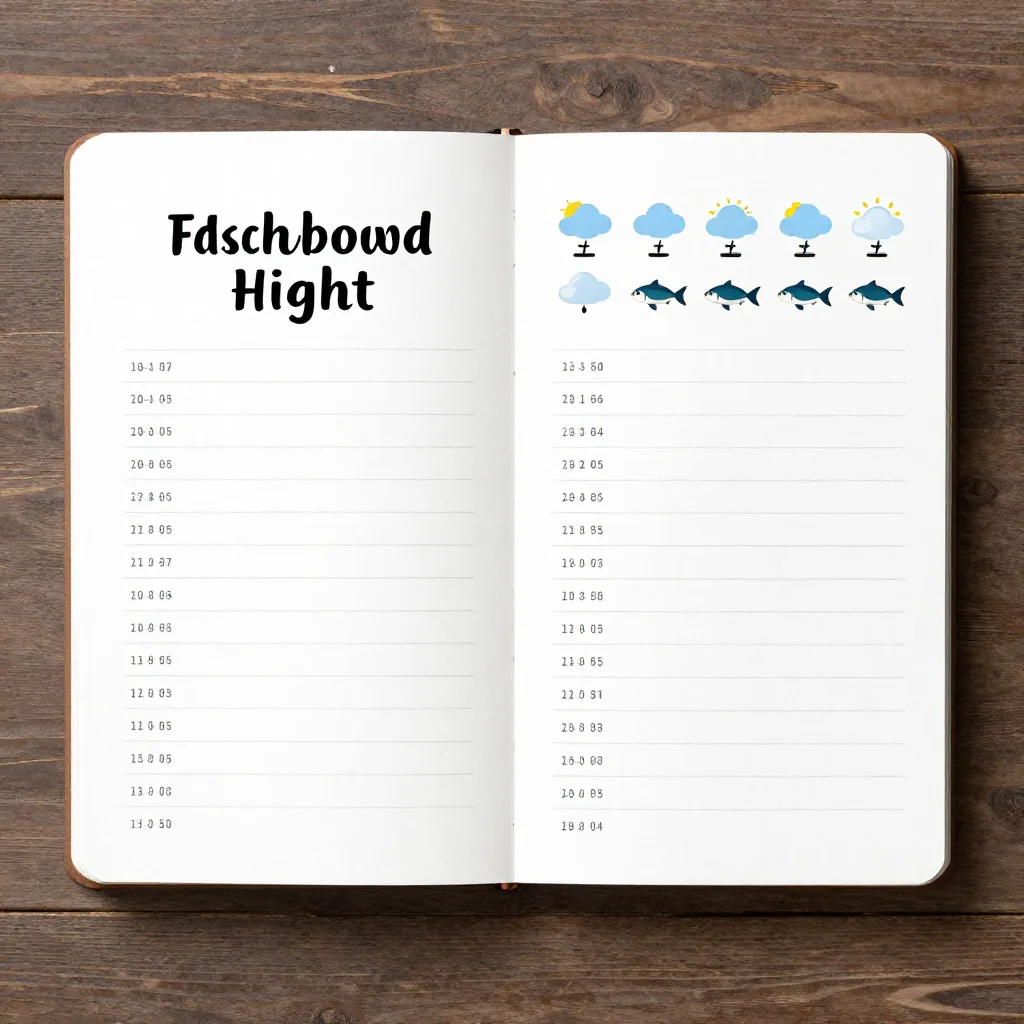
Paper Notebooks: Traditional and Reliable: Paper notebooks represent the most traditional journaling method, offering simplicity, reliability, and tactile satisfaction. Purchase dedicated fishing journals with pre-printed templates or use blank notebooks customized to your preferences. Store paper logs in waterproof bags to protect them from moisture, and keep them readily accessible in boats, tackle bags, or vehicles.
Advantages include no technology dependence, no battery requirements, quick jotting during fishing action, and permanent physical records immune to digital failures. Disadvantages involve vulnerability to water damage, difficulty searching past entries, limited photo integration, and potential for lost notebooks.
Computer Spreadsheets: Organized and Searchable: Digital spreadsheets like Microsoft Excel or Google Sheets provide excellent fishing journal platforms combining structure with flexibility. Create templates with columns for all tracking categories, then copy templates for each new trip. Spreadsheet formats enable easy sorting, filtering, and analysis revealing patterns across hundreds of entries.
Many anglers maintain dual systems—keeping paper logs during trips for quick field notes, then transferring information to computer spreadsheets weekly for permanent organized storage. This hybrid approach combines field convenience with digital analysis power. Spreadsheets allow running totals, calculated averages, and visual charts displaying seasonal trends.
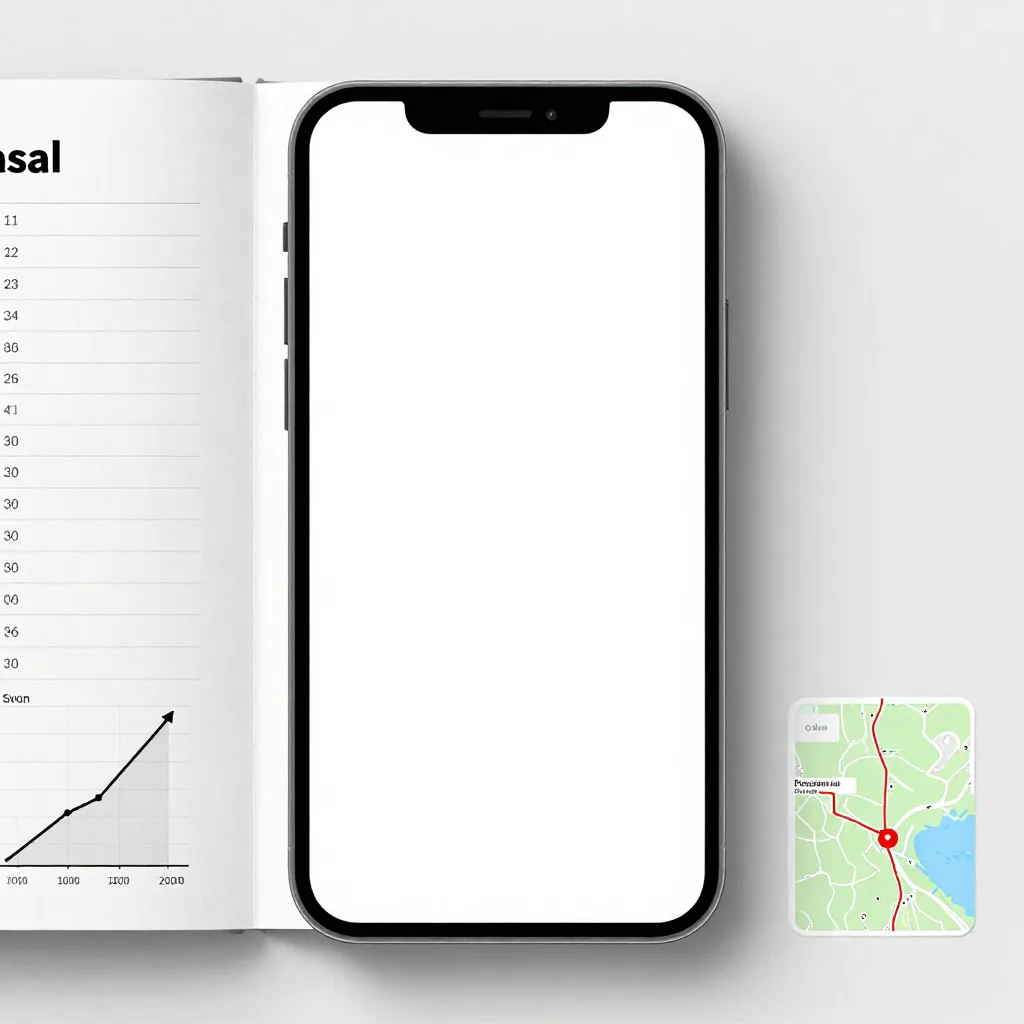
Fishing Journal Apps: Modern and Automated: Smartphone fishing journal applications represent the cutting edge of catch tracking, automating much of the data collection process. Apps like Log.Fish, FishBrain, and Fishidy capture GPS locations automatically, import real-time weather data, integrate photos seamlessly, and provide social sharing features.
Digital apps offer unmatched convenience—you can snap photos while unhooking fish, add short notes on presentation and conditions, save entries before the next cast, and everything syncs to cloud storage. Advanced features include mapping productive spots, analyzing catch statistics, identifying peak fishing times, and connecting with other anglers fishing your waters.
The primary disadvantage involves technology dependence—dead phone batteries, poor cellular reception, or app glitches can prevent logging. However, offline modes in quality apps mitigate many concerns. For ice fishing applications, explore our comprehensive ice fishing tips guide.
Free Printable Templates: Numerous websites offer free downloadable fishing log templates providing structured formats without creating custom systems from scratch. These templates typically include spaces for dates, locations, weather, catches, tackle, and observations. Print batches and store them in three-ring binders or waterproof pouches. Templates work excellently for anglers wanting structure without digital complexity.
Creating Your Fishing Journal System
Identify Priority Information: Before beginning your logging journey, identify information types most important to your fishing goals. Tournament bass anglers prioritize different data than casual panfish anglers or trophy ice fishing specialists. Consider what patterns would most benefit your fishing success, then design journal formats capturing that specific information.
Design Simple Templates: Whether using paper, spreadsheets, or apps, create simple streamlined templates that capture essential information without overwhelming complexity. Overly complicated systems discourage consistent use—the best fishing journal is the one you’ll actually maintain. Start minimal and add categories as you identify additional valuable data points.
Establish Consistent Habits: Success depends on consistent disciplined logging after every fishing trip. Establish routines ensuring you complete entries shortly after trips while details remain fresh in memory. Many anglers jot quick notes during fishing, then expand entries that evening or the following day. Find rhythms that work for your schedule and stick with them.
Keep Journals Accessible: Store paper journals and pens in waterproof bags within easily accessible locations—tackle boxes, boat storage compartments, or vehicles. Set up digital systems on devices you carry routinely (smartphones, tablets). The easier journals are to access, the more likely you’ll use them consistently.
Use Backup Systems: Always maintain backup logging methods for inevitable situations when primary systems fail. Keep small notepads as emergency backup when you forget main journals. For digital systems, periodically export and save data to prevent catastrophic losses from device failures.
Species-Specific Journal Considerations
Ice Fishing Journals: Ice fishing journals should track ice-specific variables including ice thickness, snow cover depth, presence of slush, shelter usage (heated vs. unheated), and whether you fished inside or outside. Document hole depths, distances between holes, and time spent at each location. Note whether you employed tip-ups, jigging, or deadsticking techniques. For comprehensive ice fishing guidance, review our ice fishing for beginners guide.
Multi-Species vs. Single-Species Logs: Some anglers prefer separate journals for each target species—largemouth bass, walleye, crappie, perch—allowing focused tracking without mixing data. This approach works excellently when specializing in particular species. Others maintain comprehensive journals documenting all catches regardless of species. Choose systems matching your fishing focus and organizational preferences.
Tournament-Focused Journals: Competitive anglers should emphasize patterns revealing peak performance conditions. Track not just catches but also missed opportunities, equipment failures, and strategic decisions. Note what competitors were doing successfully and where concentrations of boats indicated hot areas. Tournament journals help identify mistakes and refine strategies for future competitions.

Analyzing Journal Data for Improved Success
Regular Review Sessions: Set aside time monthly or seasonally to review past journal entries searching for patterns. Look for correlations between environmental conditions and fishing success. Do certain moon phases consistently produce better catches? Does wind from specific directions increase bite activity? Which lure colors work best during overcast conditions?
Creating Summary Reports: Generate summary reports analyzing seasonal trends, most productive locations, highest-performing lures, and optimal fishing times. Spreadsheet functions easily calculate statistics like average fish per trip, largest catches by species, and percentage of trips producing limits. These summaries provide at-a-glance references for planning future outings.
Applying Lessons Learned: The ultimate journal value comes from applying discovered patterns to future fishing decisions. When conditions match previously documented successful scenarios, replicate proven strategies rather than experimenting blindly. This data-driven approach transforms fishing from random luck into strategic pursuit backed by personal research.
Sharing Journal Knowledge
Contributing to Community Knowledge: Many fishing apps and online forums allow anglers to share journal entries, contributing to collective community knowledge. Your documented successes and failures help fellow anglers while their contributions enhance your understanding. This collaborative approach accelerates learning for entire fishing communities.
Mentoring New Anglers: Use your fishing journal to mentor newcomers by sharing specific proven techniques, productive locations, and seasonal patterns. Detailed journals provide credibility demonstrating that advice comes from documented experience rather than unreliable memory. For family ice fishing mentoring, explore our ice fishing with kids guide.
Frequently Asked Questions About Fishing Journals
Why should I keep a fishing journal?
Fishing journals help identify patterns in fish behavior across conditions, dramatically improving catch consistency. Research shows journal-keeping anglers achieve 2.4x higher catch consistency than those relying on memory alone. Journals reveal optimal fishing times, productive techniques, and environmental factors triggering activity. They preserve critical details that fade from memory including successful lures, exact locations, and specific conditions during productive trips. Journaling accelerates skill development by forcing critical thinking about fishing experiences.
What information should I track in a fishing journal?
Essential tracking categories include date/time, precise locations with GPS coordinates, weather conditions (temperature, sky, wind, pressure), water conditions (temperature, clarity, levels), catch details (species, sizes, quantities), tackle specifics (lure models, colors, sizes), retrieval techniques, structure/cover types, and additional observations. Be as specific as possible—”chartreuse 1/8-ounce tungsten jig” provides more value than “jig”. For ice fishing, add ice thickness, snow cover, and shelter usage. Track both successful and unsuccessful outings to identify patterns.
Should I use a paper notebook or digital app for my fishing journal?
Both formats offer advantages depending on preferences and situations. Paper notebooks provide reliability without technology dependence, require no batteries, and offer tactile satisfaction. Digital apps automate data collection, capture GPS automatically, integrate photos seamlessly, and enable powerful searching and analysis. Many anglers use hybrid systems—paper logs during trips for quick notes, then transfer data to digital spreadsheets weekly for organized storage. Choose systems you’ll actually maintain consistently.
How often should I update my fishing journal?
Update journals after every fishing trip while details remain fresh in memory. Many anglers jot quick notes during fishing, then expand complete entries that evening or the following day. Consistent disciplined logging is critical—incomplete or sporadic entries reduce pattern-recognition value. Establish routines ensuring you complete entries shortly after trips. For busy anglers, minimum viable entries capturing essential data outperform perfect detailed logs that never get completed.
Can fishing journals really improve my catch rate?
Yes, research demonstrates substantial improvements for anglers maintaining fishing journals. NOAA studies found 2.4x higher catch consistency among journal-keepers. Tournament anglers who maintained journals made 38% fewer setup errors. FishBrain app users increased catch rates 31% after adopting journal-identified strategies. Improvements come from replacing guesswork with data-driven decisions based on documented patterns. Even simple notes reveal correlations between conditions and success that memory alone cannot retain.
Conclusion
Keeping a fishing journal represents one of the most effective strategies for improving angling success across all fishing disciplines from ice fishing to tournament bass. Documented fishing experiences create personalized reference guides revealing patterns, correlating environmental factors with success, and preserving critical knowledge that memory cannot retain. Research consistently demonstrates that journal-keeping anglers achieve dramatically higher catch consistency through data-driven decision-making.
Whether you choose traditional paper notebooks, organized spreadsheets, or modern smartphone apps, the key involves consistent disciplined logging after every trip. Track essential information including dates, locations, weather, water conditions, catches, tackle, and techniques with sufficient specificity enabling pattern recognition. Regular review sessions analyzing past entries reveal correlations that transform random fishing into strategic pursuit.
Whether exploring premier ice fishing destinations, targeting yellow perch through ice, or pursuing trophy fish, maintaining fishing journals dramatically increases your success through accumulated documented knowledge.