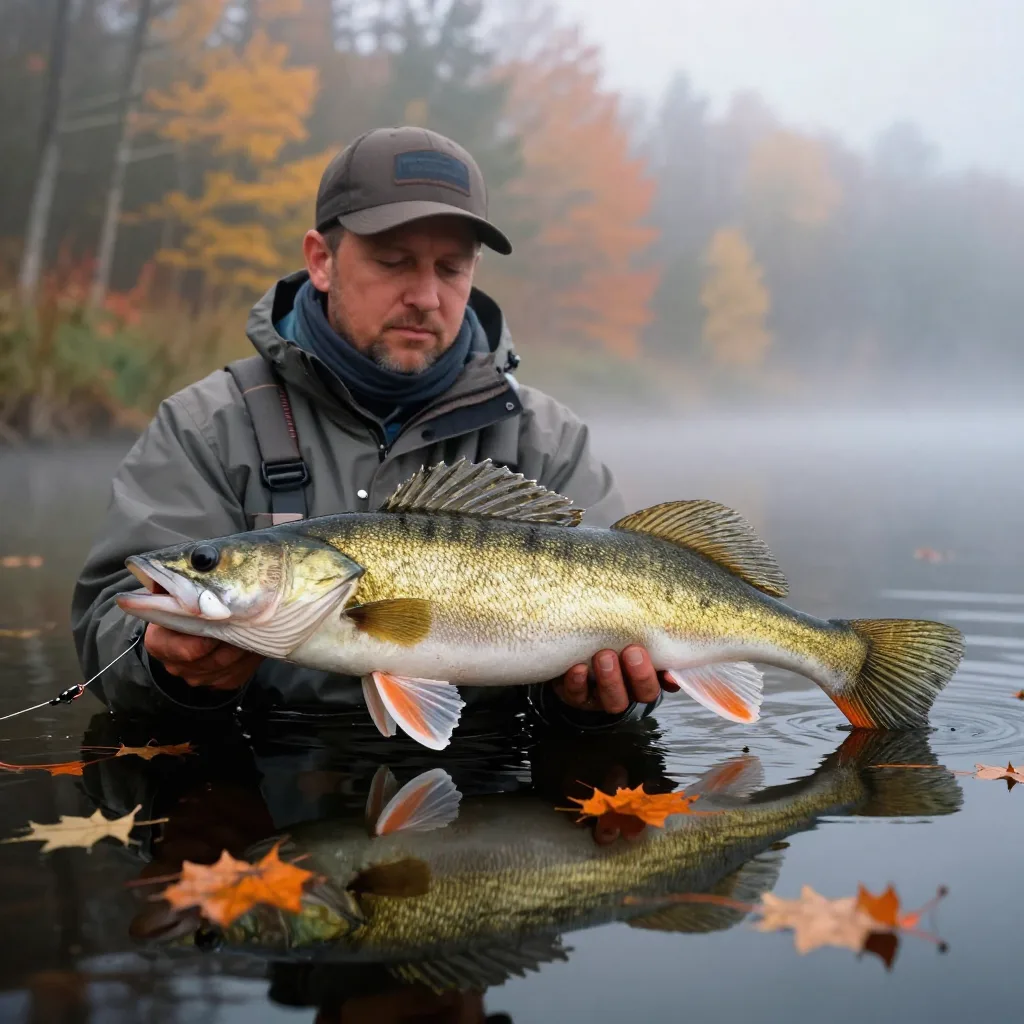
Fall freshwater fishing delivers some of the year’s most exciting and productive angling opportunities as cooler temperatures trigger aggressive feeding behavior across virtually all gamefish species. September, October, and November represent prime months when fish instinctively bulk up for approaching winter, chasing baitfish with abandon and striking lures aggressively. Whether targeting bass in shallow creeks, walleye on deep structure, trout in mountain streams, or crappie around brush piles, autumn’s cooling water temperatures create predictable patterns that savvy anglers exploit for banner catches.
The fall fishing madness stems from parallel behaviors between anglers and fish—both eat more in anticipation of cold winter months, both become more aggressive in cooler temperatures, and both present opportunities for impressive size as they pack on extra weight. This guide covers essential fall fishing strategies including targeting aggressive feeders, adapting to turnover conditions, following migrating baitfish, adjusting tackle for hard strikes, and capitalizing on weather patterns that concentrate fish. These autumn fishing tips ensure you catch more fish when leaves start changing and temperatures drop.
Why Fall Fishing Produces Exceptional Results
Aggressive Pre-Winter Feeding: Fish across all species recognize instinctively that winter approaches, triggering biological imperatives to consume maximum calories while food remains abundant. This pre-winter feeding frenzy transforms cautious summer fish into aggressive predators attacking presentations they would ignore during other seasons. Bass, walleye, pike, and trout all feed heavily to build fat reserves sustaining them through metabolically challenging winter months.
Trout in rivers particularly exemplify this pattern, targeting high-fat insects like grasshoppers along fields, large streamers in pools, and big stoneflies around rocks. These calories-dense prey items provide maximum energy return justifying pursuit effort. The same principle applies across species—autumn fish prioritize substantial meals over frequent small snacks.
Optimal Water Temperatures: Cooling water temperatures between 55-70°F create ideal metabolic conditions where fish remain active but require less oxygen than summer’s warmth demands. These comfortable temperatures allow fish to feed aggressively without stress, creating consistent bite windows throughout days rather than brief dawn and dusk activity periods. Many species reach peak activity levels during fall as temperatures enter their preferred ranges.
Predictable Fish Locations: Fall patterns develop more reliably than summer’s scattered fish distributions. As water temperatures steadily cool below 70°F, solid patterns emerge around classic breaks, hard bottoms, offshore structure, current areas, and shallow rock and weed lines. Fish concentrate in predictable locations following baitfish migrations, making them easier to locate consistently.
Less Fishing Pressure: Many recreational anglers put tackle away after Labor Day, transitioning focus toward hunting seasons, football, and other autumn activities. This reduced fishing pressure means less-spooked fish that strike more readily and occupy shallow accessible areas without constant disturbance. Popular summer fishing spots become virtually private during fall months.
Fall Fishing Strategies by Time Period
Early Fall (September): The Transition Begins
Water temperatures in high 60s to low 70s°F mark early fall transition periods. Bass move into creeks and coves chasing shad, feeding aggressively on baitfish concentrated in shallow water. Topwater baits including buzzbaits, poppers, and walking baits prove deadly during low-light conditions. Squarebill crankbaits excel when fish hold shallow around cover.
Walleye remain in transitional patterns during September, still relating to deep summer haunts but beginning to move toward basin edges and drop-offs. Aggressive presentations like glide baits and shiver minnows trigger reaction strikes from active fish. Crappie start schooling near brush piles, docks, and submerged timber at mid-depths measuring 10-15 feet.
The key to early fall success involves covering water quickly to locate active schools. Fish scatter more during warm early autumn than later in season, requiring mobility to find concentrations. Look for bird activity signaling baitfish schools—where baitfish concentrate, predators follow.
Mid-Fall (October): Prime Time Fishing
October arguably delivers the year’s best fishing across most species and regions. Water temperatures stabilize in mid-60s°F, creating optimal conditions. Bass feed heavily on migrating shad, making spinnerbaits and squarebill crankbaits excellent choices. Cover water rapidly until locating schools, then slow presentations with jigs to thoroughly work areas.
Walleye push toward nearshore areas and main lake basins at 20-40 foot depths. Deep-diving crankbaits trolled slowly produce consistently. Special opportunities arise as walleye move shallow at night—casting from docks or shorelines can produce trophy specimens. For comprehensive walleye tactics, explore our ice fishing tips preparing for upcoming hardwater season.
Crappie fishing peaks during October as shad move back into coves with crappie following close behind. Vertical jigging or slow trolling around schools produces rapid catches. Focus on windblown banks, rocky points, and brush piles where crappie concentrate.
Late Fall (November): Slow and Steady Wins
As water temperatures drop into high 40s to low 50s°F during November, fish slow considerably but remain catchable with patient approaches. Bass move deeper and often suspend, requiring jerkbaits worked slowly with long pauses between twitches. Football jigs dragged methodically along bottom remain reliable for quality fish.
Walleye transition toward river systems and wintering holes. Target channel edges, rock transitions, and deep pools using blade baits and jigs in moving water. Sauger become highly active in river systems like the Mississippi, remaining catchable well into ice-up. Rivers extend fishing seasons significantly beyond lake freeze dates.
Crappie suspend deep near main lake channels or structure during late fall. Live minnows and slow jigging techniques work best for these lethargic fish. Focus on quality over quantity—you can still catch big fish, but expect fewer bites requiring more patience.
Essential Fall Fishing Tips and Techniques
Go Big with Lure Selections
Fall fish prefer substantial meals providing maximum caloric return. Upsize lure selections compared to summer presentations—larger crankbaits, bigger swimbaits, oversized jigs, and jumbo streamers all produce better during autumn. Trout chase grasshoppers measuring 2+ inches rather than tiny midges. Bass attack 6-inch shad imitations instead of 3-inch finesse worms.
This doesn’t mean finesse presentations fail entirely—a well-placed Senko drifting slowly to bottom still catches bass during October. However, power fishing with larger baits covers water faster and triggers aggressive strikes from feeding fish. Match bait sizes to forage present in your waters—if shad measure 4-5 inches, use lures approximating those dimensions.
Follow the Baitfish Migrations
In fall, shad, minnows, and other forage species move into coves, creeks, and shallower water as temperatures cool. Gamefish follow these migrations closely, positioning themselves along travel routes to ambush concentrated prey. Locate baitfish schools using electronics, visual observation, or bird activity, then fish nearby structure where predators stage.
Target food sources by matching presentations to dominant forage. Schools of minnows, insects, or other prey often move shallower as seasons change. Predators congregate where food concentrates, creating hotspots holding multiple species. For identifying baitfish species, review our freshwater fish identification guide.
Move Around and Probe Water Columns
Ponds and lakes undergo turnover during fall as surface water cools, becomes denser, and sinks, displacing warmer bottom water upward. This mixing redistributes fish throughout water columns, making depth-finding critical to success. Probe systematically until locating the specific strata where fish suspend.
Knowing exactly where to fish in fall takes practice, so start practicing early in the season. Fish both deep and shallow water, because autumn patterns vary daily based on weather, sunlight, and baitfish locations. Target mid-depth and shallow areas during low-light morning and evening periods for maximum effectiveness.
Remember to fish shallower areas in fall—from 3 to 18 feet depth—where natural food sources concentrate. This contradicts summer’s deep-water patterns when fish seek cooler temperatures and higher oxygen levels.
Rig Up with Stronger Line
Fall fish strike hard, attacking presentations aggressively compared to tentative summer bites. The small diameter monofilament lines you used during clear, low-water summer conditions won’t handle autumn’s powerful takes. You’ll pop fish off during hooksets or lose them during aggressive runs.
Increase leader and line strength to land more fish successfully. If you fished 6-pound test during summer, switch to 8-10 pound for fall. The slightly reduced sensitivity represents acceptable trade-off for secure hookups and confident fish fighting. Cooler water reduces fish wariness, so they tolerate heavier lines without becoming spooked.
Target Structure and Transition Zones
Fish concentrate around specific structure types during fall. Rocky banks and riprap hold heat as water temperatures drop, attracting baitfish and subsequently predators. Fish both deep and shallow water wood, because bass particularly favor woody cover during autumn.
Focus on transition zones where conditions change rapidly. Edges of thermoclines or areas where warm and cool water meet concentrate prey species, creating ideal ambush points for bass, pike, and panfish. Wind-exposed points feature surface water mixing creating pockets of cooler oxygenated water drawing fish.
Shallow bays and inlets heat up and cool down faster than deeper lake sections, attracting baitfish and predators. Vegetation changes where aquatic plants die back funnel fish toward remaining cover. These transitional areas represent high-percentage locations during fall fishing.
Weather Patterns and Fall Fishing Success
Bouncing Barometers and Wind Patterns
Fall weather features volatile conditions with winds shifting between south and north, often gusting strongly. When fishing during autumn, match wind and current directions to find edges where fish hold. Wind-blown shorelines concentrate baitfish and trigger feeding activity as waves oxygenate water and dislodge food.
Cooling water temperatures during fall trigger feeding more than stable pressure systems. Look for colder water temperatures in mornings from cool nights that keep water temperature dropping despite afternoon sun. If nights aren’t cool enough to chill water sufficiently, patterns can unravel quickly.
Nor’easters and Rain Events
Nor’easter storms bring soaking rains filling rivers that feed ponds and lakes. After substantial rainfall, head immediately to inflows and outflows to find concentrations of fish. These current areas attract both baitfish and predators as oxygen-rich water enters systems and washes terrestrial food into waters.
River fishing improves dramatically during and after rain events as elevated flows activate walleye, bass, and trout feeding. Target current seams, eddies, and slack water pockets where fish hold without fighting heavy flows.
Temperature Monitoring
Pay close attention to water temperature changes affecting fish behavior during summer-to-fall transitions. Surface thermometers help locate active areas where temperatures fall into optimal ranges. Fish react quickly to changing temperatures, moving daily to maintain preferred conditions.
Adjust tackle to match temperature-driven activity levels—switch to slower-moving lures in cooler water, and try smaller presentations to entice finicky fish when temperatures drop significantly. For detailed temperature-based strategies, document patterns in your fishing journal.
Fall Fly Fishing Strategies
High-Fat Bug Patterns
Fall trout recognize they need extra calories, so they target high-fat insects in big mouthfuls. Grasshopper patterns along fields work exceptionally well during September and early October. These large terrestrial insects provide substantial protein and fat, making them worthwhile targets for energy-conscious trout.
Big streamers in pools imitate baitfish and crayfish that trout pursue aggressively during fall. Woolly buggers, sculpins, and articulated streamers measuring 4-6 inches catch trophy trout during autumn feeding binges. Big stonefly nymphs around rocks remain productive as these large aquatic insects continue hatching into fall.
Lake Fly Fishing Tactics
Fall lake fishing with fly tackle targets shallower areas from 3-18 feet depth where natural food sources concentrate. Effective patterns include leech imitations, water boatman patterns, shrimp flies, and damselfly nymphs. These presentations match prevalent forage in cooling lakes where trout and char feed heavily.
Float-fishing with worms or PowerBait just off lake bottom produces when fish become selective. Trolling Worden’s Triple Teazer or Panther Martin lures covers water efficiently until locating active fish.
Bring a Camera: Documenting Fall Beauty
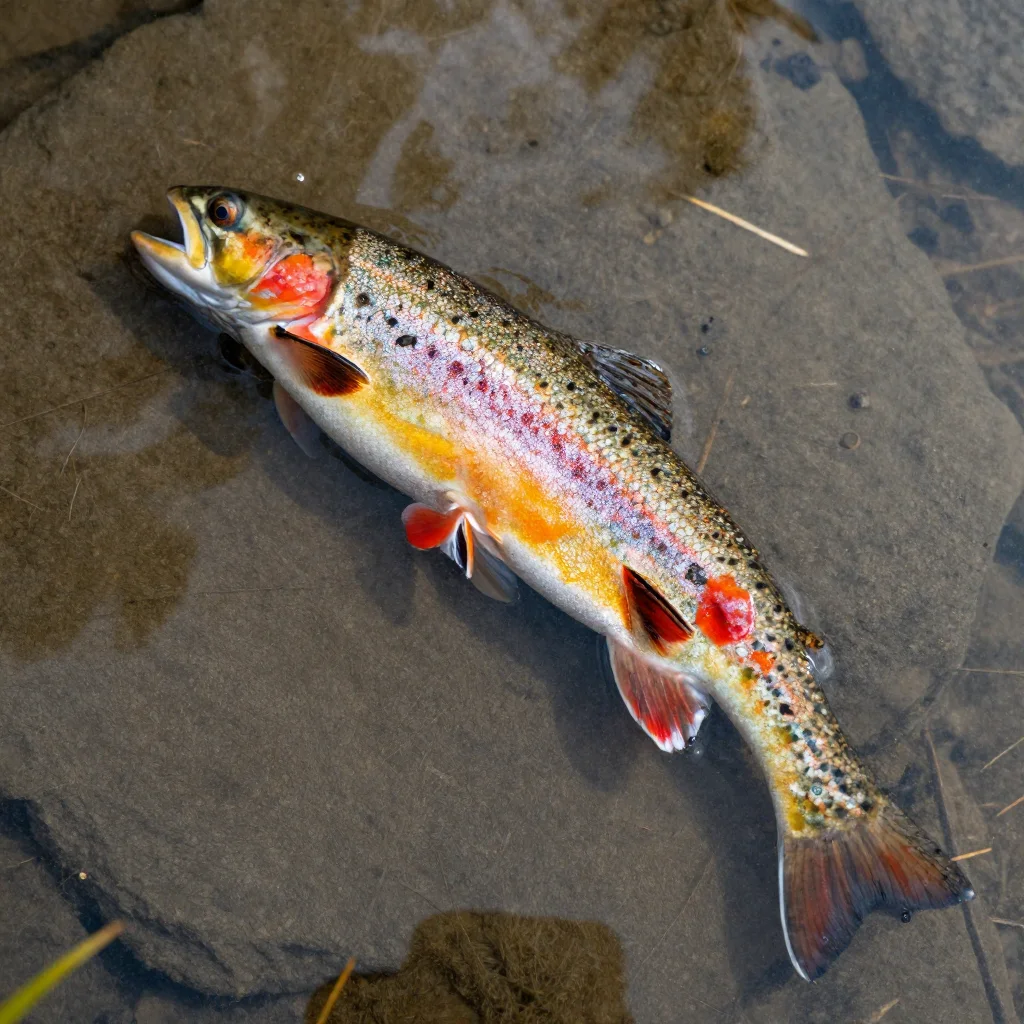
Fall fish change colors dramatically, displaying among the year’s prettiest appearances. Brook trout develop brilliant orange bellies and white-edged fins contrasting against dark green backs spotted with red and blue halos. Brown trout intensify golden hues with vivid red and black spots. Bass darken considerably with enhanced pattern definition.
Photographs taken while fishing during fall will carry you through winter, providing visual reminders you can admire when sitting in heated shanties on ice. These images preserve memories of spectacular autumn days when leaves turned colors matching fish beauty. Document catches, scenic landscapes, and fishing companions to create comprehensive records of exceptional fall fishing experiences. For organizing fishing memories, maintain detailed fishing journals.
End Your Season on a High Note
If you’ve struggled catching fish during summer, get after them by fishing fall. Fish become less spooky and easier to catch as cooling temperatures increase activity levels while reducing fishing pressure. You’ll end your open-water fishing season on a high note, building confidence and anticipation for ice fishing months ahead
Fall fishing rewards persistent anglers willing to adapt to changing conditions, follow migrating fish, and adjust presentations matching autumn’s unique characteristics. Whether you’re preparing for upcoming ice fishing adventures, targeting trophy fish, or simply enjoying year-end open-water opportunities, fall fishing madness delivers exceptional results.
Frequently Asked Questions About Fall Freshwater Fishing
Why is fall fishing so productive?
Fall fishing excels because cooling temperatures trigger aggressive pre-winter feeding as fish bulk up for approaching winter. Optimal water temperatures between 55-70°F create ideal metabolic conditions allowing heavy feeding without stress. Fish concentrate in predictable locations following baitfish migrations, making them easier to locate. Reduced fishing pressure after Labor Day means less-spooked fish in accessible areas. October arguably delivers the year’s best fishing across most species.
What are the best lures for fall bass fishing?
Early fall (September): topwater baits like buzzbaits and poppers, squarebill crankbaits, spinnerbaits. Mid-fall (October): spinnerbaits, squarebill crankbaits, jigs, swimbaits. Late fall (November): jerkbaits with long pauses, football jigs, finesse baits like Senkos. Upsize presentations compared to summer—fall bass prefer substantial meals providing maximum calories. Match lure sizes to dominant forage like shad measuring 4-5 inches.
Where should I look for fish during fall?
Follow baitfish into coves, creeks, and shallower water as they migrate during cooling temperatures. Target rocky banks and riprap holding heat. Fish both deep and shallow wood structure. Focus on transition zones where warm and cool water meet. Wind-exposed points create oxygenated pockets attracting fish. After rain events, concentrate on inflows and outflows where fish gather. Fish shallower areas (3-18 feet) where natural food sources concentrate.
How does water temperature affect fall fishing?
Water temperatures between 55-70°F create peak fall feeding conditions. As temperatures drop into high 60s-low 70s during September, fish begin feeding aggressively. Mid-60s in October provide optimal metabolic conditions for maximum activity. High 40s-low 50s during November slow fish considerably, requiring patient presentations. Look for cooler morning temperatures from cold nights that keep water chilling despite afternoon sun. Fish react quickly to temperature changes, moving daily to preferred ranges.
What tackle adjustments should I make for fall fishing?
Increase line strength compared to summer—switch from 6-pound to 8-10 pound test to handle aggressive strikes. Upsize lure selections to match fall’s larger prey preferences. Use faster retrieval speeds during warm early fall, slowing presentations as water cools. Switch to deep-diving crankbaits for walleye in 20-40 feet depths. Employ jerkbaits with long pauses during late fall when fish suspend. Adjust presentations daily based on water temperature and fish activity levels.
Conclusion
Fall freshwater fishing delivers exceptional opportunities as cooling temperatures trigger aggressive feeding behavior across all gamefish species. September through November represent prime months when predictable patterns develop around baitfish migrations, temperature-driven concentrations, and pre-winter feeding frenzies. Understanding seasonal progression—early fall transitions, mid-fall peak activity, late fall slowdowns—allows you to adjust tactics matching conditions for consistent success.
Essential fall strategies include upsizing presentations, following baitfish, probing water columns during turnover, increasing line strength, and targeting structure along transition zones. Weather patterns including wind, rain, and temperature fluctuations concentrate fish in predictable locations. Whether fishing trophy bass, walleye, trout, or panfish, fall madness provides year-end excitement before transitioning to ice fishing adventures.