One of the biggest keys to becoming a better angler involves keeping an open mind when it comes to new fishing tactics and baits. Sure, you may feel more comfortable sticking with what you know, but trying unconventional techniques and using a variety of different presentations can take your freshwater fishing skills to a whole new level. Besides, unexpected fishing opportunities can arise from time to time, so it helps if you know how to be resourceful with whatever tackle you have available.
These bizarre freshwater fishing bizarre fishing tactics that actually work might sound ridiculous at first—using saltwater baits in lakes, rigging worms backward through their centers, or fishing with candy instead of live bait. However, experienced anglers who’ve overcome initial skepticism and tested these strange methods consistently report impressive results that rival or exceed traditional presentations. This comprehensive guide explores three proven unconventional tactics including soft plastic shrimp for bass, wacky rigging stick baits, and using gummy worms as bait, plus additional bizarre techniques that produce surprising catches.
Bizarre Tactic #1: Using Soft Plastic Shrimp as Freshwater Bass Bait
The Scenario: Wrong Tackle, Right Mindset
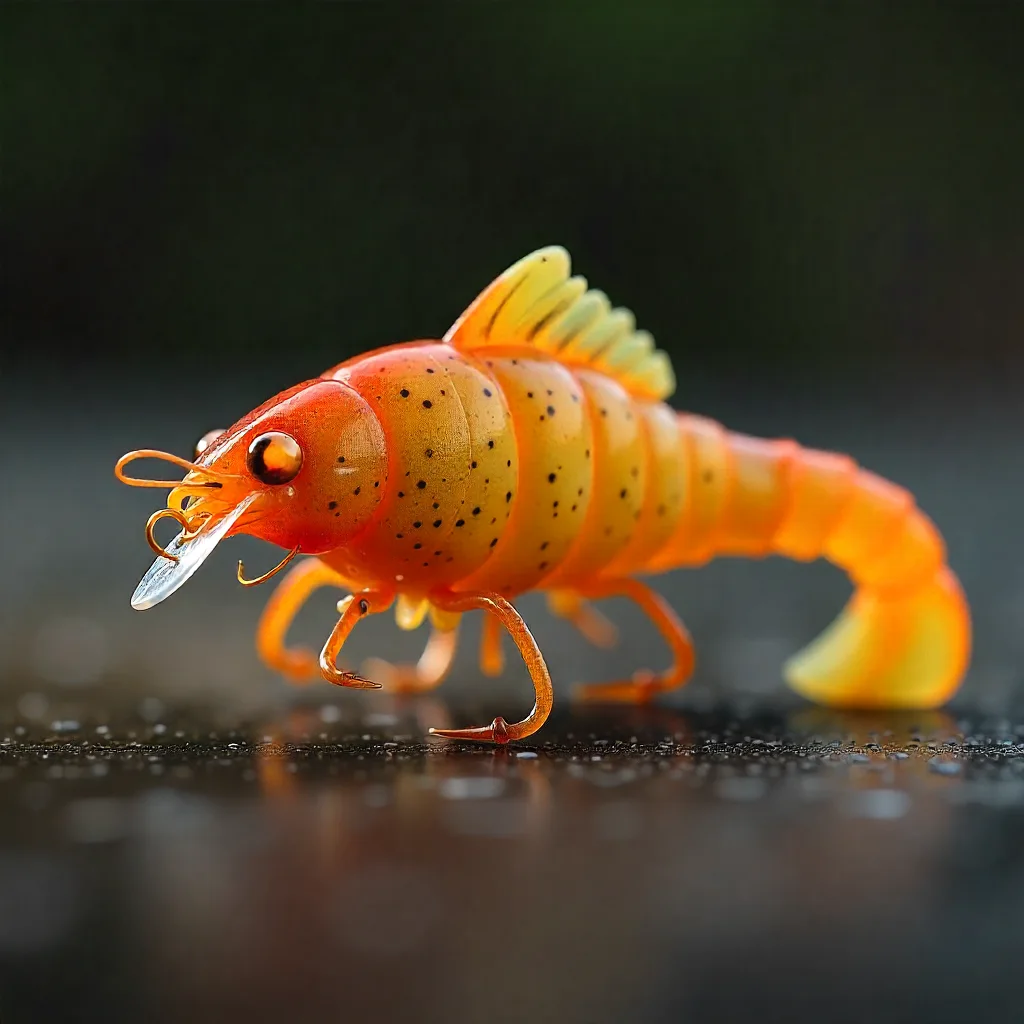
You might be more accustomed to saltwater fishing for redfish or spotted seatrout, but happen to be near a freshwater lake and only have your saltwater tackle box with you. Don’t worry—you can still wet a line and have excellent chances at landing largemouth bass. How? Use one of the soft plastic shrimp patterns in your tackle box.
Think about it—soft plastic shrimp sure look a lot like crawfish, don’t they? The body shape, multiple legs, and overall profile closely resemble the crayfish that bass feed on heavily throughout the year. Bass recognize this familiar silhouette and attack soft plastic shrimp with the same enthusiasm they show toward dedicated bass baits.
Why This Works: Crawfish Mimicry
Crawfish represent primary forage for largemouth bass, smallmouth bass, and spotted bass across North America. These crustaceans inhabit virtually every freshwater system containing bass, making them instantly recognizable prey items. Soft plastic shrimp designed for saltwater species like redfish feature anatomical similarities to crawfish including segmented bodies, multiple appendages, and curved tail sections.
Bass don’t differentiate between “saltwater shrimp baits” and “freshwater crawfish baits”—they simply recognize familiar prey profiles. The realistic leg action, bulky claws, and defensive posture of soft plastic shrimp trigger strikes from bass programmed to consume crawfish. Colors like brown, orange, green pumpkin, and watermelon perfectly match natural crawfish colorations.
Rigging and Presentation Techniques
Rig soft plastic shrimp Texas-style with offset worm hooks, burying hook points for weedless presentations around cover. The weighted Texas rig allows you to fish shrimp through vegetation, timber, and rocks where bass and crawfish both concentrate. Alternatively, use Carolina rigs for dragging shrimp across open bottoms where bass cruise searching for meals.
Presentation matters significantly when fishing soft plastic shrimp in freshwater. Crawfish move with quick backward scoots when threatened, so impart sharp backward hops to your shrimp using rod tip snaps. Pause between hops, allowing shrimp to settle to bottom where bass often strike during these vulnerable moments. The combination of realistic profile, proper color selection, and crawfish-mimicking presentation makes soft plastic shrimp surprisingly effective bass baits.
Bizarre Tactic #2: Wacky Rigging Your Soft Plastic Stick Baits
Breaking from Traditional Rigging Methods
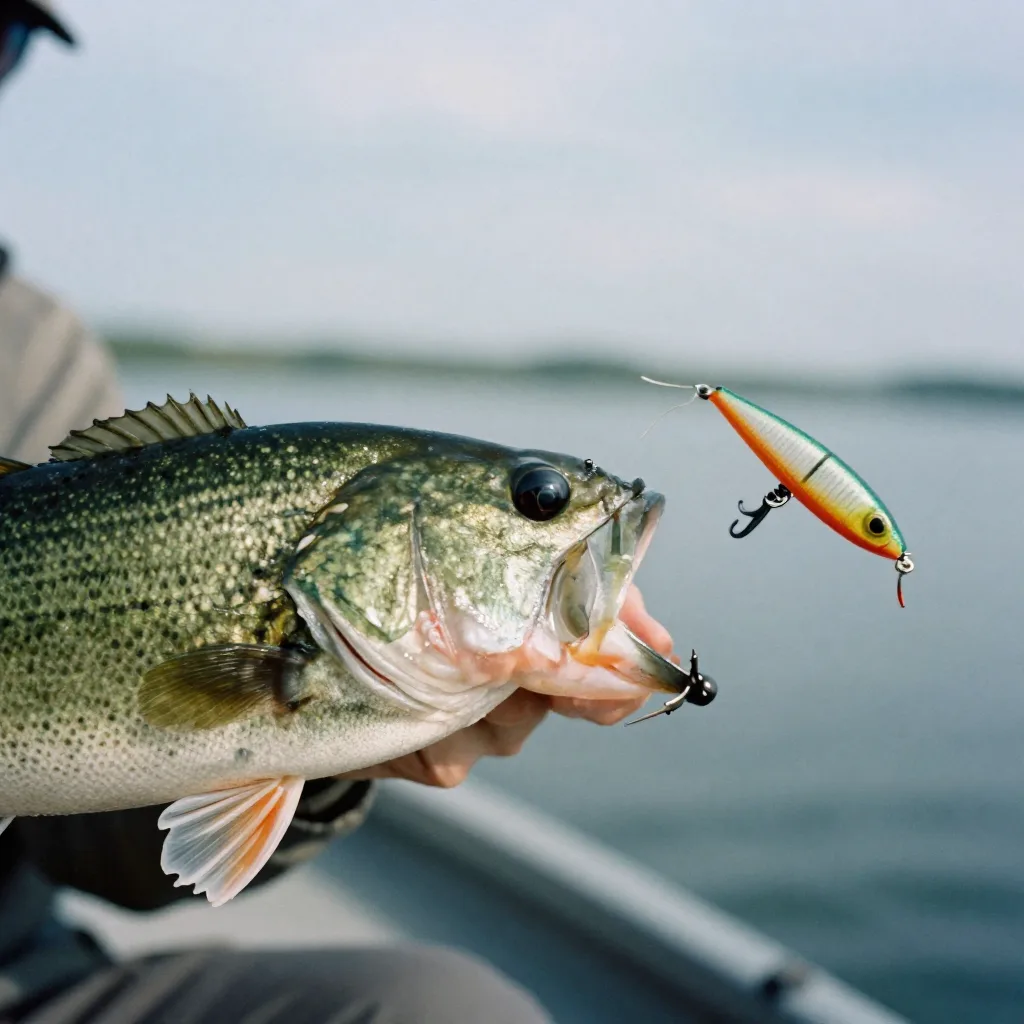
Traditional Texas and Carolina rigs dominate freshwater bass fishing, and for good reason—they catch fish consistently. However, wacky rigging stick baits presents an unconventional alternative that produces exceptional results, particularly in areas lacking heavy cover. This bizarre presentation involves taking your hook and running it through the center of plastic stick baits (like Senkos or Stickos) so that both ends hang free on both sides.
Rigging a stick bait this way may seem strange at first, but bass absolutely love the unique fluttering motion created when the two ends drift down through the water column. If you try this fishing tactic, you won’t be sorry you did. The natural undulating action created by gravity pulling both ends downward proves irresistible to bass across all seasons and conditions.
The Fluttering Action That Drives Bass Crazy
The key to wacky rig effectiveness lies in the distinctive action created during the fall. When hooked through their centers, stick baits descend horizontally with both ends waggling and shimmying in hypnotic patterns. This movement perfectly imitates dying baitfish, wounded prey, or aquatic creatures drifting naturally through water columns.
Bass often suspend in open water or position themselves near edges of vegetation where traditional bottom-bouncing presentations become less effective. Wacky-rigged stick baits excel in these situations, slowly falling through strike zones with mesmerizing action that triggers reaction strikes from bass that might ignore faster-moving lures.
When and Where to Fish Wacky Rigs
Wacky rigs shine brightest in relatively open water lacking extensive cover. Target dock pilings, isolated grass clumps, rock transitions, and suspended fish over deep water. The exposed hook point makes wacky rigs poor choices for heavy vegetation or thick timber where snags occur constantly. However, in open environments, few presentations match wacky rig productivity.
This technique works exceptionally well during post-spawn and summer months when bass suspend and feed less aggressively. The slow fall rate and subtle action often trigger bites from finicky fish ignoring more aggressive presentations. Spring bedding bass also attack wacky rigs readily, viewing the slowly descending bait as threats to nests.
Wacky Rig Setup and Variations
Basic wacky rigs require only stick baits and small octopus-style hooks ranging from size 1 to 1/0. Insert hooks through the exact center of stick baits, ensuring equal length on both ends. Some anglers use O-rings or special wacky rig tools that allow hook attachment without penetrating the bait itself, dramatically extending durability.
Weight can be added via nail weights inserted into one end, causing baits to fall nose-first rather than horizontally. This variation creates different action patterns that sometimes trigger strikes when standard wacky rigs fail. Experiment with both weighted and weightless presentations until fish reveal preferences. For comprehensive bass techniques, review our fall freshwater fishing guide.
Bizarre Tactic #3: Using Gummy Worms to Catch Bass and Catfish
From Candy Aisle to Tackle Box
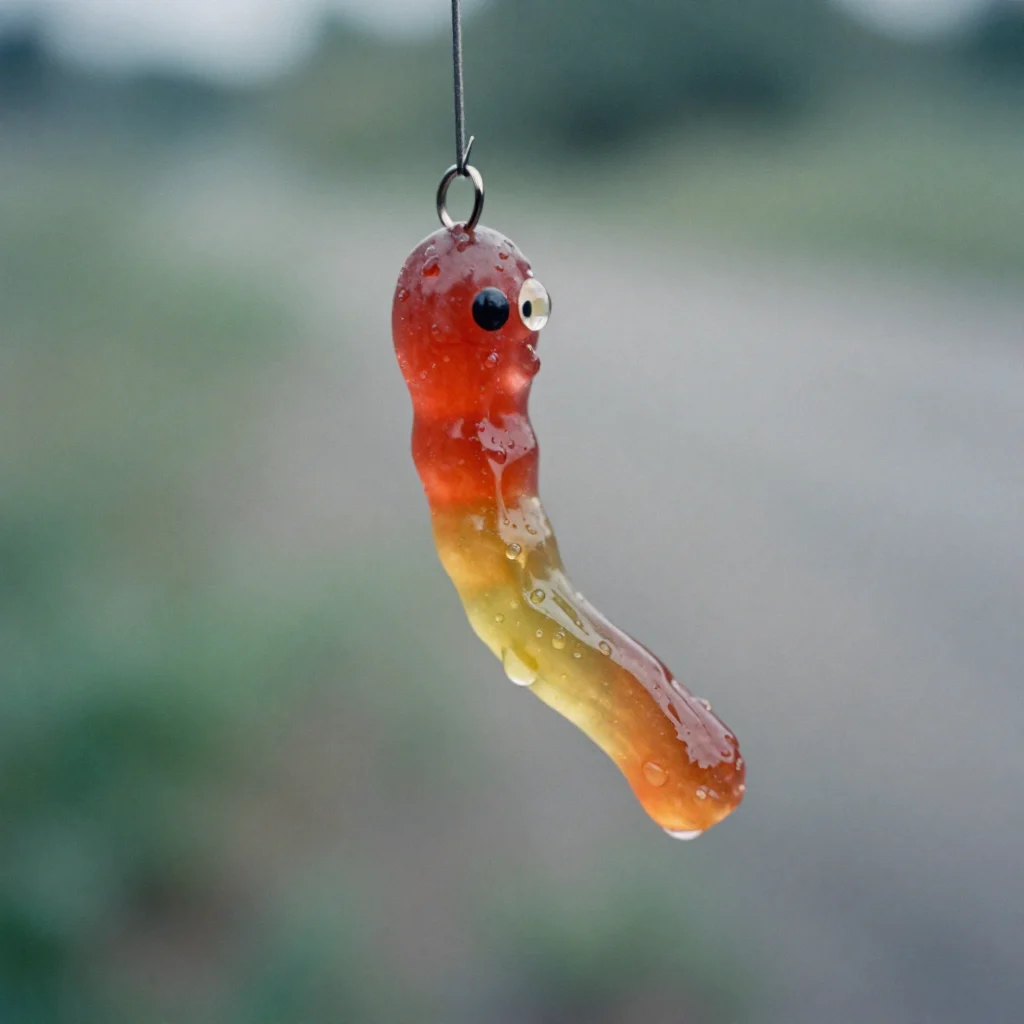
We all know that live nightcrawlers represent fantastic freshwater fishing baits for catching bass and catfish, but have you ever thought about using those multi-colored worms made from gelatin and sugar as bait? Well, you just might want to try because gummy worms actually work! This bizarre tactic sounds like a joke until you witness bass and catfish aggressively attacking gummy worms with the same enthusiasm they show toward live nightcrawlers.
The trick involves using an old package of gummy worms because the firmer the gummy worms are, the easier it will be to rig them and keep them on hooks. Fresh soft gummy worms fall apart quickly when cast or attacked by small baitfish. However, stale hardened gummy worms develop rubbery textures that stay on hooks through multiple casts and fish catches.
Why Fish Bite Candy: The Science Behind Gummy Worms
Several factors explain why gummy worms catch fish despite being candy rather than natural bait. First, the visual appearance closely resembles live nightcrawlers—both feature elongated bodies, segmented sections, and similar sizes. Bass and catfish rely heavily on visual cues when feeding in relatively clear water, so realistic silhouettes trigger strikes regardless of composition.
Second, gummy worms produce scent trails as sugar and gelatin dissolve in water. While this scent differs from natural nightcrawler odors, it still attracts fish investigating unusual chemical signals. Catfish particularly respond to sweet scents, explaining why they attack gummy worms so readily.
Third, the texture of stale gummy worms closely approximates soft plastic worms that bass anglers use constantly. Fish accustomed to biting soft plastics don’t differentiate between artificial rubber and gelatin-based candy. Once hooked, gummy worms provide enough resistance to set hooks effectively.
Rigging and Fishing Gummy Worms
You can rig gummy worms the same way you would soft plastic worms—Texas-rigged with offset hooks for weedless presentations through cover. Thread hooks through gummy worm heads, sliding them up and burying hook points in bodies for snag resistance. Alternatively, rig gummy worms like live nightcrawlers underneath bobbers with small split shot weights.
The bobber presentation works exceptionally well for catfish using gummy worms as bait. Suspend gummy worms 12-24 inches off bottom near channels, holes, and current areas where catfish feed. The bright colors—red, orange, green—actually attract catfish attention in murky water where visibility remains limited.
For bass, cast gummy worm Texas rigs to shoreline cover including laydowns, docks, and weed edges. Work gummy worms slowly with subtle twitches and pauses, allowing bass time to locate and strike offerings. The slower you fish gummy worms, the longer they remain intact before sugar dissolves completely.
Cost-Effectiveness and Availability
One significant advantage of gummy worm fishing involves cost-effectiveness. A package of gummy worms costs less than $3 and contains dozens of baits. Compare this to quality soft plastic worms costing $5-8 per package of 10-15 baits. When fishing with kids or in situations where bait loss runs high, gummy worms provide budget-friendly alternatives.
Gummy worms are available everywhere—grocery stores, gas stations, dollar stores, and vending machines all stock these candies. If you forget live bait or run out of soft plastics during fishing trips, any nearby store provides emergency backup baits. For family fishing fun, explore our ice fishing with kids guide.

Additional Bizarre Fishing Tactics Worth Trying
Small Grubs for Cold-Water Pike
Conventional wisdom suggests using large flashy lures for northern pike and muskellunge, yet small white grub tail jigs measuring 1/8 to 1/4 ounce prove surprisingly effective when water temperatures drop during early spring or late fall. Cold water slows pike metabolism, making them reluctant to chase large fast-moving presentations. Small grubs moving slowly near bottom trigger strikes from lethargic fish ignoring conventional pike offerings.
Floating Worms for Surface Bass
Rather than Texas-rigging soft plastic worms to bottom, try rigging them weightless on light wire hooks. The setup consists only of the worm and appropriately sized hook—no weight whatsoever. When cast, worms only submerge slightly due to hook weight, floating around the surface. Light twitches create presentations keeping lures in water indefinitely.
Like other topwater lures, floating worm setups make bass blow up explosively. You might witness majestic breaches of largemouth bass with flared gills showing how angry these presentations make them. This technique excels when bass hide in heavy underwater structures—weedless rigging prevents snags while drawing fish from cover.
Dragging Jigs Continuously
Rather than hopping jigs rhythmically along bottom as traditional presentations dictate, try dragging them continuously without stopping. Cast to promising areas, let jigs sink completely, then lower rod tips as much as possible while slowly reeling steadily. Never stop reeling or twitch tips at all.
This causes jigs to drag across bottoms continuously without leaving contact. While small hops work great, dragging jigs ensures they never leave bottom, eliminating any chance of missing fish unless they’re simply not near your casting points. This subtle presentation triggers bites from bass in negative feeding moods.
Tipping Artificials with Natural Bait
Many purist bass anglers refuse tipping artificial lures with natural baits, viewing this as admitting defeat. However, adding small pieces of nightcrawlers, minnows, or crawfish tails to jigs, crankbaits, or spinnerbaits dramatically increases catch rates in tough conditions. The scent and taste of natural bait provides additional attraction beyond visual profiles and action patterns.
This tactic works exceptionally well during cold fronts or high-pressure systems when bass become extremely selective. The natural bait component gives hesitant fish that extra stimulus needed to trigger strikes. For comprehensive technique guidance, review our learning fishing techniques guide.
Keeping an Open Mind: The Key to Fishing Success
Overcoming Skepticism
The common thread connecting all bizarre fishing tactics involves overcoming initial skepticism. Soft plastic shrimp for bass sound wrong, wacky rigs look ridiculous, and gummy worms seem like pranks rather than serious presentations. However, anglers who push past these mental barriers and actually test unconventional methods consistently discover they work better than expected.
Fishing involves constant experimentation and adaptation. What works perfectly one day fails miserably the next as fish behavior changes with weather, water conditions, and seasonal patterns. Maintaining diverse tactical arsenals including both conventional and bizarre methods ensures you can adapt to whatever situations arise.
Being Resourceful with Available Tackle
Unexpected fishing opportunities arise regularly—traveling for business near productive waters, encountering perfect conditions during road trips, or receiving last-minute invitations from fishing friends. Having only saltwater tackle when bass fishing opportunities appear, or lacking specific baits for conditions encountered, doesn’t mean forgoing fishing.
Resourceful anglers adapt available tackle to new situations rather than lamenting missing equipment. Saltwater soft plastics work for freshwater bass, fly fishing gear catches panfish, and even candy substitutes for live bait when necessary. This adaptability often leads to discovering new effective techniques that expand your fishing knowledge.
Documenting Success with Unusual Techniques
When bizarre tactics produce surprising results, document experiences in fishing journals. Record specific conditions, exact presentations used, and catch details for future reference. These notes help identify patterns revealing when unconventional methods outperform traditional approaches. For comprehensive documentation strategies, review our fishing journal guide.
Legal and Regulatory Considerations
Check Fishing Regulations First
Before trying bizarre fishing tactics, always check state fishing regulations ensuring methods comply with local laws. Some jurisdictions restrict certain bait types, rigging methods, or fishing techniques. What’s legal in one state might violate regulations in neighboring jurisdictions.
Maintain Current Fishing Licenses
Make sure you have current valid fishing licenses before trying any fishing tactics, whether conventional or bizarre. When renewing licenses or fishing new jurisdictions, obtain copies of fishing regulations detailing legal methods and species restrictions. For comprehensive licensing information, review our ice fishing license guide.
If you’ve had luck catching freshwater fish using strange techniques or baits you didn’t expect to work, share experiences with fellow anglers. Online fishing forums, social media groups, and local fishing clubs provide platforms for exchanging unconventional tactics. Your bizarre method might become someone else’s new favorite technique.
Frequently Asked Questions About Bizarre Fishing Tactics
Do soft plastic shrimp really work for freshwater bass?
Yes, soft plastic shrimp work excellently for bass because they closely resemble crawfish—primary bass forage. The body shape, multiple legs, and overall profile mimic crayfish that bass feed on heavily. Rig shrimp Texas-style or Carolina-style using crawfish colors like brown, orange, and green pumpkin. Present them with sharp backward hops imitating fleeing crawfish. This tactic proves especially valuable when you have only saltwater tackle but encounter bass fishing opportunities.
What makes wacky rigs so effective for bass?
Wacky rigs create distinctive fluttering action as stick baits fall horizontally with both ends waggling hypnotically. This movement perfectly imitates dying baitfish or wounded prey. Bass love this presentation because it triggers reaction strikes even from finicky fish. Wacky rigs excel in open water lacking heavy cover, particularly during post-spawn and summer when bass suspend. The slow fall rate and subtle action work when aggressive presentations fail.
Can you actually catch fish using gummy worms?
Yes, gummy worms catch bass and catfish surprisingly well. They visually resemble live nightcrawlers, produce scent trails as sugar dissolves, and provide textures similar to soft plastic worms. Use old stale gummy worms that have hardened—they stay on hooks better than fresh soft ones. Rig them Texas-style for bass or under bobbers for catfish. The bright colors attract attention in murky water while costing less than traditional soft plastics.
What other unconventional bass fishing tactics work?
Floating worms rigged weightless create topwater action driving bass crazy. Dragging jigs continuously along bottom without hopping triggers bites from negative fish. Small grubs work for cold-water pike despite conventional wisdom suggesting large flashy lures. Tipping artificial lures with natural bait pieces dramatically increases strikes during tough conditions. Going small with panfish-sized lures catches bass when they’re feeding on tiny baitfish. For additional techniques, review our learning fishing techniques guide.
Are bizarre fishing tactics legal everywhere?
Regulations vary between jurisdictions regarding allowable baits, rigging methods, and fishing techniques. Always check state fishing regulations before trying unconventional tactics ensuring they comply with local laws. What’s legal in one state might violate regulations in neighboring areas. Maintain current fishing licenses and obtain regulation copies when fishing new jurisdictions. For licensing guidance, review our ice fishing license information guide.
Conclusion
Keeping an open mind toward bizarre freshwater fishing tactics represents one of the biggest keys to becoming a better angler. Unconventional methods including soft plastic shrimp for bass, wacky-rigged stick baits, and gummy worms as bait all sound ridiculous until you witness their effectiveness firsthand. These strange presentations consistently produce impressive results rivaling or exceeding traditional techniques.
Being resourceful with available tackle, overcoming skepticism toward unconventional methods, and maintaining willingness to experiment separates stagnant anglers from those continuously improving their skills and catch rates. Whether you’re pursuing fall fishing opportunities, learning new techniques, or preparing for ice fishing adventures, embracing bizarre tactics that actually work expands your angling capabilities.
1 thought on “3 Bizarre Fishing Tactics That Actually Work 2026”