
Pans for Cooking Chilean Sea Bass
The sizzle of fish hitting a hot pan fills the kitchen, releasing a nutty aroma as butter mingles with olive oil. Soon, the edges crisp to a golden perfection, while the delicate flesh of Chilean sea bass transforms into flaky, tender bites of pure indulgence. But here’s the truth most home cooks discover the hard way: achieving that restaurant-quality sear depends almost entirely on having the right pan.
I learned this lesson years ago when I attempted to recreate that anniversary dinner magic at home. Armed with my cheap non-stick pan, I watched in horror as my $30 piece of Chilean sea bass stuck, tore, and turned into an expensive mess. The pan simply couldn’t handle the heat needed for proper searing. That failure sent me on a journey to find the perfect pan for cooking this luxurious fish—and trust me, not all pans are created equal.
Whether you’re a seasoned home cook or attempting your first Chilean sea bass, the pan you choose makes the difference between crispy, golden perfection and disappointing, soggy fish. After testing dozens of options and analyzing thousands of Amazon reviews, I’ve identified the five best pans for achieving that coveted restaurant-quality sear. Let’s dive into what makes each one special and help you choose the perfect pan for your kitchen.
Understanding What Makes a Great Fish-Searing Pan
Before we compare specific products, let’s talk about what separates mediocre pans from exceptional ones when it comes to cooking delicate fish like Chilean sea bass.
Heat Retention and Distribution
The holy grail of pan-searing fish is consistent, even heat. Chilean sea bass has high fat content and delicate flesh that requires precise temperature control. A pan that creates hot spots will give you burnt edges and raw centers—not exactly what you’re aiming for when you’ve spent premium money on premium fish.
Cast iron and carbon steel lead the pack for heat retention. Once these materials get hot, they stay hot, maintaining the temperature even when you add cold fish to the pan. This consistent heat is what creates that gorgeous golden crust without overcooking the interior.
Stainless steel with an aluminum core offers excellent heat distribution, spreading warmth evenly across the cooking surface. This prevents those dreaded hot spots that char one side of your fish while leaving the other pale and sad.
Surface Material and Non-Stick Properties
Here’s where things get interesting. Traditional non-stick pans can’t handle the high heat needed for proper searing—most are rated only to 400-450°F, and serious searing happens around 450-500°F. Plus, those synthetic coatings don’t allow the Maillard reaction that creates complex flavors and beautiful browning.
Properly seasoned cast iron or carbon steel develops a natural non-stick patina over time. This surface releases fish cleanly when it’s ready to flip, while still allowing proper browning. It’s the best of both worlds—natural release without sacrificing searing capability.
Some home cooks prefer stainless steel despite its tendency to stick. The trick? Get the pan screaming hot, use enough fat, and don’t touch the fish until it naturally releases. That initial stick actually helps create a better crust. For more fish cooking techniques, check out our comprehensive guide.
Size and Weight Considerations
A 10-12 inch pan is ideal for most home cooking scenarios. This size accommodates two 6-8 ounce Chilean sea bass fillets comfortably without crowding. Overcrowding lowers the pan temperature, causing fish to steam rather than sear.
Weight matters more than you might think. Heavy pans retain heat better and won’t warp on high heat, but they’re harder to maneuver. If you have wrist issues or limited upper body strength, a slightly lighter carbon steel pan might serve you better than hefty cast iron.
The pan should also be oven-safe to at least 500°F. Thick Chilean sea bass fillets often benefit from finishing in the oven after searing—you get crispy skin on the stovetop, then move to gentle oven heat to cook through without drying out.
Product #1: Lodge 12-Inch Cast Iron Skillet
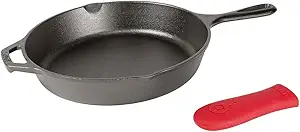
Amazon Rating: 4.7/5 stars (85,000+ reviews) Price Range: $30-40 Best For: Traditional searing and all-around versatility
The Lodge 12-inch cast iron skillet is the workhorse that belongs in every kitchen. This American-made pan has been around for over a century for good reason—it simply works. The pre-seasoned surface means it’s ready to use right out of the box, no prep work required.
What Makes It Great for Chilean Sea Bass
The 12-inch cooking surface provides ample room for two large fillets without crowding. The excellent heat retention means once this pan gets hot, it maintains temperature beautifully even when you add cold fish. That consistent heat is crucial for achieving crispy skin without overcooking the delicate flesh.
Cast iron’s natural non-stick properties (when properly maintained) allow fish skin to release cleanly once it’s ready. The pan can handle screaming high heat—we’re talking 500°F+—without warping or damage. This high-heat capacity creates that coveted golden crust that makes restaurant fish so irresistible.
The assist handle makes lifting this heavy pan safer, especially when transferring from stovetop to oven. And yes, it’s fully oven-safe, so you can start your sea bass on the stove and finish it in a 425°F oven without switching vessels.
Considerations and Drawbacks
At nearly 9 pounds, this isn’t a pan for people with wrist issues. The weight that makes it great for heat retention also makes it cumbersome to lift and pour. Cleaning requires hand-washing and immediate drying to prevent rust—toss it in the dishwasher and you’ll ruin your seasoning.
The seasoning requires some maintenance. While Lodge pre-seasons their pans, you’ll need to build up additional layers over time for optimal non-stick performance. High-acid foods like tomatoes or wine sauces can strip seasoning, requiring re-seasoning.
Real User Experiences
Amazon reviewers consistently praise this pan’s ability to create restaurant-quality sears on fish. One user notes: “I’ve cooked hundreds of fish fillets in this pan over five years, and the seasoning just keeps getting better.” Multiple reviews mention successfully cooking Chilean sea bass with perfect crispy skin.
Common complaints focus on the weight and the learning curve for proper cast iron maintenance. Some users who’ve switched from non-stick find the initial sticking frustrating until they master the technique.
Best Practices for Chilean Sea Bass
Preheat the pan for 4-5 minutes over medium-high heat before adding oil. The pan is ready when water droplets dance and evaporate immediately. Use a combination of butter and oil—the oil raises butter’s smoke point while maintaining flavor.
Pat your Chilean sea bass completely dry before seasoning. Moisture is the enemy of crispy skin. Place the fillet skin-side down and resist the urge to peek or move it for at least 4 minutes. When the skin releases easily, it’s ready to flip.
Product #2: Lodge Carbon Steel Skillet (10-Inch)
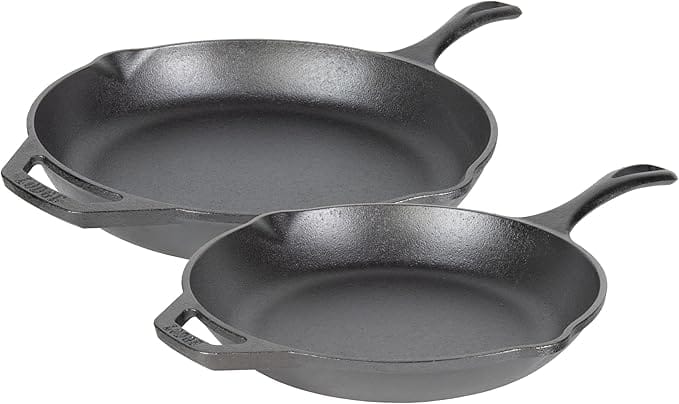
Amazon Rating: 4.6/5 stars (15,000+ reviews) Price Range: $12.95-24.90 Best For: Responsive temperature control and lighter weight
Carbon steel represents the sweet spot between cast iron’s heat retention and stainless steel’s responsiveness. The Lodge carbon steel skillet brings professional-kitchen performance to home cooks at an accessible price point. Like their cast iron, it comes pre-seasoned and ready to use.
Advantages for Cooking Fish
Carbon steel heats faster than cast iron, saving precious minutes when you’re hungry. More importantly, it responds quickly to temperature changes—turn down the heat and the pan cools faster, giving you better control over delicate fish cooking.
At roughly half the weight of comparable cast iron, this pan is much easier to maneuver. The lighter weight makes flipping fish less intimidating and reduces strain during cooking. The smooth cooking surface (smoother than cast iron’s textured finish) is ideal for fish with delicate flesh that might catch on rougher surfaces.
The sloped sides make it easier to slide a spatula under your fish fillet for flipping. With Chilean sea bass, that gentle flip is crucial—this expensive fish deserves careful handling. The pan develops a natural patina with use, creating increasingly better non-stick properties over time.
What to Watch Out For
Carbon steel requires similar maintenance to cast iron—hand washing, immediate drying, and light oiling after each use. The thinner material (compared to cast iron) means it can warp if subjected to thermal shock, like running cold water over a hot pan. Always let it cool gradually.
The pre-seasoning is good but not as robust as Lodge’s cast iron. Expect to build up seasoning over the first few uses. Some users report initial sticking with fish until the pan is fully broken in. Be patient—the performance improves dramatically after 5-10 uses.
The 10-inch size, while perfect for most fish fillets, is slightly smaller than the 12-inch cast iron option. You’ll fit two medium fillets or one large Chilean sea bass fillet comfortably.
User Feedback Highlights
Professional chefs and home cooks alike rave about carbon steel for fish. One Amazon reviewer notes: “I switched from stainless to carbon steel for fish cooking and haven’t looked back. The control is incredible.” Another mentions specifically cooking Chilean sea bass: “Finally achieved that crispy skin I’ve been chasing.”
The most common praise focuses on the pan’s responsiveness and lighter weight compared to cast iron. Users appreciate that it heats quickly, saving time during weeknight cooking. Several reviews mention the pan’s ability to move seamlessly from stovetop to oven for finishing thick fish fillets.
Complaints typically center on the maintenance requirements. Users accustomed to tossing pans in the dishwasher find hand-washing annoying. A few reviews mention food sticking during the initial break-in period before proper seasoning develops.
Cooking Tips for Best Results
Season your carbon steel pan with high-smoke-point oils like grapeseed or avocado oil. After cooking, while the pan is still warm, wipe it with a thin layer of oil. This prevents rust and continues building that natural non-stick surface.
For Chilean sea bass, preheat over medium heat for 2-3 minutes—faster than cast iron due to the thinner material. Add your fats and increase to medium-high once the fish goes in. The quick heat response means you can adjust temperature on the fly if the skin starts browning too fast.
Carbon steel is perfect for pan sauces. After removing your fish, deglaze with white wine or lemon juice to create a quick sauce from those flavorful browned bits. Just work quickly—the acidity can strip seasoning if left sitting.
Product #3: All-Clad D3 Stainless Steel Tri-Ply Fry Pan (12-Inch)
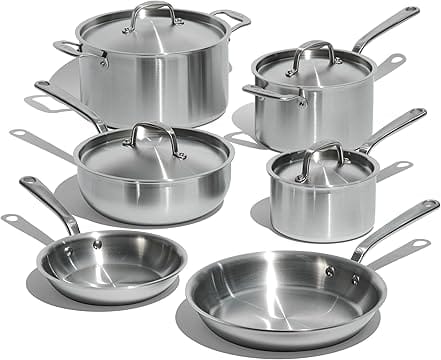
Amazon Rating: 4.7/5 stars (12,000+ reviews) Price Range: $120-180 Best For: Even heating, durability, and professional results
All-Clad represents the gold standard of stainless steel cookware. The D3 line features three layers—stainless steel exterior, aluminum core, and stainless steel cooking surface. This tri-ply construction delivers even heating that rivals cast iron while offering the durability and easy maintenance of stainless steel.
Why It Excels for Sea Bass
The aluminum core conducts heat beautifully, eliminating hot spots that plague cheaper stainless pans. This even heating means your Chilean sea bass gets consistent browning edge to edge. The wide, flat cooking surface accommodates multiple fillets, perfect for entertaining or meal prep.
Stainless steel won’t react with acidic ingredients, making it ideal if you’re deglazing with wine or adding citrus-based sauces. The pan can handle temperatures up to 600°F in the oven—far beyond what you’ll ever need for fish, but nice for other applications. For ideas on healthy fish preparations, our collection offers great inspiration.
The polished stainless surface, while not naturally non-stick, develops a temporary non-stick effect when properly preheated. This allows fish skin to develop incredible crispiness before releasing naturally. Many professional chefs prefer this method over true non-stick coatings because it promotes better browning.
The Learning Curve
Stainless steel demands proper technique—there’s no way around it. The pan must reach the right temperature before adding fish, and you need adequate fat to prevent sticking. Novice cooks often struggle initially, leading to stuck, torn fish skin. The learning curve is real but worthwhile.
The price point is significantly higher than cast iron or carbon steel options. You’re paying for American manufacturing, lifetime durability, and exceptional performance. For casual cooks who only occasionally prepare fish, the investment might feel excessive.
Food will stick if you don’t follow proper procedure: hot pan, cold oil, add fish, don’t touch it. Many beginners add fish too early or try to flip before it’s ready, resulting in frustration. With Chilean sea bass being expensive, practicing technique on cheaper fish first is wise.
What Amazon Reviewers Say
Professional standards meet home kitchens in the reviews. Users consistently mention the pan’s longevity—”I’ve had mine for 15 years and it looks new” is a common refrain. Fish-specific reviews praise the even browning and crispy skin achievable with proper technique.
The price generates mixed reactions. Some feel it’s absolutely worth the investment for serious cooking, while others question whether the performance justifies the premium over alternatives. No one disputes the quality; the debate centers on value for money.
Maintenance receives universal praise. Unlike cast iron or carbon steel, stainless steel goes in the dishwasher without issue. Stuck-on food? Bar Keeper’s Friend removes it easily. The pan requires no special care beyond normal cleaning.
Technique for Perfect Results
The “mercury ball” test determines when your pan is ready. Add a droplet of water—if it forms a ball that rolls around, your pan is at the perfect temperature. Add oil, swirl to coat, and let it shimmer before adding fish. This seems fussy but becomes second nature quickly.
Use enough fat—at least 2-3 tablespoons for a 12-inch pan. The oil creates a barrier between the fish and pan surface. Season your Chilean sea bass generously with salt, which also helps prevent sticking while drawing out moisture for better browning.
Don’t touch the fish for at least 4-5 minutes after placing it skin-side down. It will stick initially—this is normal. As proteins cook and create crust, they release naturally. Attempting to flip early guarantees torn skin. Patience is your friend here.
Product #4: HexClad 12-Inch Hybrid Frying Pan
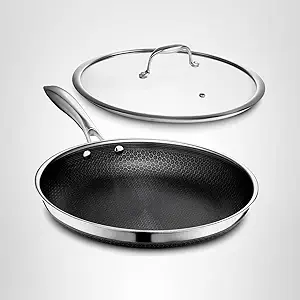
Amazon Rating: 4.4/5 stars (8,000+ reviews) Price Range: $150-180 Best For: Non-stick ease with high-heat capability
HexClad represents innovative cookware technology—a hybrid combining stainless steel’s searing power with non-stick convenience. The patented hexagonal pattern features raised stainless steel ridges with non-stick valleys, creating a unique surface that delivers the best of both worlds.
The Hybrid Advantage
The stainless steel ridges allow Maillard reactions for proper browning while the non-stick valleys provide easy food release. For Chilean sea bass, this means you can achieve crispy, golden skin that slides right off the pan—no torn flesh, no frustration. It’s particularly valuable for beginners intimidated by traditional stainless steel.
The pan handles high heat up to 500°F on the stovetop, unlike traditional non-stick cookware limited to 400°F. This high-heat tolerance enables proper searing without damaging the coating. The PFOA-free non-stick surface is safe and doesn’t release harmful chemicals when heated.
Metal utensils won’t scratch or damage the cooking surface—a significant advantage over traditional non-stick. You can use metal fish spatulas (the best tool for flipping delicate fillets) without worry. The pan is also dishwasher safe, though hand washing extends its lifespan. For more gourmet preparations, this pan handles them all.
Potential Concerns
The premium price ($150-180) exceeds most cast iron and even some All-Clad options. For that price, you could buy a Lodge cast iron skillet, a carbon steel pan, AND a traditional non-stick pan. The value proposition depends on how much you value convenience and versatility in a single pan.
The hexagonal pattern means your fish doesn’t make full contact with the cooking surface—only the raised ridges touch the food. While this still creates excellent browning, purists argue it’s not quite as good as the full-contact sear you get with traditional pans. In practice, most home cooks won’t notice the difference.
Some users report that the non-stick properties decline after heavy use, though they remain better than worn traditional non-stick pans. The stainless steel ridges maintain searing capability even as the non-stick valleys age. Expect 3-5 years of peak performance with regular use.
Customer Experiences
HexClad has developed a cult following among home cooks who want professional results without professional techniques. Reviews frequently mention: “This pan makes me look like a better cook than I am.” For Chilean sea bass specifically, users love that expensive fish doesn’t stick and tear.
Gordon Ramsay’s endorsement (he partnered with HexClad) adds credibility, though some reviewers question whether celebrity partnerships justify the price premium. Those who’ve used the pan extensively generally feel the performance backs up the marketing.
The most enthusiastic reviews come from people who previously struggled with stainless steel sticking issues. The hybrid design provides a confidence boost that translates to better cooking. Less enthusiastic reviews focus on value—”it works great but I’m not sure it’s twice as good as my All-Clad.”
Optimal Cooking Method
Even with non-stick properties, proper preheating improves results. Heat the pan over medium-high for 2-3 minutes before adding fat and fish. The pan doesn’t need to be as hot as traditional stainless, but don’t add fish to a cold pan.
Use less fat than you would with traditional pans—the non-stick surface requires only 1-2 tablespoons of oil or butter. This lighter fat content can be healthier while still achieving excellent browning. The raised ridges create appealing grill-like marks on your fish.
The pan transitions beautifully from stovetop to oven for finishing thick Chilean sea bass fillets. Start with a 4-minute sear skin-side down, flip for 1 minute, then transfer to a 400°F oven for 5-6 minutes. The result? Restaurant-perfect fish with minimal effort.
Product #5: Lodge Chef Collection 12-Inch Cast Iron Skillet
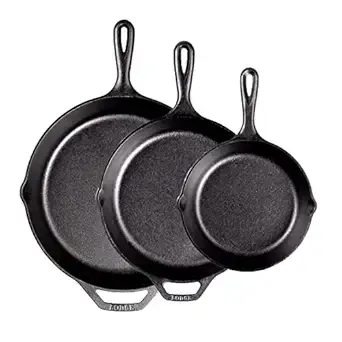
Amazon Rating: 4.8/5 stars (3,500+ reviews) Price Range: $45-60 Best For: Premium cast iron with ergonomic improvements
Lodge’s Chef Collection represents their premium cast iron line—lighter, smoother, and more refined than their standard skillets. The improved design addresses common cast iron complaints while maintaining the performance that made Lodge famous. Think of it as cast iron 2.0.
Premium Features
At 7.5 pounds (versus 9+ for standard Lodge), this skillet is noticeably lighter while maintaining excellent heat retention. The thinner walls and refined design reduce weight without sacrificing performance. The ergonomic handles feature a gentle curve that fits hands more comfortably during lifting and maneuvering.
The cooking surface is significantly smoother than traditional Lodge cast iron, approaching the polish of vintage skillets. This smoother surface provides better non-stick properties right out of the box and makes cleaning easier. Food particles have fewer crevices to lodge in (pun intended).
The helper handle is larger and more substantial than on standard models, making two-handed lifting safer and more comfortable. When you’re transferring a pan full of Chilean sea bass from stovetop to oven, secure grip matters. The improved handle design reduces accident risk significantly.
When to Choose Chef Collection Over Standard
If you’ve been avoiding cast iron due to weight concerns, this lighter version might convert you. The reduced weight particularly benefits people with arthritis, carpal tunnel, or limited upper body strength. You get cast iron benefits without the back-breaking heft.
The smoother surface means less seasoning buildup needed for optimal non-stick performance. Standard Lodge requires 5-10 uses before achieving great release; Chef Collection starts performing well immediately. For expensive fish like Chilean sea bass, that confidence matters from day one.
The refined aesthetic looks more at home in modern kitchens than rustic traditional cast iron. If appearance matters to you (and let’s be honest, it matters to many of us), the sleeker design justifies the modest price premium over standard Lodge.
User Perspectives
Reviews consistently highlight the weight reduction as a game-changer. Users who previously relegated cast iron to occasional use find themselves reaching for Chef Collection daily. The easier handling encourages more frequent cooking, which ironically makes the seasoning better faster.
Fish-specific reviews praise the smooth surface for delicate proteins. One user notes: “My salmon and sea bass skin finally releases cleanly—something my old cast iron never achieved.” The refined surface genuinely improves results for foods prone to sticking.
The modest price increase (typically $15-20 over standard Lodge) receives little pushback. Most reviewers feel the improvements justify the premium. Compared to high-end options like All-Clad or HexClad, it remains budget-friendly while offering tangible benefits over basic cast iron.
Maximizing Performance
Season your Chef Collection pan 2-3 times before first use, even though it arrives pre-seasoned. Apply thin layers of flaxseed oil or grapeseed oil, bake at 450°F for an hour, cool completely, and repeat. This extra seasoning provides excellent non-stick properties immediately.
The smoother surface means you can use slightly less oil than with textured cast iron. For Chilean sea bass, 1.5-2 tablespoons of fat suffices. The fish will still develop gorgeous browning while releasing more easily when ready.
After cooking, clean with hot water and a brush while the pan is still warm. The smooth surface releases food particles easily, making cleanup quick. Dry immediately and apply a thin oil layer. Proper care ensures this pan becomes a lifetime heirloom.
Direct Comparison: Which Pan Wins for Your Needs?
Let’s break down the five contenders across key categories to help you make the best choice for your kitchen and cooking style.
Heat Performance Rankings
Winner: Lodge Standard Cast Iron (Tie) / All-Clad Stainless Both excel at even heating and maintaining temperature. Cast iron retains heat longest but heats slower; All-Clad heats faster with comparable evenness.
Runner-Up: Lodge Carbon Steel / Lodge Chef Collection Carbon steel heats quickly and responds well to temperature changes. Chef Collection offers cast iron benefits with faster heating.
Good But Different: HexClad Hybrid Excellent heat distribution but the hybrid design means slightly less direct contact than solid metal pans.
Ease of Use
Winner: HexClad Hybrid Non-stick convenience meets high-heat capability. Perfect for beginners or anyone wanting foolproof results.
Runner-Up: All-Clad Stainless Once you master the technique, it’s effortless. Dishwasher safe and requires no special maintenance.
More Maintenance Required: All Cast Iron and Carbon Steel Options Hand-washing, immediate drying, and seasoning maintenance create extra work. The performance payoff is worth it for enthusiasts.
Value for Money
Winner: Lodge Standard Cast Iron Unbeatable performance at $30-40. Will last multiple lifetimes with proper care.
Runner-Up: Lodge Carbon Steel / Chef Collection Excellent value in the $35-60 range. Meaningful improvements over basic cookware at accessible prices.
Premium Options: All-Clad and HexClad Superior performance but at 3-5x the cost. Worth it for serious cooks who use them daily; possibly overkill for occasional use.
Best for Beginners
Winner: HexClad Hybrid Eliminates most common mistakes. Fish won’t stick and tear, reducing waste and building confidence.
Runner-Up: Lodge Chef Collection Smoother surface and lighter weight make cast iron more approachable. Still requires some technique but more forgiving than standard cast iron.
Steeper Learning Curve: All-Clad Stainless / Standard Cast Iron Both demand proper technique. Practice with cheaper fish before graduating to expensive Chilean sea bass.
Professional-Level Results
Winner (Tie): All-Clad Stainless / Lodge Standard Cast Iron These are what professional kitchens use for good reason. Master these pans and you’ve mastered fish searing.
Close Second: Lodge Carbon Steel / Chef Collection Professional chefs love carbon steel for its responsiveness. Chef Collection brings premium cast iron performance home.
Excellent But Different: HexClad Hybrid Produces beautiful results but through a different method. More forgiving but still creates restaurant-quality sears.
Frequently Asked Questions
Do I really need a special pan for Chilean sea bass?
While you can technically cook Chilean sea bass in any pan, the right pan dramatically improves results. This is expensive fish—$25-30 per pound—and improper cookware leads to sticking, tearing, and wasted money. A quality pan ensures your investment in premium fish pays off with restaurant-quality results. The techniques for preparing fresh fish apply universally, but execution depends on proper equipment.
Can I use non-stick pans for searing sea bass?
Traditional non-stick pans limit your searing capability since they can’t handle the high heat needed for proper browning. Most max out at 400-450°F, while serious searing happens around 500°F. The HexClad hybrid is an exception—its stainless steel ridges allow high-heat searing while non-stick valleys provide easy release. For crispy skin and deep flavor development, avoid basic non-stick coatings.
How do I prevent fish from sticking to stainless steel?
Three critical steps: First, preheat the pan properly—use the water droplet test. Second, use adequate fat (2-3 tablespoons minimum). Third, don’t touch the fish after placing it in the pan. It will stick initially as proteins bond with metal, then naturally release once a crust forms. Patience is key—attempting to flip too early guarantees disaster. The fish tells you when it’s ready by releasing easily.
Is cast iron or carbon steel better for fish?
Both excel but serve slightly different needs. Cast iron offers superior heat retention and is more affordable ($30-60) but weighs significantly more. Carbon steel provides faster heating, better temperature responsiveness, and lighter weight at a modest price increase ($35-75). For thick Chilean sea bass fillets requiring consistent heat, choose cast iron. For delicate fish needing temperature adjustments, carbon steel wins. Many serious cooks own both.
How often do I need to re-season cast iron or carbon steel?
With proper care, re-seasoning happens naturally during cooking—the more you use these pans, the better the seasoning becomes. Only re-season from scratch if you notice food sticking significantly or if rust appears. After each use, clean with hot water, dry immediately, and apply a thin oil layer while still warm. This maintains seasoning effortlessly. Avoid cooking highly acidic foods (tomatoes, wine) frequently, as acids strip seasoning over time.
Making Your Final Decision
Choosing the best pan for Chilean sea bass ultimately depends on your cooking style, experience level, and priorities. Let me break down ideal scenarios for each option.
Choose the Lodge Standard 12-Inch Cast Iron if you want tried-and-true performance at an unbeatable price. This is the workhorse pan that’ll last multiple lifetimes while delivering professional results. Accept the weight and maintenance requirements, and you’ll never need another fish pan.
Pick the Lodge Carbon Steel if you value responsiveness and lighter weight over maximum heat retention. This professional-kitchen favorite strikes the perfect balance between control and performance. The faster heating saves time on busy weeknights without sacrificing searing capability.
Invest in All-Clad Stainless Steel if you’re serious about cooking and want the best heat distribution money can buy. The lifetime durability and dishwasher-safe convenience justify the premium for cooks who use it regularly. Master the technique and you’ve unlocked professional-level fish cooking.
Go with HexClad Hybrid if you want foolproof results without the learning curve. The non-stick convenience combined with high-heat capability makes it perfect for beginners or anyone tired of fish sticking and tearing. Yes, it’s expensive, but the confidence it provides might be priceless.
Select the Lodge Chef Collection if you love cast iron benefits but want refined improvements. The lighter weight and smoother surface make this the most user-friendly cast iron option. It’s cast iron without the intimidation factor—perfect for building skills before graduating to heavier traditional options.
Bringing Restaurant Quality Home
After cooking hundreds of fish fillets in dozens of pans, I’ve learned that equipment matters more than we’d like to admit. Sure, technique is crucial, but even perfect technique can’t overcome an inadequate pan. Chilean sea bass deserves better than a warped, cheap non-stick that can’t hold heat.
The beauty of investing in quality cookware is that it fundamentally changes your cooking. When you’re not worried about fish sticking and tearing, you cook with more confidence. That confidence translates to better results, which encourages more cooking, which improves skills. It’s a virtuous cycle that begins with the right tool.
I still remember the first time I achieved restaurant-quality crispy skin on Chilean sea bass at home. The satisfaction was incredible—not just because the fish tasted amazing, but because I’d mastered a technique that once intimidated me. The right pan made that breakthrough possible.
Whether you choose affordable cast iron, responsive carbon steel, premium stainless, innovative hybrid technology, or refined Chef Collection, you’re investing in better meals and improved skills. Any of these five pans will transform your fish cooking from mediocre to magnificent.
For more inspiration on preparing exceptional seafood, explore my collection of fish recipes that showcase different techniques and flavor profiles. And if you’re interested in catching your own fish, check out my beginner fishing guide to start that rewarding journey.
Now it’s time to choose your pan, heat it up properly, and experience the magic of perfectly seared Chilean sea bass with that incredible crispy, golden skin. Your kitchen might not have the fancy equipment of a restaurant, but I promise the fish coming out of your pan will rival anything you’d pay $45 for at a high-end establishment. The only difference? You get to enjoy it in the comfort of your own home, maybe even in your pajamas.
Trust the process, follow the techniques specific to your chosen pan, and prepare to impress yourself—and anyone lucky enough to share your table—with restaurant-quality Chilean sea bass. Happy cooking!