
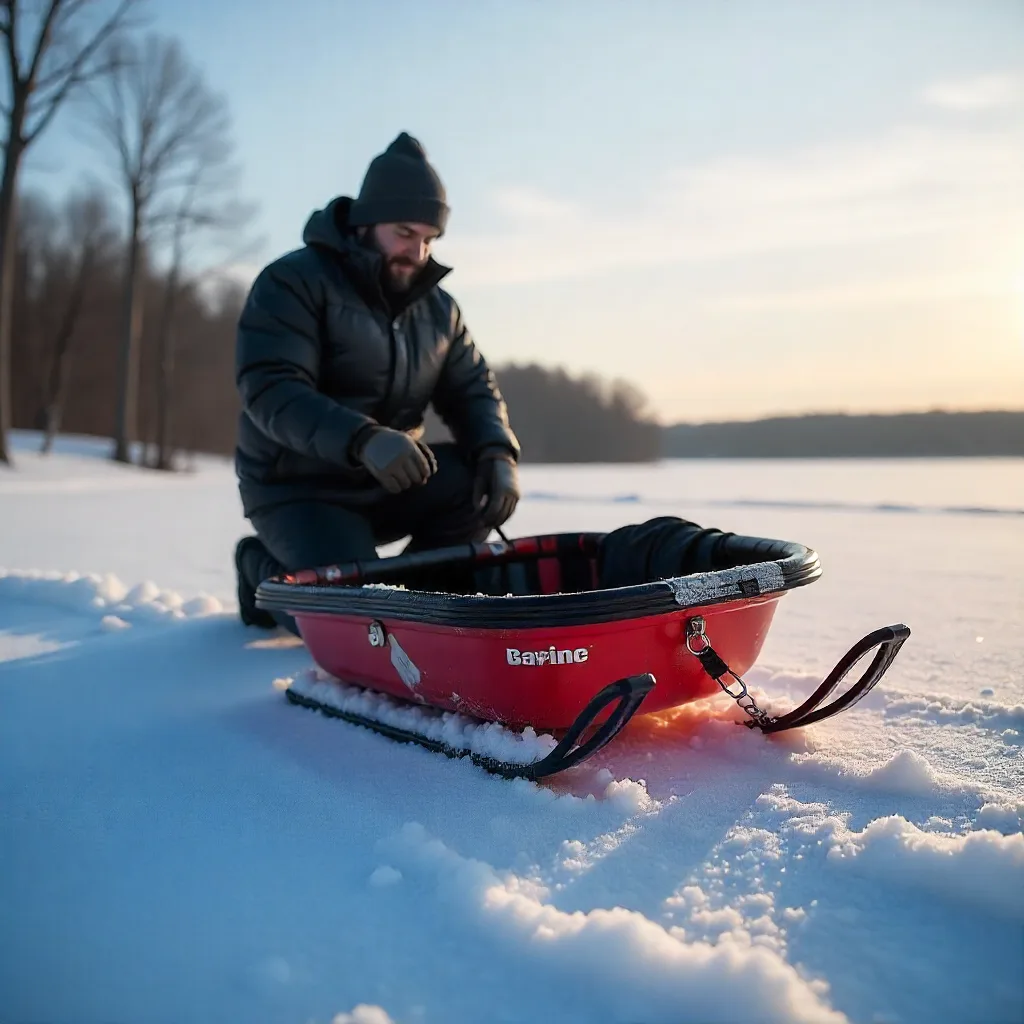
Selecting the best ice fishing sled transforms your winter fishing experience by eliminating the exhausting task of hauling heavy equipment across frozen lakes. While a simple 5-gallon bucket suffices for minimal gear trips, serious ice anglers require dedicated sleds to transport portable shelters, heaters, augers, and fishing equipment efficiently. The right sled reduces physical strain, protects valuable gear, and allows you to venture farther onto productive ice fishing waters.
Ice fishing sleds resemble small boats rather than traditional toboggan-style sleds, featuring solid bottoms and raised sides that contain gear securely during transport. These versatile haulers serve multiple purposes beyond fishing, including transporting firewood, hunting supplies, and outdoor equipment across snow-covered terrain. Understanding sled construction, capacity, and features helps you select the optimal model for your specific ice fishing needs.
Why You Need a Dedicated Ice Fishing Sled
Modern ice fishing demands substantial equipment that exceeds what anglers can comfortably carry by hand. Portable ice shelters, power augers, propane heaters, electronics, and multiple rod setups create loads weighing 50-200 pounds. Attempting to transport this gear in multiple trips wastes valuable fishing time and depletes energy reserves before you even drill your first hole.
Quality ice fishing sleds glide effortlessly over snow and ice, distributing weight across wide surfaces that prevent breaking through snow crust. The low-friction design allows single anglers to tow significant loads hundreds of yards from shore without excessive fatigue. For families exploring ice fishing with kids, sleds provide safe gear transport while keeping children’s hands free for walking.
Sleds protect expensive equipment during transport across rough ice conditions. Raised sides prevent gear from tumbling out when crossing pressure ridges or snow drifts. The contained design keeps organized tackle systems, electronics, and rods secure throughout the journey. Many anglers spend hundreds or thousands on ice fishing equipment—a $50-150 sled investment protects these assets significantly.
Essential Features of Quality Ice Fishing Sleds
Durable Construction Materials: The best ice fishing sleds utilize high-density polyethylene (HDPE) or rotomolded plastic construction that withstands extreme cold without cracking. These materials maintain flexibility in sub-zero temperatures while resisting impact damage from rough ice surfaces. Quality sleds feature one-piece construction without seams or joints that create weak points. Reinforced bottoms with extra-thick plastic in high-wear areas extend sled lifespan dramatically.
Optimal Size and Capacity: Ice fishing sleds range from compact 45-inch models holding 130 pounds to massive 75-inch versions supporting 500+ pounds. Intermediate sizes (55-60 inches) accommodate most ice anglers’ needs, providing sufficient capacity for standard gear setups without excessive bulk during storage. Consider your typical equipment load—portable shelters require larger sleds while anglers fishing from permanent shacks need minimal capacity.
Tracking and Stability Features: Molded runners or tracking rails on sled bottoms provide directional stability and reduce pull resistance. These features prevent sleds from wandering side-to-side during towing, particularly important when pulling across wind-swept ice. Contoured hull designs allow sleds to ride over obstacles smoothly rather than catching on every irregularity.
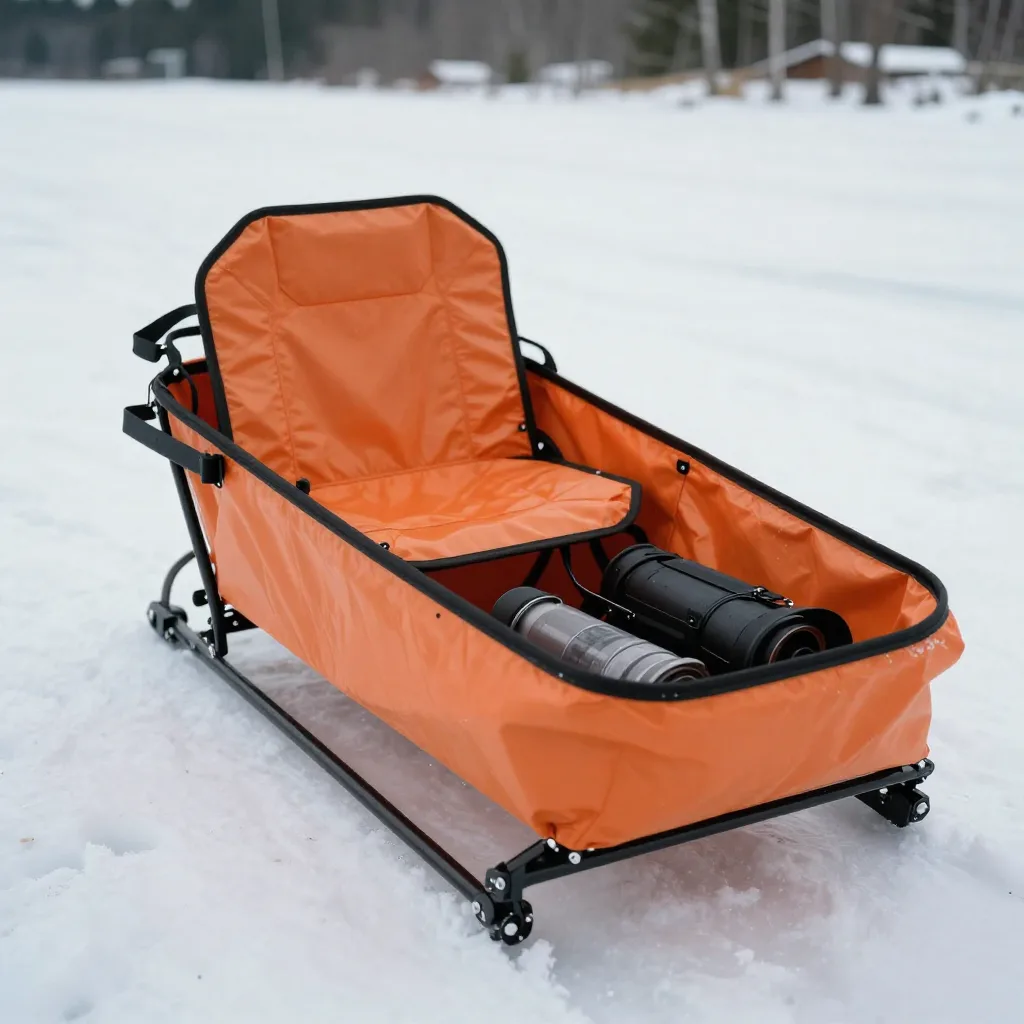
Attachment Points and Accessories: Built-in tow hitches, rope attachment points, and mounting locations for accessories enhance sled functionality. Quality models include multiple tie-down points for securing gear with bungee cords or cargo nets. Some sleds offer seat mounting systems that convert the sled into fishing platforms once you reach your destination. For comprehensive equipment recommendations, review our guide to best ice fishing accessories.
Top Ice Fishing Sled Options for 2026
Shappell Jet Sled Series: The industry-standard Jet Sled dominates ice fishing popularity due to proven durability and affordable pricing. Available in multiple sizes from junior models to full-size versions, Jet Sleds accommodate every angler’s needs. The contoured hull design and molded runners provide excellent tracking and reduced pulling resistance. These sleds typically cost $40-80 depending on size, offering exceptional value for recreational ice anglers.
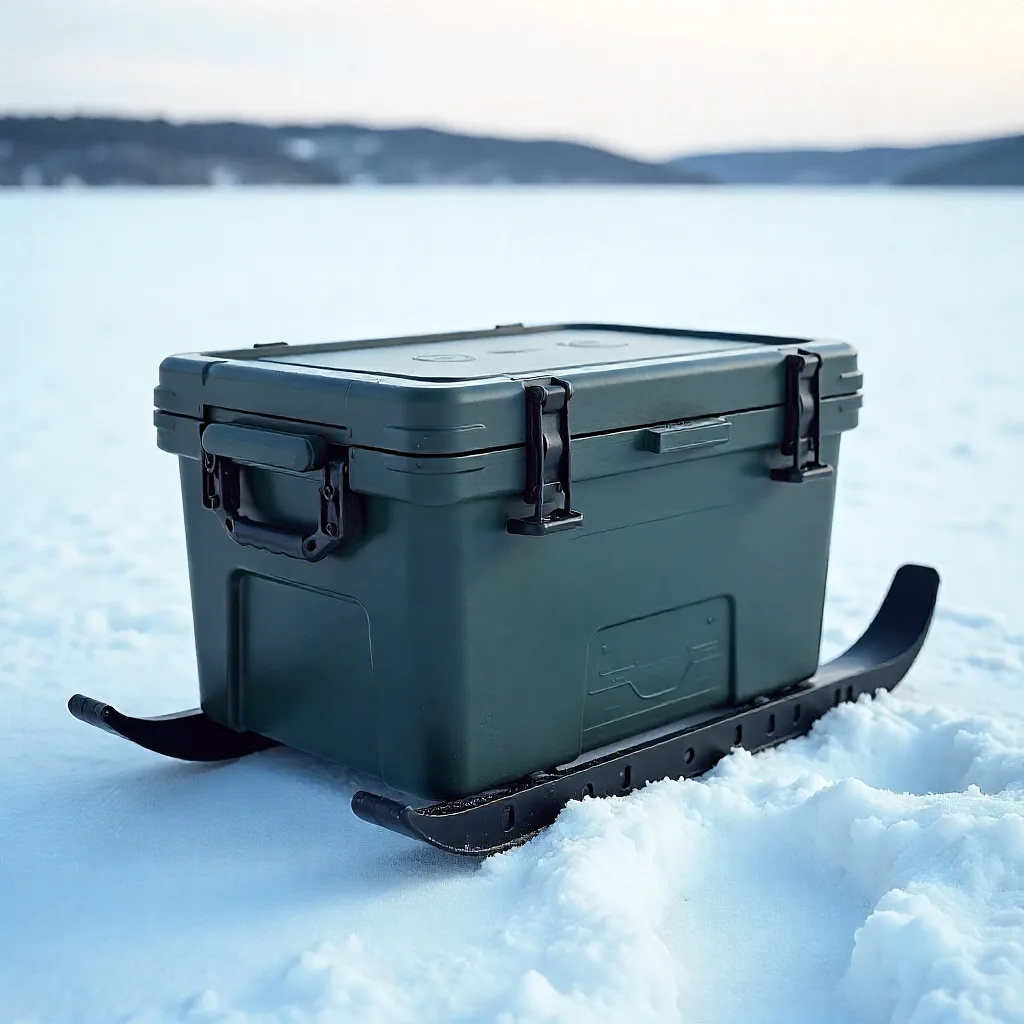
Otter Sport and Pro Sleds: Otter manufactures premium ice fishing sleds engineered specifically for hardwater anglers. The Sport series provides excellent durability at mid-range prices while Pro models feature reinforced construction and integrated hitch pockets for snowmobile towing. Otter sleds include compatibility with add-on seating systems, rod holders, and organizational accessories. The Otter Sonar Sled represents innovative design with built-in electronics mounting and specialized gear storage.
Pelican Trek Series: Canadian-made Pelican sleds emphasize rugged construction using RAM-X heavy-duty plastic that resists cracking in extreme temperatures. The Trek 45, 60, and 75 models offer progressive size options with weight capacities from 130 to 500 pounds. Tracking rails provide superior stability while built-in attachment points accommodate bungee cargo nets. Pelican sleds cost more than budget options but deliver exceptional longevity for serious ice anglers.
Beavertail Sport Sled: Featuring reinforced bottom construction and rotomolded one-piece design, Beavertail sleds target durability-focused anglers. Available in six sizes, these sleds accommodate diverse equipment loads while maintaining maneuverability. The raised rear section prevents gear spillage while inbuilt hitch pockets facilitate snowmobile towing. Limited two-year warranties demonstrate manufacturer confidence in construction quality.
DIY Ice Fishing Sled Options
Budget-conscious or mechanically-inclined anglers often construct custom ice fishing sleds using readily available materials. Wooden sleds built from marine-grade plywood and fitted with ski runners create functional haulers at minimal cost. The Goplus wood sled design exemplifies this approach, featuring durable construction with 330-pound capacity. Wood sleds require weatherproofing treatments but offer customization opportunities unavailable with manufactured plastic models.founderpal+1
PVC pipe frameworks combined with plastic sheeting create lightweight DIY sleds suitable for minimal gear loads. Some anglers repurpose children’s toboggans or connect multiple small sleds to create larger hauling capacity. While DIY approaches save money initially, considering your time investment and the proven durability of commercial sleds often favors purchasing manufactured models.
Sled Towing Methods and Accessories
Hand Towing Systems: Most ice anglers pull sleds manually using rope harnesses attached to the front tow point. Padded waist harnesses distribute pulling force across your body, reducing arm and shoulder fatigue during long treks. Hands-free pulling systems allow you to maintain balance while walking across uneven ice surfaces. Position tow ropes 24-36 inches long to keep sleds tracking behind you without catching your heels.
Snowmobile and ATV Towing: When ice thickness safely supports motorized vehicles (typically 10+ inches), snowmobile towing expands your range dramatically. Dedicated hitch systems connect sleds securely to snowmobiles, preventing separation during transport. Sled covers prevent snow from being thrown onto gear by motorized vehicles. Straps or cargo nets secure equipment during high-speed towing across rough ice. Always verify local regulations regarding motorized vehicles on ice before towing.
Organizational Accessories: Storage nets and hammocks maximize sled space by creating vertical organization systems. Rod holders protect fragile tips during transport while keeping multiple setups accessible. Bucket holders, electronics mounts, and battery boxes transform basic sleds into comprehensive gear management systems. When planning ice fishing destinations in Canada, well-organized sleds enable efficient setup at remote locations.
Maximizing Sled Performance
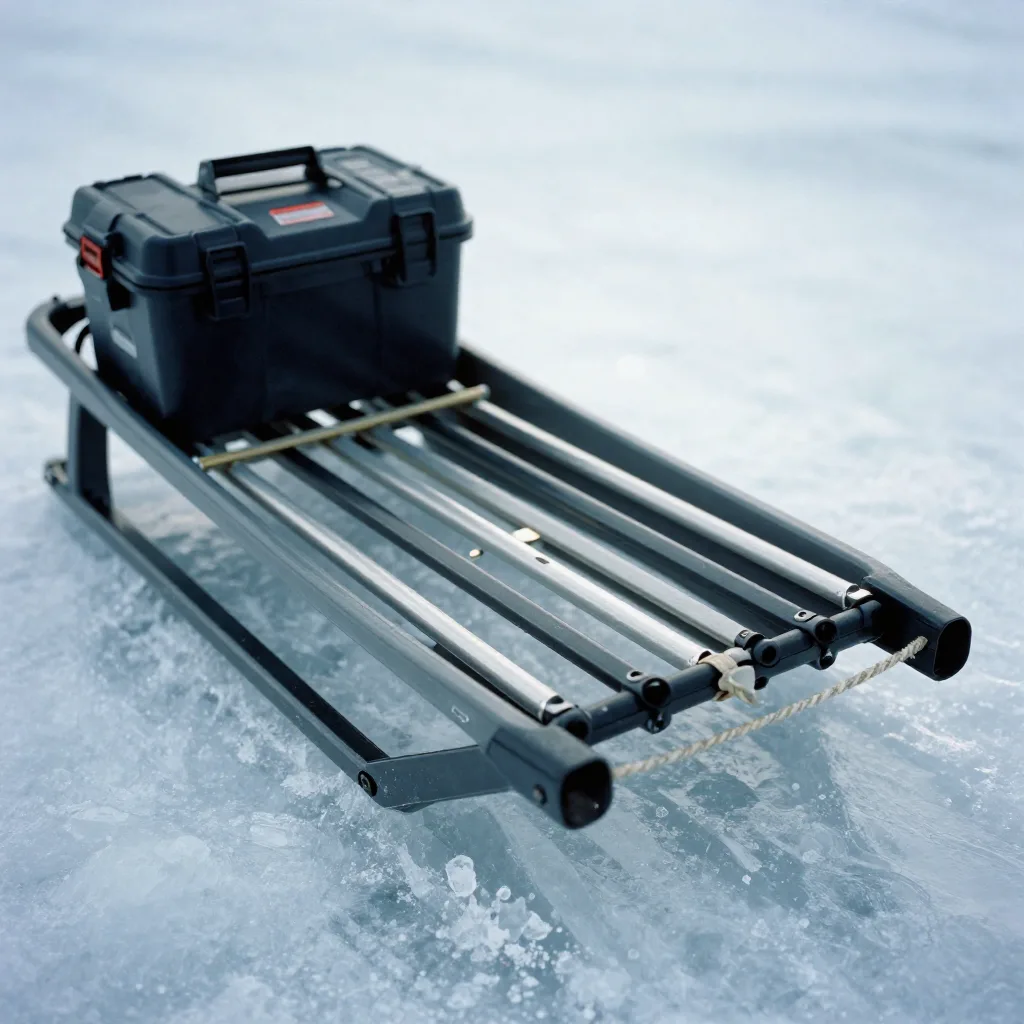
Loading Strategy: Distribute weight evenly across the sled bottom to prevent tipping and improve tracking. Position heavy items like augers and propane tanks low and centered. Place lighter equipment and supplies toward sled edges and upper layers. Secure loads with bungee cords or cargo nets, particularly when towing long distances or across rough terrain.
Reducing Friction: Apply sled wax or spray-on ski wax to sled bottoms before each season to minimize pulling resistance. This treatment creates smoother gliding over packed snow and bare ice surfaces. Clean sled bottoms regularly during fishing trips to remove ice buildup that increases drag.
Storage Considerations: Select sleds that nest inside each other or stack efficiently for off-season storage. The best ice fishing sled doesn’t consume excessive garage space during eight months of non-use. Clean and dry sleds thoroughly before storage to prevent mildew and deterioration. Store sleds away from direct sunlight which degrades plastic over time
Sled Modifications and Customization
Serious ice anglers customize sleds to match specific fishing styles and equipment needs. Common modifications include adding permanent rod holders fabricated from PVC pipe attached to sled sides. Electronics mounting platforms keep flashers and underwater cameras accessible during transport and fishing. Seat installations transform sleds into mobile fishing platforms, particularly useful for anglers who frequently move between holes.
Some anglers install runners or skis beneath sleds to further reduce friction on packed snow surfaces. Others add lighting systems for early morning or evening transport across lakes. Before modifying sleds, consider whether customizations might reduce resale value or create storage challenges. The sturdy construction of quality sleds accommodates various modifications without compromising structural integrity.
Selecting the Right Sled Size
Match sled capacity to your typical gear load plus 20-30% additional space for future equipment additions. Anglers using portable flip-over shelters require sleds measuring at least 55 inches long to accommodate collapsed shelter dimensions. Those fishing from hub-style shelters need larger 65-75 inch sleds for shelter and gear transport.
Consider transportation logistics—larger sleds provide impressive capacity but may not fit inside truck beds or SUV cargo areas. Compact sleds suit anglers walking short distances to ice fishing spots, while maximum-capacity models benefit those towing extended distances to remote locations. For guidance on essential equipment, explore our ice fishing buying tips for beginners.
Maintenance and Longevity
Quality ice fishing sleds last 10-20 years with proper care, making them exceptional long-term investments. Rinse sleds with fresh water after each use to remove salt, dirt, and debris that accelerate wear. Inspect sleds annually for cracks or stress points, addressing issues immediately before they expand. Store sleds indoors or covered to prevent UV damage and weathering.
Minor repairs using plastic welding or marine-grade adhesives extend sled life when cracks develop. Reinforcing high-wear areas with additional plastic patches prevents catastrophic failures during fishing trips. The best ice fishing sled combines initial quality construction with diligent maintenance practices.
Top 5 Frequently Asked Questions About Ice Fishing Sleds
What size ice fishing sled do I need?
Sled size depends on your equipment load and transportation method. Minimalist anglers fishing near shore with basic gear need 45-inch sleds with 130-pound capacity. Standard setups including portable shelters, augers, and fishing equipment require 55-60 inch sleds supporting 200-300 pounds. Anglers transporting hub shelters or fishing with multiple people benefit from 70-75 inch sleds with 400-500 pound capacities. Measure your collapsed shelter dimensions and other large equipment to ensure proper fit.
Can I tow an ice fishing sled with a snowmobile?
Yes, most quality ice fishing sleds include built-in hitch pockets or attachment points designed for snowmobile towing. Ensure ice thickness exceeds 10 inches before operating snowmobiles on frozen lakes. Use dedicated sled hitches that connect securely to snowmobile rear mounts. Install sled covers to prevent snow from being thrown onto gear during motorized transport. Secure all equipment with straps or cargo nets as snowmobile towing creates more vibration than hand pulling.
How much do ice fishing sleds cost?
Ice fishing sled prices range from $30 for basic small models to $200+ for premium large-capacity sleds. Budget-friendly Shappell Jet Sleds cost $40-80 depending on size and provide excellent value for recreational anglers. Mid-range Otter and Pelican sleds run $80-150 with enhanced durability and features. Premium models with specialized features, accessories, or extra-large capacity reach $150-250. Consider cost-per-season rather than initial price—quality sleds lasting 15+ years cost just a few dollars annually.
What’s the difference between ice fishing sleds and regular sleds?
Ice fishing sleds feature deep sides (6-10 inches) and flat bottoms that contain gear securely, unlike shallow recreational sleds designed for riding. They utilize thicker, more durable plastic construction that withstands equipment weight and rough ice conditions. Specialized features include molded runners for tracking, built-in hitch pockets for towing, and attachment points for accessories. Ice fishing sleds prioritize cargo capacity and durability over speed or rider comfort. Regular toboggans or saucer sleds lack the structure and strength necessary for reliable gear transport.
How do I reduce sled pulling effort on the ice?
Apply sled wax or spray-on ski wax to sled bottoms before each outing to minimize friction. Use padded waist harnesses that distribute pulling force across your body rather than relying solely on arm strength. Keep sled bottoms clean by removing ice buildup during fishing trips. Select sleds with molded runners or tracking rails that reduce resistance. Distribute weight evenly across the sled bottom to prevent digging into soft snow. On long treks, consider investing in motorized towing systems or snowmobiles when ice safely supports vehicles.
Conclusion
The best ice fishing sled balances durability, capacity, and affordability while matching your specific equipment needs and fishing style. Whether you select budget-friendly Jet Sleds, premium Otter models, or rugged Pelican designs, quality sleds transform gear transportation from exhausting labor into efficient processes that preserve energy for actual fishing. Durable construction using high-density polyethylene ensures your sled withstands years of demanding use across varied ice and snow conditions.
Proper sizing prevents both inadequate capacity and excessive bulk during storage. Consider future equipment additions when selecting capacity, and don’t hesitate to invest in slightly larger models that accommodate growing gear collections. Features like molded runners, built-in hitches, and accessory mounting points enhance functionality significantly compared to basic designs.
The investment in quality ice fishing sleds pays dividends through reduced physical strain, protected equipment, and expanded range across frozen waters. Whether you’re hauling gear for family ice fishing trips, exploring remote Canadian destinations, or pursuing winter panfish, the right sled enables efficient transport that maximizes productive fishing time.
3 thoughts on “The Best Ice Fishing Sled: Complete Guide to Gear Transport in 2026”