Bait for Saltwater
There’s a moment every saltwater angler knows well—standing on the dock at sunrise, tackle box open, staring at rows of bait options like they’re written in code. Should you grab the frozen squid? Splurge on live pilchards? Maybe those shrimp in the corner? I’ve been there more times than I’d like to admit, and I’ve learned the hard way that choosing the right saltwater bait can mean the difference between telling fish stories and actually having fish to show.
The ocean doesn’t care about your fishing budget or how expensive your gear is. What it cares about is whether you’re presenting something a fish actually wants to eat. When you’re learning how to start fishing, understanding ocean fishing bait becomes one of your most valuable skills. The right marine bait attracts strikes, while the wrong choice leaves you sunburned and skunked.
I’m Paoul, and I’ve spent countless hours figuring out what fish actually want. I’ve watched expensive live bait die in my bucket during summer heat waves, I’ve trolled frozen ballyhoo until my arms ached, and I’ve had days where nothing worked until I switched to something ridiculously simple. Those experiences taught me what actually matters when selecting sea fishing bait, and I’m here to help you skip the frustration I went through.
Understanding Saltwater Fishing Baits: The Foundation
Before we dive into specific baits, let’s talk about the two main categories you’ll encounter: natural and artificial. Natural saltwater fishing bait includes anything that once lived in or near the ocean—shrimp, fish, crabs, squid, and similar creatures. These are what fish eat naturally, which gives them a massive advantage. The scent, texture, and movement are authentic because they are authentic.
Artificial lures mimic these natural foods using plastic, metal, feathers, or other synthetic materials. They’re reusable, often less messy, and can be incredibly effective once you learn how to use them properly. The trade-off is that artificials require more skill and technique to make them look alive enough to fool educated fish.
For beginners, I always recommend starting with natural coastal fishing bait. Here’s why: fish recognize real food instantly. You don’t need perfect casting technique or specialized retrieval methods. You’re essentially offering them their natural diet on a hook. Once you’ve caught fish consistently and built confidence, then branch into artificials to expand your arsenal and tackle different fishing situations.
According to marine biology research, predatory fish rely heavily on smell and vibration to locate prey, which is why natural baits perform so consistently across different conditions and species.
Best Natural Bait for Saltwater Fishing: What Actually Works
Shrimp: The Universal Saltwater Bait
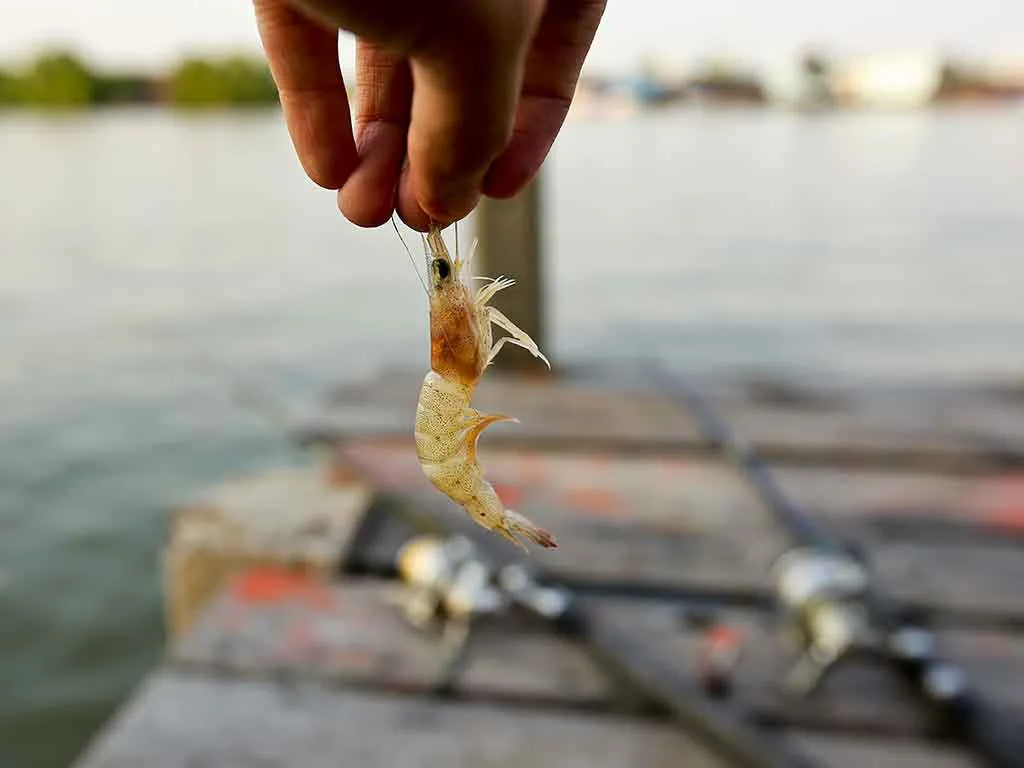
If there’s one bait every coastal angler should have in their cooler, it’s shrimp. These crustaceans are like candy for nearly every inshore and nearshore species swimming in American waters. Redfish, speckled trout, snook, flounder, sheepshead, pompano, and dozens of other species absolutely demolish shrimp presentations.
You can use shrimp live or frozen, though live bait typically outperforms when fish are selective. For live shrimp, hook them through the horn (that pointy spike on their head) for swimming presentations, or through the tail for a more subtle drift under a popping cork. Dead shrimp work great too—just remember they’re softer and can fly off during aggressive casts.
The key to keeping live shrimp alive is proper aeration. Use a good quality bucket or livewell with an aerator, keep the water cool (especially during summer), and change the water every few hours. I learned this lesson during a blazing hot Florida trip when my entire bucket of expensive shrimp turned belly-up before I even made my first cast. Not my proudest moment, but it taught me to respect the fragility of live bait.
When saltwater fishing for beginners, shrimp should be your go-to option. They’re available at virtually every bait shop, reasonably priced, and consistently produce results across multiple species and fishing techniques.
Mullet: The Oily Powerhouse
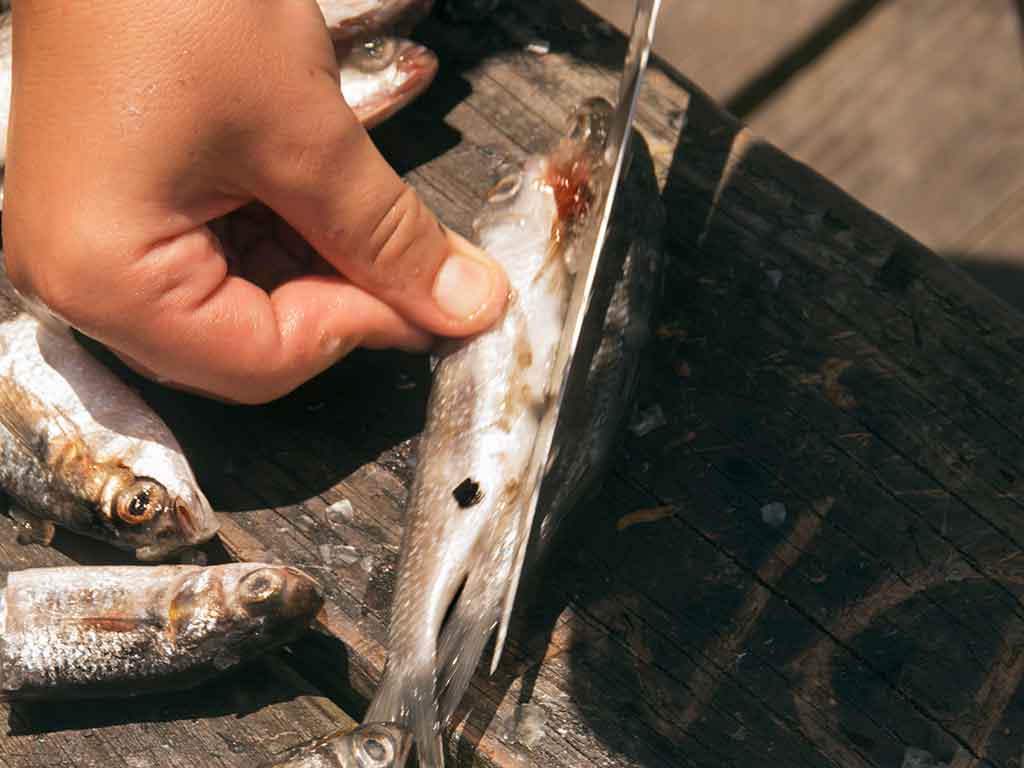
Mullet are workhorses in the world of inshore bait. These oily, silvery fish are abundant along American coastlines and make exceptional bait for larger predators. Redfish, tarpon, snook, king mackerel, sharks, and cobia all love mullet. You can use them whole for trophy fish or cut them into chunks for smaller species.
Finger mullet (small ones, typically 3-6 inches) work phenomenally for inshore fishing. Hook them through the lips or just behind the dorsal fin and let them swim naturally. Larger mullet can be cut into steaks or fillets—the oils and blood create scent trails that pull predators from impressive distances. Understanding saltwater fishing techniques helps you determine whether to use whole or cut mullet for specific situations.
Fresh mullet always beats frozen, but frozen works in a pinch. If you’re using frozen, let it thaw completely and consider adding extra scent to compensate for what’s lost during the freezing process. Some anglers even add commercial fish attractants to their cut mullet to boost its appeal.
Pilchards: The Live Bait Favorite
Also called sardines or greenbacks depending on your region, pilchards rank among the top live saltwater bait options available to American anglers. These small, schooling fish are prime targets for everything from Spanish mackerel to sailfish. Their shiny scales and frantic swimming action trigger aggressive strikes from predatory fish.
The challenge with pilchards is keeping them alive—they’re notoriously fragile creatures. Use a well-aerated livewell with plenty of water circulation and room to swim. Overcrowding kills them fast, so don’t cram too many into one container. Hook them lightly through the nose or back, being extremely careful not to damage their spine or major organs.
When fishing with pilchards, let them swim naturally near structure or through schools of predators. The commotion usually attracts attention within minutes. I’ve had days where pilchards outfished everything else by a landslide, especially when targeting pelagic species offshore. Knowing the best saltwater fishing spots helps you put these expensive baits in front of the right fish.
Crabs: The Bottom Feeder’s Delight
Nothing says “easy meal” to a redfish, black drum, or permit quite like a crab scurrying across the bottom. Blue crabs and fiddler crabs are particularly effective offshore bait and inshore bait choices. Sheepshead are absolutely obsessed with crabs, making them essential if you’re targeting that species around docks, bridges, or jetties.
For fiddler crabs, hook them through the back corner of their shell. Blue crabs can be used whole (for big fish) or in pieces. Remove the top shell and cut the body into quarters for better scent dispersion and easier consumption. Some anglers prefer soft-shell crabs because fish can eat them more easily, though hard shells work perfectly fine and are usually cheaper and easier to find.
Fish crabs on the bottom near structures like pilings, jetties, or oyster bars. Let them sit there looking vulnerable, and wait for the distinctive thump of a bite. The freshwater fishing bait guide teaches similar bottom-fishing principles that apply to crab fishing in saltwater.
Squid: The Affordable All-Rounder
Squid is the ultimate convenience bait. Available frozen at virtually every bait shop and coastal tackle store, it’s affordable, stores forever in your freezer, and catches everything. Seriously—show me a saltwater fish that won’t eat squid, and I’ll show you a fish that isn’t hungry enough.
Cut squid into strips for smaller species or use whole squid for larger predators. It stays on the hook remarkably well, making it perfect for bottom fishing or rough conditions where other baits might get torn off. The downside is that smaller bait-stealing fish love it too, so you might go through more than expected in areas with lots of pinfish or other nuisance species.
I always keep frozen squid in my tackle bag as backup. When live bait dies or I run out of fresh options, squid has saved the day more times than I can count. It’s especially valuable when learning fishing techniques because it stays on the hook during practice casts.
Ballyhoo: The Offshore Essential
If you’re heading offshore, ballyhoo belongs in your cooler. These slender baitfish are trolling favorites for mahi-mahi, sailfish, wahoo, tuna, and marlin. Their aerodynamic shape cuts through water beautifully, and their flash attracts pelagic predators from below.
Rig ballyhoo with a chin weight and wire leader, then troll at varying speeds depending on your target species. You can also chunk ballyhoo for bottom fishing or use them live if you can keep them healthy (which is challenging). Many captains who know the top ocean fishing locations in the USA swear by ballyhoo for consistent offshore action.
Frozen ballyhoo work great—just verify they’re fresh-frozen, not refrozen multiple times. Mushy ballyhoo fall apart and aren’t worth the frustration of constantly re-rigging.
Minnows: The Hardy Inshore Option
Small saltwater minnows like mud minnows and killifish are dynamite for inshore fishing. They’re incredibly hardy, easy to keep alive, and produce consistent results for redfish, flounder, and speckled trout. Mud minnows in particular are tough little survivors that can handle rough treatment.
Hook them through the lips or tail, and fish them around marshes, grass beds, or mangrove shorelines. Their natural swimming action requires zero effort on your part—just cast and let them do their thing. When combined with proper fishing knot tying, minnows become even more effective.
Threadfin: The Schooling Baitfish
Threadfin (also called threadfin shad or threadfin herring) are smaller baitfish with a distinctive thread-like dorsal fin ray. They’re excellent for catching speckled trout, Spanish mackerel, bluefish, and striped bass. Their size makes them perfect for species that prefer smaller meals.
Use threadfin live whenever possible, hooked through the lips or just behind the head. They’re somewhat hardier than pilchards but still require good aeration. Cast them near grass flats, drop-offs, or current breaks where predators ambush prey.
Bonito: The Chum and Chunk King
Bonito isn’t something you’ll typically buy at a bait shop, but if you catch some while fishing, save them for later. They’re exceptionally oily and bloody, making them prime bait for sharks, kingfish, and other large predators. Cut bonito into chunks or steaks, and fish them on bottom rigs or float them near the surface.
The scent trail from bonito is powerful, often attracting fish from hundreds of yards away. It’s messy work cutting them up, but the results speak for themselves when targeting apex predators.
Best Artificial Bait for Saltwater Fishing: When Lures Shine
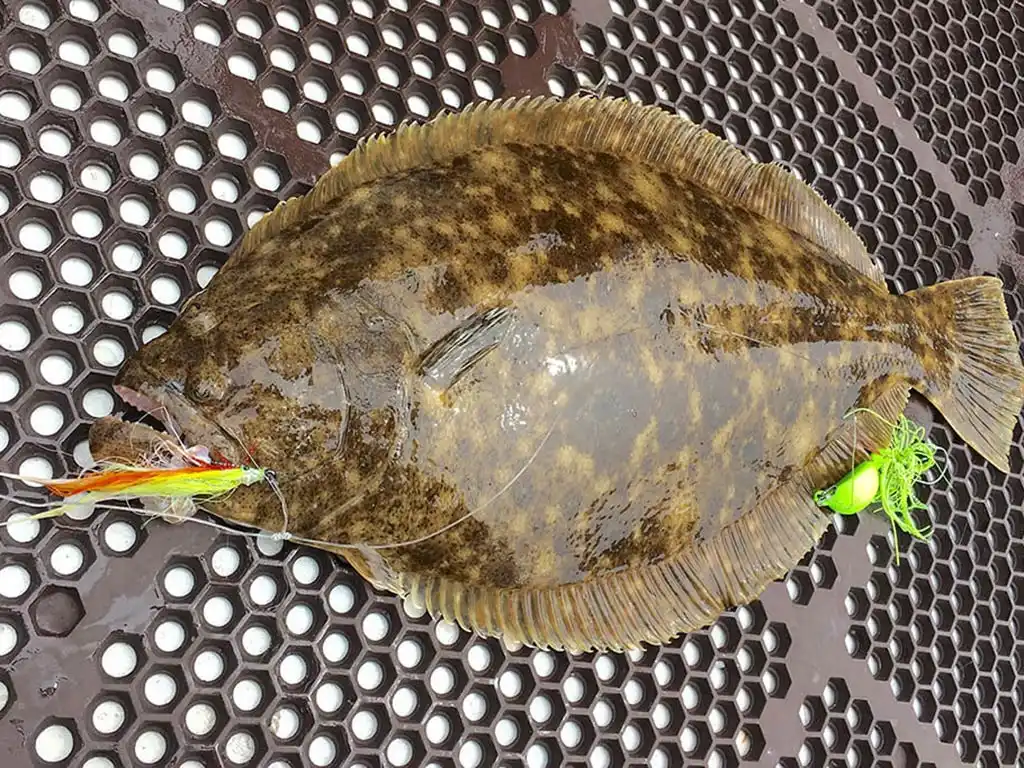
Not every fishing trip requires live or frozen bait. Artificial lures offer versatility, reusability, and the satisfaction of tricking fish with fake food. Understanding expert fishing tips helps you determine when to switch from natural to artificial presentations.
Soft plastic swimbaits are probably the most popular artificials for inshore fishing. They imitate small baitfish perfectly and come in countless colors and sizes. Rig them on a jig head, and work them with a steady retrieve or bouncing motion along the bottom. Pair these with knowledge from bass fishing techniques for maximum effectiveness.
Topwater plugs create explosive surface strikes that get your heart racing. These lures float and create commotion when retrieved, imitating wounded baitfish. Early morning and late evening are prime times for topwater action, especially in calm conditions.
Spoons are simple, effective, and catch everything. Their wobbling action mimics injured baitfish, triggering reaction strikes from trout, redfish, mackerel, and more. Gold and silver are classic colors that rarely disappoint across most saltwater environments.
Jigs are probably the most versatile lures in your tackle box. You can fish them at any depth, work them fast or slow, and dress them with soft plastics or bucktail. White, chartreuse, and rootbeer are proven colors across most saltwater environments. Learning proper fly fishing techniques can even improve your jigging presentations.
Crankbaits dive to specific depths and wobble aggressively. They’re fantastic for covering water quickly or targeting fish holding at particular depths. Use them around structure or over grass flats for best results.
The beauty of artificial marine bait is experimentation. Don’t be afraid to try weird colors or unconventional retrieves—sometimes the oddball approach catches fish when nothing else works.
Pro Tips for Using Saltwater Fishing Bait Successfully
Now that you know what bait to use, let’s talk about using it effectively. These tips will help you catch more fish and waste less bait, which is especially important when considering fishing bag limits by state.
Match the hatch religiously. Pay attention to what fish are naturally eating in your area. If mullet are jumping everywhere, use mullet. If shrimp are thick, go with shrimp. Matching local forage dramatically improves your catch rate because you’re offering fish what they’re already hunting.
Fresh beats frozen, but frozen beats nothing. Always prioritize fresh bait when possible, but don’t skip fishing because you can’t get live bait. Frozen options catch plenty of fish, especially when used correctly and presented naturally.
Scent matters more than you think. Fish hunt by smell as much as sight. Cut bait releases oils and blood that create scent trails attracting predators from far away. Adding fish attractant to artificial lures can also trigger bites from hesitant fish.
Hook placement is critical for success. For live bait, hook placement affects swimming action and durability. Nose-hooked baits swim naturally; tail-hooked baits create more action. Experiment to see what your target species prefer in different conditions.
Keep it natural looking. Avoid unnecessary weight or hardware that restricts bait movement. Fish can sense when something feels wrong. The more natural your presentation looks and feels, the more bites you’ll get.
Don’t forget the retrieve, even with live bait. Occasionally twitching your rod or reeling slightly can attract attention even with live presentations. Sometimes fish ignore static bait but pounce on something that moves.
Store bait properly always. Keep frozen bait frozen until you’re ready to use it. Store live bait in shaded, aerated containers with clean saltwater. Bad bait catches nothing—I learned this watching a guy complain for hours while using week-old squid that smelled like a dumpster fire.
Understanding seasonal fishing tips also helps you select the right bait for specific times of year when certain species are more active.
Where to Use Different Saltwater Baits: Regional Success
Different locations demand different approaches. Here’s what works in some of America’s iconic fishing destinations, which you can explore further through fishing expos and trade shows.
Florida Keys: The Keys are inshore fishing paradise. For flats fishing targeting bonefish, permit, and tarpon, use live shrimp, crabs, or small pilchards. Around bridges and channels, try cut mullet or fresh squid for snappers and grouper. Offshore, ballyhoo and bonito chunks attract mahi, wahoo, and sailfish. The variety here is incredible—one day you’re sight-fishing permit on the flats, the next you’re bottom fishing for mutton snapper. Many anglers discover these spots through top ocean fishing locations for beginners.
Outer Banks, North Carolina: The Outer Banks offer fantastic surf fishing and nearshore action. For surf fishing, fresh cut mullet, shrimp, and squid produce drum, flounder, and pompano. Nearshore, live menhaden (pogies) catch king mackerel and Spanish mackerel. Offshore trolling with ballyhoo or artificial lures lands tuna, wahoo, and billfish. The strong currents here mean using enough weight to keep bait in the strike zone—don’t be shy about adding sinkers.
Gulf Coast (Texas, Louisiana, Mississippi, Alabama): The Gulf Coast provides diverse fishing opportunities. Live shrimp dominate inshore fishing for redfish and speckled trout. Cut mullet works well for bull reds in the surf. Offshore, live hardtails or cigar minnows catch kingfish and cobia. Many anglers explore these waters after attending 20 best fishing expos events.
California Coast: West Coast saltwater fishing features unique opportunities. Live anchovies are gold for nearshore rockfish and calico bass. Squid works well for a variety of bottom species. Offshore, flying fish or mackerel catch yellowfin tuna and dorado. Understanding best time to go fishing helps California anglers maximize success.
Chesapeake Bay: This massive estuary offers incredible fishing. Peeler crabs dominate for striped bass. Live eels work well for larger stripers during fall runs. Bloodworms and clams catch bottom species like flounder and croaker effectively.
Each region has its specialties and preferred baits, often influenced by local baitfish populations and traditional fishing methods passed down through generations. Talking with local captains at fishing community events provides invaluable regional knowledge.
Common Mistakes to Avoid with Saltwater Bait
Even experienced anglers make these mistakes. Avoid them to catch more fish and save money.
Using old or improperly stored bait. Bait that smells bad or looks mushy won’t catch fish. Always use fresh bait and store it properly between trips. Check beginner fishing mistakes for more common errors.
Ignoring local knowledge. What works in Florida might not work in California. Ask local bait shops what’s producing and where. They deal with hundreds of anglers weekly and know exactly what’s working right now.
Using too much hardware. Excessive swivels, snaps, and weights make presentations look unnatural. Keep it simple for better results, as explained in top 15 common fishing mistakes.
Ignoring tide and current. Bait presentation must match current conditions. Strong currents require more weight; slack tides allow lighter presentations. Understanding best time for freshwater fishing principles applies to tidal saltwater fishing too.
Giving up too quickly. Just because one bait isn’t working doesn’t mean nothing will. Experiment with different options, depths, and retrieval speeds before changing locations.
Frequently Asked Questions About Saltwater Bait
What is the best all-around saltwater bait for beginners?
Shrimp is hands-down the best all-around choice for beginners. It catches nearly every inshore species, is available everywhere, reasonably priced, and easy to use. You can’t go wrong starting with live or frozen shrimp while learning the ropes.
Can I use freshwater bait for saltwater fishing?
Some freshwater baits work in saltwater (like certain minnows), but saltwater-specific baits generally perform better because they’re what ocean fish naturally eat. Avoid bringing invasive species into saltwater environments—stick with locally-sourced saltwater options.
How do I keep live bait alive longer?
Use a good quality aerator, keep water cool (especially in summer), avoid overcrowding, change water regularly, and keep the container in shade. Handle bait gently when hooking to minimize stress and injury.
Is frozen bait as good as live bait?
Live bait typically outperforms frozen because the natural movement attracts predators. However, frozen bait catches plenty of fish, especially when fish are actively feeding or when proper presentation techniques are used. Frozen bait is also more convenient and has longer storage life.
What’s the best bait for surf fishing?
Cut mullet, fresh shrimp, sand fleas, clams, and bloodworms all work excellently for surf fishing. The best choice depends on your target species and location. Cut mullet is versatile and catches a wide variety of surf zone species.
How much bait should I bring for a full day of fishing?
Bring more than you think you’ll need—plan for about 2-3 pounds of bait for a full day of inshore fishing. Offshore trips might require more depending on the technique. It’s better to have leftovers than run out during prime fishing hours.
Can I catch my own bait instead of buying it?
Absolutely! Cast netting for mullet, pilchards, or menhaden is common. Trapping blue crabs or catching baitfish with sabiki rigs saves money and can be part of the fishing adventure. Check local regulations for bait collection rules and limits.
Wrapping Up: Your Saltwater Bait Success
Choosing the right saltwater fishing bait doesn’t have to feel like solving a puzzle. Start with the basics—shrimp, mullet, and squid cover most situations. As you gain experience, expand into specialty baits like crabs, ballyhoo, and live pilchards for specific targets. Don’t sleep on artificial lures either—they’re incredibly effective once you learn how to work them properly.
The most important thing is getting out there and experimenting with what works in your local waters. Every body of water has quirks, and part of the fun is figuring out what works where. Pay attention to what other successful anglers are using, ask questions at local bait shops (check how to find the best bait shop near me for guidance), and don’t be afraid to try something new.
I still remember the first time I caught a bull redfish using a live mullet I’d kept alive myself. The satisfaction wasn’t just about the fish—it was knowing I’d done everything right from bait selection to presentation. You’ll have that moment too, and when you do, you’ll understand why we’re all obsessed with this sport.
Before your next trip, make sure you’re properly licensed by checking fishing license requirements by state. Also, familiarize yourself with resident vs non-resident fishing licenses if you’re planning to fish outside your home state.
Wishing you tight lines and coolers full of memories. Now grab your gear, pick your bait, and go catch something worth bragging about. The ocean is waiting, and with the right saltwater bait, you’re ready to meet it on your own terms.
Related Articles
- Saltwater Fishing for Beginners: Complete 2025 Guide
- Best Fishing Rods for 2025: Expert Reviews
- Saltwater Fish Species: Identification Guide
- Top 10 Essential Bait and Tackle Items Every Angler Needs
- Fishing Tips for Beginners: Master the Basics
- Ice Fishing Techniques: Winter Success Guide
- Big Game Fishing Guide: Catch Trophy Fish
- Best Fishing Bait and Tackle: 2025 Recommendations
- Saltwater Fishing Gear Checklist for Success