
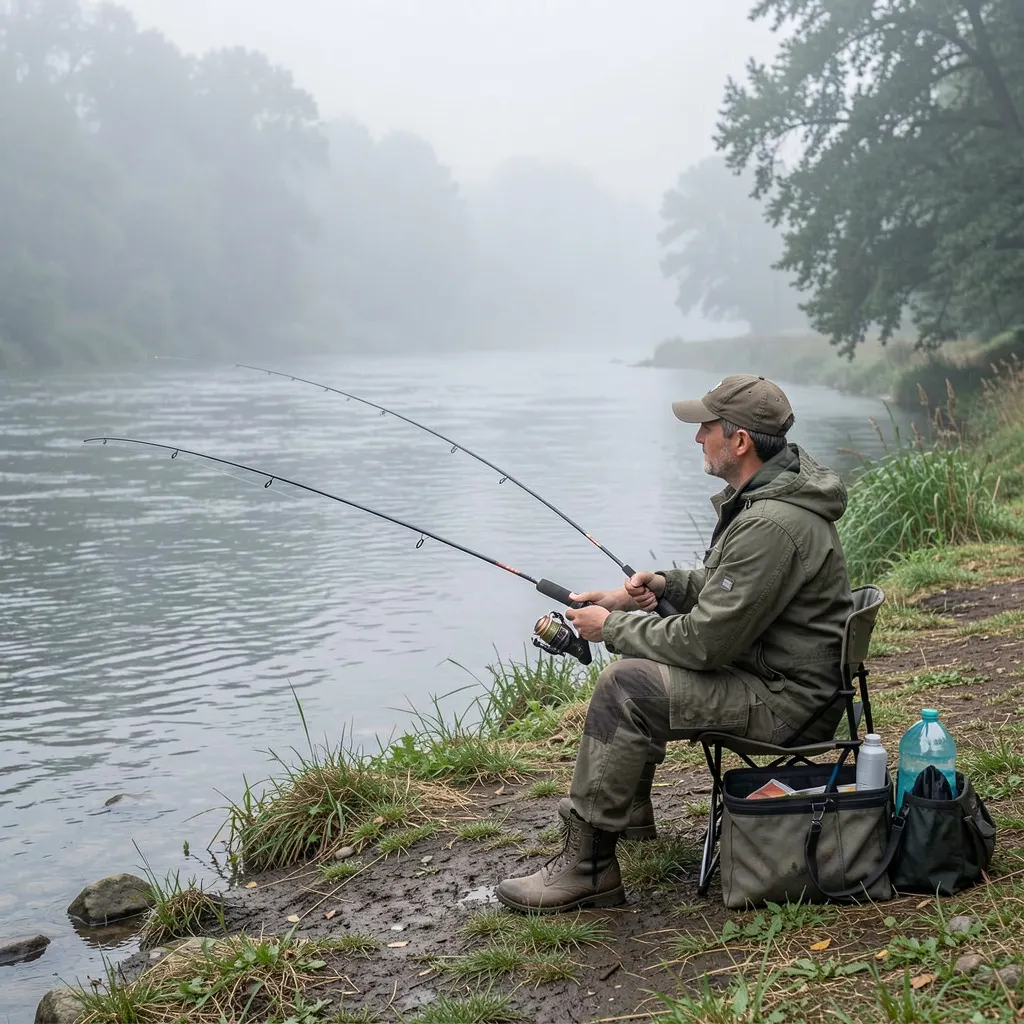
Spending time in beautiful outdoor places, the calming sound of waves lapping against a shoreline, the feelings of accomplishment when you reel in a personal best catch—there are probably more reasons to go fishing than you ever realized. Fishing represents far more than simply catching fish; it encompasses physical exercise, mental health benefits, social bonding, skill development, conservation participation, and countless opportunities for personal growth and enjoyment. Whether you’re a complete newcomer contemplating your first fishing trip or an experienced angler seeking renewed motivation, understanding the multifaceted benefits of fishing enhances appreciation for this timeless outdoor activity
Fishing newcomers and experienced anglers alike may want to check out this list of the best reasons to get out on the water and wet a line. Beyond the obvious thrill of catching fish, angling provides therapeutic stress relief, cardiovascular exercise, vitamin D exposure, opportunities to disconnect from technology, quality time with loved ones, contributions to conservation efforts, and pathways to lifelong learning. This comprehensive guide explores ten compelling reasons why fishing deserves a place in your life, supported by scientific research demonstrating measurable health improvements and highlighting the profound connections between angling, well-being, and environmental stewardship.
1. Spending More Time Outdoors
Since the average fishing trip lasts a few hours, fishing can help boost the overall amount of time you spend outdoors to help balance out screen time spent on television or electronic devices. In fact, studies have shown that people who spend time outside on a regular basis are happier and more productive.
There’s something about being out in nature that just has a way of calming the soul. When you’re surrounded by the beauty of the outdoors, it’s hard to focus on your stressful thoughts. Instead, you start to appreciate all that Mother Nature has to offer. The fresh air does wonders for your body and mind.
Whether you’re by the ocean, a lake, or even a river, simply being surrounded by water can help reduce stress levels. The sound of running water is also known to be therapeutic and can help lull you into a state of relaxation. By exposing yourself to the fresh air and sunlight that you find on the water, you can support your body’s natural defenses against illness and infection.
According to research, being outdoors improves mental well-being. Studies have demonstrated that exposure to natural environments reduces cortisol levels (the stress hormone), lowers blood pressure, and promotes overall psychological health. For comprehensive outdoor fishing strategies, review our fall fishing patterns guide.
2. Fishing Helps You Learn Lessons in Patience
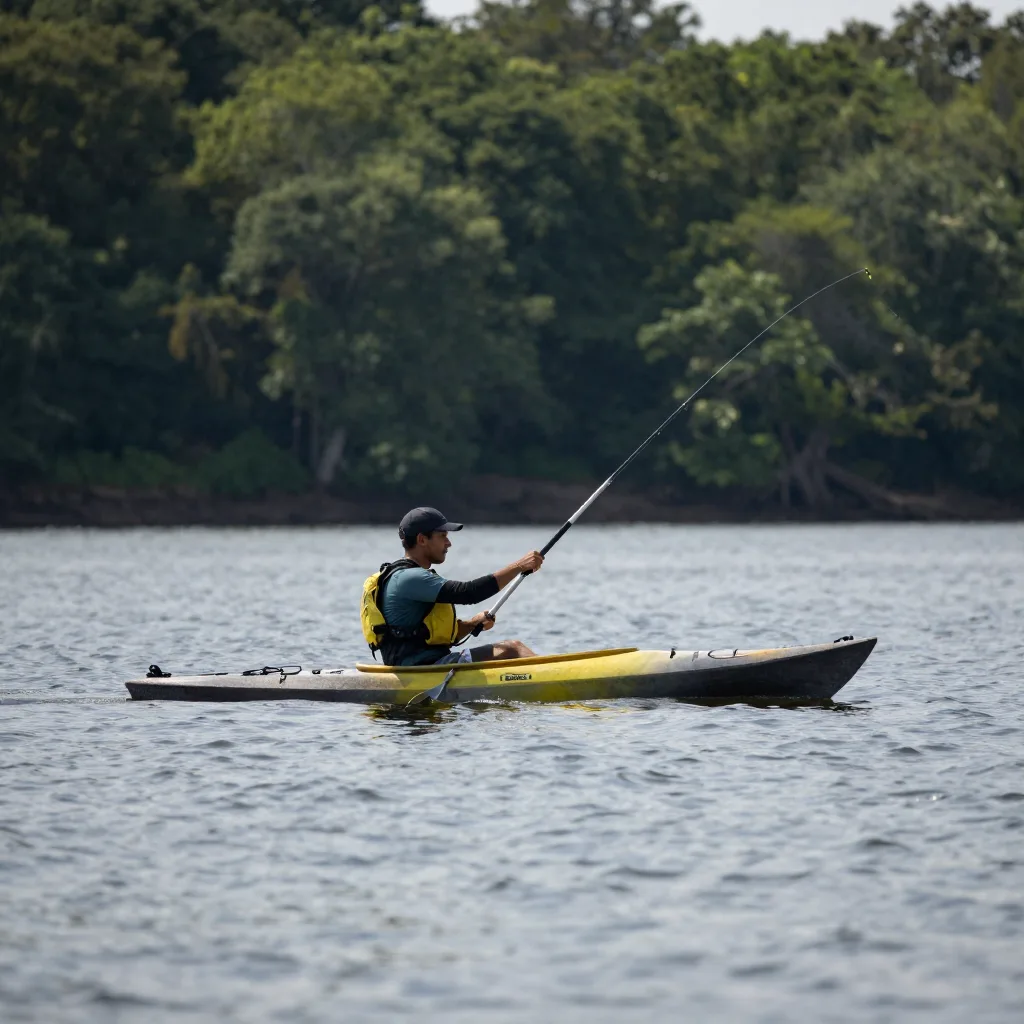
Whether you are rigging live baits beneath a bobber or casting out your favorite lure, fishing requires you to pay close attention by watching and waiting for a strike. Fishing is a sport that requires a lot of patience. You have to be prepared to sit for long periods of time waiting for a fish to bite.
This can be really beneficial for your stress levels because it forces you to slow down and just relax. There’s no rushing or hurry involved in fishing—it’s all about taking your time and enjoying the process. Whether you’re out on a quiet lake early in the morning or at dusk on a busy river, fishing teaches patience, allows you to slow down, forget about your worries and troubles, and focus on what is happening.
This state of concentration and calmness is relaxing, therapeutic, and revitalizing for many people, helping them reconnect with nature and rediscover their sense of purpose in life which is great for your mental health. There is a direct connection between mindfulness and fishing. Fishing requires focus and patience, which fosters a state of mindfulness. The meditative aspect of time in nature leads to relaxation and stress relief, which contributes positively to mental health.
3. You Are Participating in Conservation
Fishing contributes to the conservation of our aquatic resources through fishing license purchases that go towards research and waterway enhancement projects. The more you learn about fishing and conservation, the more mindful you are of proper catch and release, protecting our ecosystems, and respecting other anglers.
Anglers contribute to conservation efforts and promote sustainable practices. When practiced responsibly, fishing can help protect marine ecosystems and maintain fish stocks at healthy levels. In addition, sustainable fishing can help reduce pollution and minimize the impact of fisheries on local communities.
Economically, some advantages of fishing are to support local businesses and create jobs. Fishing-related tourism and equipment sales contribute billions annually to local and national economies. Your fishing license fees directly fund habitat restoration, fish stocking programs, water quality monitoring, and public access improvements that benefit entire ecosystems. For licensing information, review our fishing license guide.
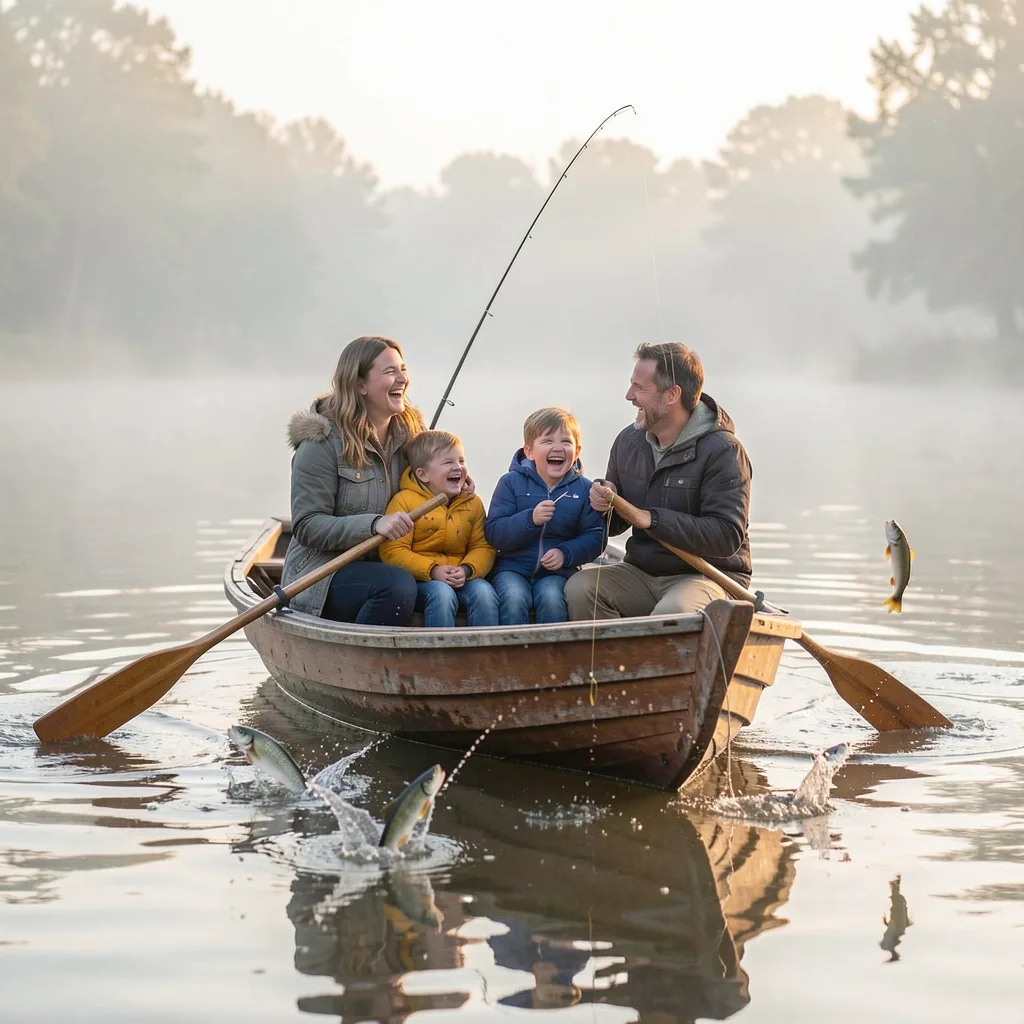
Fishing providing mental health benefits and outdoor wellness
4. Fishing Helps You Relax and Unwind
Did you know that fishing is often used as recreational therapy because time spent in nature is shown to diminish depression, reduce inflammation, and offset stressful situations? Fishing has long been valued for its therapeutic properties for a good reason. The simple act of spending time outdoors in nature can help to reduce stress hormone levels and promote a sense of calm and well-being.
Fishing requires lots of focus and awareness. This takes your mind off internal conflict and stress, similar to meditation. As a result, it helps to reduce anxiety, fight off depression, and promote relaxation. Studies have shown that fishing lowers your cortisol levels (otherwise known as the stress hormone).
According to the National Library of Medicine, recreational fishing has been associated with lower stress levels and improved mood. One study on recreational fishing, health, and well-being found that avid anglers reported up to 15.4% lower stress scores compared to less active anglers.
A groundbreaking 2026 scientific review confirms fishing’s mental health benefits. The review found consistent evidence of stress reduction, improved mood, and clinically meaningful decreases in PTSD symptoms among regular anglers. A UK study of 1,752 participants showed statistically significant reductions in depression, schizophrenia, and suicidal ideation among those who fished regularly. Therapeutic fly-fishing programs for veterans—such as Project Healing Waters Fly Fishing—demonstrated 20-30% reductions in PTSD symptom severity.
5. You Build on Feelings of Achievement and Empowerment
It doesn’t matter if you are rigging lines, driving your boat, or reeling in a catch; fishing helps build confidence through feelings of achievement and empowerment. Every successful catch, properly tied knot, or mastered technique contributes to growing self-confidence and competence.
These accomplishments extend beyond fishing itself, building problem-solving skills, perseverance, and resilience that transfer to other life areas. When you spend time outdoors doing something you enjoy, it’s natural for your mood to improve. Fishing is no exception! The combination of being outside, being around friends/family, and enjoying the peace and quiet can really work wonders for your mental state and leave you feeling happy and stress-free.
In addition, the success of catching a fish can really increase your serotonin level! This neurochemical boost creates positive feedback loops encouraging continued engagement with the activity. For skill-building techniques, review our learning fishing techniques guide.

Conservation efforts through fishing license purchases and stewardship
6. You Consistently Learn New Skills While on the Water
No matter how long you’ve been fishing, there are always different techniques you can learn, new fisheries to experience, and new fishing knots to master. Fishing represents a lifelong learning journey with endless opportunities for skill development and knowledge acquisition.
From mastering Texas rig knots to understanding plastic worm rigging, each new technique expands your angling capabilities. You might learn about species-specific behaviors like catching grass carp or seasonal patterns for fall bass fishing.
Understanding equipment differences between saltwater and freshwater rods or exploring bizarre tactics that work demonstrates fishing’s educational depth. This continuous learning keeps fishing engaging and intellectually stimulating across decades of participation.
7. Fishing Gives You the Opportunity to Form Special Bonds
Adventures on the water bring people together in a number of ways. When you share the thrill of a first catch or the stunning scenery of a new waterway, you form bonds with your fishing buddies that can last a lifetime.
Fishing is a fantastic way to get some fresh air, meet new people, and socialize. Whether you are casting your line along the bank of a river or exploring the ocean’s depths, fishing is an activity that can be enjoyed in a wide variety of settings. Additionally, fishing often attracts others who share a love for this hobby, so don’t hesitate to ask for some local knowledge as fishing aficionados are happy to share!
Fishing is a fantastic method to bond with others, including your pals or family. Young or old, man or woman, people from all walks of life can bond over a fishing adventure. The mentoring aspect of angling provides the exchange of knowledge and shared experiences and creates trust and mutual respect between people.
Beyond the mentoring component, fishing itself is inherently social, creating an environment where emotions like empathy and camaraderie are shared. So when looking for a fun way to connect with others, head out onto the water and go fishing! Whether you’re using correct fishing methods or getting your line in a mess, the simple act of being on the water together with friends or loved ones creates a bond that lasts long beyond the fishing trip itself. For family fishing guidance, review our ice fishing with kids guide.
8. To Mentor Others and Pass On the Passion
If you already fish, you probably had a mentor who took you out on the water and taught you invaluable lessons about the sport. One of the best reasons to go fishing is to pay it forward by helping others learn and why conservation is important.
Teaching newcomers creates rewarding experiences for both mentor and student. Sharing your knowledge about seasonal patterns, effective presentations, proper handling techniques, and conservation ethics ensures fishing traditions continue for future generations. The patience, attentiveness, and encouragement required for effective mentoring also strengthen your own understanding and appreciation of the sport.
Whether introducing children to their first fishing rod, helping a friend master new techniques, or volunteering with youth fishing programs, mentoring represents one of fishing’s most fulfilling aspects. These shared experiences create lasting memories and inspire lifelong passion for angling and conservation.
9. It’s Just Plain Fun
There really aren’t many things that can compare to the fun of sharing fishing experiences with your friends and family. Fishing is unquestionably one of the most common forms of recreation worldwide. Whether you’re casting a line from the shore or exploring a secluded lake in a boat with your friends, there is something inherently enjoyable about spending time outdoors, communing with nature, and catching our meals.
And even if we have what might be considered a “bad day” fishing, it still beats spending the day at work or restlessly running errands around town. After all, what could be better than relaxing on a serene pond, basking in the warm sunshine as you wait for a fish to take your bait?
The anticipation of the bite, the adrenaline rush when line peels from your reel, the challenge of the fight, and the satisfaction of landing fish all contribute to fishing’s inherent entertainment value. From peaceful solo sessions to social group outings, fishing accommodates diverse preferences and personalities. For winter fishing fun, explore our ice fishing for beginners guide.
10. To Learn About Ecosystems and Fish Species
Every time you head out on the water you can learn something new if you pay attention. You might note a feeding behavior of a particular species that can help you catch more fish, or you might learn about an environmental challenge faced by a particular waterway that encourages you to help find a solution.
Understanding fish biology, habitat requirements, seasonal movements, and feeding patterns makes you a more effective angler while deepening appreciation for aquatic ecosystems. Observing water quality, vegetation types, insect hatches, and weather impacts on fish behavior provides continuous educational opportunities.
This ecological knowledge fosters environmental stewardship. Anglers who understand ecosystem interconnections become passionate advocates for water quality protection, habitat conservation, and sustainable fisheries management. Your observations and documentation through fishing journals contribute to citizen science efforts monitoring aquatic health.
Additional Benefits of Fishing
Physical Exercise and Fitness
Fishing keeps you fit. By going fishing your main muscle groups, heart, and lungs are all getting a good workout. Choosing a fishing spot that’s within walking distance of your house, or a 10 to 15 minute walk from your car, is an obvious boost to aerobic exercise.
Fishing is a great way to exercise. Fishing requires you to use your arms, legs, and core muscles, and it can be quite strenuous at times. Being onboard also requires you to train your sea legs and core. Walking to and from your fishing spots can also help you get some extra steps in.
Fishing is a full-body sport that can help to increase your strength, flexibility, and endurance. It may not seem like it, but if you’re constantly casting, reeling in, and maneuvering your line, you’re working out many different muscles in your body. For example, casting requires arm and shoulder strength, while reeling in a fish uses your back and core muscles. And don’t forget about leg strength—you’ll need it to stand for long periods and walk long distances on uneven terrain.
Vitamin D and Immune System Boost
Fishing is a great way to get vitamin D, which is essential for many aspects of good health. This vitamin occurs naturally in very few foods, and the majority of us don’t spend nearly enough time outdoors to get our necessary daily dose from sunlight alone. However, fishing provides an easy and enjoyable way to boost your vitamin D intake.
Whether casting from a dock or perching on the edge of a tropical coral reef, being out on the water means plenty of sunlight exposure. And as we all know, the sun is one of the main sources of vitamin D in our bodies. Studies have shown that regularly engaging in activities like fishing can help lower blood pressure and reduce symptoms of depression and anxiety.
Fishing boosts your immune system. By exposing yourself to the fresh air and sunlight that you find on the water, you can support your body’s natural defenses against illness and infection.
Healthy Meals from Your Catch
Have you ever tried Cobia or Tilefish? These nutrient-packed, protein-rich creatures are essential for a healthy and balanced diet, providing a wealth of essential vitamins and nutrients to keep your body functioning at its best. Some key nutrients that can be found when eating fish include Omega-3 fatty acids, which support heart health and promote better eyesight.
Fish is also an outstanding source of vitamin B12, which is important for healthy nerves, blood cells, and DNA. Additionally, fish contain ample amounts of protein, good cholesterol, and a good dose of vitamin D, which can help keep you feeling your best. From caramelized onion shrimp pasta to barrel fish with a butter wine sauce, you’re never short of some healthy and delicious dietary choices!
Disconnecting from Technology
Fishing disconnects you from technology. In our modern world filled with constant notifications, emails, and digital distractions, fishing provides rare opportunities to genuinely disconnect. Most fishing locations lack strong cell service, naturally encouraging digital detox.
This disconnection allows your mind to rest from information overload, reduces anxiety associated with constant connectivity, and enables genuine presence in the moment. The mental clarity gained from technology-free time on the water often extends beyond fishing trips, improving focus and reducing stress in daily life.
Discover Your Own Reasons to Go Fishing
If you’re curious about other great reasons to go fishing, there’s no better way to find out exactly what they are than spending time out on the water yourself. Grab your tackle box, call a friend or take the family, and get your lines in the water!
Whether you’re pursuing physical fitness, mental health benefits, social connections, skill development, conservation participation, or simply seeking fun outdoor recreation, fishing delivers comprehensive rewards that enrich life in countless ways. The therapeutic properties of time on the water, supported by scientific research demonstrating measurable health improvements, confirm what anglers have known intuitively for generations—fishing makes life better.
Top 5 Frequently Asked Questions About Reasons to Go Fishing
What are the mental health benefits of fishing?
Fishing reduces stress by lowering cortisol levels (stress hormone) and improving mood. A 2026 scientific review found consistent evidence of stress reduction, improved mood, and 20-30% decreases in PTSD symptoms among regular anglers. A UK study showed statistically significant reductions in depression, schizophrenia, and suicidal ideation among those who fished regularly. Avid anglers reported up to 15.4% lower stress scores compared to less active anglers. Fishing’s mindfulness aspects promote relaxation and mental well-being.
What physical health benefits does fishing provide?
Fishing provides full-body exercise working arms, legs, core, heart, and lungs. Casting requires arm and shoulder strength while reeling uses back and core muscles. Walking to fishing spots provides aerobic exercise. Fishing increases strength, flexibility, and endurance. It boosts vitamin D levels through sunlight exposure, supporting immune function and bone health. Studies show fishing helps lower blood pressure and reduce inflammation.
How does fishing help with stress relief?
Fishing reduces stress through multiple mechanisms: time in nature lowers stress hormone levels, the focus required creates meditation-like states, water sounds provide therapeutic effects, and patience requirements force you to slow down and relax. Fishing disconnects you from technology and daily stressors. Research proves conclusively the link between fishing and improved mental and physical health. The simple act of being surrounded by water helps reduce stress levels significantly.
Is fishing good for bonding with family and friends?
Yes, fishing creates exceptional bonding opportunities. Adventures on the water bring people together by sharing thrills of catches and scenic experiences, forming bonds that last a lifetime. Fishing is inherently social, creating environments where empathy and camaraderie are shared. Young or old, people from all walks of life bond over fishing adventures. The mentoring aspect provides knowledge exchange and creates trust and mutual respect. For family fishing guidance, review our ice fishing with kids guide
How does fishing contribute to conservation?
Fishing contributes to conservation through license purchases that fund research and waterway enhancement projects. Anglers support conservation efforts and promote sustainable practices. Responsible fishing helps protect ecosystems and maintain healthy fish stocks. Fishing-related spending supports local economies and conservation jobs. Anglers become passionate advocates for water quality protection and habitat conservation. The more you learn about fishing, the more mindful you become of proper catch-and-release and protecting ecosystems.
Conclusion
The best reasons to go fishing extend far beyond simply catching fish—encompassing mental health benefits, physical exercise, social bonding, skill development, conservation participation, and countless opportunities for relaxation and personal growth. Scientific research confirms what anglers have known intuitively: fishing reduces stress, improves mood, lowers cortisol levels, and provides measurable mental health improvements including significant PTSD symptom reductions.
Spending time outdoors, learning patience through mindful practice, building achievement and confidence, continuously developing new skills, forming special bonds with loved ones, mentoring future generations, enjoying plain fun, and learning about ecosystems all contribute to fishing’s profound life-enriching qualities. Whether you’re exploring fall fishing patterns, mastering Texas rig techniques, or preparing for ice fishing adventures, fishing delivers comprehensive rewards that make life better in countless ways.
Grab your tackle box, call a friend or take the family, and get your lines in the water—discover your own reasons why fishing deserves a place in your life
1 thought on “10 Best Reasons To Go Fishing: Health & Fun 2026”