Learning Fishing Techniques
Learning Fishing Techniques continually surprises anglers who remain open to learning new freshwater fishing techniques, whether targeting familiar species in home waters or exploring unfamiliar regions with local expert guidance. Despite years of experience pursuing specific species with proven methods, encountering unexpected techniques that contradict conventional wisdom yet produce remarkable results represents one of angling’s most rewarding aspects. The willingness to experiment, question assumptions, and embrace unconventional approaches separates stagnant anglers from those who continuously improve their skills and catch rates.
Learning new fishing techniques involves more than simply memorizing lure presentations or copying what successful anglers do—it requires understanding why specific methods work under particular conditions, practicing fundamental skills until they become instinctive, and adapting approaches based on water types, fish species, and seasonal patterns. This comprehensive guide covers surprising techniques that defy expectations, strategies for continuous skill improvement, methods for learning from local experts, essential fundamental skills worth mastering, and approaches for expanding your technical repertoire throughout your angling journey.
learning Fishing Techniques That May Surprise You
Cold-Water Pike and Muskie: Small White Grubs
The traditional lure for northern pike involves something big and flashy like large spoons or oversized jerkbaits matching the “big bait, big fish” philosophy. However, when water temperatures drop during early spring or late fall, a small white grub tail jig measuring just 1/8 to 1/4 ounce becomes surprisingly effective for pike and even muskellunge.
An angler in North Dakota originally shared this counterintuitive information, and since then it has proven successful across Minnesota, Michigan, Iowa, and Pennsylvania. The technique works because cold water slows pike metabolism, making them reluctant to chase large fast-moving presentations. Small grubs moving slowly near bottom trigger strikes from lethargic fish that ignore conventional pike offerings. This unexpected technique demonstrates how questioning assumptions and remaining open to unconventional methods expands your catching capabilities.
Colorado Trout: Small Black Inline Spinners
On an early Colorado trout fishing venture, asking a local angler about effective fly patterns produced surprising advice—forget flies entirely and use one specific brand of small inline spinner in BLACK color. This recommendation seemed like a joke given Colorado’s rich fly fishing heritage and the countless fly patterns designed specifically for Rocky Mountain trout.
However, that small black spinner earned a permanent spot in the trout tackle box, accompanying every subsequent trout outing and consistently producing catches when other presentations failed. The spinner’s flash, vibration, and profile trigger aggressive strikes from rainbow, brown, and cutthroat trout across diverse water types. This lesson reinforces that local knowledge often surpasses conventional wisdom found in fishing magazines and online forums.
Bowfin on Bottom-Fished Nightcrawlers
Bowfin represent odd prehistoric fish that most anglers encounter accidentally while bass fishing. Reading suggests they’re mostly caught using bass lures like spinnerbaits, jerkbaits, or soft plastics worked near or in heavy vegetation where these ambush predators hold. These aggressive presentations match bowfin’s predatory nature and preference for vegetated shallow waters.
However, western Pennsylvania anglers insisted that nightcrawlers fished on bottom represented the true ticket for targeting bowfin. This catfish technique—casting nightcrawlers on bottom below small low-water dams—proved remarkably effective after watching local fishermen consistently land bowfin using this unconventional method. Until witnessing this success firsthand, doubts prevented trying nightcrawlers for species supposedly requiring aggressive lure presentations. The experience demonstrates how direct observation often teaches lessons that reading cannot convey.
Learning Fishing Techniques:Ask Locals for Freshwater Fishing Tips
The Value of Local Knowledge
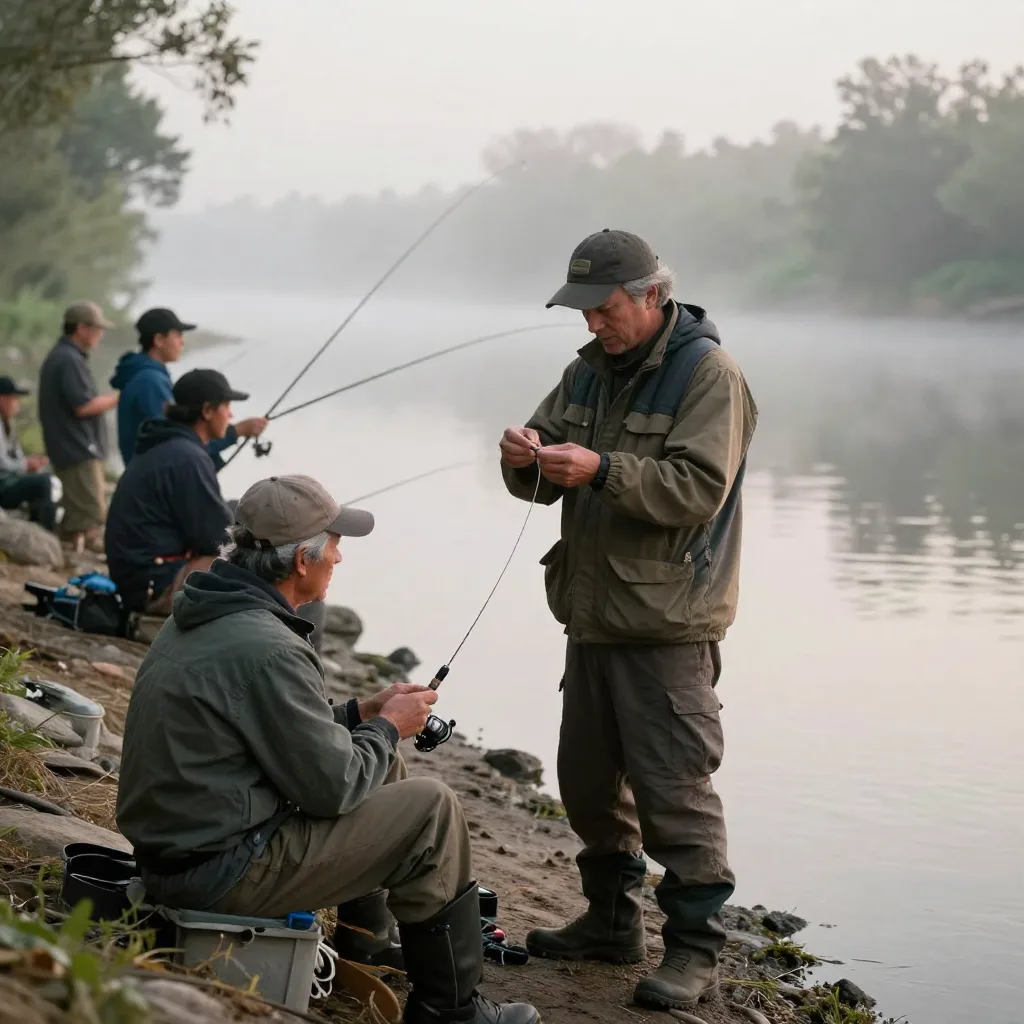
When traveling to new fishing destinations, visit with local anglers about their fishing techniques and you might learn new ways to connect with fish that textbooks never mention. Bait shops, boat launches, docks, and shoreline fishing spots provide excellent opportunities for conversations with experienced locals who possess intimate knowledge of specific water bodies.
Don’t be afraid to ask questions, especially when someone catches more fish than you. Try to figure out why this is happening, then change what you need to so you catch more fish. Most anglers willingly share information when approached respectfully, particularly if you demonstrate genuine interest rather than demanding secret spots. The fishing community generally embraces welcoming attitudes toward those seeking to learn.
Regional Technique Variations
Fishing techniques that work exceptionally well in specific regions sometimes translate poorly to other areas due to differences in forage species, water chemistry, structure types, and fish genetics. Conversely, techniques developed for particular waters often prove surprisingly effective elsewhere once anglers adapt them to local conditions. Learning these regional variations expands your technical repertoire, providing diverse approaches for different situations.
For comprehensive guidance on regional ice fishing techniques, explore our ice fishing for beginners guide covering location-specific strategies.

Foundational Skills Worth Mastering
Casting Accuracy and Control
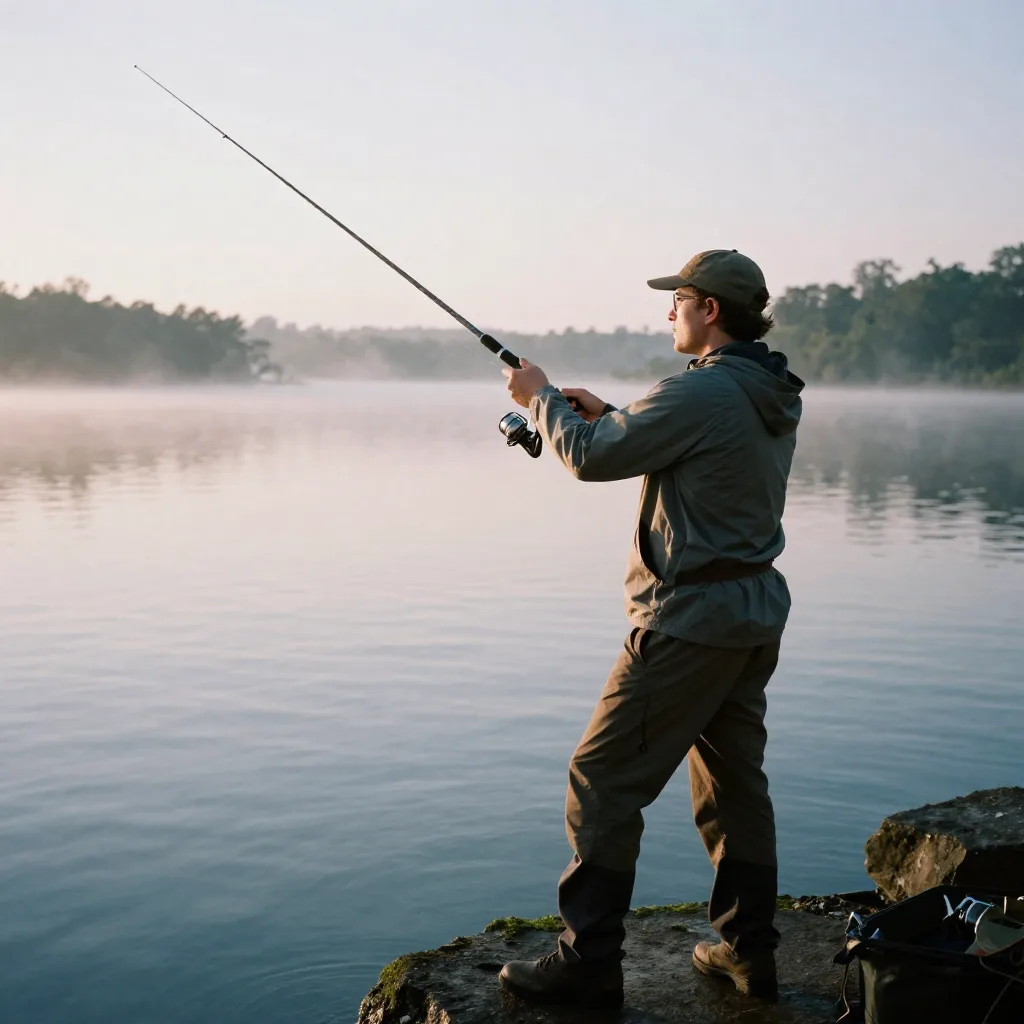
Proper casting ensures bait or lures land precisely where you want them, dramatically increasing successful catch chances. Practice makes perfect, so dedicate time to refining your cast through deliberate practice sessions. Pay attention to stance, grip, and rod motion—smooth fluid movements result in more accurate and controlled casts.
Being able to drop lures exactly where you want them represents a fundamental skill separating consistent anglers from frustrated beginners. Practice casting sideways forehand and backhand, overhand, and underhand until you can accurately deliver presentations without tangling in brush and branches. Use times when fish aren’t biting to improve basic casting skills—so many perfect presentations to ideal spots depend on accurate casting abilities.
Improving your cast requires patience and persistent practice. It’s not uncommon to spend hours, days, or even weeks refining technique until you can cast lines gently and accurately. Try different casting techniques to find ones that best suit you and the fishing conditions you encounter. For ice fishing casting adaptations, review our ice fishing tips guide.
Knot Tying Proficiency
Learn to tie reliable knots that won’t fail during critical moments. Start by mastering essential knots including improved clinch knots, Palomar knots, and locked blood knots. Once you’ve mastered basic knots and started catching fish, learn more advanced connections for specific applications. Knot failure causes more lost fish than any other single factor—investing time in knot practice prevents heartbreaking losses.
Retrieval Speed Variations
Vary retrieval speeds systematically until fish reveal preferences. Start with moderate retrieves, then experiment with faster and slower speeds, incorporating pauses of varying lengths. Fish activity levels change throughout days based on light conditions, weather patterns, and feeding cycles—adapting retrieval speeds to match these fluctuations improves success dramatically.
Strategies for Continuous Improvement
Constant Self-Analysis
Think about your techniques constantly, analyze the way you’re fishing, and don’t be afraid to experiment. This self-reflective approach identifies weaknesses in your methods and reveals opportunities for improvement. After each fishing trip, review what worked and what didn’t, considering why certain presentations produced while others failed.
Keep detailed fishing journals including information such as catches, locations, tides, moon phases, baits, and techniques. This documented information helps build fish feeding patterns around seasons, tides, moons, and other variables. For comprehensive journal-keeping strategies, review our fishing journal guide.
Educational Resources
Educate yourself through multiple sources to stay current with latest fishing techniques. Fishing magazines, websites, YouTube channels, and seminars all improve the number and size of fish you catch. Online fishing sites and fishing groups provide valuable insights into best baits and techniques to try.
Pay attention to feedback from other anglers and adapt strategies accordingly. Never stop learning—fishing represents a lifelong journey with species yet to target, baits and techniques yet to use, places yet to fish, and tackle that hasn’t been invented. Speak to other anglers, visit local tackle stores, read magazines, watch videos, and devour quality online content.
Start Simple, Then Progress
When starting out with new techniques, keep approaches simple. Master basic presentations before attempting advanced methods. Learn fundamental techniques thoroughly—being able to execute basics consistently beats knowing many advanced techniques poorly.
Let’s crawl before we sprint or you’ll lose confidence and interest. Start with simple setups like running sinker rigs or paternoster rigs, then progress to more complex presentations after building foundational competence. For ice fishing progression strategies, explore our ice fishing basics guide.
Understanding Target Species Behavior
Research Fish Habits and Preferences
Different fish species exhibit dramatically different behaviors, and understanding these nuances significantly impacts success rates. Research the habits and preferences of fish you aim to catch before trips. Knowledge about feeding patterns, preferred habitats, and seasonal movements informs your strategy.
Some fish feed more actively during certain times of day or specific seasons. By aligning fishing efforts with their natural behaviors, you maximize opportunities for successful catches. Understanding that fish aren’t randomly distributed like spinning roulettes but rather creatures of habit gathering in areas offering food, shelter, and reproduction conditions improves location selection.
For species-specific winter behavior, review our yellow perch winter fishing guide covering seasonal patterns.
Reading Water and Fish Location
One of the first skills every angler should master involves reading water—observing and understanding fish behavior in natural habitats. This skill involves identifying structure, recognizing current patterns, detecting temperature variations, and spotting cover types that attract and hold fish.[helsinkitimes]
Fish tend to gather in areas offering optimal conditions for feeding and survival. Learning to recognize these high-percentage locations dramatically improves efficiency. Don’t fish one area for entire sessions—picking up gear and moving twenty meters could mean the difference between no fish and hot bites.[tackletactics.com]
Equipment and Tackle Considerations
Invest in Quality Gear
High-quality fishing gear makes noticeable differences in performance. While cutting costs proves tempting, investing in reliable rods, reels, lines, and tackle enhances overall experiences. Quality gear demonstrates greater durability and performs better than cheap variants.
Additionally, regularly cleaning and inspecting gear ensures it remains in optimal condition, extending lifespan and reliability. Use appropriate gear for target species and techniques—don’t try catching trophy pike on ultralight panfish tackle.
Experiment with Baits and Lures
Experimenting with different baits and lures helps identify most effective options for attracting target species. Don’t spend hours casting the same lure to the same spot without results. If presentations aren’t producing after reasonable trial periods, change approaches.
For beginners still building confidence tying lures, snap swivels or dual locks allow quick changes. You tie them to your line once and they enable very quick lure switching like mini carabiners. While these may slightly hinder catch rates due to visibility, they represent valuable tools for anglers learning new techniques.
Mental Approach and Attitude
Stay Patient and Persistent
Fishing requires patience and persistence. Embrace each outing as learning opportunity, and don’t get discouraged by setbacks. Every cast and every catch contributes toward growth as an angler. The most important thing you can do involves getting out there and getting your line wet.
Bring buddies, bring refreshments, and get outside. Social fishing experiences often teach more than solo outings because you observe different approaches and discuss strategies with companions.
Embrace Surprises and Unexpected Results
Fishing is full of surprises. Despite attempts to target specific species with particular techniques, you’ll sometimes find unexpected species tugging at line ends—walleye while bass fishing, flathead catfish while targeting crappie, or pike when fishing for walleye. These surprises represent opportunities to learn about diverse species and expand your technical repertoire.[
Several times experienced anglers share techniques prompting skeptical responses: “You’ve got to be kidding me. I don’t believe it.” Then witnessing these methods proves they work. Maintaining open minds toward unconventional techniques accelerates learning and improves versatility.
Practical Learning Approaches
Field Practice and Hands-On Experience
Theoretical knowledge means little without practical application. Field practice sessions dedicated to mastering specific techniques provide invaluable learning experiences. Set aside trips specifically for practicing new methods rather than focusing solely on catching fish.
Complete tackle setup and maintenance practice, bait selection experimentation with live and artificial options, and testing strategies across diverse fishing conditions all contribute to skill development. For ice fishing skill development, explore our ice fishing shanty culture guide covering community learning opportunities.
Learn from Fishing Companions
Fishing with more experienced anglers accelerates learning dramatically. Observe their techniques, ask questions about their approaches, and request feedback on your methods. Many experienced anglers willingly mentor newcomers who demonstrate genuine interest and respect for the sport.
Group fishing outings provide opportunities to test different techniques simultaneously, comparing results and identifying most productive approaches under specific conditions. For family fishing education, review our ice fishing with kids guide.
Remember Your Fishing License
Whatever state you fish—even the state of euphoria following successful catches—don’t forget carrying valid fishing licenses. When renewing licenses or fishing new jurisdictions, obtain copies of fishing regulations detailing legal methods, species limits, and seasonal restrictions. For comprehensive licensing information, review our ice fishing license guide.
Frequently Asked Questions About Learning New Fishing Techniques
How can I improve my fishing skills quickly?
Focus on mastering foundational skills including accurate casting, reliable knot tying, and retrieval speed variations before attempting advanced techniques. Practice deliberately during non-fishing times to build muscle memory. Fish with more experienced anglers who can provide feedback and demonstrate effective methods. Keep detailed fishing journals documenting what works and doesn’t work. Stay patient and persistent—embrace each outing as learning opportunity. Start simple with basic presentations, then progress to complex techniques after building competence.
What’s the best way to learn from local anglers?
Visit bait shops, boat launches, and fishing spots where locals gather. Ask questions respectfully, especially when someone catches more fish than you. Demonstrate genuine interest in learning rather than demanding secret locations. Most anglers willingly share information when approached properly. Observe techniques firsthand rather than just asking—watching local methods teaches lessons reading cannot convey. Try unconventional techniques locals recommend even if they contradict conventional wisdom.
Should I master one technique or learn many different methods?
Start by mastering fundamental techniques thoroughly before attempting many advanced methods. Being able to execute basics consistently beats knowing many advanced techniques poorly. However, once you’ve built foundational competence, continuously expand your technical repertoire. Fishing represents lifelong learning with species yet to target and techniques yet to use. Balance depth (mastering specific techniques) with breadth (learning diverse approaches) to become versatile angler.
How do I know which fishing techniques to trust?
Test techniques yourself rather than dismissing methods that seem unconventional. Small white grubs for cold-water pike, black spinners for Colorado trout, and nightcrawlers for bowfin all sound questionable until witnessed firsthand. Techniques recommended by multiple local sources typically prove more reliable than single anecdotes. Document results in fishing journals to identify which methods consistently produce under specific conditions. Trust patterns emerging from your documented experiences over generalized advice.
What resources help learn new fishing techniques?
Fishing magazines, websites like this one, YouTube channels, and seminars all improve skills and catch rates. Online fishing groups provide valuable insights into baits and techniques worth trying. Local tackle shops offer region-specific expertise. Field guides and instructional courses teach systematic approaches. However, nothing replaces getting out there and getting your line wet—practical experience accelerates learning faster than passive education. For ice fishing education, review our comprehensive ice fishing guides.
Conclusion
Learning new freshwater fishing techniques represents a continuous journey filled with surprises, challenges, and rewarding discoveries. Remaining open to unconventional methods—small grubs for pike, black spinners for trout, nightcrawlers for bowfin—expands your technical repertoire beyond conventional wisdom. Seeking advice from local anglers when traveling provides invaluable region-specific knowledge that books and websites cannot convey.
Mastering foundational skills including accurate casting, reliable knot tying, and retrieval variations creates platforms for advanced technique development. Continuous improvement through self-analysis, educational resources, practical field experience, and learning from fishing companions accelerates skill development. Whether pursuing fall fishing opportunities, preparing for ice fishing seasons, or documenting techniques in journals, embracing lifelong learning ensures you continue catching more fish.