Sustainable ice fishing practices ensure that frozen lake traditions continue for future generations while maintaining healthy fish populations and pristine aquatic ecosystems. Ice fishing creates unique opportunities to connect with nature during winter months, but this privilege carries responsibility to minimize environmental impacts and practice ethical angling. Every angler who drills holes through the ice and pursues fish beneath frozen surfaces plays a vital role in conservation efforts that protect the fisheries we cherish.
The cumulative effects of individual choices—from following regulations to practicing catch and release, minimizing waste to using eco-friendly equipment—determine whether our children and grandchildren will enjoy the same ice fishing opportunities we experience today. Understanding sustainable ice fishing principles and implementing them consistently transforms recreational anglers into conservation stewards who actively preserve winter fisheries. These six essential practices provide a roadmap for responsible ice fishing that balances personal enjoyment with environmental protection.

1. Follow Local Fishing Regulations and Licensing Requirements
Fishing regulations represent scientific management strategies designed to maintain healthy, sustainable fish populations throughout all seasons. Before venturing onto frozen lakes, familiarize yourself thoroughly with local fishing regulations that apply specifically to winter seasons. Licensing requirements, size limits, bag limits, and seasonal restrictions exist for critical conservation purposes rather than bureaucratic inconvenience.
Understanding Regulation Purpose: Size limits protect breeding-age fish that produce the next generation while allowing harvest of smaller or larger fish depending on population dynamics. Bag limits prevent overharvesting that could decimate local fish populations, particularly in smaller lakes with limited reproduction capacity. Seasonal closures protect spawning periods when fish are most vulnerable and concentrated. Slot limits—restrictions that protect mid-sized fish while allowing smaller and larger harvest—maintain balanced age structures within populations.
Compliance Responsibilities: Always carry valid fishing licenses while ice fishing and produce them immediately when conservation officers request inspection. Many jurisdictions now offer digital licenses accessible through smartphone applications, eliminating excuses for forgotten documentation. Purchase licenses through official state fish and wildlife agencies or authorized vendors to ensure funds support conservation programs. For comprehensive licensing information, review our ice fishing license guide before your season begins.
Community Enforcement: Report non-compliance when you witness violations of fishing regulations. Poaching and regulation violations harm everyone who depends on healthy fish populations. Most states maintain anonymous hotlines or online reporting systems for wildlife violations. Help spread awareness about regulation importance within your ice fishing communities, explaining the conservation science behind restrictions.
2. Practice Ethical Catch and Release Techniques
Catch and release ice fishing contributes significantly to sustainable fisheries by allowing fish to spawn multiple times throughout their lives, maximizing population productivity. While keeping fish for occasional meals remains perfectly acceptable within legal limits, thoughtful anglers release the majority of their catches to ensure abundant fishing opportunities for everyone.
Selective Harvest Strategies: Avoid keeping only the largest fish from any species, as trophy specimens represent prime breeding stock that produce the strongest offspring. Harvesting exclusively large fish weakens future generations and reduces overall population health. Instead, keep mid-sized fish that provide excellent eating quality while preserving both small growing fish and large breeding specimens. In lakes with abundant small panfish, selective harvest of numerous smaller fish actually improves remaining population growth rates by reducing competition for food.
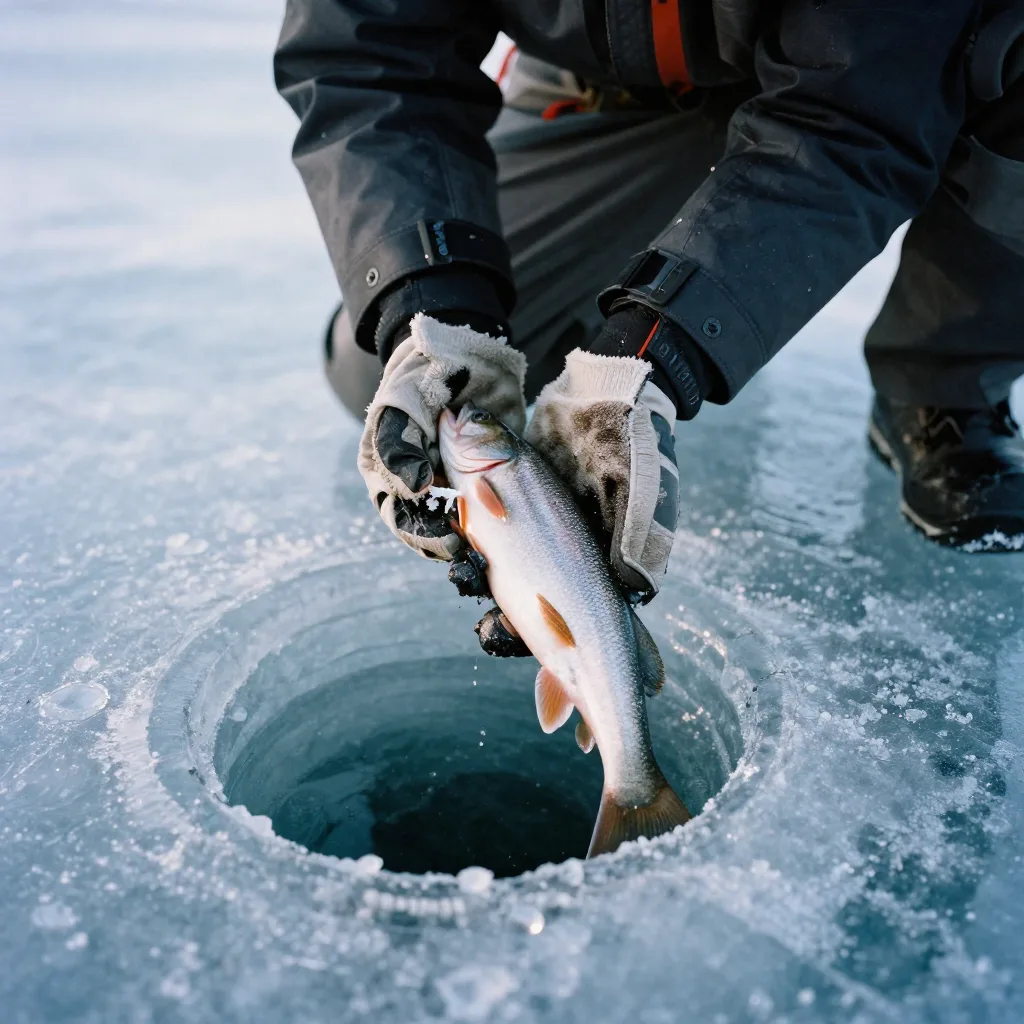
Proper Catch and Release Procedures: Minimize fish handling time to reduce stress and injury. Use barbless hooks or crimp barbs down with pliers to facilitate quick, clean releases that minimize tissue damage. Wet your hands before touching fish to protect their protective slime coatings that prevent disease. Support fish horizontally when lifting them for photographs rather than gripping them vertically by mouths or gills.
Cold-Water Considerations: Winter fish experience additional stress from extreme temperature differences between water and air. Work quickly during unhooking and photography to minimize air exposure. Keep fish in water whenever possible, using specialized ice fishing grips or cradling them just below the surface. Return fish headfirst through ice holes, allowing them to swim away under their own power rather than dropping them. Fish showing extreme exhaustion may require gentle support in the hole until they regain equilibrium and swim away independently.
Population Pressure Awareness: Practice catch and release more consistently in heavily fished or pressured areas where angling pressure concentrates. Small urban lakes receive disproportionate fishing pressure that can devastate populations without conservative harvest practices. Remote lakes with minimal pressure tolerate higher harvest rates, though sustainable practices still apply. When introducing children to ice fishing, teach catch and release ethics from their first outings.
3. Minimize Environmental Impact and Leave No Trace
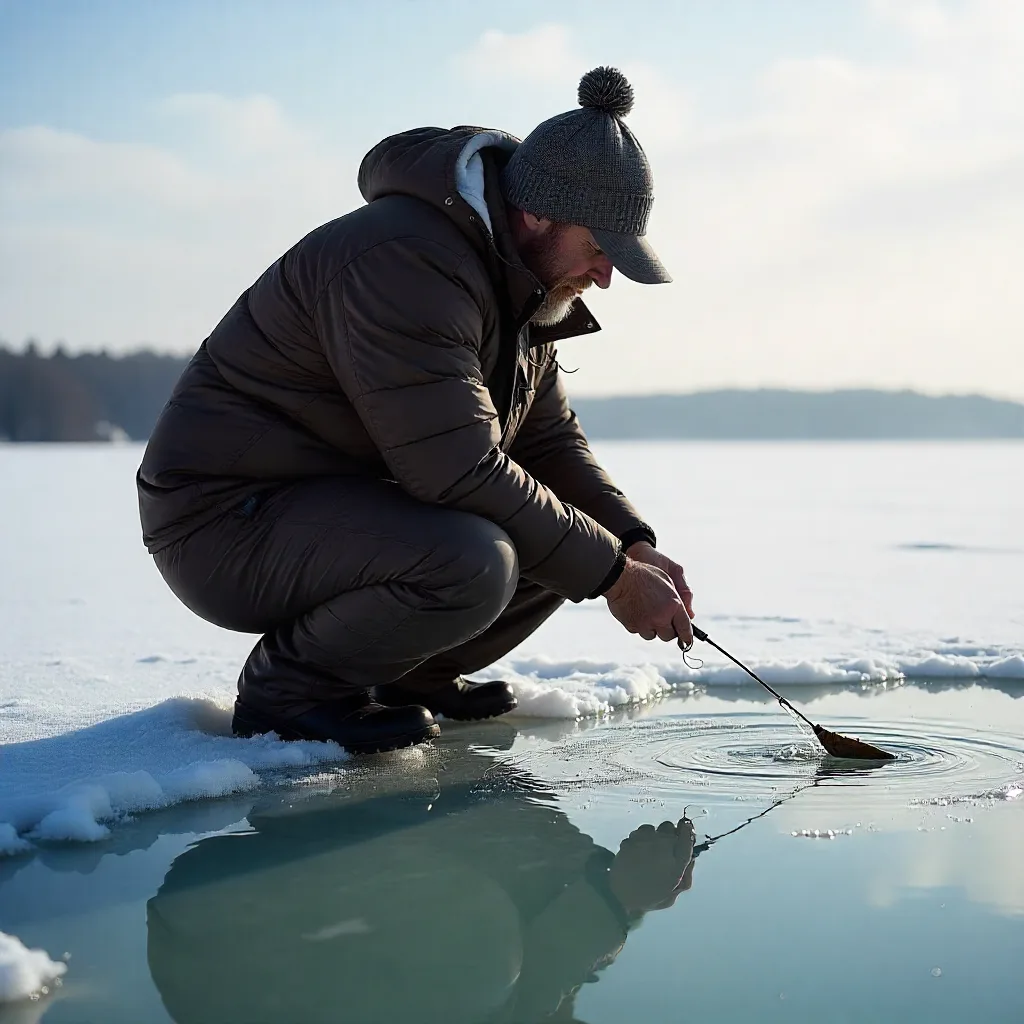
Ice fishing activities create numerous opportunities for environmental contamination that harm aquatic ecosystems and wildlife. Adopting leave-no-trace principles ensures your ice fishing adventures protect rather than degrade the waters you enjoy.
Petroleum Product Management: Exercise extreme caution when storing or using petroleum products as fuel for heaters, power augers, or generators. Petroleum is highly toxic to aquatic life and can trigger harmful algal blooms that devastate water quality. Refuel equipment away from ice holes, preferably on shore or in vehicles where spills won’t contact water. Use drip pans beneath equipment to catch minor leaks or drips. Clean up any fuel spills immediately using absorbent materials, removing contaminated materials from ice surfaces.
Waste Removal and Disposal: Pack out everything you pack in—this includes bait containers, fishing line, food wrappers, beverage containers, and equipment packaging. Lost or abandoned fishing gear, especially monofilament line, plastic soft baits, and lead weights, harms wildlife and pollutes waterways for decades. Bring designated trash bags and portable containers for waste collection. Some anglers use ice fishing sleds with dedicated trash compartments that keep waste organized during transport.
Responsible Bait Handling: Never dump unused live bait into lakes at trip end. This common practice introduces non-native species, diseases, and pathogens that devastate native fish populations. Dispose of unused bait in trash receptacles or freeze it for future use. When keeping fish for consumption, use clean ice from home freezers rather than lake water to store catches, preventing disease and invasive species spread between water bodies.
Sanitation Practices: Pack portable, self-contained toilets for extended ice fishing sessions rather than using lake ice as a bathroom. Human waste introduces harmful nutrients and pathogens into aquatic ecosystems. If fires are planned, use safe containers to hold ashes rather than dumping them on ice where nutrient-rich residue harms water quality. Remove all fire containers and remnants completely when leaving.
Equipment Cleaning Protocols: Clean all fishing equipment, sleds, and shelters before moving between water bodies. Drain water from livewells, coolers, and ice shacks before leaving each location. Dry everything thoroughly before next trips. These simple steps prevent spreading invasive species, fish diseases, and aquatic nuisance species that threaten fisheries.
4. Use Sustainable and Eco-Friendly Ice Fishing Equipment
Equipment choices significantly impact your environmental footprint during ice fishing activities. Selecting sustainable gear minimizes ecosystem disruption while demonstrating commitment to conservation.
Electric Auger Advantages: Choose electric cordless ice augers over gas-powered models when possible. Modern lithium battery technology provides ample power for full-day fishing while eliminating exhaust fumes, fuel odors, noise pollution, and petroleum spill risks. Electric augers remain smog-free and significantly quieter than gas alternatives, reducing wildlife disturbance. While initial costs exceed manual augers, electric options eliminate ongoing fuel purchases and maintenance expenses.
Non-Toxic Fishing Tackle: Replace lead sinkers and jigs with non-toxic alternatives made from steel, tungsten, bismuth, or tin. Lead poisoning kills waterfowl, loons, and fish that ingest lost tackle. Many jurisdictions now prohibit lead fishing tackle due to documented wildlife harm. Tungsten offers similar density to lead with superior environmental safety. While tungsten costs more initially, its durability provides long-term value.
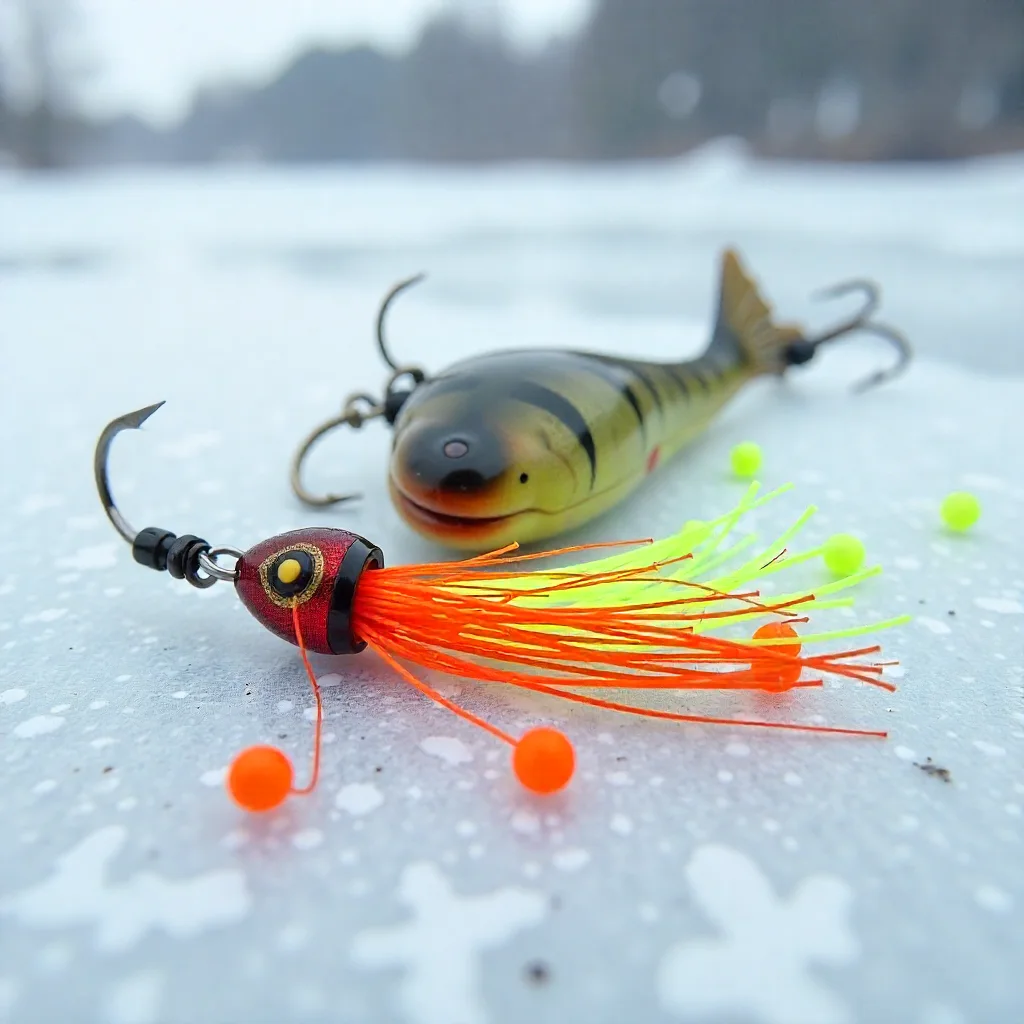
Biodegradable Options: Use biodegradable bait options and eco-friendly tackle whenever possible. Waxworms, minnows, and natural baits decompose naturally unlike plastic soft baits that persist for decades. When using artificial lures, select those made from biodegradable materials or traditional wood and metal rather than petroleum-based plastics. Biodegradable fishing line represents another emerging option that breaks down naturally if lost.
Durable, Long-Lasting Gear: Invest in quality ice fishing equipment built to last multiple seasons rather than disposable budget items requiring frequent replacement. Manufacturing processes consume resources and generate pollution—extending equipment lifespan reduces cumulative environmental impacts. Properly maintain gear to maximize useful life, repairing items rather than replacing them when possible. For comprehensive equipment recommendations, explore our ice fishing gear guide emphasizing quality and durability.
5. Respect Ice Environments and Wildlife Habitats
Ice fishing typically involves encountering wildlife and operating in sensitive environments during winter months when many species face survival challenges. Respectful behavior minimizes disturbance and protects habitats.
Wildlife Disturbance Prevention: Keep noise levels down to avoid disturbing wildlife. Winter represents stressful periods when animals conserve energy—unnecessary disturbances force them to expend limited reserves. Avoid areas where wildlife might be nesting, feeding, or sheltering. Eagles, osprey, and other fish-eating birds concentrate near productive fishing areas during winter—observe them from respectful distances without approaching nests or roosting sites.
Vegetation and Shoreline Protection: Minimize damage to aquatic vegetation when drilling holes or setting tip-ups. Vegetation provides critical fish habitat, oxygen production, and food sources. Avoid driving vehicles on or near vegetated areas where weight compresses plants. Stay away from fragile shoreline zones where vehicle or foot traffic damages banks and introduces sediment.
Ice Safety and Stability: Be mindful of ice conditions to ensure your safety and the safety of others on lakes. Thick, stable ice reduces accident chances and disturbances. Unsafe ice travel creates rescue situations that disrupt wildlife and strain emergency resources. Learn comprehensive ice fishing safety protocols before venturing onto frozen waters.
Responsible Access: Use designated access points rather than creating new trails across private property or sensitive areas. Close gates behind you when crossing through fenced areas. Park in designated locations that don’t block access for others or damage property. Respect “No Trespassing” signs and obtain permission before accessing private waters.
Sustainability and environmental awareness represent collective efforts that succeed only when entire angling communities embrace conservation ethics. Individual actions matter, but cultural shifts within ice fishing communities create lasting impacts that protect fisheries long-term.
Education and Mentorship: Share your knowledge of sustainable ice fishing practices with fellow anglers, family members, and friends. When introducing newcomers to ice fishing, emphasize conservation from their first experiences rather than treating it as an afterthought. Explain the reasoning behind regulations and ethical practices so others understand conservation science rather than viewing restrictions as arbitrary rules.
Leading by Example: Model responsible behavior that others observe and emulate. Practice catch and release visibly, pack out waste conspicuously, and follow regulations obviously. When other anglers witness your commitment to conservation, many adopt similar practices. Politely educate those engaging in harmful behaviors, explaining impacts rather than confronting aggressively.
Youth Engagement: Take children ice fishing and teach sustainable practices from their earliest experiences. Young anglers who learn conservation ethics naturally incorporate them into lifelong habits. Emphasize enjoying nature, respecting wildlife, and preserving resources for future generations. Children often become conservation ambassadors within their own peer groups and families. For comprehensive guidance on family ice fishing, explore our destination recommendations.
Community Participation: Join local fishing clubs, conservation organizations, or habitat restoration projects. Volunteer for lake cleanup events, fish stocking programs, or habitat improvement initiatives. Participate in citizen science programs that collect data supporting fisheries management. These activities build conservation communities while directly improving local fisheries.
Social Media and Online Influence: Use social media platforms to promote sustainable ice fishing practices. Share educational content about conservation, celebrate catch and release successes, and highlight responsible angling behaviors. Online communities influence thousands of anglers—positive messaging creates cultural shifts toward sustainability.
Understanding Winter Fisheries Ecology
Predator-Prey Relationships: Balanced predator-prey relationships require selective harvest that maintains both populations at healthy levels. Removing too many predators allows prey fish to overpopulate, leading to stunted growth and unhealthy populations. Conversely, harvesting excessive prey species reduces food for predators, resulting in thin, disease-prone fish. Wise selection of which fish to harvest minimizes effects on renewable resources.
Winter Stress Factors: Fish experience increased stress during winter due to cold temperatures, reduced food availability, and limited oxygen beneath ice cover. Heavy snow on ice prevents sunlight penetration, curtailing photosynthesis that produces oxygen. Shallow lakes face particular vulnerability to winter kills from oxygen depletion. Understanding these stresses emphasizes why conservation practices matter most during ice fishing seasons.
Climate Change Impacts: Warming temperatures shorten ice seasons, reduce ice thickness reliability, and alter fish population dynamics across northern latitudes. These changes demand heightened conservation awareness as fisheries face additional environmental pressures. Sustainable practices become increasingly critical as climate change compounds existing stresses.
Top 5 Frequently Asked Questions About Sustainable Ice Fishing
Why is sustainable ice fishing important?
Sustainable ice fishing ensures healthy fish populations and pristine aquatic ecosystems remain available for future generations. Overharvesting, environmental contamination, and habitat degradation can devastate local fisheries within single seasons, particularly in small lakes. Individual angler actions accumulate across thousands of people, creating either conservation success or environmental disaster. Climate change compounds pressures on winter fisheries, making sustainable practices increasingly critical. Responsible ice fishing preserves traditions our children and grandchildren will enjoy.
How many fish should I keep when ice fishing?
Keep only what you’ll eat for one or two meals rather than harvesting legal limits unnecessarily. Overharvesting leads to fish population declines, especially in smaller lakes with limited reproduction. Practice catch and release in heavily fished areas to ensure others have positive experiences. Avoid keeping only the largest fish—these are prime breeding stock. Keep mid-sized fish that provide excellent eating while preserving small growing fish and large spawning specimens. In lakes with abundant stunted panfish, keeping numerous smaller fish actually benefits remaining population.
What should I do with unused live bait after ice fishing?
Never dump unused live bait into lakes—this introduces non-native species, diseases, and pathogens that devastate native fish populations. Dispose of unused bait in trash receptacles to prevent ecosystem contamination. Alternatively, freeze leftover bait for future fishing trips. When keeping fish, use clean ice from home freezers rather than lake water to prevent spreading diseases between water bodies. Clean all equipment and drain water from livewells and coolers before leaving.
Are electric ice augers better for the environment?
Yes, electric cordless ice augers minimize environmental impact compared to gas-powered models. They eliminate exhaust fumes, fuel odors, petroleum spill risks, and noise pollution that disturbs wildlife. Modern lithium battery technology provides ample power for full-day fishing. While electric augers cost more initially, they eliminate ongoing fuel purchases and reduce maintenance. Manual augers represent the most eco-friendly option for anglers comfortable with physical exertion. For equipment comparisons, review our ice fishing gear recommendations.
How can I practice catch and release properly in winter?
Minimize handling time and air exposure to reduce stress on cold-water fish. Wet hands before touching fish to protect slime coatings. Use barbless hooks for quick, clean releases. Support fish horizontally when photographing rather than gripping vertically. Return fish headfirst through ice holes, allowing them to swim away independently. Support exhausted fish gently in holes until they regain equilibrium. Work quickly since temperature differences between water and air create additional winter stress. Teach proper catch and release to children learning ice fishing.
Conclusion
Sustainable ice fishing practices protect winter fisheries through individual actions that collectively preserve aquatic ecosystems and fish populations for future generations. Following regulations, practicing ethical catch and release, minimizing environmental impacts, using eco-friendly equipment, respecting wildlife, and sharing conservation knowledge create comprehensive stewardship that ensures ice fishing traditions continue.
Every angler who drills holes through frozen lakes assumes responsibility for conservation that extends beyond personal enjoyment. The cumulative effects of thousands of anglers making sustainable choices determine whether our children experience the same abundant fisheries we enjoy today. Whether you’re exploring premier ice fishing destinations, targeting winter panfish, or enjoying local Ohio waters, sustainable practices ensure productive fishing for decades ahead.
Embrace sustainable ice fishing as integral to the sport rather than optional add-on ethics. Build conservation-minded communities that value environmental protection alongside fishing success. Through collective commitment to sustainable practices, ice anglers become environmental stewards who actively preserve the frozen lake traditions we cherish.