
ice fishing for beginners offers exciting opportunities to catch fish during winter months while experiencing the unique camaraderie of hardwater angling communities. Thousands of anglers enjoy ice fishing annually for the adventure, fish-catching action, and social atmosphere that defines this cold-weather pursuit. However, like any outdoor activity, ice fishing requires proper preparation, knowledge, and equipment to ensure safe and successful outings. These twelve essential tips provide beginners with the foundational knowledge needed to start ice fishing confidently while prioritizing safety and effectiveness.
1. Always Verify Ice Thickness Before Venturing Out
The first and most critical rule of ice fishing basics involves ensuring ice thickness adequately supports your weight and equipment. Minimum ice thickness requirements vary based on load: 4 inches of solid ice safely supports one person, 5-7 inches accommodates groups, 6-7 inches handles snowmobiles or ATVs, 8 inches supports vehicles weighing 3,500 pounds, and 12 inches handles vehicles up to 8,000 pounds. These measurements apply to new, clear ice on non-flowing waters—cloudy, slushy, or layered ice requires greater thickness for equivalent strength.
Never trust ice appearance alone when determining safety. Ice thickness varies dramatically across single water bodies due to currents, springs, varying depths, and sun exposure. Always test ice continuously as you move away from shore using a spud bar or ice chisel. Minnesota’s Department of Natural Resources provides excellent guides for checking ice thickness properly. Avoid areas near inlets, outlets, or where vegetation extends through ice, as these zones typically feature thinner, weaker ice.
For comprehensive safety protocols, review our complete ice fishing guide before your first winter outing.
2. Carry Essential Safety Equipment Every Trip
The second fundamental ice fishing tenet requires carrying appropriate safety equipment in case of ice breakthrough. Essential safety gear includes ice picks (also called rescue claws) on a lanyard worn around your neck, which enable self-rescue by providing grip to pull yourself from water onto ice. Personal flotation devices (PFDs) or flotation jackets help you stay afloat if you fall through, buying critical time for rescue.
Additional safety equipment includes 50+ feet of throw rope for assisting others or creating rescue anchor points. Emergency whistles attract attention when you need help. Ice cleats worn over boot soles dramatically improve traction on slippery ice surfaces, preventing falls that can cause injuries or break equipment. Never venture onto ice alone—always fish with partners who can assist during emergencies.
Store safety equipment where it remains accessible even when wearing bulky winter clothing. Ice picks serve no purpose if they’re buried in a tackle box when you need them. Practice self-rescue techniques in controlled environments so you understand the process before facing actual emergencies.
3. Dress Warmly to Prevent Hypothermia and Frostbite
The third essential principle emphasizes proper clothing for comfort, health, and survival during extended cold exposure. Hypothermia and frostbite represent serious dangers when ice fishing, particularly during extreme cold or wind conditions. Layering systems provide the most effective thermal protection—thermal underwear base layers wick moisture from skin, fleece mid-layers provide insulation, and waterproof outer shells block wind and precipitation.
Quality insulated boots rated for sub-zero temperatures keep feet warm during hours spent standing on ice. Warm gloves or mittens (mittens provide superior warmth), insulated hats covering ears, and neck gaiters prevent heat loss from extremities. Hand and toe warmers offer additional warmth during particularly cold sessions. Shake-to-activate chemical warmers are inexpensive insurance against cold-related discomfort.
Beginners often underdress for ice fishing, especially during sunny days that create illusions of warmth. Practice layering at home before venturing onto ice to understand your clothing needs at various temperatures. Bring extra dry clothing in waterproof bags—getting wet during ice fishing can quickly become dangerous. Stay hydrated throughout fishing sessions, as dehydration occurs rapidly in cold weather when your body works hard maintaining core temperature.
4. Research Target Species and Locate Productive Water
Where you fish matters tremendously and varies depending on target species. Most ice fishing occurs in water less than 20 feet deep, though certain species require different depth strategies. The more you understand about your fishing location—depth contours, bottom composition, underwater structure—the better you can determine where to start.
During early ice periods, fish often feed in the same locations they inhabited just before freeze-up. Experienced anglers mark productive late-fall spots and return to these areas immediately after safe ice forms. As winter progresses and vegetation dies, fish transition to deeper water structures like basin edges, humps, and rock piles.
Target panfish species like bluegill and crappie in 4-12 feet of water near remaining vegetation, while walleye and perch often hold in 15-30 feet along drop-offs and breaklines. Research your specific water body through local fishing reports, online forums, and tackle shop conversations. Understanding seasonal fish movements and preferred habitats dramatically increases catch rates.takemefishing+3
5. Select Appropriate Ice Augers for Your Needs
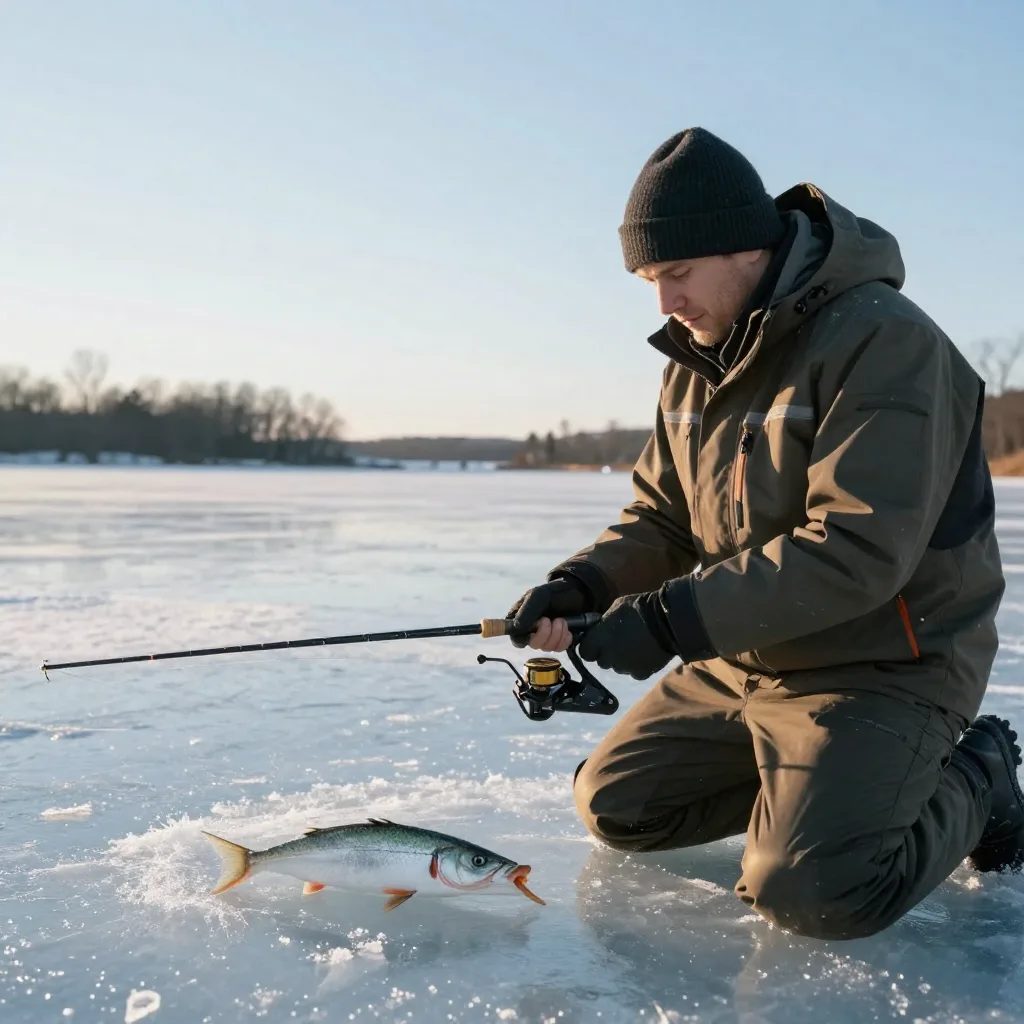
Creating fishing holes requires proper drilling equipment. Beginners fishing thin early-ice conditions may successfully use spud bars (ice chisels) to chop holes manually. However, spud bars become impractical once ice exceeds 6-8 inches. Manual augers feature hand-crank designs that drill holes efficiently through ice up to 24 inches thick. These augers cost $40-100 and provide excellent service for anglers fishing near parking areas.
Power augers—gas, electric, or propane-powered—represent serious investments signaling commitment to mobile ice fishing. Gas augers deliver maximum power and drill countless holes on single tanks, but weigh significantly more than alternatives. Modern electric augers using lithium batteries provide impressive performance with minimal weight and maintenance. Power augers cost $150-500 but pay dividends when drilling multiple holes across large areas.
Auger blade diameter matters—6-inch holes suffice for panfish, while 8-10 inch holes accommodate larger species and provide easier fish landing. Keep blades sharp by avoiding contact with sand, gravel, or bottom debris. For equipment recommendations, explore our ice fishing buying tips guide.
6. Drill Holes Strategically Across Depth Variations
Cut holes strategically over different bottom depths rather than clustering all holes in single areas. Systematic hole patterns allow you to explore depth gradients efficiently, determining where fish concentrate on specific days. Consider that widely spaced holes require more travel time when action starts, so balance exploration with practical mobility.
Drill holes in groups or “neighborhoods” covering 20-50 yard areas. This approach lets you quickly move between nearby holes when one produces, without making long treks across ice. Mark productive hole locations using GPS coordinates or landmark references for future trips. Areas featuring dramatic depth changes, weed edges, rock piles, or underwater humps typically concentrate fish.
Clean ice shavings from holes using skimmer scoops—accumulated slush freezes quickly and creates obstacles for fighting fish. Skim holes regularly throughout fishing sessions to maintain open water access.
7. Use Depth Sounders to Understand Water Depth
Knowing fishing depth helps you present baits at optimal levels. Simple methods include dropping weighted, measured lines to the bottom and counting marked increments. However, portable sonar units (flashers) provide real-time depth readings while simultaneously displaying fish locations and bottom composition.
Modern ice fishing electronics revolutionize the sport by showing fish responses to your presentations. Flashers display your lure as it descends, fish moving toward baits, and strikes as they occur. Underwater cameras provide visual confirmation of species, structure, and fish behavior. While electronics represent significant investments ($200-800), they dramatically shorten learning curves for beginners.
Budget-conscious anglers succeed without electronics by drilling systematic hole patterns across depth ranges and fishing each location 10-15 minutes before moving. Pay attention to depths where you catch fish, then focus subsequent holes at similar levels.
8. Master Tip-Up Techniques and Responses
Always remain vigilant when using tip-ups—this fundamental represents Ice Fishing 101. Tip-ups are spring-loaded flag devices that signal strikes, allowing anglers to fish multiple holes simultaneously. When tip-up flags trigger, indicating fish have taken baits, rush safely to holes, remove tip-ups, grab main lines, and wait until you feel fish pulling.
Give hard snaps to set hooks once you feel fish weight. Fight fish “bare-knuckled” using hands rather than spools, pulling line steadily to bring fish to the surface. This hands-on approach provides direct connection to fish movements and prevents over-tensioning lines.
Set multiple tip-ups covering different depths and locations. Traditional wooden designs like Beaver Dam Original Rail Tip-Ups have caught fish for 50+ years with proven reliability. Modern options like Frabill Arctic Fire Tip-Ups feature high-visibility construction for low-light conditions and special lubrication preventing freeze-ups. Most regulations allow 3-5 tip-ups per angler—check local rules before fishing.
9. Check and Refresh Tip-Up Baits Regularly
Small live minnows represent especially popular tip-up baits, though worms and other live offerings also produce. Check baits at least every 30 minutes to ensure they remain lively and properly hooked. While inspecting baits, skim ice from holes to maintain open water.
Hook minnows just under dorsal fins, allowing natural swimming action that attracts predators. This hooking method keeps minnows alive longer than lip-hooking or tail-hooking techniques. Set tip-up depths based on target species—predators like pike and walleye often cruise mid-depth or suspend, while perch typically feed near bottom.
10. Keep Bait Fresh and Lively Throughout Sessions
This represents one of the most important ice fishing tips for beginners. Lively, active minnows dramatically outfish sluggish or dying baits. Maintain bait health by storing minnows in insulated bait buckets with battery-powered aerators. Cold temperatures stress baitfish, so protect buckets from freezing wind while ensuring adequate oxygen.
Replace dying minnows immediately rather than fishing with compromised baits. The cost difference between fresh and dying minnows is negligible compared to lost fishing productivity. Waxworms, spikes, and other larvae baits maintain vitality better than minnows in extreme cold. Store these baits in shirt pockets where body heat keeps them active.
11. Use Small Jigging Spoons and Grub Jigs for Active Fishing
Small jigging spoons and grub jigs are favored for use with jigging rods and prove particularly effective for yellow perch, walleye, and sunfish. These lures typically weigh 1/16 to 1/4 ounce depending on depth and current. Fish them near bottom structure, keeping lines taut to feel subtle strikes.
Employ slow, steady jigging actions rather than aggressive ripping motions. Raise jigs 4-6 inches off bottom, pause briefly, then drop back while maintaining contact. This rhythm imitates wounded baitfish and triggers predatory responses. Tip artificial jigs with waxworms, spikes, or minnow heads to add scent and visual appeal.
Popular ice fishing lures include Rapala Jigging Raps, Acme Hyper Glides, and hair jigs like VMC Bucktail Jigs. Tungsten jigs sink faster than lead alternatives and provide superior bite detection. Carry assorted colors and sizes to match changing conditions and fish preferences. For comprehensive tackle recommendations, review our best ice fishing accessories guide.
12. Learn from Other Ice Anglers’ Experience
Ice anglers represent friendly communities willing to share information, provided you respect their space. Talk to other anglers between fishing sessions, asking about productive depths, effective baits, and seasonal patterns. Most hardwater enthusiasts enjoy discussing their sport and helping beginners succeed.
Observe experienced anglers’ techniques from respectful distances—watch their jigging cadences, hole-hopping strategies, and fish-handling methods. Join online ice fishing forums and social media groups where anglers share reports, answer questions, and discuss tactics. Consider hiring guides for initial outings on unfamiliar waters—professional instruction accelerates learning dramatically.
Attend ice fishing seminars hosted by tackle shops, conservation organizations, or fishing clubs. These educational opportunities provide hands-on demonstrations and insider knowledge unavailable through independent learning. Building ice fishing networks connects you with partners for future outings while expanding your tactical knowledge base.
Additional Essential Beginner Tips
Start with Simple Gear: Use 3-4 foot ice fishing rods with sensitive tips for detecting light bites. Ultralight spinning or spincasting reels spooled with 6-8 pound test line handle most ice fishing situations. Keep equipment simple initially—avoid expensive electronics and specialized gear until you’ve established consistent interest.
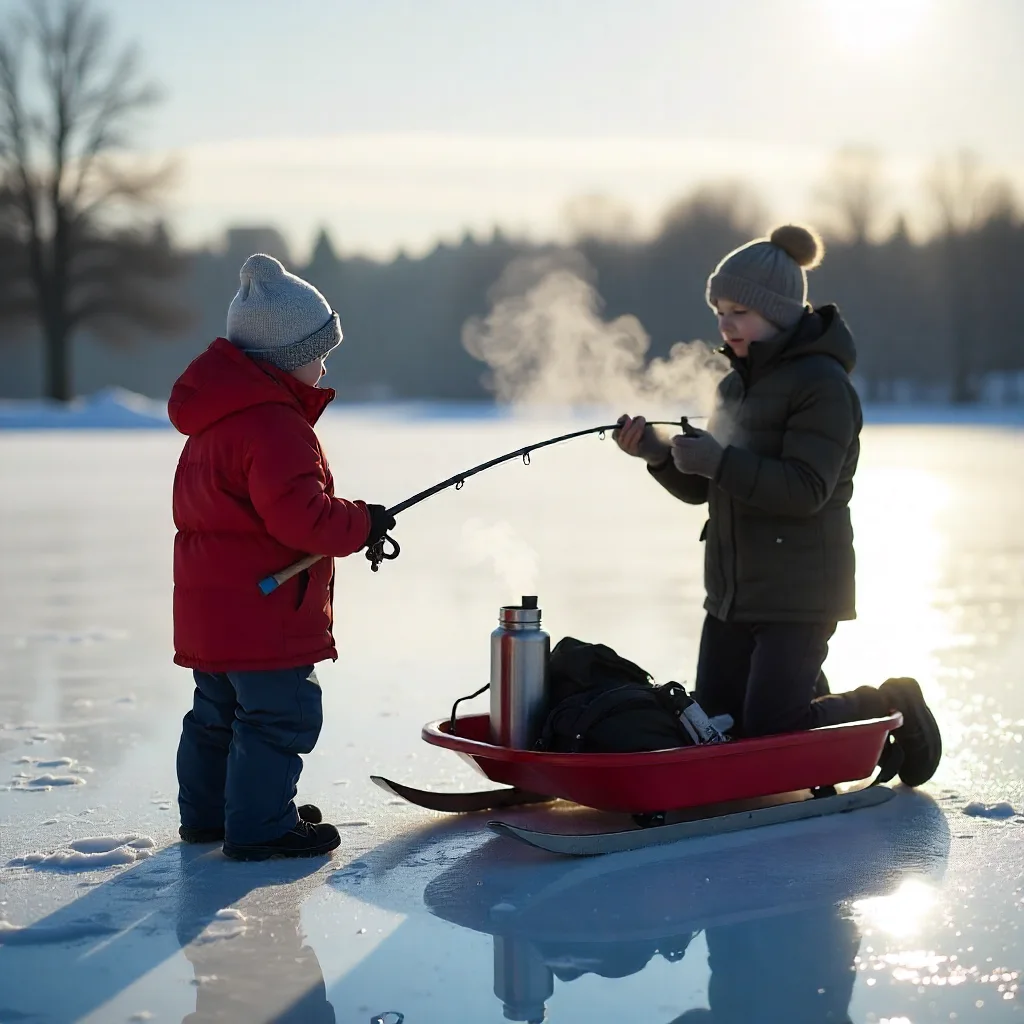
Transport Gear Efficiently: Invest in quality ice fishing sleds to transport equipment across ice without exhausting yourself. Organized sleds with storage pockets and accessory mounts keep tackle, electronics, and safety gear accessible. Proper gear transport preserves energy for actual fishing.
Focus on Abundant Species: Target panfish like bluegill, crappie, and perch for initial outings rather than challenging species like trophy pike or lake trout. Abundant panfish provide consistent action that builds confidence and teaches fundamental techniques. Once you’ve mastered panfish tactics, transition to more challenging species.
Plan Family-Friendly Trips: Ice fishing creates excellent family bonding opportunities during winter months. Review our ice fishing with kids guide for tips on successful family outings. Keep children’s trips short, prioritize comfort over fish numbers, and pack abundant snacks and hot beverages.
Top 5 Frequently Asked Questions About Ice Fishing for Beginners
What equipment do I need to start ice fishing?
Essential beginner ice fishing equipment includes a 3-4 foot ice fishing rod with ultralight reel spooled with 6-8 pound test line, an ice auger (manual or powered), an ice scoop for removing slush, tackle box with small jigs and live bait, and a 5-gallon bucket for seating. Critical additions include safety equipment (ice picks, throw rope, whistle), warm layered clothing, insulated boots, and hand warmers. Optional but valuable items include tip-ups for fishing multiple holes, portable ice shelters for wind protection, and fish finders for locating fish.
How do I know if ice is safe to walk on?
Safe ice requires minimum 4 inches of solid, clear ice to support one person’s weight. Test ice thickness using a spud bar or ice chisel as you move away from shore, checking every 10-15 feet. Clear blue or black ice is strongest, while cloudy white ice contains air pockets and requires greater thickness. Avoid areas near inlets, outlets, vegetation, or dark spots indicating thin ice. Never trust ice based on appearance alone—always measure directly.
What is the best bait for beginner ice fishing?
Live minnows represent the most versatile and effective ice fishing bait for beginners, catching virtually every species through the ice. Small fathead or shiner minnows measuring 2-3 inches work well for panfish, walleye, and perch. Waxworms and spikes (maggots) excel for panfish when tipped on small jigs. These larvae baits remain active in extreme cold better than minnows. Earthworms fished beneath slip bobbers catch panfish consistently and are often overlooked. Start with live bait before experimenting with artificial lures.
Where should I go ice fishing as a beginner?
Beginners should target smaller local lakes and ponds with documented panfish populations rather than attempting challenging waters like Lake Erie initially. Look for easily accessible water bodies near home with parking areas close to productive fishing zones. Many state parks maintain ice fishing areas with shelter rentals and equipment available. Fish during peak activity periods—early morning and late afternoon—when fish feed most aggressively. Research top ice fishing destinations to find beginner-friendly waters.
How long should I stay at each ice fishing hole?
Spend 10-15 minutes at each hole before moving if you don’t catch fish or mark any on electronics. Active fish typically bite within the first few minutes at productive holes. Drill multiple holes before starting to fish, allowing time for disturbance to settle. Return to previously productive holes periodically throughout the day as fish movement patterns change. Remain mobile and willing to explore—successful ice anglers stay active rather than sitting on single holes all day.
Conclusion
Ice fishing for beginners requires balancing safety awareness, proper equipment, and effective techniques to ensure enjoyable winter fishing experiences. Prioritizing ice thickness verification, carrying essential safety gear, and dressing appropriately for cold conditions prevents dangerous situations while maintaining comfort. Understanding target species behavior, selecting productive locations, and using appropriate baits dramatically increases catch rates.
Starting with simple equipment—basic rods, reels, augers, and live bait—allows beginners to learn fundamental skills without overwhelming complexity. As your expertise grows, gradually add electronics, specialized lures, and advanced gear that enhance specific techniques. Learning from experienced anglers, observing proven tactics, and building ice fishing networks accelerates skill development.
Ice fishing represents traditional winter pastimes that combine outdoor recreation, fish-catching excitement, and social camaraderie unique to hardwater angling communities. Whether you’re exploring premier ice fishing destinations, pursuing winter panfish, or introducing children to ice fishing, these fundamental tips provide the foundation for safe, successful winter fishing adventures.