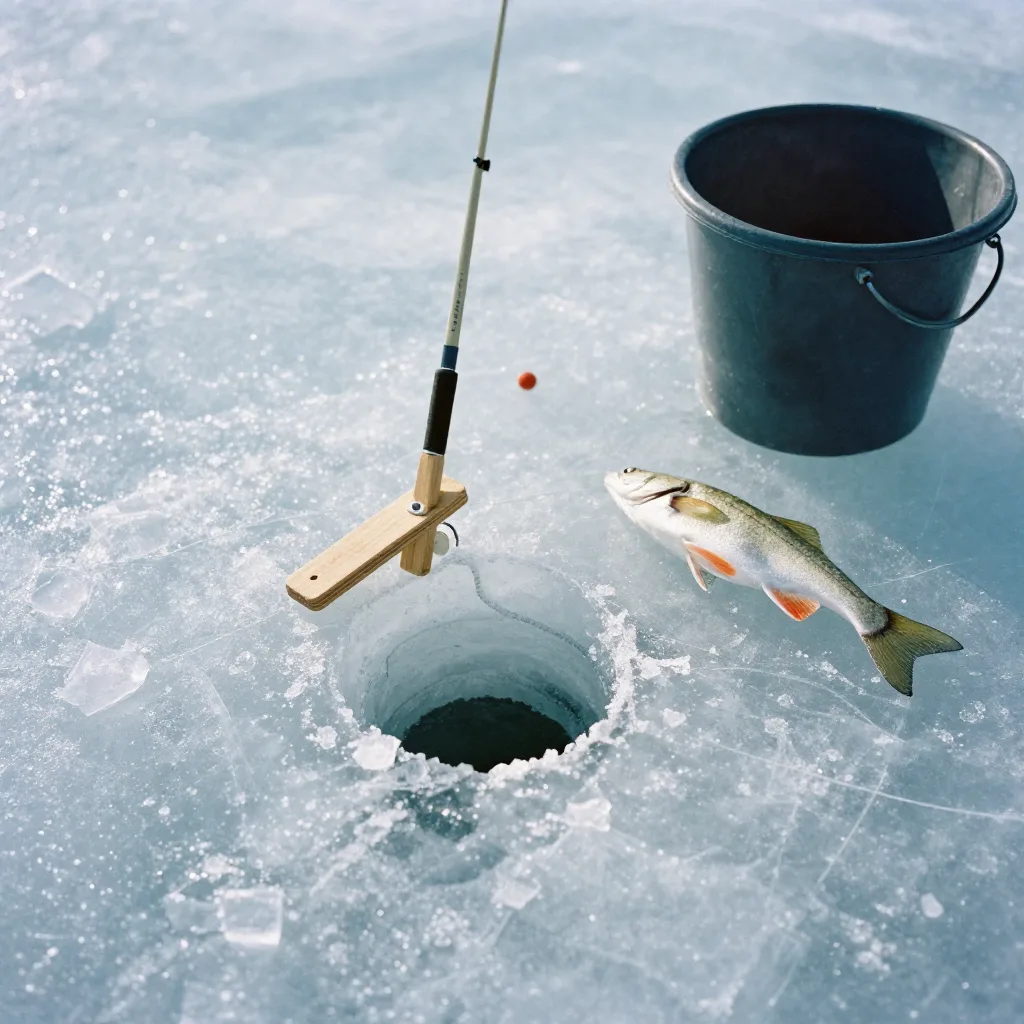
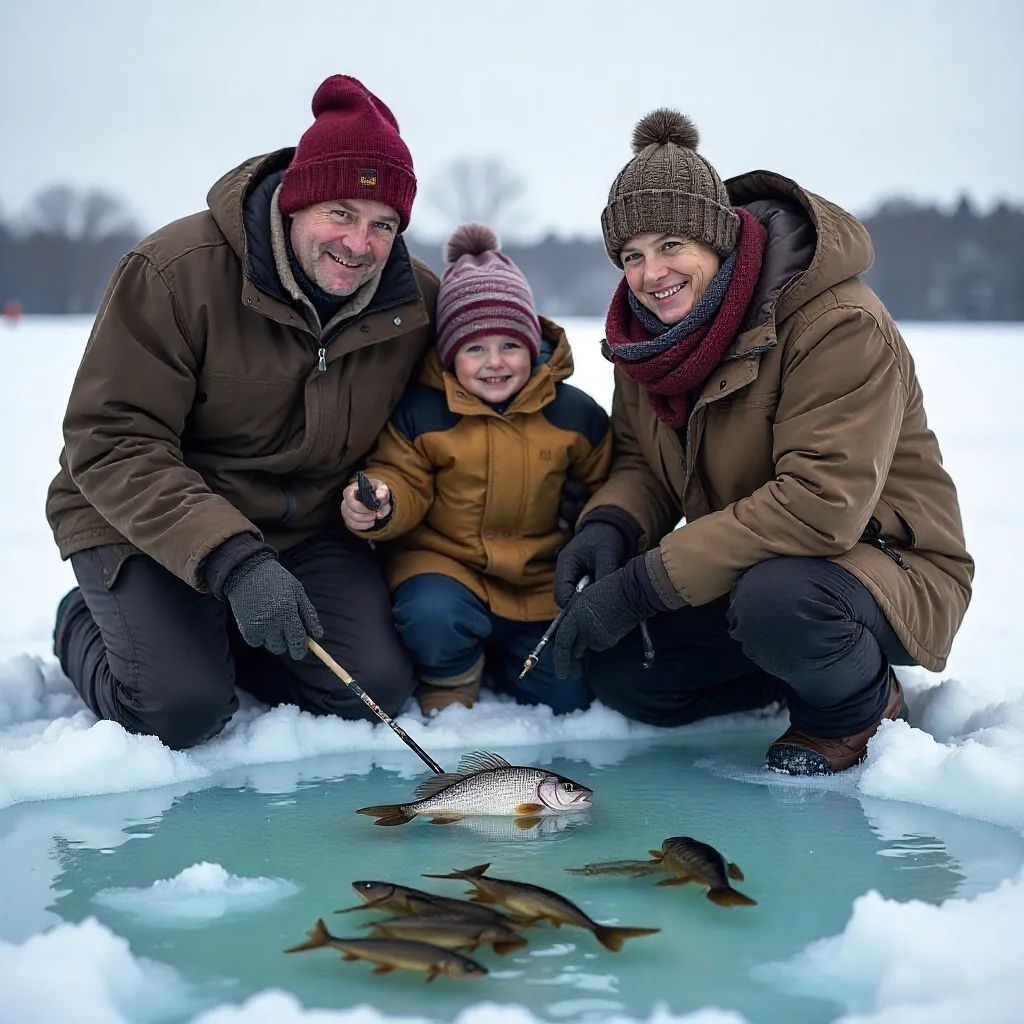
Ice fishing for panfish ranks among the most rewarding winter activities for families seeking outdoor adventure and fresh table fare. Bluegill, crappie, and yellow perch provide consistent action throughout the ice season, making them ideal targets for anglers of all skill levels. Whether you’re introducing children to ice fishing or planning a family outing, panfish offer the perfect combination of accessibility, abundance, and exceptional eating quality.
Why Panfish Are Perfect for Family Ice Fishing
Panfish species dominate northern lakes and ponds, providing reliable fishing opportunities when other species become challenging to catch. These scrappy fighters offer impressive numbers that keep the whole family engaged, and their willingness to bite makes them ideal for novice anglers. Yellow perch deliver exceptional cold-water table fare that rivals any freshwater fish, while bluegill and crappie provide fast action that maintains children’s interest throughout the outing.
The forgiving nature of panfish fishing allows families to experiment with various techniques without requiring expensive specialized equipment. Unlike trophy gamefish that demand precise presentations and patience, panfish actively feed throughout winter, creating consistent opportunities for success. For families building ice fishing traditions, exploring how to ice fish provides foundational knowledge that applies directly to panfish pursuits.
Choosing Your Target: Bluegill, Crappie, or Perch
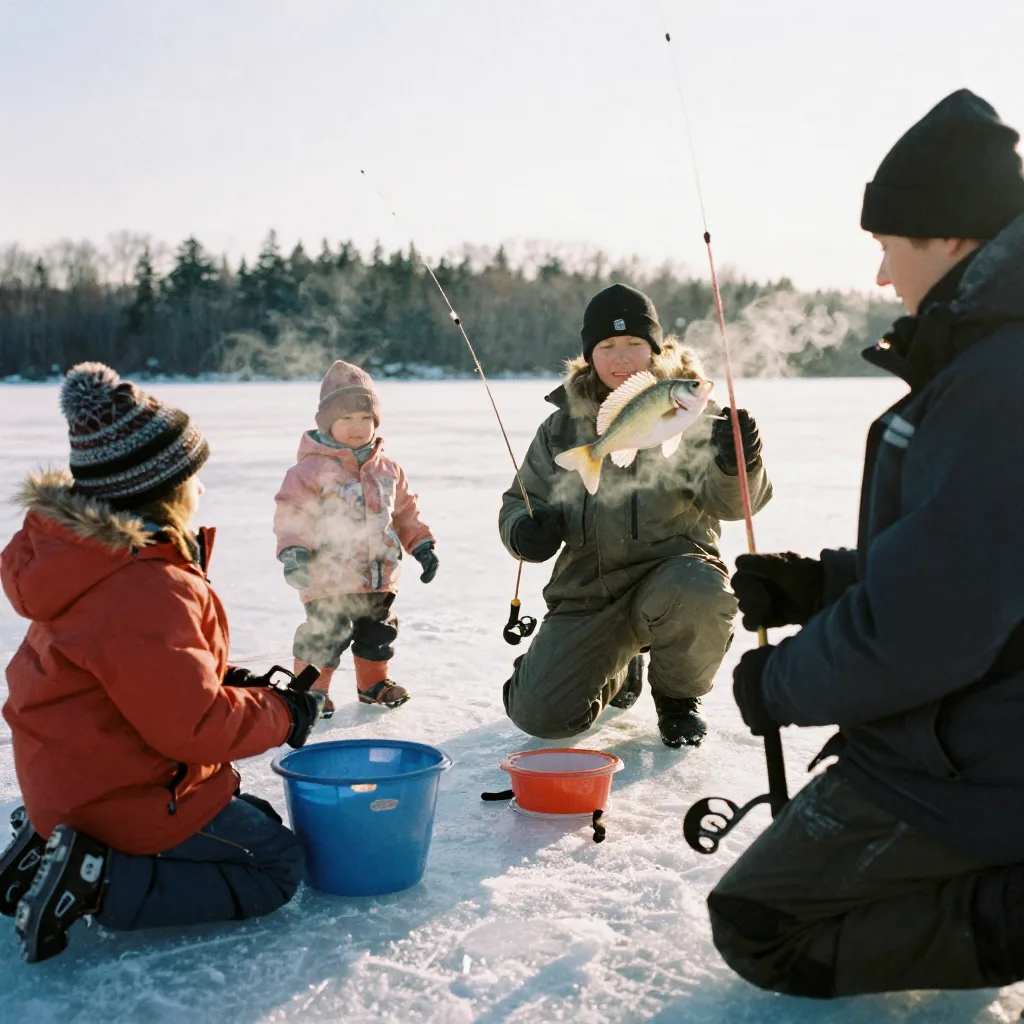
Each panfish species offers unique characteristics that appeal to different fishing preferences and family dynamics. Understanding these differences helps you select the right target for your specific situation.
Bluegill thrive in shallow weedy bays during early ice, often suspending in water as shallow as 2-3 feet. These aggressive feeders provide excellent action for children, as they actively attack small jigs and respond well to simple jigging motions. Bluegill prefer feeding near the bottom, making them easier to locate than suspended species. Their willingness to bite even during mid-winter slumps makes them reliable targets throughout the season.
Crappie represent the ultimate suspended species, frequently holding anywhere from just beneath the ice to mid-depth zones. These slab-sided panfish look upward to feed, requiring anglers to present baits above their holding depth. Crappie travel in schools, meaning once you locate them, multiple fish often follow. Their larger size compared to bluegill makes them exciting targets for older children and adults seeking filleting-worthy catches.
Yellow Perch deliver the best eating quality among panfish species, particularly during winter when their flesh remains firm and sweet. These roaming predators frequently inhabit deeper basin areas and structure-rich zones. Perch schooling behavior means finding one fish typically leads to catching many more from the same hole. Their aggressive nature and larger average size make them popular targets for families prioritizing table fare.
Selecting the Right Lake for Family Success
Location selection determines family ice fishing success more than any other factor. Prioritize bodies of water with documented panfish populations, focusing on quantity over trophy size for initial family outings. Lakes with abundant small to medium-sized panfish provide consistent action that keeps everyone engaged.
Research local fishing reports, consult ice fishing destinations in Canada or check the best ice fishing places for 2026 to identify productive waters. Some waters contain all three primary panfish species, though one typically dominates. Lakes with multiple species offer variety when one becomes less active.
Familiarity with a specific water body provides significant advantages, especially when introducing children to ice fishing. Knowledge of productive shallow bays, weed edges, and basin structures allows you to position the family in high-percentage areas immediately. Accessibility matters too—select locations with safe parking, reasonable walking distances, and reliable ice conditions.
Essential Panfish Ice Fishing Gear
Panfish ice fishing rewards light, sensitive equipment that detects subtle bites and controls delicate presentations. Oversized tackle reduces bite detection and decreases success rates dramatically.
Rod Selection: Ultralight to light-action ice rods measuring 24-32 inches provide ideal sensitivity for panfish. The most common mistake anglers make is fishing with rods too heavy to detect light panfish bites. Quality panfish rods feature sensitive tips that telegraph even the gentlest takes while maintaining sufficient backbone to land occasional larger fish. Consider ice fishing buying tips for beginners when selecting family equipment.
Line Choice: Two to four-pound test monofilament or fluorocarbon matches perfectly with panfish presentations. Lighter line improves lure action, increases bite detection, and provides superior sensitivity in cold water. Maxima Chameleon and similar low-visibility lines excel in clear-water panfish situations.
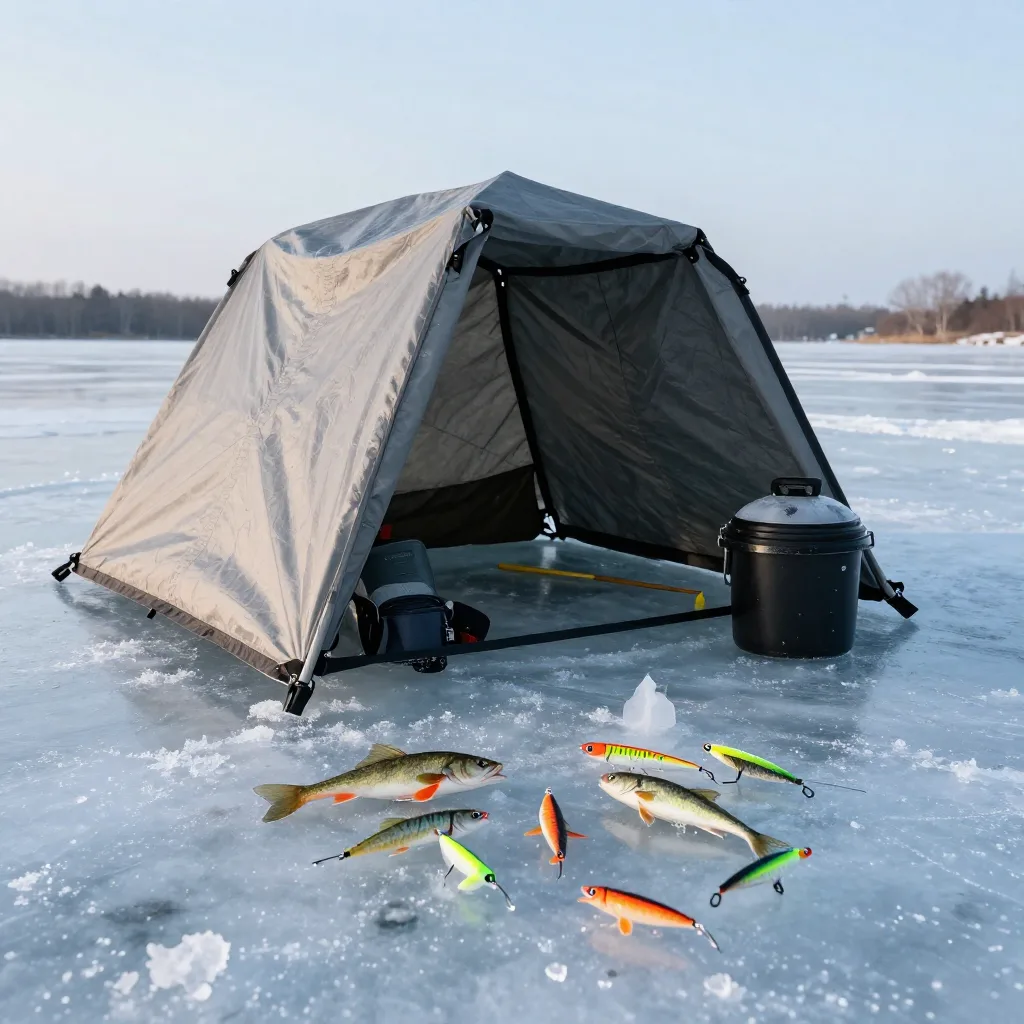
Jigs and Lures: Tungsten jigs dominate modern panfish ice fishing due to their rapid sink rates and superior bite transmission. Small tungsten jigs in 1/64 to 1/8 ounce cover most panfish scenarios. Popular patterns include ice flies, teardrops, and small spoons tipped with live bait. Stock your tackle box with various colors and sizes to match changing conditions and fish preferences.
Additional Equipment: A quality ice auger speeds hole drilling and keeps the family mobile when searching for active fish. Portable ice fishing shelters provide wind protection and comfort during extended sessions. For comprehensive equipment recommendations, review our guide to best ice fishing accessories.
Top Baits for Ice Fishing Panfish
Live bait significantly increases panfish catch rates, particularly during mid-winter periods when fish become selective.themeateater+1
Waxworms and Grubs: These soft-bodied larvae represent the gold standard for ice fishing panfish. Their scent, movement, and size perfectly match panfish feeding preferences. Tip small jigs with single waxworms or thread multiple grubs on larger hooks for added attraction.
Earthworms and Nightcrawlers: Often overlooked for ice fishing, worms catch every panfish species with minimal effort. Thread whole earthworms onto #8-10 bait hooks and fish them beneath slip bobbers positioned just above bottom. The struggling motion attracts panfish from considerable distances.
Live Minnows: Small fathead minnows excel for crappie and larger perch. Fish minnows on tip-ups using long fluorocarbon leaders that allow natural swimming action. The split-shot rig holds minnows in productive zones while preventing tangles.
Proven Panfish Ice Fishing Techniques
Early Ice Shallow Water Strategy: Target weedy bays in 3-8 feet of water during first ice periods. Green vegetation holds oxygen, cover, and food sources that concentrate panfish. Drill systematic hole patterns across flats to locate active schools. Bluegill typically hold near bottom in these zones, while crappie suspend mid-depth or just beneath the ice.
Mid-Winter Deep Water Transition: As vegetation dies and oxygen levels drop in shallow areas, panfish migrate to deeper basin structures. Search 15-25 feet of water along breaklines, humps, and basin edges. Dead-sticking techniques using multiple rods positioned at varying depths helps locate suspended schools. This approach involves setting baited rods in holders and allowing minnows to swim naturally until panfish discover them.
Finesse Tactics for Pressured Fish: Late-season panfish become increasingly selective, requiring downsized presentations and patient approaches. Ultra-small tungsten jigs (1/64-1/100 ounce) combined with subtle jigging motions trigger bites from lethargic fish. Slowly raise jigs from bottom to just beneath the ice using minimal rod movements, setting hooks immediately upon feeling taps.
Planning for Comfort and Success
Weather conditions significantly impact family ice fishing enjoyment. Select low-wind, sunny days with moderate temperatures for initial outings with young children. Extreme cold or windy conditions quickly discourage novice anglers regardless of fishing success.
Proper clothing preparation prevents misery and builds positive associations with ice fishing. Layer insulated clothing, provide waterproof boots, and pack abundant hand and toe warmers. Bring extra dry clothing for children who kneel on ice or handle wet fish.
Food and beverage planning matters as much as fishing preparation. Thermoses filled with hot chocolate or cider maintain warmth and morale during slow periods. Pack favorite sandwiches and snacks that keep energy levels high. For gift ideas to enhance family ice fishing trips, explore our ice fishing gifts guide.
Mobility and Hole Strategy
Panfish schools roam throughout the day, requiring anglers to drill multiple holes and remain mobile. Systematic hole patterns allow efficient coverage of productive areas. Drill holes in pairs or clusters, spacing them 20-30 feet apart to cover different depths and structure features.
Use electronics like flashers or underwater cameras to evaluate hole productivity before investing significant fishing time. Move confidently when holes fail to produce within 10-15 minutes. Panfish concentration means productive holes often yield multiple fish, while barren holes rarely improve with extended effort.
Additional Family Activities
Balance fishing intensity with other winter activities to maintain enthusiasm, especially with younger children. Cross-country skiing on lake edges, building snow forts, or ice skating on cleared areas provide breaks from fishing. Allowing children to engage in varied activities prevents fatigue and builds positive ice fishing memories.
For families seeking specialized panfish opportunities, consider smelt ice fishing as an alternative panfish species that offers unique challenges and exceptional table fare.
Top 5 Frequently Asked Questions About Ice Fishing for Panfish
What is the best time of day to ice fish for panfish?
Panfish demonstrate peak feeding activity during early morning (30 minutes before sunrise to 9 AM) and late afternoon (3 PM until sunset). These low-light periods trigger aggressive feeding behavior, particularly during early and late ice seasons. Mid-day fishing can remain productive during overcast conditions or in deeper water where light penetration stays consistent. Plan family outings to coincide with morning bites when children are fresh and enthusiastic.
How deep should I fish for panfish through the ice?
Panfish depth preferences vary dramatically by season and species. During early ice, target 3-8 feet of water in weedy bays where panfish concentrate near vegetation. Mid-winter transitions push fish to 15-25 feet as shallow vegetation dies. Late ice brings panfish back to 5-10 feet near spawning areas as water warms. Crappie typically suspend higher in the water column than bluegill, which prefer bottom-oriented positions.
What size hooks and jigs work best for panfish ice fishing?
Small presentations dominate successful panfish ice fishing strategies. Use #8-12 hooks for live bait presentations and 1/64 to 1/8 ounce tungsten jigs for active jigging. Downsizing to 1/100 ounce micro-jigs becomes necessary during late-ice periods when fish turn finicky. Match jig size to current depth—heavier jigs (1/8 oz) for deep water, lighter options (1/64 oz) for shallow presentations.
Can you catch panfish without electronics?
Electronics enhance panfish success but aren’t required for productive family outings. Systematic hole drilling patterns combined with knowledge of seasonal depth preferences locate fish effectively. Drill holes across depth gradients from shallow to deep, testing each hole for 10-15 minutes before moving. Pay attention to successful depth patterns—once you catch fish at a specific depth, focus additional holes at that same level. Tip-ups positioned at varying depths help identify productive zones without electronics.
What’s the limit and best size to keep for eating?
Regulations vary by state and specific water bodies, so always verify current limits before fishing. Most jurisdictions allow generous panfish limits (25-50 fish) due to their abundance and reproduction rates. For optimal eating quality, keep bluegill measuring 7-9 inches, crappie 9-11 inches, and perch 8-11 inches. These sizes provide quality fillets while preserving breeding-age trophy fish. Yellow perch offer the finest winter table fare, with firm, sweet flesh that rivals any freshwater species.
Conclusion
Ice fishing for panfish provides unmatched opportunities for creating winter family memories while harvesting delicious table fare. The abundance, accessibility, and willingness of bluegill, crappie, and perch to bite makes them ideal targets for introducing children to ice fishing traditions. Success depends on selecting productive waters with healthy panfish populations, dressing appropriately for cold conditions, and maintaining mobility to locate active schools.
Light, sensitive equipment matched with small jigs and live bait maximizes catch rates across all panfish species. Understanding seasonal depth transitions—from shallow weedy bays during early ice to deeper basin structures mid-winter—keeps anglers positioned in high-percentage zones. Balancing fishing efforts with comfort considerations and alternative activities ensures positive experiences that build lifelong passion for ice fishing.
Whether you’re exploring premier ice fishing locations, perfecting your ice fishing technique, or assembling essential gear, panfish provide consistent action that keeps the entire family engaged throughout winter. Start with short outings on mild weather days, prioritize quantity over trophy size, and remember that successful family ice fishing measures memories created rather than just fish caught.