
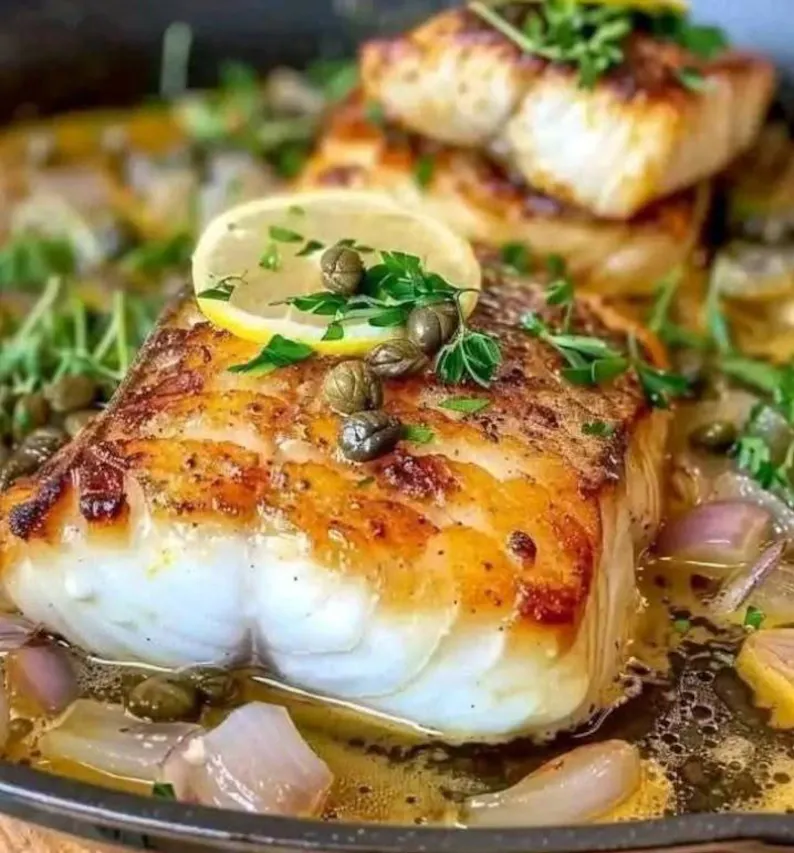
There’s something almost magical about perfectly pan seared cod—that crispy golden exterior giving way to tender, flaky fish underneath. It’s the kind of meal that makes you feel like you’re dining at a fancy seafood restaurant, except you’re standing in your kitchen wearing whatever passes for “dinner clothes” these days. This recipe delivers restaurant-quality results in just 15 minutes, with a garlic lemon herb sauce that’ll have everyone scraping their plates clean.
I learned this technique from a chef friend who insisted that most home cooks overcomplicate fish. He was right. This pan seared cod recipe uses simple ingredients you probably already have, minimal technique, and produces consistently spectacular results. Whether you’re feeding picky kids or trying to impress a date, this cod delivers.
Why This Pan Seared Cod Recipe Works
Let me be honest—I’ve ruined a lot of fish over the years. Overcooked, under-seasoned, stuck to the pan, you name it. This pan seared cod method eliminates all those problems with a few simple principles.
The technique is foolproof. Pan-searing creates a protective crust that locks in moisture. Unlike baking, where it’s easy to dry out fish, pan-searing gives you visual cues and immediate feedback. You can see and feel when the fish is ready.
Cod is the perfect fish for beginners. Cod is forgiving. Its natural oils and firm texture mean it’s harder to overcook than delicate fish like sole or flounder. The mild flavor accepts bold seasonings beautifully without being overwhelmed.
The sauce does double duty. That garlic lemon butter sauce isn’t just flavor—it also adds moisture and richness to keep the fish from seeming dry. Plus, it’s made in the same pan, so you’re not dirtying extra dishes.
It’s genuinely fast. When I say 15 minutes, I mean from seasoning to plating. This makes it perfect for busy weeknights when you want something impressive without the stress.
Essential Ingredients You’ll Need
For the Cod
Cod Fillets – 4 pieces (6 ounces each, about 1-inch thick) Look for fillets that are translucent and shiny with a mild ocean smell. Avoid any that look dried out, discolored, or smell strongly fishy. Fresh is ideal, but high-quality frozen cod works beautifully if thawed properly.
Salt and Black Pepper – For seasoning Don’t skip the salt—fish needs it to bring out its natural sweetness.
All-Purpose Flour (optional) – 2 tablespoons
A light dusting of flour helps create that gorgeous golden crust. It’s optional but highly recommended.
Olive Oil or Avocado Oil – 2 tablespoons You need an oil with a high smoke point for the hot pan. Avocado oil handles high heat slightly better than olive oil.
For the Garlic Lemon Herb Sauce
Unsalted Butter – 4 tablespoons Butter is non-negotiable here—it’s what makes the sauce luscious.
Garlic – 4 cloves, minced Fresh garlic only. Jarred minced garlic won’t give you the same aromatic punch.
Fresh Lemon Juice – 2 tablespoons (about 1 medium lemon) Fresh-squeezed is essential. Bottled lemon juice tastes flat and artificial.
Fresh Herbs – 2 tablespoons chopped (parsley, dill, or chives) Fresh herbs add brightness that dried herbs can’t match. Parsley is classic, dill is traditional with fish, chives add delicate onion flavor. Learn more about herb pairing techniques in our gourmet fish guide.
Lemon Zest (optional) – 1 teaspoon Adds extra lemon flavor without acidity.
💡 Pro Recommendation: For the best results, use this quality cast-iron skillet that holds heat perfectly and creates an even sear on your fish. Store your ingredients properly in this tackle organization system – yes, it works great for kitchen storage too!
How to Choose the Best Cod
Not all cod is created equal. Here’s what to look for:
Fresh vs Frozen
Fresh Cod: Look for fillets that are firm, translucent, and have a mild smell. The flesh should spring back when pressed gently. Avoid any with brown spots, drying edges, or strong fishy odor. If you’re near the coast, check out best ocean fishing locations for sourcing fresh fish directly.
Frozen Cod: Often flash-frozen on the boat, frozen cod can actually be fresher than “fresh” fish that’s been sitting on ice for days. Look for individually sealed portions with minimal ice crystals. Avoid anything with freezer burn or ice buildup.
Cod Varieties
Atlantic Cod – Mild, flaky, traditional choice. Currently overfished in some areas, so check sustainability.
Pacific Cod – Slightly firmer texture, equally mild flavor. More sustainable option in many regions.
Black Cod (Sablefish) – Not true cod but often marketed as such. Richer, butterier flavor and higher fat content. More expensive but spectacular.
For more details on different cod species and their characteristics, check out saltwater fish species guide.
Thickness Matters
For pan seared cod, aim for fillets that are 3/4-inch to 1-inch thick. Thinner fillets overcook before developing a good crust. Thicker fillets are more forgiving and easier to cook properly.
If your fillets are thinner than 3/4-inch, reduce cooking time to 2-3 minutes per side. For fillets over 1-inch, increase to 5-6 minutes per side.
Step-by-Step Cooking Instructions
Prep the Fish
Remove cod from refrigerator 15 minutes before cooking—fish cooks more evenly when starting at room temperature. Pat the fillets completely dry with paper towels. This is crucial. Any moisture prevents proper searing and creates steam instead of a crispy crust.
Season both sides generously with salt and black pepper. Don’t be timid—fish needs assertive seasoning. The salt penetrates the flesh and enhances the natural sweetness.
If using flour (recommended), sprinkle a thin, even layer on both sides of each fillet. Shake off any excess. You want a light dusting, not a thick coating.
Heat Your Pan Properly
Place a large skillet—preferably cast iron or heavy stainless steel—over medium-high heat. Let it preheat for 2-3 minutes until quite hot. To test, hover your hand 2 inches above the surface—you should feel strong heat.
Add the oil and swirl to coat the pan evenly. The oil should shimmer and move like water but not smoke. If it smokes, your pan is too hot—remove from heat for 30 seconds.
Sear the Fish
Carefully lay the cod fillets in the hot pan, presentation side down (the side that didn’t have skin). Space them at least 1 inch apart—overcrowding drops the pan temperature and you’ll steam instead of sear.
Do not touch the fish for 4 minutes. Seriously. Resist every urge to peek, poke, or flip. The fish needs undisturbed contact with the hot pan to develop that golden crust. You’ll see the edges turning opaque as it cooks.
After 4 minutes, use a thin metal spatula to gently lift one edge. If the fillet releases easily and you see a golden-brown crust, it’s ready to flip. If it sticks, give it another minute.
Flip each fillet carefully. The fish should be about halfway cooked at this point—you’ll see opaque flesh creeping up the sides with translucent fish still visible in the center.
Reduce heat to medium. Cook for another 3-4 minutes until the fish is just cooked through. The flesh should be opaque throughout and flake easily when pressed with a fork. Internal temperature should reach 135-145°F.
Transfer the cooked pan seared cod to a plate and tent loosely with foil while you make the sauce.
Make the Garlic Lemon Herb Sauce
Using the same pan (don’t wipe it—those browned bits are flavor!), reduce heat to medium-low. Add the butter and let it melt, swirling the pan.
Add minced garlic and cook for 30-45 seconds until fragrant but not browned. Garlic burns quickly and turns bitter, so watch carefully.
Remove pan from heat and add lemon juice. It will sizzle and bubble. Stir to incorporate all those browned bits from the bottom of the pan—this is where so much flavor lives.
Stir in your fresh herbs and lemon zest if using. Taste the sauce and adjust seasoning with a pinch of salt if needed.
Serve
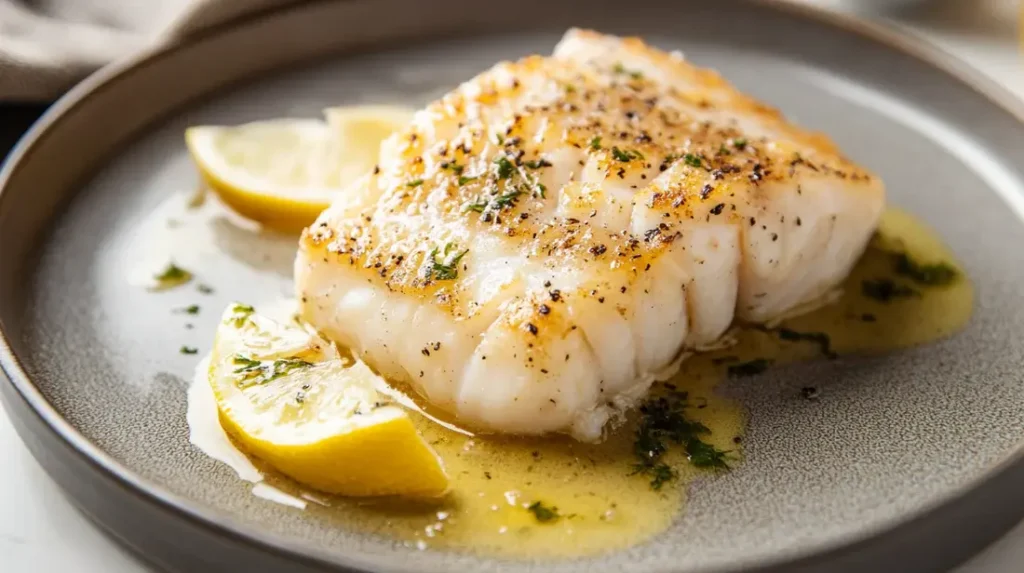
Return the cod to the pan and spoon the garlic lemon herb sauce over the top, or transfer fish to plates and drizzle sauce over each portion. Garnish with lemon wedges and additional fresh herbs if desired.
Serve immediately while the crust is still crispy and the fish is hot.
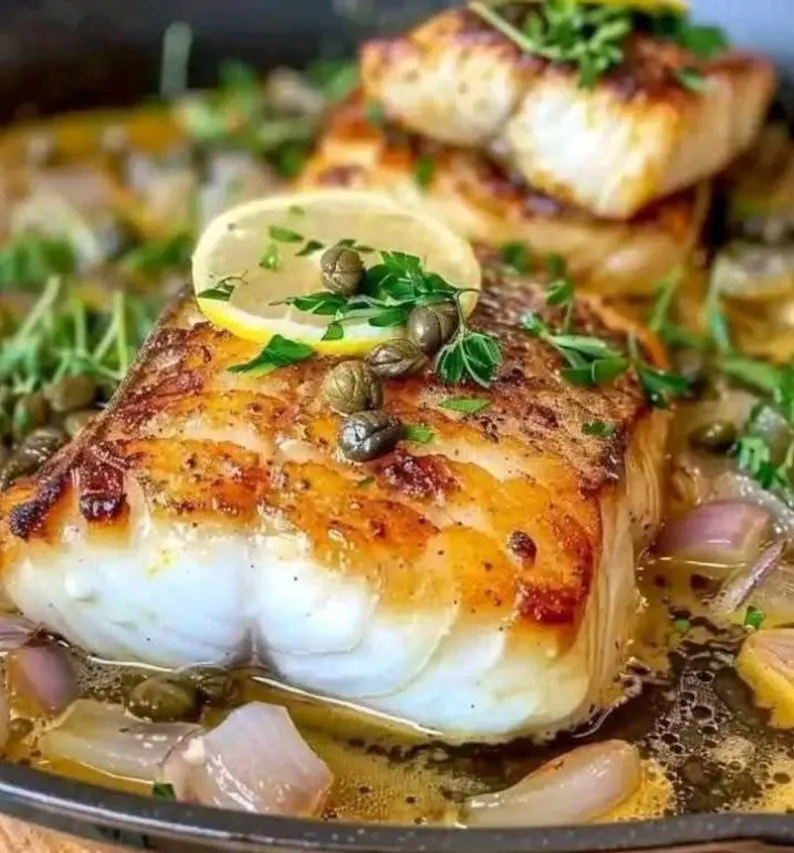
The Secret to Perfect Garlic Lemon Butter Sauce
The sauce is what transforms simple pan fried cod into something restaurant-worthy. Here are the keys:
Use the same pan. Those browned bits stuck to the bottom (the fond) contain concentrated flavor. When you deglaze with lemon juice, they dissolve into the sauce and add incredible depth.
Don’t let the garlic burn. Add it to melted butter over medium-low heat and cook just until fragrant. Burned garlic is acrid and ruins the sauce.
Remove pan from heat before adding lemon juice. This prevents excessive bubbling and gives you better control. The residual heat is enough to warm the lemon juice.
Add herbs at the end. Fresh herbs lose their vibrant flavor when cooked too long. Stirring them in off-heat preserves that bright, fresh taste.
Adjust to your preference. Want more garlic? Add another clove. Love lemon? Use an extra tablespoon of juice. Prefer dill over parsley? Swap it. This sauce is forgiving.
Sauce Variations
Caper Butter Sauce: Add 2 tablespoons drained capers with the lemon juice
White Wine Lemon Sauce: Replace half the lemon juice with dry white wine
Herb Butter: Double the herbs and add a pinch of red pepper flakes
Brown Butter Sauce: Let the butter cook until it smells nutty before adding garlic
How to Get That Golden Crust Every Time {#golden-crust}
The crispy, golden crust is what makes pan seared cod special. Here’s how to nail it consistently:
The Dry Surface Rule
This can’t be stressed enough—moisture is the enemy of crust. Pat your fish aggressively dry with paper towels. Then do it again. If you’ve salted the fish ahead of time (recommended), moisture will have accumulated on the surface. Dry it again right before cooking.
The Hot Pan Principle
Your pan needs to be properly hot before the fish hits it. Not warm. Not medium. Actually hot. The oil should shimmer and move like water. If you hear a satisfying sizzle when the fish makes contact, your temperature is right.
The Patience Factor
Don’t flip too early. The fish will stick until the crust develops enough to release naturally. If you try to flip and meet resistance, wait another 30-60 seconds. Forcing it will tear the crust.
The Flour Advantage
That optional flour dusting isn’t just suggestion—it really does improve the crust. The flour absorbs any remaining surface moisture and caramelizes in the hot pan, creating better browning and texture.
The Space Requirement
Overcrowding the pan drops its temperature dramatically. Fish releases moisture as it cooks, and if fillets are too close together, they’ll steam instead of sear. Cook in batches if necessary.
Common Mistakes and How to Avoid Them {#common-mistakes}
Mistake 1: Using Wet Fish
I see this constantly. People rinse their fish under water, pat it half-heartedly with a towel, and wonder why it doesn’t brown properly. The solution? Pat dry thoroughly, multiple times if necessary.
Mistake 2: Moving the Fish Too Soon
That instinct to poke, flip, and adjust is hard to resist. But disturbing the fish prevents crust development. Set a timer for 4 minutes and walk away from the stove if you have to.
Mistake 3: Cooking Straight from the Fridge
Cold fish hits hot pan, pan temperature drops, fish doesn’t sear properly. Take your fish out 15 minutes before cooking so it can come closer to room temperature.
Mistake 4: Using the Wrong Pan
Thin, lightweight pans can’t maintain steady high heat. When you add cold fish, the temperature plummets and you get steaming instead of searing. Use a heavy pan—cast iron or thick stainless steel.
Mistake 5: Overcooking
Cod goes from perfectly cooked to rubbery in about 60 seconds. Pull it when it’s just barely opaque in the center—carryover cooking will finish it. Better slightly underdone than overdone.
Mistake 6: Skipping the Sauce
Naked pan seared cod is fine, but the garlic lemon butter sauce takes it from fine to fantastic. It takes 2 minutes to make and uses the same pan. Don’t skip it.
Best Side Dishes for Pan Seared Cod
Pan seared cod pairs beautifully with sides that complement rather than compete with its delicate flavor.
Classic Sides
Roasted Asparagus – The classic fish pairing. Roast at 425°F for 12-15 minutes with olive oil, salt, and pepper.
Garlic Mashed Potatoes – Creamy, comforting, and perfect for soaking up that lemon butter sauce.
Rice Pilaf – Light, fluffy rice with herbs absorbs the sauce without overwhelming the fish.
Steamed Green Beans – Simple, healthy, and quick. Check our healthy grilled recipes for more vegetable ideas.
Fresh and Light Options
Arugula Salad – Peppery greens with lemon vinaigrette provide nice contrast to rich fish.
Cucumber Tomato Salad – Refreshing and takes 5 minutes to make. Perfect for summer meals.
Quinoa Salad – Protein-packed and filling while still feeling light. Try our healthy fish recipes for more nutritious options.
Coleslaw – Crunchy, tangy slaw cuts through the richness of the butter sauce.
Heartier Options
Roasted Potatoes – Crispy on the outside, fluffy inside. Season with rosemary and garlic.
Creamy Polenta – Luxurious and pairs beautifully with the lemon sauce.
Pasta with Garlic Oil – Simple pasta lets the fish shine while adding substance. Browse our top 25 grilled recipes for more pairing ideas.
Risotto – Creamy risotto is elegant alongside pan-seared fish.
For a complete meal, I typically serve pan seared cod with one starch (potatoes, rice, or pasta) and one vegetable or salad. This creates a balanced plate without overwhelming the star of the show.
Recipe Variations and Substitutions
Different Fish Options
Can’t find cod or want to try something different?
Halibut – Similar texture, slightly sweeter flavor. Premium choice.
Haddock – Very similar to cod. Often cheaper and equally delicious.
Tilapia – More affordable option. Slightly thinner, so reduce cooking time by 1 minute per side.
Sea Bass – Buttery and rich. Delicious but pricey. Check out our pan-seared sea bass recipe for a gourmet version.
Mahi Mahi – Firmer texture, slightly sweet flavor. See our full blackened mahi mahi recipe for another cooking method.
Salmon – Completely different flavor profile but the technique works identically. Browse our salmon recipes for more ideas.
Seasoning Variations
Mediterranean: Season with oregano, thyme, and finish with kalamata olives and cherry tomatoes
Asian-Inspired: Use sesame oil for cooking, finish with soy sauce, ginger, and scallions
Cajun: Coat in Cajun seasoning before pan-searing (check out our blackened fish technique)
Italian: Add capers, sun-dried tomatoes, and basil to the butter sauce
Spanish: Finish with smoked paprika, saffron, and roasted red peppers
Sauce Alternatives
Tomato Basil Sauce: Skip the lemon butter, make a quick pan sauce with tomatoes, garlic, and fresh basil
Cream Sauce: Add 1/4 cup heavy cream to the butter sauce for richness
Herb Pesto: Top finished fish with fresh basil or parsley pesto
Mango Salsa: Skip the sauce entirely and top with fresh mango salsa. Check our grilled swordfish with mango salsa for inspiration.
Storage and Reheating Tips
Storing Cooked Pan Seared Cod
Refrigerator: Place cooled fish in an airtight container. Store for up to 3 days. The crust will soften during storage, but the fish remains delicious.
Freezer: Wrap individual portions tightly in plastic wrap, then aluminum foil. Freeze for up to 2 months. Label with the date.
Pro Tip: Store the fish separate from the sauce. Sauce can be refrigerated in a separate container for up to 4 days.
Reheating Without Drying Out
Oven Method (Best): Preheat oven to 275°F. Place fish on a baking sheet, cover loosely with foil. Heat for 10-12 minutes until warmed through. This preserves texture better than microwave.
Skillet Method: Heat a dry skillet over medium-low heat. Add fish and cover. Heat for 3-4 minutes, flipping once. This can re-crisp the exterior slightly.
Microwave (Quick but Compromised): Use 50% power. Heat in 30-second intervals until warm. The texture won’t be as good, but it works when you’re pressed for time.
Using Leftover Pan Seared Cod
Fish Tacos: Flake the cod and pile into tortillas with cabbage slaw and crema
Fish Salad: Flake over mixed greens with vegetables and vinaigrette
Fish Cakes: Mix flaked cod with mashed potatoes, form into patties, and pan-fry
Pasta Addition: Toss flaked fish with pasta, vegetables, and olive oil
Fish Sandwich: Layer on crusty bread with lettuce, tomato, and tartar sauce
Frequently Asked Questions
How long should I cook pan seared cod?
For fillets that are 3/4 to 1-inch thick, cook 4 minutes on the first side and 3-4 minutes on the second side. The fish is done when it’s opaque throughout and flakes easily with a fork, reaching an internal temperature of 135-145°F. Thinner fillets need less time (2-3 minutes per side), while thicker pieces need more (5-6 minutes per side).
Can I use frozen cod for pan searing?
Yes, but thaw it completely first. Place frozen cod in the refrigerator overnight to thaw slowly. Once thawed, pat extremely dry with paper towels—frozen fish releases extra moisture. Never cook from frozen; the timing will be off and you won’t get a proper sear.
Why is my pan seared cod sticking to the pan?
Common causes: (1) Pan wasn’t hot enough before adding fish, (2) Fish wasn’t dried properly, (3) You tried to flip too early before the crust developed, or (4) Not enough oil in the pan. Make sure your pan is properly preheated and the fish is bone-dry before cooking.
How do I know when cod is done cooking?
The flesh should be opaque white throughout (no translucent areas), flake easily when pressed with a fork, and reach 135-145°F on an instant-read thermometer. The fish should feel firm but not hard. If it’s rubbery, you’ve overcooked it.
Can I make this recipe without butter?
Yes. Use olive oil or another cooking oil for the sauce instead. The flavor will be different (lighter, less rich) but still delicious. You can also use ghee for a butter-like flavor without dairy.
What’s the best pan for searing cod?
A heavy-bottomed pan that retains heat well—cast iron or thick stainless steel are ideal. Non-stick pans work but can’t handle the high heat needed for the best sear. The pan should be heavy enough that it doesn’t cool down dramatically when you add cold fish. For more on essential cooking equipment, check our best pans for cooking fish guide.
Should I use fresh or frozen cod?
Fresh is slightly better for flavor and texture, but high-quality frozen cod works great. Frozen cod is often flash-frozen right on the boat, making it sometimes “fresher” than fresh fish that’s been sitting on ice. The key is proper thawing—slowly in the refrigerator overnight.
Can I add flour to the cod before searing?
Yes! A light dusting of flour helps create a better crust and adds texture. Pat the fish dry, season with salt and pepper, then lightly dust both sides with flour. Shake off excess before adding to the hot pan.
How do I prevent my cod from falling apart?
Choose thicker fillets (3/4-inch minimum), pat them completely dry, don’t move them while cooking, use a thin metal spatula to flip, and avoid overcooking. Overcooked fish becomes fragile and falls apart easily.
What sides go best with pan seared cod?
Light, fresh sides work beautifully: roasted asparagus, garlic mashed potatoes, rice pilaf, arugula salad, or quinoa salad. Avoid heavy, competing flavors that overpower the delicate fish.
There you have it—everything you need to know about making restaurant-quality pan seared cod at home. The technique is simple once you understand the principles, and the results are consistently impressive.
What I love most about this recipe is its versatility. Make it exactly as written for a classic preparation, or use it as a foundation for endless variations. Add different herbs, swap the lemon for lime, throw in some capers—the basic pan-searing technique remains the same while the flavors can change with your mood or what’s in your fridge.
The first time I made this for my notoriously picky brother-in-law (who claims to hate fish), he finished his entire portion and asked for seconds. When someone who “doesn’t like fish” scrapes their plate clean, you know you’ve got a winner.
Don’t let fish intimidate you. This pan seared cod recipe is actually easier than it seems, and the margin for error is wider than you think. Yes, there are a few key principles to follow, but once you nail it once, you’ll have this in your regular dinner rotation.
Now grab some cod, heat up that trusty skillet, and make dinner happen. Your kitchen is about to smell amazing. 🐟
Print Recipe
Pan-Seared Cod with Garlic Lemon Herb Sauce
Prep Time: 5 minutes
Cook Time: 10 minutes
Total Time: 15 minutes
Servings: 4
Cuisine: American, Mediterranean
Category: Main Course
Ingredients
For the Cod:
- 4 cod fillets (6 oz each, 1-inch thick)
- Salt and black pepper to taste
- 2 Tbsp all-purpose flour (optional)
- 2 Tbsp olive oil or avocado oil
For the Garlic Lemon Herb Sauce:
- 4 Tbsp unsalted butter
- 4 cloves garlic, minced
- 2 Tbsp fresh lemon juice
- 2 Tbsp fresh chopped herbs (parsley, dill, or chives)
- 1 tsp lemon zest (optional)
- Salt to taste
Instructions
- Pat cod fillets completely dry with paper towels. Season both sides with salt and pepper. Lightly dust with flour if using.
- Heat oil in a large skillet over medium-high heat until shimmering.
- Add cod fillets, spacing them apart. Cook undisturbed for 4 minutes until golden brown.
- Flip carefully and cook 3-4 minutes more until fish is opaque and flakes easily. Remove to a plate.
- Reduce heat to medium-low. Add butter and let melt.
- Add garlic and cook 30-45 seconds until fragrant (don’t let it brown).
- Remove from heat. Add lemon juice and stir to incorporate browned bits.
- Stir in herbs and lemon zest. Taste and adjust seasoning.
- Return fish to pan and spoon sauce over top, or plate fish and drizzle sauce over each portion.
- Serve immediately with lemon wedges.
Notes
- Fish should be 3/4 to 1-inch thick for best results
- Don’t skip drying the fish—it’s crucial for a good sear
- Fresh lemon juice and herbs make a big difference
- Internal temperature should reach 135-145°F
Nutrition (per serving): 280 calories, 36g protein, 14g fat, 3g carbs
Related Recipes:
1 thought on “Pan Seared Cod with Garlic Lemon Herb Sauce – Weeknight Wonder”