
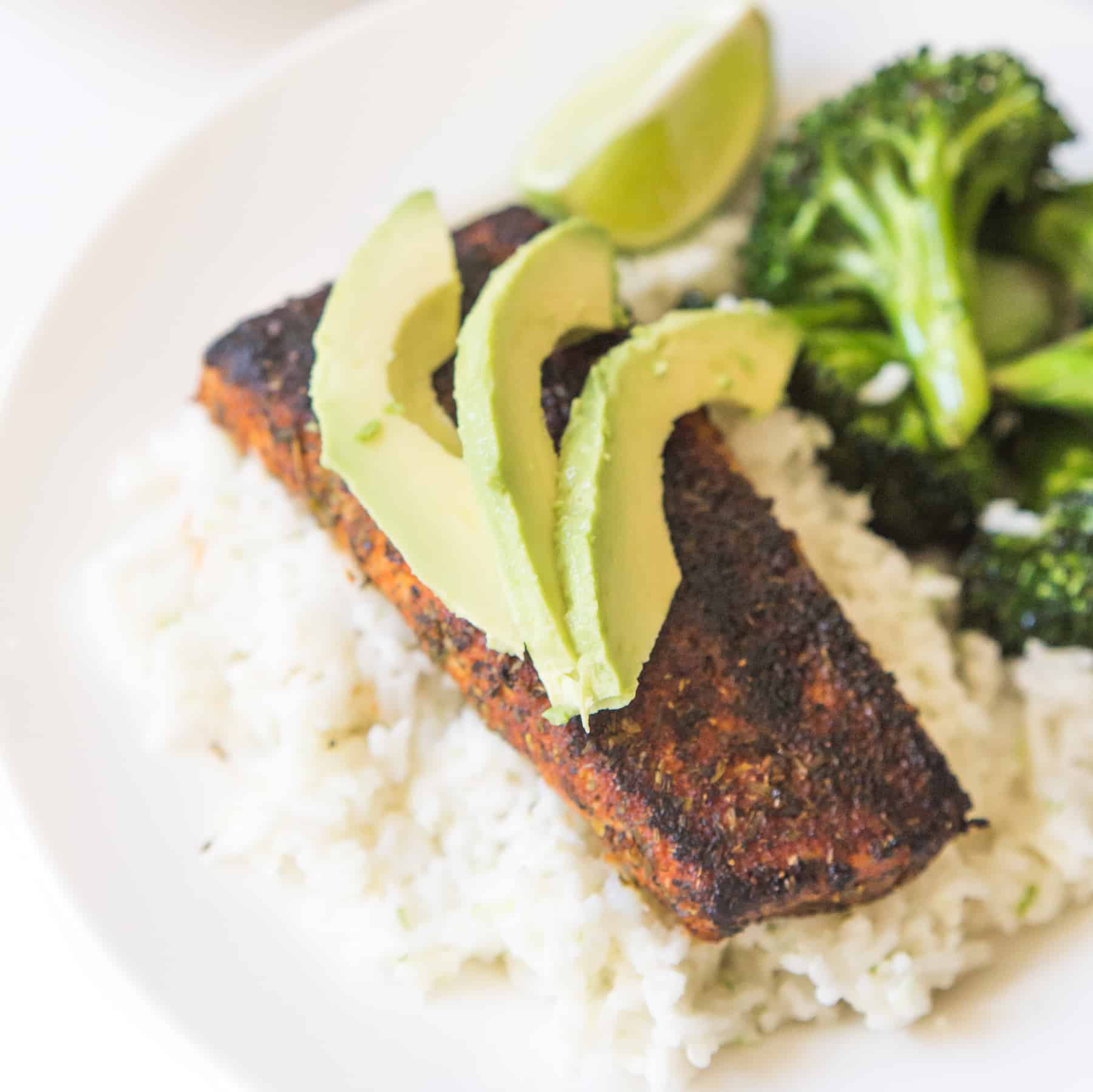
There’s something magical about a perfectly blackened mahi mahi fillet—that gorgeous dark crust hiding tender, flaky fish underneath. The kind of meal that makes you feel like you’re dining at a fancy coastal restaurant, except you’re standing in your own kitchen wearing sweatpants. I discovered this recipe after a beach vacation left me desperately craving that Cajun-spiced fish back home, and I’m thrilled to report it’s ridiculously easy to recreate.
This blackened fish recipe takes just 15 minutes from start to finish, requires basic pantry spices, and transforms mild mahi mahi into something spectacular. Whether you’re cooking for a weeknight dinner or trying to impress guests, this is the recipe you need.
Why This Blackened Mahi Mahi Recipe Works
Listen, I’ve tried a lot of fish recipes over the years. Some were complicated affairs involving multiple pans and ingredient lists longer than my grocery receipt. This blackened mahi mahi recipe is not that. It’s the kind of recipe that makes you look like a culinary genius while requiring minimal effort.
Blackened mahi mahi works because:
The fish itself is perfect for blackening. Mahi mahi has a firm, meaty texture that holds up beautifully to high heat. Unlike delicate fish that falls apart when you look at it wrong, mahi mahi stays intact through the searing process.
The spice blend does double duty. It creates that signature dark crust while infusing the fish with bold Cajun flavor. The spices caramelize in the hot pan, developing complex flavors you just can’t get any other way.
It’s genuinely fast. When I say 15 minutes, I mean it. Pat the fish dry, press on the seasoning, sear for a few minutes per side, and you’re done. This is faster than most takeout delivery.
It’s hard to mess up. The visual cues are obvious—when the crust looks dark and the fish flakes easily, it’s ready. You don’t need a thermometer or complicated timing calculations.
What Is Blackening and How Does It Work
Blackening is a Southern cooking technique popularized by New Orleans chef Paul Prudhomme in the 1980s. It involves coating protein (usually fish) in a butter-based spice mixture and cooking it in an extremely hot cast-iron skillet.
The “blackened” appearance comes from the spices caramelizing and toasting in the high heat—not from burning. Think of it as controlled charring that creates incredible flavor. The exterior gets crispy and intensely seasoned while the interior stays tender and moist.
Key elements of blackening:
- High heat – Your pan needs to be smoking hot
- Butter and oil – Creates the crust and prevents sticking
- Generous seasoning – You need a thick coating of spices
- Quick cooking – High heat means fast cooking times
The technique works beautifully with mahi mahi because the fish is substantial enough to withstand aggressive heat without falling apart or drying out.
Essential Ingredients You’ll Need
For the Fish
Mahi Mahi Fillets – 4 fillets (6 ounces each, about 1/2-inch thick) Fresh is ideal, but high-quality frozen works great. Mahi mahi is sometimes labeled as “dorado” or “dolphinfish” (though it’s not related to dolphins at all—it’s just confusing naming). Look for fillets with a pale pink color and no fishy smell.
Unsalted Butter – 2 tablespoons Adds richness and helps create that gorgeous crust. The butter browns alongside the spices, adding nutty flavor.
Olive Oil or Avocado Oil – 1 tablespoon
Prevents the butter from burning at high heat. Avocado oil has a higher smoke point, making it slightly better for this application.
For the Blackening Seasoning
Smoked Paprika – 2 teaspoons Provides that signature smoky flavor and deep red color. Don’t substitute regular paprika—smoked is essential here.
Garlic Powder – 1 teaspoon Adds savory depth without the moisture fresh garlic would introduce.
Onion Powder – 1 teaspoon Complements the garlic and adds sweetness.
Dried Oregano – 1 teaspoon Brings herby, slightly bitter notes that balance the other spices.
Dried Thyme – 1 teaspoon Another herb that’s traditional in Cajun seasoning blends.
Cayenne Pepper – 1/2 teaspoon (adjust to taste) Brings the heat. Start with less if you’re sensitive to spice.
Black Pepper – 1/2 teaspoon Adds bite and complexity.
Salt – 1 teaspoon Essential for bringing out all the other flavors.
For Serving
Fresh Lemon or Lime Wedges The acid is non-negotiable. It cuts through the richness and makes everything taste brighter.
Fresh Parsley (optional) A sprinkle adds color and freshness.
💡 Pro Recommendation: Looking for the perfect cookware? I use this cast iron skillet for all my blackened fish recipes—it’s inexpensive, holds heat beautifully, and lasts forever.
The Perfect Blackening Seasoning Blend
The blackening seasoning is what transforms ordinary mahi mahi into something extraordinary. While you can buy pre-made Cajun seasoning, making your own takes about 30 seconds and tastes infinitely better.
Homemade Blackening Seasoning Recipe
Combine in a small bowl:
- 2 tsp smoked paprika
- 1 tsp garlic powder
- 1 tsp onion powder
- 1 tsp dried oregano
- 1 tsp dried thyme
- 1/2 tsp cayenne pepper
- 1/2 tsp black pepper
- 1 tsp salt
This makes enough for 4 fillets with generous coverage. Double or triple the recipe to keep extra on hand—it’s fantastic on grilled chicken, shrimp, or even roasted vegetables.
Heat level adjustment:
- Mild: Use 1/4 teaspoon cayenne
- Medium: 1/2 teaspoon cayenne (as written)
- Hot: 3/4 to 1 teaspoon cayenne
- Extra hot: Add 1/4 teaspoon chipotle powder along with the full cayenne
Store extra seasoning in an airtight container for up to 6 months. Label it clearly because that reddish-brown powder looks suspiciously similar to several other spices in your cabinet.
Step-by-Step Cooking Instructions
Prepare the Fish
Start with completely thawed fish if using frozen. Pat the mahi mahi fillets bone-dry with paper towels. This is not optional—any moisture will prevent the seasoning from adhering properly and create steam instead of a crispy crust.
Inspect the fillets and remove any remaining skin. If you notice a dark red or brown line running through the center (the bloodline), you can cut it out, though it’s not necessary. Some people find it has a stronger fishy taste.
Season Generously
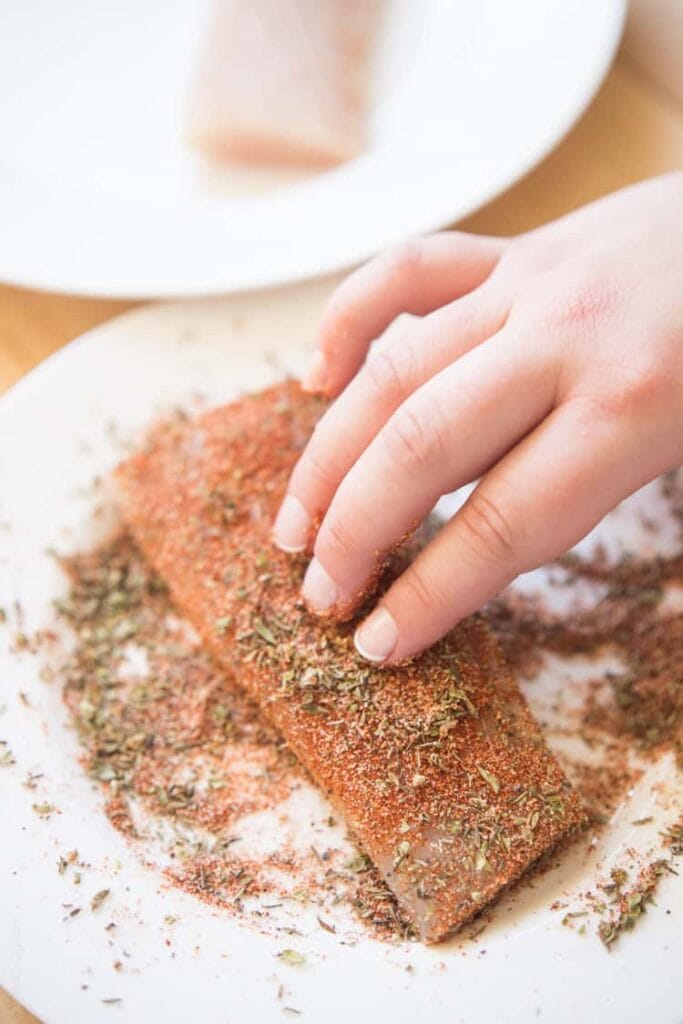
Mix your blackening spices in a small bowl. Pour the mixture onto a shallow plate or cutting board—this makes coating easier than trying to sprinkle from a bowl.
Press each fillet into the seasoning mixture, coating both sides thoroughly. Use your hands to pat the spices into the fish, ensuring they stick. Don’t be shy here—you want a generous, visible coating. The fish should look almost alarmingly spice-crusted.
Wash your hands immediately after handling raw fish. This seems obvious but bears repeating.
Heat Your Pan Properly
Place your cast-iron skillet over medium-high to high heat. Let it heat for 3-4 minutes until it’s genuinely hot—you should see wisps of smoke when you hold your hand above it.
Add the butter and oil to the hot pan. They should sizzle immediately. Swirl to coat the pan evenly. Wait about 30 seconds for the butter to melt completely and just start to brown.
Critical note: Turn on your exhaust fan and open a window. Blackening creates smoke—that’s part of the process. It’s not burning, it’s just the spices toasting. But your smoke alarm doesn’t know the difference, so ventilate well.
Sear the Fish
Carefully place the seasoned mahi mahi fillets in the hot pan. They should sizzle dramatically on contact. If they don’t, your pan wasn’t hot enough.
Cook undisturbed for 3-4 minutes. Resist the urge to peek, poke, or flip early. The fish needs time to develop that dark crust. You’ll see the edges turning opaque as it cooks.
Using a thin metal spatula (a fish spatula works best), carefully flip each fillet. The bottom should be dark brown to black—that’s what you want. Cook for another 3-4 minutes on the second side.
The fish is done when:
- It flakes easily when gently pressed with a fork
- The flesh is opaque throughout
- It registers 137-145°F on an instant-read thermometer (if you want to be precise)
Rest and Serve
Transfer the cooked blackened mahi mahi to plates. Let it rest for about 1 minute—this allows the juices to redistribute.
Squeeze fresh lemon or lime juice generously over each fillet just before serving. This final hit of acid is essential—it brightens all those bold spices and adds moisture.
Garnish with fresh parsley if using, and serve immediately while the crust is still at peak crispiness.
Cast Iron vs Regular Skillet
Everyone says you need cast iron for authentic blackened mahi mahi, but is it actually necessary? Here’s the honest truth:
Cast iron is best because:
- Retains high heat even when you add cold fish
- Creates the most authentic crust texture
- Is traditional for this cooking method
- Develops better fond (those flavorful brown bits)
But a heavy-bottomed stainless steel pan works if that’s what you have. The crust won’t be quite as intense, but it’ll still taste great. Just make sure it’s heavy-gauge—thin pans can’t maintain the necessary heat.
Don’t use:
- Nonstick pans (they can’t handle the required heat safely)
- Lightweight aluminum pans (heat distribution is too uneven)
- Your favorite pan that you don’t want smoke-damaged
If you’re serious about blackening fish regularly, invest in a good cast-iron skillet. It’s affordable, versatile, and will last longer than you will.
How to Tell When Mahi Mahi Is Done
Overcooking is the number one way people ruin mahi mahi. This fish goes from perfectly flaky to disappointingly rubbery quickly. Here’s how to nail the timing:
Visual Cues
The flesh color changes from translucent pink to opaque white/cream. You can see this happening from the sides as the fish cooks—an opaque ring forms around the edges and gradually works toward the center.
The fish flakes easily. Gently press the top with a fork. If it separates into natural flakes without resistance, it’s done. If it feels mushy or dense, give it another minute.
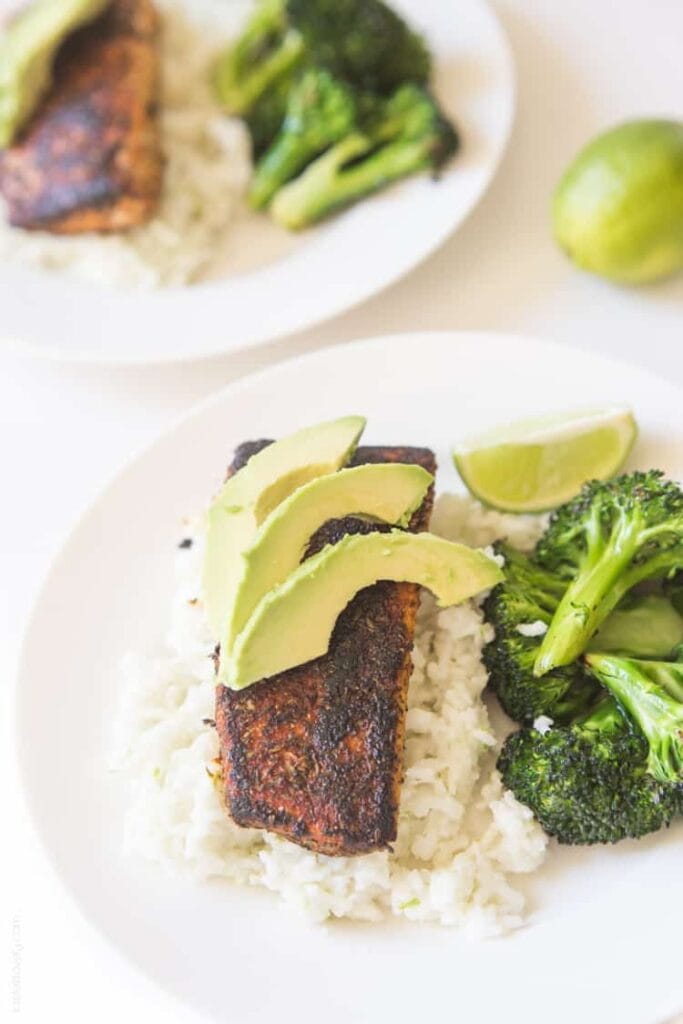
The crust is dark. You want deep brown to black coloring from the spices. If it’s still light brown, the fish isn’t done.
Temperature Method
If you want to be scientific about it, blackened mahi mahi is perfectly cooked at:
- 137°F – Moist and slightly translucent in the very center (my preference)
- 145°F – USDA recommended temperature, fully opaque throughout
Use an instant-read thermometer inserted into the thickest part of the fillet. Remember that carryover cooking will add another 2-3 degrees after you remove it from heat.
Timing Guidelines
For 1/2-inch thick fillets:
- 3-4 minutes first side
- 3-4 minutes second side
For 3/4-inch thick fillets:
- 4-5 minutes first side
- 3-4 minutes second side
Thicker fillets take longer, but I don’t recommend going over 1 inch thick for blackening—they’ll burn on the outside before cooking through.
Recipe Variations and Substitutions
Different Fish Options
Can’t find mahi mahi? These substitutions work beautifully with the same blackening technique:
Cod – Mild, flaky, widely available, and affordable. Slightly less firm than mahi mahi but still excellent.
Halibut – Premium choice with a buttery texture. More expensive but worth it for special occasions.
Grouper – Firm and meaty, similar to mahi mahi. Can be pricey depending on your location.
Snapper – Slightly more delicate but delicious blackened. Reduce cooking time by 1 minute per side.
Tilapia – Budget-friendly option. Thinner fillets cook faster (2-3 minutes per side).
Salmon – Works but changes the flavor profile significantly. The oily richness is quite different from white fish.
Cooking Method Variations
Oven-Blackened Method: Preheat oven to 425°F. Sear seasoned fish in an oven-safe skillet for 2 minutes per side, then transfer to oven for 5-7 minutes. Good for thicker fillets.
Grilled Blackened Mahi Mahi: Heat grill to high. Oil the grates well. Cook seasoned fish directly on grates or in a cast-iron skillet on the grill, 3-4 minutes per side. Excellent for outdoor cooking.
Air Fryer Method: Preheat air fryer to 400°F. Spray seasoned fish lightly with oil. Cook 8-10 minutes (no need to flip). Less smoky but also less crusty.
Broiler Method: Position rack 6 inches from broiler. Place seasoned fish on oiled baking sheet. Broil 4-5 minutes per side. Watch carefully to prevent burning.
Seasoning Variations
Spicier Cajun Blend: Add 1/4 tsp chipotle powder and increase cayenne to 3/4 tsp.
Lemon-Herb Blackening: Replace half the Cajun spices with lemon zest, dill, and extra thyme for a brighter profile.
Jerk-Style: Swap the seasoning for jerk seasoning—allspice, thyme, Scotch bonnet pepper for Caribbean flair.
Old Bay Blackened: Use Old Bay seasoning instead for a Maryland-style version.
Dietary Modifications
Dairy-Free: Replace butter with additional oil or use plant-based butter substitute.
Low-Sodium: Make your own seasoning blend and reduce or eliminate added salt.
Keto/Low-Carb: Already perfect! Serve with cauliflower rice and green vegetables.
Paleo: Use ghee instead of butter for strict paleo compliance.
Storage and Reheating Tips
Storing Cooked Blackened Mahi Mahi
Refrigerator Storage: Place cooled fish in an airtight container. Store for up to 3 days. The crust will soften during storage, but the flavor remains excellent.
Freezer Storage: Wrap individual portions tightly in plastic wrap, then aluminum foil. Freeze for up to 2 months. Thaw overnight in refrigerator before reheating.
Pro tip: Store the fish separate from any wet sides (like salsa) to prevent the crust from getting soggy.
Best Reheating Methods
Oven Method (Best): Preheat oven to 300°F. Place fish on a baking sheet, cover loosely with foil. Heat for 10-12 minutes until warmed through. This preserves texture better than microwave.
Skillet Method: Heat a dry skillet over medium-low. Add fish and cover. Heat for 3-4 minutes, flipping once. This can crisp up the crust again.
Microwave (Quick but Compromised): Use 50% power. Heat in 30-second intervals until warm. The texture won’t be as good, but it works in a pinch.
What NOT to do: Don’t reheat blackened fish at high heat—it’ll dry out quickly. Always reheat gently.
Using Leftover Blackened Mahi Mahi
Fish Tacos – Flake the fish and pile into tortillas with slaw and crema. Outstanding.
Fish Salad – Flake over mixed greens with citrus vinaigrette.
Fish Sandwich – Layer on a toasted bun with lettuce, tomato, and tartar sauce.
Rice Bowl – Serve over rice with avocado, black beans, and salsa.
Pasta Addition – Flake into cream-based pasta for easy seafood pasta.
Blackened Mahi Mahi Tacos Recipe
One of the absolute best uses for blackened mahi mahi is tacos. The spicy fish, cool toppings, and tangy sauces create perfect bite after perfect bite.
Quick Blackened Mahi Mahi Tacos
For the Tacos:
- Blackened mahi mahi (prepared as above), broken into chunks
- 8 small corn or flour tortillas, warmed
- 2 cups shredded cabbage
- 1 avocado, sliced
- 1/4 cup diced red onion
- Fresh cilantro
- Lime wedges
For the Crema:
- 1/2 cup sour cream
- 2 tablespoons mayonnaise
- 1 tablespoon lime juice
- 1/2 teaspoon garlic powder
- Salt to taste
Assembly:
- Mix crema ingredients and refrigerate
- Prepare blackened mahi mahi as directed, break into chunks
- Warm tortillas in dry skillet
- Build tacos: fish, cabbage, avocado, onion, cilantro, drizzle of crema
- Serve with lime wedges
Pro upgrade: Add mango salsa or pineapple salsa for incredible tropical flavor.
For the complete taco experience, check out our full fish tacos recipe guide.
Frequently Asked Questions
What does blackened mahi mahi taste like?
Blackened mahi mahi has a bold, smoky, slightly spicy flavor from the Cajun seasoning. The fish itself is mild and slightly sweet, with a firm, meaty texture. The contrast between the intensely flavored crust and tender interior is what makes it special.
Is blackened fish healthy?
Yes! Blackened mahi mahi is quite healthy. Mahi mahi is lean, high in protein (about 40g per 6oz fillet), and rich in vitamins B12 and B6. The blackening seasoning adds minimal calories. The main indulgence is the butter used for searing, but it’s a modest amount spread across 4 servings.
Mahi mahi is considered moderate in mercury, so the FDA recommends eating it 2-3 times per week maximum.
Can I make blackened mahi mahi less spicy?
Absolutely. Reduce the cayenne pepper to 1/4 teaspoon or omit it entirely. The other spices (paprika, garlic, onion, oregano, thyme) provide plenty of flavor without heat. You’ll still get that characteristic blackened appearance and taste.
Why is my blackened fish sticking to the pan?
Common causes: (1) Pan wasn’t hot enough before adding fish, (2) Not enough oil/butter in pan, (3) Moving the fish too soon before crust develops, (4) Fish wasn’t patted completely dry. Make sure your pan is smoking hot and resist the urge to flip too early.
Can I use frozen mahi mahi for this recipe?
Yes, but thaw it completely first. Place frozen fillets in refrigerator for 24 hours to thaw slowly. Once thawed, pat exceptionally dry with paper towels—frozen fish releases more moisture. Never cook from frozen for this recipe; the timing will be off and you won’t get a proper crust.
What’s the difference between blackened and Cajun seasoning?
They’re very similar, almost identical. “Blackened” refers to both the cooking technique and the seasoning blend. Cajun seasoning is slightly spicier on average and may include paprika varieties beyond smoked. For practical purposes, they’re interchangeable in this blackened mahi mahi recipe.
How do I prevent my kitchen from getting too smoky?
Blackening creates smoke—it’s unavoidable. To manage it: (1) Turn on your exhaust fan before you start, (2) Open windows, (3) Consider cooking outdoors on a side burner if you have one, (4) Use slightly lower heat (medium-high vs high), though this reduces crust development. The smoke alarm issue is real, so plan accordingly.
Can I prep the seasoned fish ahead of time?
You can season the fish up to 2 hours ahead and refrigerate. This actually helps the flavors penetrate. Pat dry again before cooking if any moisture has accumulated. Don’t season more than 2 hours ahead—the salt will start to cure the fish and change the texture.
What should I serve with blackened mahi mahi for a complete meal?
I typically serve it with a starch (rice, grits, or potatoes), a vegetable (roasted asparagus, green beans, or slaw), and something acidic (salsa or lemon). This creates a balanced plate. Check the side dishes section above for specific recommendations.
Can I use this blackening seasoning on other proteins?
Absolutely! This blend is fantastic on chicken breasts, shrimp, scallops, pork chops, or even tofu. Adjust cooking times based on the protein’s thickness and density.
There you have it—everything you need to know about making restaurant-quality blackened mahi mahi at home. The technique is straightforward, the ingredient list is manageable, and the results are consistently impressive.
What I love most about this recipe is its versatility. Serve it as an elegant plated dinner with grits and vegetables. Transform it into casual tacos for Taco Tuesday. Flake it over salad for a lighter meal. However you serve it, that boldly seasoned, perfectly seared fish delivers every single time.
The first time I made this, I was genuinely shocked at how restaurant-quality it tasted. My husband kept asking what I’d done differently, convinced I’d added some secret ingredient. Nope—just good fish, bold spices, and high heat. Sometimes the simplest recipes are the best ones.
If you’re looking to expand your seafood repertoire beyond the usual suspects, blackened mahi mahi is the perfect place to start. It’s approachable enough for beginners but impressive enough for experienced cooks. Plus, it’s legitimately fast—you’ll have dinner on the table before most delivery options would even arrive.
Make sure you’ve got your ventilation sorted, don’t skimp on the seasoning, and trust that dark crust. Your kitchen might get a little smoky, but your taste buds will thank you.
Now if you’ll excuse me, I have leftover blackened mahi mahi calling my name. Taco assembly begins in 5 minutes. 🌮
Print Recipe
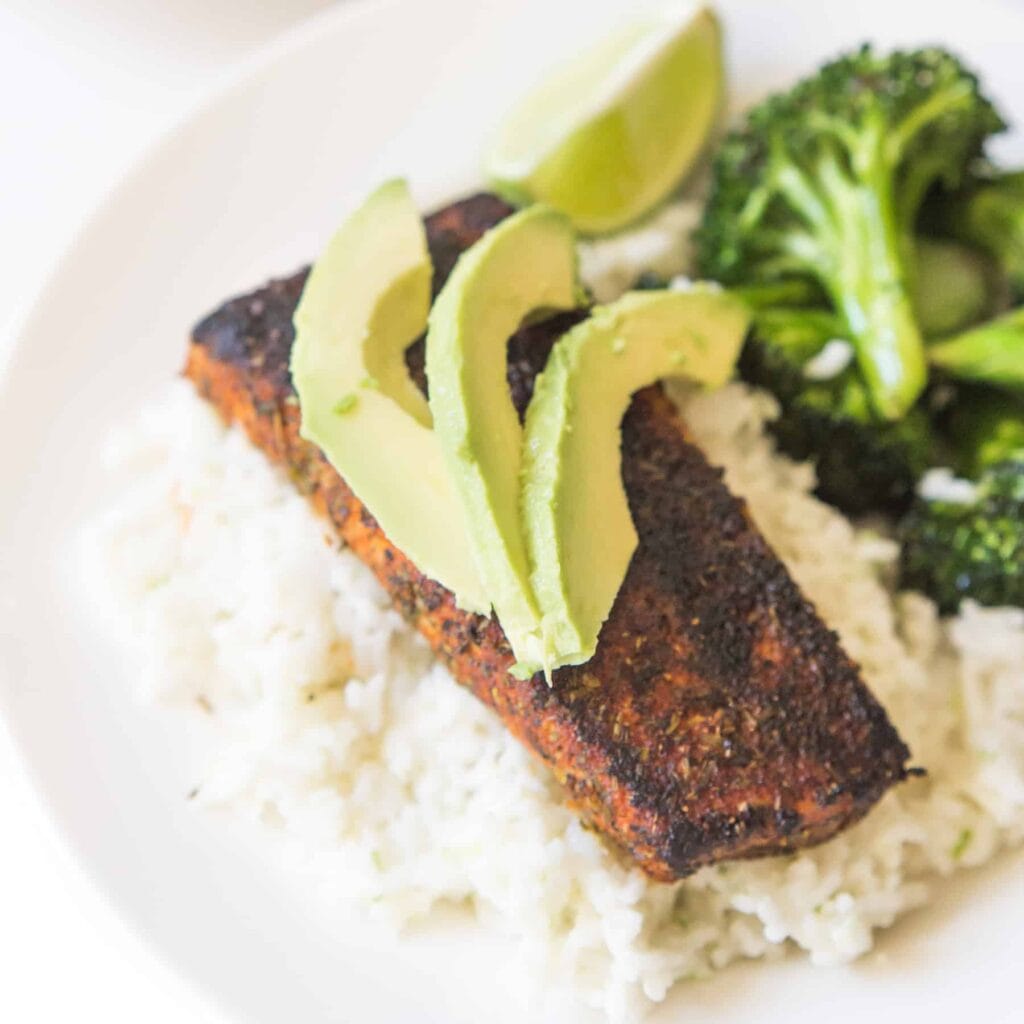
Blackened Mahi Mahi
Prep Time: 5 minutes
Cook Time: 8-10 minutes
Total Time: 15 minutes
Servings: 4
Cuisine: Cajun, Southern
Category: Main Course
Ingredients
For Blackening Seasoning:
- 2 tsp smoked paprika
- 1 tsp garlic powder
- 1 tsp onion powder
- 1 tsp dried oregano
- 1 tsp dried thyme
- 1/2 tsp cayenne pepper
- 1/2 tsp black pepper
- 1 tsp salt
For Fish:
- 4 mahi mahi fillets (6 oz each, 1/2-inch thick)
- 2 Tbsp unsalted butter
- 1 Tbsp olive or avocado oil
- Lemon wedges for serving
Instructions
- Pat mahi mahi fillets completely dry with paper towels.
- Combine all blackening seasoning ingredients in small bowl.
- Press seasoning mixture onto both sides of each fillet, coating generously.
- Heat cast-iron skillet over medium-high to high heat until smoking hot.
- Add butter and oil, swirl to coat pan.
- Carefully add seasoned fish. Cook undisturbed 3-4 minutes until dark crust forms.
- Flip and cook 3-4 minutes more until fish flakes easily and reaches 137-145°F.
- Remove from heat, squeeze fresh lemon juice over top, and serve immediately.
Notes
- Open windows and turn on exhaust fan—blackening creates smoke
- Don’t move fish while cooking or crust won’t develop properly
- Adjust cayenne to taste for spice preference
- Works with other firm white fish like cod, halibut, or grouper
Nutrition (per serving): 220 calories, 40g protein, 8g fat, 2g carbs
Related Recipes:
1 thought on “Blackened Mahi Mahi Recipe (15-Minute Cajun-Style Fish!)”