
This post contains affiliate links. As an Amazon Associate, I earn from qualifying purchases at no extra cost to you.
The first time I tasted saffron cream sauce, I was in a small Mediterranean bistro overlooking the ocean. The waiter set down a plate with perfectly seared halibut draped in golden, aromatic sauce that looked like liquid sunshine. One bite, and I understood why saffron has been prized for thousands of years—that distinctive earthy-floral flavor, that gorgeous color, that luxurious richness. I left determined to recreate it at home.
Here’s the secret I discovered: halibut in saffron cream sauce isn’t nearly as complicated as restaurants make it seem. Yes, saffron costs more than other spices, but you need less than a quarter teaspoon for a stunning dish. The sauce requires just five ingredients and fifteen minutes. The fish? Six minutes of actual cooking. You’re twenty-five minutes away from a meal that’ll make your kitchen smell like an expensive French restaurant.
This recipe has become my go-to for impressing guests without stress. The prep happens in stages, so you’re never overwhelmed. The saffron cream can be made while the fish comes to room temperature. By the time you’re ready to sear, everything flows naturally. Let me walk you through creating this show-stopping dish that’s become a staple in my home cooking repertoire.
Why Halibut Works Perfectly with Saffron Cream
Halibut ranks among the finest fish for elegant preparations, and there are specific reasons this pairing has endured in high-end cuisine for centuries. Understanding why these ingredients complement each other helps you appreciate what makes this dish special.
The Noble Halibut
Halibut offers a mild, sweet flavor that never tastes “fishy”—perfect for people who claim they don’t like seafood. The firm, meaty texture holds together during cooking without falling apart like more delicate fish. Each flake is substantial, giving satisfying bites that feel more like eating tender chicken breast than typical flaky fish.
The high oil content keeps halibut moist even with slight overcooking. This forgiving nature makes it ideal for home cooks who worry about drying out fish. The natural richness also stands up beautifully to cream-based sauces without being overwhelmed.
Halibut’s pristine white flesh provides a stunning visual canvas. When you drape golden saffron cream over that snowy surface, the color contrast alone makes the dish look expensive. This is food that photographs beautifully—your guests will snap pictures before the first bite.
Saffron: The World’s Most Precious Spice
Saffron threads are actually the hand-harvested stigmas of crocus flowers. It takes roughly 75,000 flowers to produce one pound of dried saffron threads, explaining why it costs $500-5,000 per pound. Before you panic, recipes use tiny amounts—a generous pinch (about 1/4 teaspoon) costs maybe $1-2 and flavors sauce for four people.
The flavor defies simple description. Earthy yet floral, honey-sweet with hints of hay, slightly metallic but in a pleasant way that adds depth. The aroma is intoxicating—warm, almost narcotic, instantly recognizable. That signature golden-yellow color comes from carotenoids in the threads, natural pigments that stain everything they touch.
Quality matters tremendously with saffron. Look for deep red threads with minimal yellow styles (the less desirable part of the stigma). Iranian, Spanish, and Kashmiri saffron typically offer the best quality. Avoid powdered saffron, which is often adulterated with cheaper spices like turmeric.
The Marriage of Flavors
Cream softens saffron’s intensity while carrying its flavors to every corner of your mouth. The fat content helps saffron’s aromatic compounds dissolve and distribute evenly. Without cream, saffron can taste almost medicinal; with it, the flavor becomes rounded, complex, and luxurious.
Halibut’s mildness allows saffron to shine without competition. Stronger fish like salmon or mackerel would overpower delicate saffron notes. The pairing is like a perfectly matched wine—each element elevates the other rather than fighting for dominance.
This combination appears across Mediterranean and Middle Eastern cuisines for good reason. The regions where saffron grows naturally also have access to premium white fish. These coastal communities perfected the pairing over centuries, and now we benefit from their culinary wisdom.
Essential Ingredients for Saffron Cream Sauce
This recipe requires quality ingredients but nothing obscure. Everything’s available at standard grocery stores, with one quick stop at a spice shop or online order for good saffron.
For the Halibut (Serves 4)
- 4 halibut fillets (6-8 oz each, about 1 inch thick)
- 2 tablespoons olive oil (for searing)
- 2 tablespoons butter (adds richness and helps browning)
- Salt and white pepper (season generously)
Choose thick, center-cut fillets when possible. Thinner tail pieces cook too quickly and dry out. Fresh halibut should smell like clean ocean water—never fishy or ammonia-like. Frozen halibut works fine if fresh isn’t available; thaw it slowly in the refrigerator overnight.
For the Saffron Cream Sauce
- 1/4 teaspoon saffron threads (seems small but it’s enough)
- 1/4 cup dry white wine (Sauvignon Blanc or Pinot Grigio)
- 1 cup heavy cream (no substitutes here—you need the fat)
- 2 tablespoons shallots, finely minced (sweeter than onions)
- 1 tablespoon lemon juice (brightens the richness)
- Salt to taste (the sauce needs it)
- 1 tablespoon fresh parsley or chervil, chopped (for garnish)
The wine’s acidity balances the cream’s richness. Don’t use “cooking wine”—if you wouldn’t drink it, don’t cook with it. The shallots provide aromatic backbone without the harsh bite of raw onions. Fresh lemon juice matters here; bottled lemon juice tastes flat and artificial.
Optional Enhancements
While the basic recipe is perfect as written, these additions take it even further:
- 2 cloves garlic, minced (adds savory depth)
- 1/4 teaspoon fennel seeds, crushed (Mediterranean touch)
- Pinch of cayenne pepper (subtle heat)
- 2 tablespoons fish stock instead of some wine (deeper flavor)
- Fresh tarragon instead of parsley (anise notes complement saffron)
These are refinements, not requirements. The basic recipe delivers extraordinary results. Add complexity once you’ve mastered the foundation.
Preparing the Saffron: The Critical First Step
Many home cooks skip this step and wonder why their saffron sauce lacks flavor and color. Saffron threads need proper preparation to release their full potential.
Blooming the Saffron
Place your saffron threads in a small bowl or ramekin. Add 2-3 tablespoons of warm water or white wine—the liquid should just cover the threads. Let this steep for at least 15 minutes, ideally 30 minutes or even overnight in the refrigerator.
As the threads steep, they’ll release their color and flavor, turning the liquid deep golden-orange. The threads themselves will soften and expand. This “saffron water” contains all the precious flavor and pigment. You’ll add both the liquid and the softened threads to your sauce.
This step is non-negotiable. Dry saffron threads tossed directly into sauce won’t fully bloom. You’ll waste expensive spice and get pale, weak-flavored results. The steeping liquid becomes your flavor concentrate—every drop counts.
Testing Saffron Quality
If you’re skeptical about your saffron’s quality, test it during blooming. Real saffron threads release color gradually over 15-30 minutes, turning water bright golden-yellow. The threads themselves maintain structure but soften. Fake saffron (often colored grass or safflower) releases color immediately in a red burst, and the threads disintegrate into mush. The scent should be distinctive and pleasant, not harsh or purely grassy.
If your saffron fails these tests, don’t use it for this special dish. Save it for rice where inferior quality matters less, and invest in premium threads for your sauce. For more guidance on selecting quality fish and ingredients, check our comprehensive guides.
The Complete Cooking Process
Let’s walk through the recipe from start to finish, with timing that ensures everything comes together perfectly.
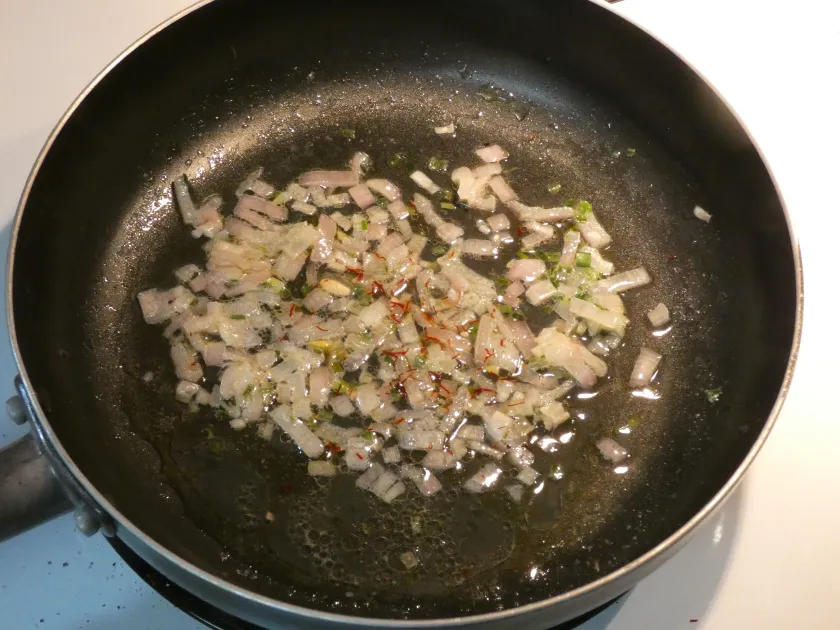
Step 1: Prepare Your Mise en Place (10 minutes)
Professional chefs swear by mise en place—French for “everything in its place.” It means having all ingredients measured, prepped, and ready before you start cooking. This recipe moves quickly once you begin, so preparation prevents scrambling.
For the fish:
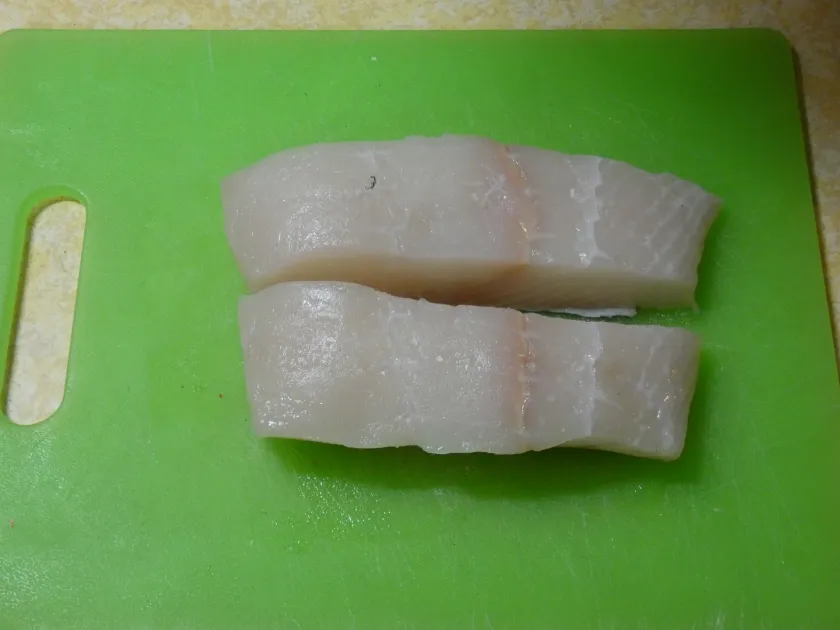
- Remove halibut from refrigerator 20 minutes before cooking (room temperature fish cooks more evenly)
- Pat fillets completely dry with paper towels (moisture prevents browning)
- Season both sides generously with salt and white pepper
- Set aside while you make the sauce
For the sauce:
- Bloom saffron threads in warm wine or water (started 30 minutes ago ideally)
- Mince shallots very finely (chunks ruin the sauce’s silky texture)
- Measure cream and have it ready
- Squeeze lemon juice and strain out seeds
- Chop fresh herbs
Having everything ready means you cook confidently rather than frantically searching for ingredients while something burns.
Step 2: Create the Saffron Cream Sauce (12 minutes)
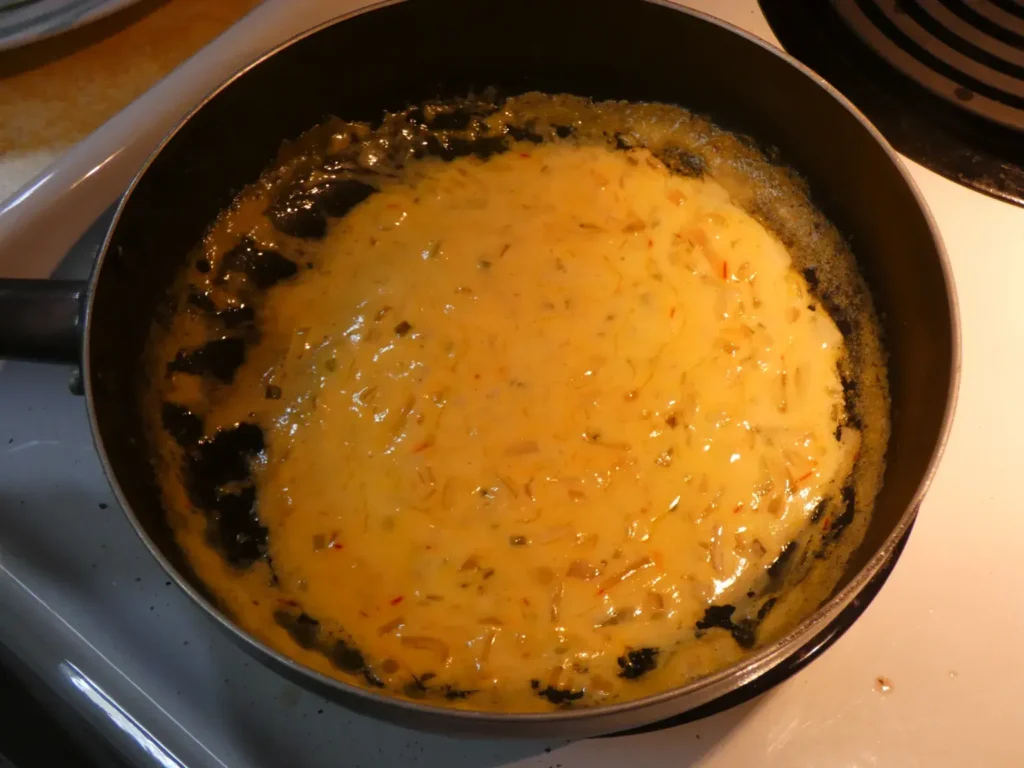
Heat a medium saucepan over medium heat. If you have quality cookware like the Cuisinart 11-piece stainless steel set or Caraway non-stick ceramic cookware, you’ll find that even heat distribution makes sauce-making much easier—no hot spots that can scorch delicate cream sauces. Add 1 tablespoon of butter and let it melt without browning. Add the minced shallots and cook gently for 2-3 minutes until softened and translucent—not browned, which adds bitterness.
Pour in the white wine (minus what you used for blooming saffron). Increase heat to medium-high and let it bubble vigorously. You’re reducing the wine to concentrate flavors and cook off the harsh alcohol taste. Cook until the wine reduces to about 2 tablespoons—the pan should look almost dry but with a thin glaze of liquid coating the bottom. This takes 4-5 minutes.
Add your bloomed saffron with all its steeping liquid. Stir to distribute those precious threads throughout. Pour in the heavy cream. Reduce heat to medium-low and let the sauce simmer very gently. You want tiny bubbles around the edges, not a rolling boil which can cause cream to break.
Simmer the sauce for 8-10 minutes, stirring occasionally. It should reduce by about one-third and thicken enough to coat the back of a spoon. When you run your finger through the sauce on the spoon, the line should hold for a moment before slowly closing.
Add lemon juice and salt to taste. The sauce should taste rich but balanced—the lemon keeps it from feeling too heavy. If it seems thick, thin it with a tablespoon of water or wine. If too thin, simmer another 2-3 minutes. Keep the sauce warm over very low heat while you cook the fish.
Step 3: Sear the Halibut to Perfection (6-8 minutes)
Heat your largest heavy skillet (cast iron or stainless steel works best—the Cuisinart stainless steel collection performs beautifully for searing fish) over medium-high heat for 3-4 minutes. The pan must be properly hot for good searing. Add olive oil and butter, swirling to coat the pan. When the butter foam subsides and the fats shimmer, you’re ready.
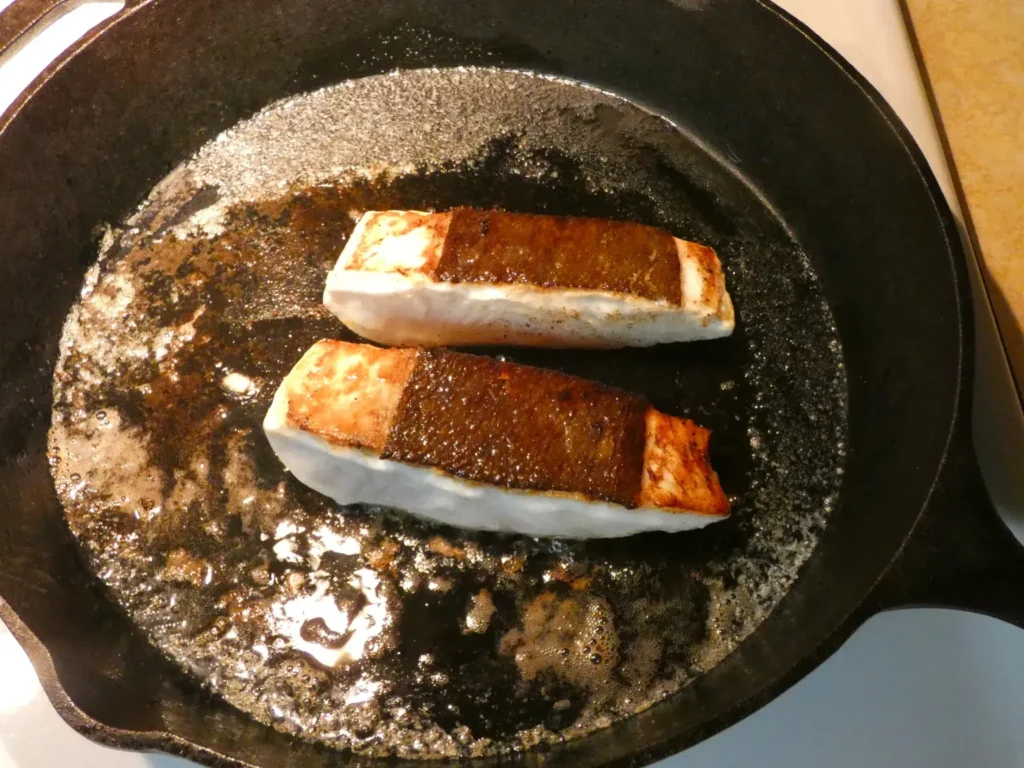
Carefully lay the halibut fillets in the pan, presentation side down first (the side you’ll serve facing up). Don’t move them. Don’t peek. Don’t fidget. Let them cook undisturbed for 4-5 minutes. You’ll see the sides turning opaque about halfway up the fillet.
Using a thin metal spatula, gently lift one fillet to check the sear. You want deep golden-brown color with some darker spots. If it’s pale, give it another minute. Once beautifully browned, flip the fillets carefully.
Cook the second side for 2-3 minutes. Halibut is done at 130-135°F internal temperature. At 1 inch thick, it needs about 6-7 minutes total cooking time. Thicker fillets need slightly longer; thinner ones cook faster. The fish should still have slight translucency in the very center—carryover cooking will finish it while it rests.
Transfer the halibut to a warm plate and let rest for 2 minutes. This allows juices to redistribute, ensuring moist fish.
Step 4: Plate and Serve with Style
Here’s where you transform home cooking into restaurant presentation. Warm your serving plates if possible—run them under hot water and dry them, or heat them briefly in a low oven.
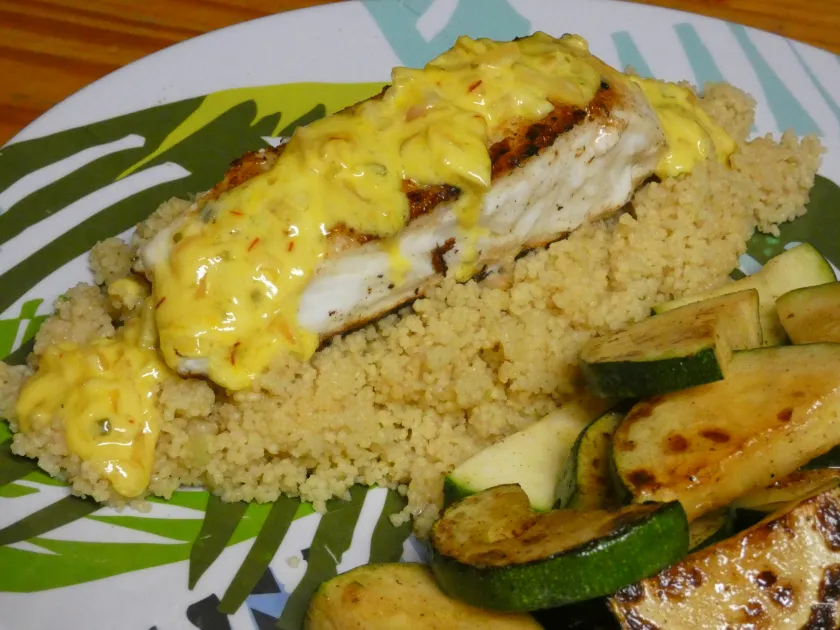
Spoon a pool of saffron cream onto each plate, slightly off-center. Place the halibut fillet on top of the sauce at a gentle angle—not perfectly centered, which looks stiff. Drizzle a little extra sauce over the fish, letting it cascade down the sides.
Garnish with a small amount of chopped fresh herbs—a few scattered leaves look elegant. A lemon wedge on the side adds a pop of color and offers guests extra brightness if they want it. Some microgreens or edible flowers take it to the next level for special occasions.
Serve immediately while the fish is hot and the sauce is silky. This isn’t a dish that holds well—saffron cream can break if kept too warm too long.
Perfect Side Dishes for Halibut in Saffron Cream
The rich sauce and delicate fish need sides that complement without competing. Here are my go-to pairings:
Vegetable Sides
Asparagus with Lemon: Roasted or grilled asparagus echoes the lemon in the sauce. The slight char and crisp-tender texture contrast beautifully with creamy sauce. For preparation tips, see our guide to grilled vegetables.
Sautéed Spinach with Garlic: Simple, quick, and the slight bitterness balances the sauce’s richness. Spinach also soaks up extra sauce wonderfully.
Green Beans Amandine: The almonds add textural interest and nutty flavor that complements without overwhelming.
Roasted Cherry Tomatoes: Bursting with sweet acidity, they cut through cream and add gorgeous color.
Starch Options
Risotto: Parmesan or lemon risotto works perfectly. The creamy rice mirrors the sauce’s texture while providing satisfying substance. A quality blender like the Vitamix 5200 makes quick work of pureeing aromatics for risotto base, though it’s certainly not required for traditional stirring method.
New Potatoes: Small potatoes roasted with herbs or simply boiled and buttered. Their mild flavor lets the halibut shine while soaking up excess sauce.
Couscous: Light, fluffy, and quick to prepare. Adds substance without heaviness. The tiny grains catch sauce beautifully.
Crusty Bread: Simple but essential. You’ll want something to soak up every drop of that precious saffron cream.
I typically serve one green vegetable, one starch, and crusty bread. The plate should feel balanced—not overly crowded but substantial enough to satisfy. Remember that the fish and sauce are the stars; sides should support, not upstage.
Wine Pairing Suggestions
A dish this refined deserves thoughtful wine pairing. The saffron cream’s richness and halibut’s delicate flavor guide our selections.
White Wine Pairings
White Burgundy (Chardonnay): Oaked Chardonnay from Burgundy offers the weight to match creamy sauce while maintaining elegance. The subtle oak complements butter and cream without overwhelming saffron’s delicate notes.
Viognier: This aromatic white brings floral notes that echo saffron’s perfume. The full body stands up to cream, while peachy fruit flavors complement halibut’s sweetness.
Aged Riesling: Off-dry Riesling with some age brings honeyed complexity that pairs beautifully with saffron. The acidity cuts through cream, refreshing your palate between bites.
Albariño: Spanish or Portuguese Albariño offers salinity and stone fruit that enhances fish without competing with sauce. The mineral character adds another dimension to the pairing.
If You Prefer Something Different
Rosé Champagne: The ultimate splurge pairing. Bubbles cleanse the palate, acidity balances richness, and the wine’s complexity matches the dish’s sophistication.
Light Pinot Noir: Controversial perhaps, but a delicate Pinot Noir from Burgundy or Oregon can work beautifully. Choose something light-bodied with bright acidity rather than heavy, oaky versions.
Pour wines at proper temperature—whites around 45-50°F, not ice-cold which mutes flavors. Have your wine ready before serving so you can enjoy that first sip alongside the first bite.
Common Mistakes and How to Avoid Them
I’ve made every mistake possible with this recipe. Learn from my errors:
Overcooking the Halibut
The Mistake: Cooking until the center is completely opaque results in dry, rubbery fish.
The Fix: Pull the fish at 130-135°F internal temperature. It should have slight translucency in the center. Carryover cooking brings it to perfect doneness during resting. Use an instant-read thermometer until you develop intuition for doneness.
Breaking the Cream Sauce
The Mistake: Boiling the cream sauce or adding cold cream to hot liquid causes it to separate into greasy curds and thin liquid.
The Fix: Never let cream-based sauces boil hard. Gentle simmering only. If your sauce breaks, remove it from heat immediately and whisk in a tablespoon of cold cream. This often brings it back together.
Weak Saffron Flavor
The Mistake: Using too little saffron or not blooming it properly results in pale, flavorless sauce.
The Fix: Use the full 1/4 teaspoon and bloom it for at least 15 minutes. Don’t skimp here—you’re already investing in halibut, the saffron makes the dish special.
Watery Sauce
The Mistake: Not reducing the wine enough before adding cream leaves the sauce thin and wine-forward.
The Fix: Reduce wine until the pan is nearly dry—just a glossy coating on the bottom. Then reduce the cream by one-third. Better slightly thick than too thin; you can always add liquid.
Crowded Pan
The Mistake: Trying to cook all four fillets in a pan that’s too small causes steaming instead of searing.
The Fix: Use your largest skillet or cook in batches. Fillets need space for proper browning. If your pan won’t fit all four, sear two at a time and keep the first batch warm in a low oven.
Variations and Adaptations
Once you master the basic recipe, these variations keep things interesting:
Different Fish Options
While halibut is ideal, these fish work beautifully with saffron cream:
- Cod: Less expensive, milder flavor, slightly softer texture. Works great.
- Sea Bass: More delicate and buttery. Reduce cooking time slightly.
- Monkfish: Firm, almost lobster-like texture. Perfect for this preparation.
- Scallops: Quick-searing large sea scallops work wonderfully. Cook 2-3 minutes per side.
For more ideas on preparing different fish varieties, explore our comprehensive collection.
Sauce Variations
Tomato Saffron: Add 2 tablespoons tomato paste when you reduce the wine. The result is pink-orange and more robust. For perfectly smooth sauces, a high-powered blender like the Vitamix Propel 750 ensures restaurant-quality texture—though a regular blender or immersion blender works fine for this recipe.
Fennel Saffron Cream: Add 1/2 cup finely diced fennel with the shallots. The anise notes complement saffron beautifully.
Spicy Saffron: Add a pinch of cayenne or a finely minced serrano pepper for gentle heat.
Seafood Saffron Cream: Add mussels, clams, or shrimp to the sauce for a heartier preparation.
Cooking Method Variations
Baked Version: Instead of pan-searing, bake seasoned halibut at 400°F for 12-15 minutes. Make the sauce separately and spoon it over the baked fish. Less dramatic but equally delicious.
Poached in Saffron Cream: Make the sauce first, then gently poach raw halibut directly in it for 8-10 minutes. Ultra-tender fish that’s perfumed with saffron.
Grilled Halibut: Grill the fish for smoky char, then serve with the cream sauce. The smoke adds another dimension to the flavor profile.
Essential Kitchen Tools for Perfect Saffron Cream Sauce
While you don’t need expensive equipment to make this dish, certain tools make the process easier and results more consistent:
Quality Cookware: A heavy-bottomed saucepan prevents hot spots that can scorch delicate cream sauces. The Cuisinart Chef’s Classic 11-piece set includes perfectly sized saucepans and skillets for this recipe. Alternatively, the Caraway ceramic cookware offers excellent heat distribution with non-stick convenience—particularly helpful when searing fish.
Stand Mixer for Sides: If you’re making homemade pasta or whipped potatoes to accompany your halibut, the KitchenAid Classic 4.5-quart stand mixer is invaluable. Add the 3-in-1 pasta maker attachment to create fresh fettuccine that pairs beautifully with saffron cream sauce—though this is certainly optional for the core recipe.
High-Powered Blender: For silky smooth pureed soups or vegetable sides to accompany your halibut, a quality blender makes a difference. The Vitamix 5200 is the professional standard, while the Vitamix Quiet One offers commercial-grade power with reduced noise. The Vitamix Propel 750 includes pre-programmed settings that take the guesswork out of preparation. However, these are investments for serious home cooks—you can absolutely make this recipe with basic equipment.
Essential Basic Tools: Beyond fancy appliances, you need a good whisk, instant-read thermometer, and thin metal spatula. These inexpensive tools matter more for this specific recipe than high-end equipment.
Frequently Asked Questions
Can I make saffron cream sauce ahead of time?
Yes, but with caveats. Make the sauce up to 2 hours ahead and keep it warm over very low heat, stirring occasionally. Reheat gently if needed—never boil. The sauce can separate if held too long or reheated aggressively. For best results, time the sauce to finish as the fish cooks.
What if I can’t find or afford saffron?
Saffron is expensive but irreplaceable for this specific dish. Turmeric provides color but completely different flavor. If saffron is truly unavailable, consider making a different sauce like lemon butter or herb cream. Don’t compromise on the defining ingredient of the recipe.
Can I use frozen halibut?
Absolutely. Thaw frozen halibut slowly in the refrigerator overnight. Place it on a plate and cover loosely. Once thawed, pat it very dry—frozen fish releases more moisture. The cooking process is identical to fresh halibut. Quality frozen halibut often exceeds “fresh” fish that’s been sitting at the counter for days.
How do I know when halibut is perfectly cooked?
Use an instant-read thermometer—130-135°F in the thickest part. Visually, the fish should be mostly opaque with slight translucency in the center. It should flake easily but still feel tender, not dry. Remember that halibut continues cooking after you remove it from heat, so slight underdone is better than overdone.
What sides go best with this rich dish?
Light, acidic sides balance the cream sauce beautifully. Asparagus, green beans, sautéed spinach, or roasted tomatoes all work perfectly. For starch, choose simple preparations—boiled new potatoes, plain risotto, or couscous. The sides should complement without competing. Always serve crusty bread to soak up every drop of sauce.
Bringing Restaurant Elegance Home
Halibut in saffron cream sauce represents everything I love about ambitious home cooking—the dish looks and tastes like something you’d pay $45 for at a high-end restaurant, yet the technique is straightforward. There’s no difficult knife work, no advanced culinary skills required, just attention to detail and respect for quality ingredients.
The first time you make this, the saffron’s aroma filling your kitchen will make you smile. When you plate those golden-sauced fillets and see your guests’ faces light up, you’ll understand why certain flavor combinations endure through centuries. This isn’t trendy fusion or molecular gastronomy—it’s classical technique that works because the fundamentals are sound.
What makes this recipe special to me is its versatility. I’ve served it at intimate anniversary dinners and multi-course dinner parties. It’s sophisticated enough for your most discerning foodie friends yet approachable enough that beginners can execute it successfully. The recipe scales easily from two to eight servings without changing technique.
The investment in quality saffron pays dividends beyond this single recipe. Those precious threads will flavor paella, Persian rice dishes, Italian risotto, and countless other preparations. Think of it as stocking your pantry with liquid gold—used sparingly, a small container lasts months or even years if properly stored.
Mastering this dish opens doors to understanding how refined sauces work. The principles here—reducing wine, gently simmering cream, balancing richness with acidity—apply to countless other recipes. You’re not just learning one dish; you’re building foundational skills that elevate your entire cooking repertoire.
For more inspiration on preparing exceptional fish dishes, explore my collection of gourmet fish recipes that showcase different techniques and flavor profiles. And if you’re interested in working with various fish species, our simple fish preparations guide offers approachable options for building confidence.
Now it’s time to heat up that pan, bloom that saffron, and create something truly special. Your kitchen might not overlook the Mediterranean like that bistro where I first tasted this dish, but I promise the halibut swimming in golden saffron cream will transport you there anyway. The beauty of home cooking is that these extraordinary moments are always within reach—you just need to take the first step.
Bon appétit, and enjoy every luxurious bite!
2 thoughts on “Halibut in Saffron Cream Sauce: Restaurant-Worthy Elegance at Home”