
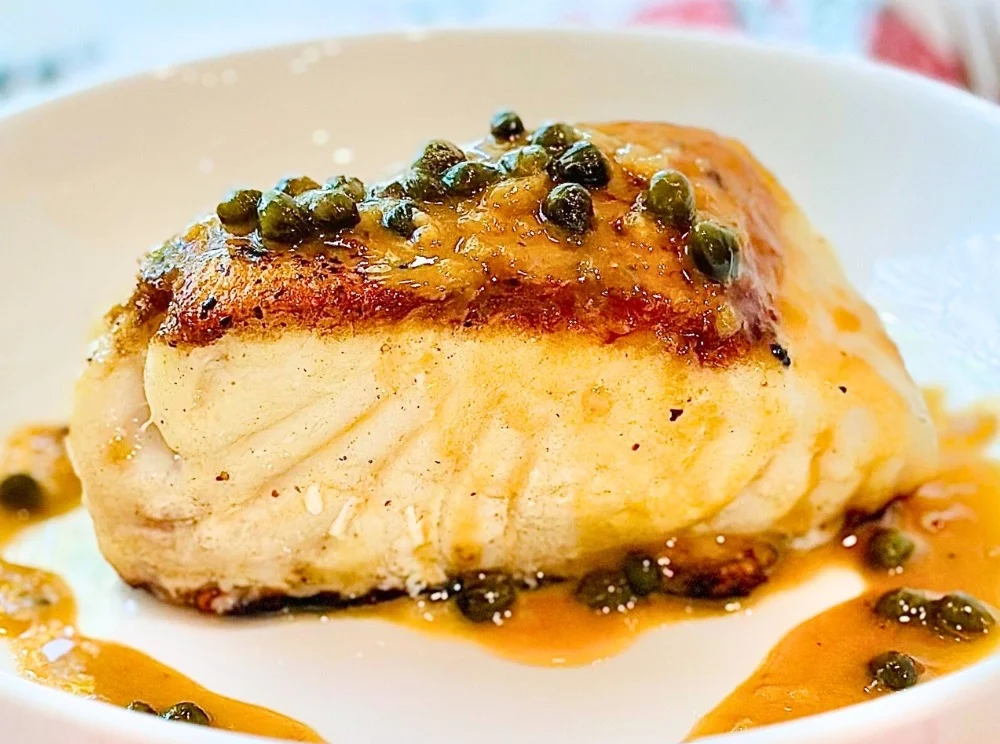
There’s something wonderfully luxurious about a perfectly pan-seared sea bass that makes any dinner feel like a special occasion. This pan-seared sea bass with lemon beurre blanc transforms a simple piece of fish into something restaurant-worthy, yet it’s surprisingly approachable for home cooks. The crispy golden skin, tender flaky flesh, and that silky, tangy butter sauce come together in just 25 minutes.
I used to think dishes this elegant were beyond my skills until a chef friend walked me through the technique one evening. Now? This is my go-to recipe when I want to impress guests or treat my family to something special on a regular weeknight. The key is confidence and a few simple tricks that guarantee perfect results every single time.
Whether you’re planning a romantic dinner, hosting friends, or simply want to elevate your weeknight cooking routine, this recipe delivers that wow factor without the stress. Let me show you exactly how to nail it.
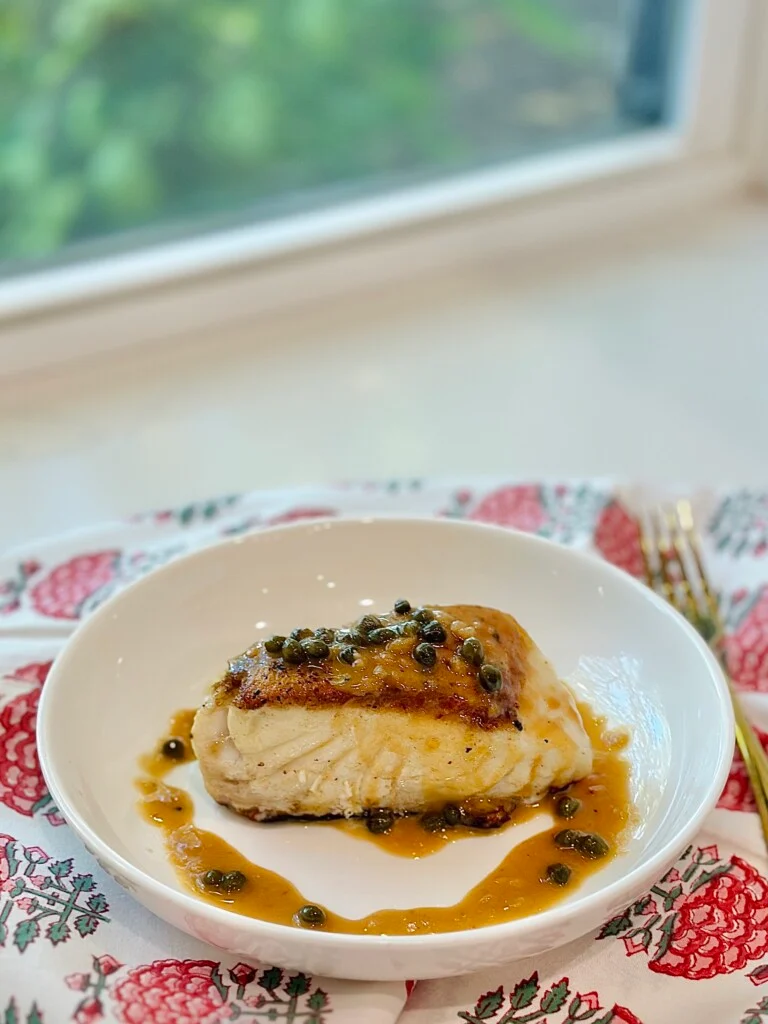
Why You’ll Love This Pan-Seared Sea Bass Recipe
This dish checks every box for what makes a recipe truly great. First, it’s deceptively simple—fancy restaurants charge $35+ for this exact preparation, but you’ll master it with just a few practice runs. Second, the timing works beautifully for entertaining since you can prep components ahead and execute the final cooking in minutes.
The sea bass itself is naturally buttery and mild, making it approachable even for people who claim they don’t like fish. That crispy skin (which we’ll talk about achieving) provides textural contrast against the tender flesh. And the lemon beurre blanc? It’s the kind of sauce that makes you want to lick the plate—bright, rich, and perfectly balanced.
I’ve served this at dinner parties where guests assumed I’d spent hours in the kitchen. The truth? Active cooking time is maybe 15 minutes. The rest is just letting the fish come to room temperature and reducing your sauce base. That efficiency means you can actually enjoy your guests instead of being chained to the stove.
Understanding Sea Bass and Alternatives
Chilean sea bass, also known as Patagonian toothfish, is prized for its rich, buttery texture and mild flavor. The high fat content keeps it moist during cooking, making it nearly foolproof for beginners. However, sustainability concerns and price (often $25-30 per pound) mean you might want alternatives.
European sea bass, also called branzino, works beautifully and is often more sustainably sourced. Black sea bass from the Atlantic is another excellent choice. If you’re looking for budget-friendly options, striped bass, halibut, or even thick cod fillets can be prepared using this exact method with delicious results.
The technique matters more than the specific fish. Any firm white fish with decent fat content will work. If you catch your own, check out my guide on preparing fresh fish for tips on proper handling and storage. I’ve even used this method with fresh-caught saltwater species with fantastic results.
When selecting your fish, look for firm flesh that springs back when pressed, clear (not cloudy) eyes if buying whole fish, and a fresh ocean smell—never fishy or ammonia-like. The skin should be shiny and intact. Most importantly, ask your fishmonger when it arrived. Fish that’s 1-2 days old cooks better than fish that’s been sitting for a week.
The Secret to Perfect Crispy Skin
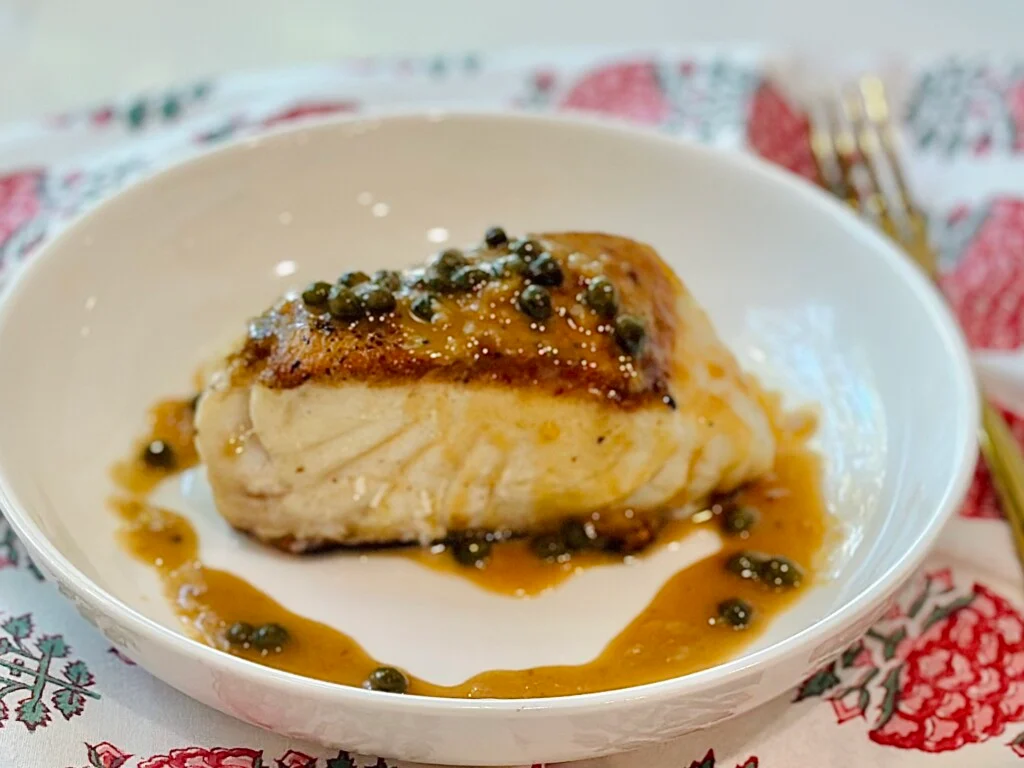
Here’s what separates amateur fish from restaurant-quality: that gorgeously crispy, golden skin. It’s not difficult, but it requires following a few non-negotiable rules.
Start with completely dry fish. After patting with paper towels, let the fillets sit uncovered in the refrigerator for 30-60 minutes. This air-drying step removes surface moisture that would otherwise steam the skin instead of crisping it. Some chefs even leave fish uncovered overnight, but an hour works fine for weeknight cooking.
Score the skin with shallow diagonal cuts every inch or so. This prevents the fillet from curling as the collagen in the skin contracts with heat. Use a very sharp knife and cut just through the skin without hitting the flesh. Those shallow scores also allow rendered fat to escape, contributing to crispiness.
Season generously with salt right before cooking—not earlier, as salt draws out moisture. Use a heavy, oven-safe stainless steel or cast iron pan that retains heat well. Non-stick pans don’t get hot enough for proper crisping.
The pan must be screaming hot before the fish goes in. Heat it over medium-high heat for 3-4 minutes, then add oil (I use a mix of olive oil and butter for flavor). When the oil shimmers and you see wisps of smoke, it’s ready.
Place the fillet skin-side down and immediately press firmly with a spatula for 10-15 seconds. This ensures even contact with the hot pan and prevents curling. Then—and this is crucial—don’t touch it. Resist the urge to peek, move, or flip. Let it cook undisturbed for 4-5 minutes depending on thickness.
Mastering the Lemon Beurre Blanc
Beurre blanc sounds fancy because it’s French, but it’s really just an emulsified butter sauce—and it’s easier than you think. The traditional version involves reducing white wine and shallots, then whisking in cold butter to create a silky, rich sauce that’s somehow both decadent and light.
The key to success is temperature control. You’re creating an emulsion, which means you’re suspending fat (butter) in liquid (wine reduction) using gentle heat and constant whisking. Too hot and the sauce breaks, becoming greasy. Too cool and the butter won’t incorporate. The sweet spot is around 160-180°F, which looks like gentle steam without active bubbling.
Start with 1/2 cup dry white wine (Sauvignon Blanc or Pinot Grigio work beautifully), 2 tablespoons white wine vinegar, and 2 finely minced shallots in a small saucepan. Reduce this mixture over medium heat until you have about 2 tablespoons of liquid—it should be syrupy and intensely flavored.
Remove the pan from heat and let it cool for 30 seconds. This prevents the butter from melting too quickly. Cut 8 tablespoons (1 stick) of cold butter into tablespoon-sized pieces. Working off the heat, whisk in one piece at a time, waiting until each is mostly incorporated before adding the next.
Once all the butter is added, return the pan to very low heat and whisk constantly while adding lemon juice (about 2 tablespoons) and a pinch of salt. The sauce should be creamy, pale yellow, and thick enough to coat the back of a spoon. If it looks greasy or separated, you can sometimes rescue it by whisking in a tablespoon of cold cream.
I add lemon zest at the end for extra brightness, along with a tablespoon of chopped fresh tarragon or parsley. The herbs aren’t traditional in classic beurre blanc, but they add a fresh note that complements the rich butter beautifully.
The Complete Cooking Method
Let’s walk through the entire process step by step, from prep to plating.
Preparation (15 minutes active)
Remove sea bass from the refrigerator 20 minutes before cooking to bring it to room temperature. This ensures even cooking throughout. Pat completely dry with paper towels, then score the skin as described earlier. Season both sides generously with salt and a light sprinkle of white pepper.
While the fish comes to temperature, make your beurre blanc reduction. Combine wine, vinegar, and shallots in a small saucepan and reduce until syrupy. This can be done up to 2 hours ahead—just reheat gently before whisking in the butter.
Prep your sides so everything finishes together. I love serving this with roasted asparagus, fingerling potatoes, or a simple arugula salad. Whatever you choose, have it ready to plate when the fish comes out.
Searing the Fish (8-10 minutes)
Heat your heavy pan over medium-high heat for 3-4 minutes. Add 1 tablespoon olive oil and 1 tablespoon butter, swirling to coat the pan. When the butter foam subsides and the oil shimmers, carefully place the fish skin-side down.
Immediately press with a spatula for 10-15 seconds to ensure flat contact with the pan. You should hear a satisfying sizzle. If you don’t, your pan wasn’t hot enough—but don’t remove the fish now. Just continue cooking.
Cook undisturbed for 4-5 minutes for a standard 6-8 ounce fillet. You’ll know it’s ready to flip when you see the sides turning opaque about two-thirds of the way up, and the skin releases easily from the pan when you try to lift it gently with the spatula.
Flip carefully and cook the flesh side for just 1-2 minutes. For thicker fillets, you can finish in a 400°F oven for 3-4 minutes, but most sea bass is thin enough to finish in the pan. The fish is done when it reaches an internal temperature of 135°F and flakes easily with a fork while remaining slightly translucent in the center.
Transfer to a warm plate skin-side up (never down, as this steams the skin and makes it soggy) and let rest for 2 minutes while you finish the sauce.
Finishing the Sauce (3-4 minutes)
While the fish rests, complete your beurre blanc. Reheat the reduction gently if it cooled, then whisk in the cold butter pieces off the heat. Once emulsified, add lemon juice, zest, salt, and herbs. Taste and adjust—it should be bright and rich simultaneously.
If the sauce seems too thick, whisk in a tablespoon of warm water or white wine. Too thin? Let it sit off heat for a minute; it will thicken as it cools slightly. Serve immediately, as beurre blanc doesn’t hold well.
Serving and Presentation
Restaurant-quality plating elevates this dish from impressive to unforgettable. Start with warm plates—run them under hot water and dry them, or heat them in a low oven.
Place a small pool of beurre blanc slightly off-center on the plate. Set the sea bass on top, skin-side up, at a slight angle. Arrange your side vegetables artfully around the fish. I like to lean asparagus spears against the fish or nestle roasted baby potatoes around it.
Drizzle a little extra sauce over the fish, letting it cascade down the sides. Garnish with a small sprig of fresh herbs, a lemon wedge, and a tiny sprinkle of flaky sea salt on the crispy skin. That finishing salt adds textural interest and a subtle flavor boost.
For wine pairing, stick with what you cooked with—a crisp white Burgundy, Sauvignon Blanc, or unoaked Chardonnay complements the richness perfectly. The acidity in these wines cuts through the butter while enhancing the delicate fish flavor.
Tips for Success
After making this dish dozens of times, here are the tricks that consistently deliver perfect results.
Temperature Control is Everything
The biggest mistakes happen when people rush or use insufficient heat. Your pan must be hot enough to create an immediate sear. That initial contact sets the proteins and starts the Maillard reaction that creates flavor and color.
However, the butter in the beurre blanc requires gentleness. Practice your sauce technique a few times to develop intuition for the right temperature. It’s worth wasting a stick of butter on practice because once you nail it, you’ll have this skill forever.
Don’t Overcook the Fish
Sea bass is expensive and delicate. Overcooked fish becomes dry and loses its buttery texture. Invest in an instant-read thermometer and pull the fish at 130-135°F. Carryover cooking will bring it to perfect 140°F while it rests.
Remember that fish continues cooking after you remove it from heat. Slight translucency in the center is desirable—it will finish cooking during resting and stay moist.
Make Components Ahead
You can make the wine reduction hours ahead. You can even clarify butter (remove milk solids) ahead of time for a beurre blanc that’s less likely to break. The fish should be dried and scored earlier in the day.
When guests arrive, all you need to do is sear the fish and whisk together the sauce—both of which happen in under 10 minutes. This advance prep is what makes this dish perfect for entertaining despite its sophisticated appearance.
Practice Makes Perfect
Your first attempt might not be perfect, and that’s okay. Maybe the skin won’t be quite as crispy, or the sauce might break slightly. Each time you make this, you’ll develop better intuition for timing and temperature.
I recommend practicing this technique on less expensive fish like trout or snapper before investing in premium sea bass. The method is identical, so you’ll build confidence without breaking the bank.
Variations and Adaptations
Once you master the basic technique, endless variations become possible.
Different Sauces
While lemon beurre blanc is classic, you can adapt the sauce to different flavors. Add capers and dill for a Scandinavian twist. Use lime instead of lemon and add cilantro for a Latin influence. Incorporate saffron for a luxurious Mediterranean version.
A red wine beurre rouge works beautifully with richer fish. Champagne beurre blanc is incredibly elegant for special occasions. The technique remains the same—only the reduction base changes.
Other Fish Options
This method works with virtually any firm fish. I’ve used it successfully with salmon (reduce cooking time slightly), halibut, black cod, and even thick tuna steaks. For more fish preparation ideas, explore my collection of gourmet fish recipes.
Whole fish like branzino can be prepared this way too. The timing adjusts based on size, but the fundamentals remain identical. Check out simple fish recipes for more inspiration.
Vegetable Pairings
Green beans almondine, sautéed spinach, roasted Brussels sprouts, or ratatouille all pair beautifully. For grilling enthusiasts, grilled vegetables work wonderfully alongside pan-seared fish.
Risotto, polenta, or couscous provide a starchy base that soaks up extra sauce. I particularly love lemon risotto because it echoes the citrus notes in the beurre blanc.
Frequently Asked Questions
Can I make pan-seared sea bass without the skin?
Yes, though you’ll miss out on the textural contrast of crispy skin. Skinless fillets cook faster—about 3 minutes per side depending on thickness. The method remains the same, just reduce timing and be extra gentle when flipping since there’s no skin to provide structural support. Some people prefer skinless for texture reasons, and that’s perfectly fine.
What if my beurre blanc breaks or separates?
Don’t panic—broken beurre blanc is fixable. Remove from heat immediately and let it cool for 30 seconds. Whisk in 1 tablespoon of cold heavy cream vigorously. This often re-emulsifies the sauce. Alternatively, start fresh reduction in a clean pan and slowly whisk the broken sauce into it. Prevention is easier: keep heat low and whisk constantly.
How do I know when sea bass is cooked perfectly?
Use an instant-read thermometer inserted into the thickest part—it should read 135°F. Visually, the flesh should be opaque with slight translucency at the very center. It should flake easily when pressed with a fork but still feel tender, not dry. Overcooked sea bass becomes tough and loses moisture, so err on the side of slightly underdone.
Can I prepare components ahead for entertaining?
Absolutely! Make the wine reduction up to 4 hours ahead and reheat gently before whisking in butter. Dry and score your fish in the morning, keeping it refrigerated. Prepare vegetable sides completely and reheat. When guests arrive, you only need 10 minutes for the actual fish cooking and sauce finishing—perfect for stress-free entertaining.
What’s the best pan for searing fish?
Heavy stainless steel or cast iron pans work best because they retain heat well and can tolerate high temperatures. A 10-12 inch pan accommodates two fillets comfortably. Non-stick pans don’t get hot enough for proper searing and browning. Carbon steel is another excellent option if you have it, offering similar benefits to cast iron with lighter weight.
Bringing Restaurant Quality Home
This pan-seared sea bass with lemon beurre blanc represents everything I love about cooking—simple techniques elevated through attention to detail. There’s nothing complicated here, just fundamental skills applied thoughtfully. The crispy skin, tender flesh, and silky sauce come together to create something that feels far more impressive than the effort required.
What strikes me every time I make this dish is how the components highlight each other. The rich, buttery sea bass needs that bright, acidic sauce to balance it. The delicate fish benefits from the textural contrast of crispy skin. Even the simple vegetable sides play a role, adding color and freshness to the plate.
I’ve watched people take their first bite of properly prepared sea bass with beurre blanc and their eyes light up. It’s one of those moments where you realize that restaurant-quality food isn’t about secret techniques or professional equipment—it’s about understanding fundamentals and executing them with confidence.
The beauty of mastering this recipe extends beyond this specific dish. Once you nail pan-searing fish, you can apply it to countless preparations. Once you understand beurre blanc, you’ve unlocked an entire category of French sauces. These are foundational skills that elevate your entire cooking repertoire.
Whether you’re cooking for a special occasion or just want to treat yourself to something luxurious on a Tuesday night, this recipe delivers. The active cooking time is minimal, the results are consistently impressive, and the satisfaction of nailing restaurant technique at home is genuinely rewarding.
For more inspiration on preparing exceptional fish dishes, explore my top mouthwatering fish recipes collection. And if you catch your own sea bass or other species, these techniques translate beautifully to fresh-caught fish—check out my beginner fishing tips to get started.
Now it’s time to heat up that pan, get your butter ready, and experience the magic of perfectly seared fish with that incredible lemon butter sauce. Your kitchen might not have white tablecloths and sommeliers, but I promise the food coming off your stove will rival anything you’d find in a high-end restaurant. The only difference? You get to enjoy it in your pajamas if you want.
Trust the process, don’t rush the technique, and prepare to impress yourself with what you’re capable of creating. Happy cooking!
2 thoughts on “Pan-Seared Sea Bass with Lemon Beurre Blanc”