
There’s something magical about drilling through two feet of ice, dropping a line into the frozen depths below, and waiting for that telltale tug that makes your heart race—even when your fingers are numb. But here’s the thing: that magic only happens when you’ve got the right gear. Eskimo ice fishing gear has earned its reputation among anglers who refuse to let winter keep them off the water, and if you’re serious about hard-water fishing, understanding what makes this equipment tick can mean the difference between a miserable morning and memories that last a lifetime.
I’ve spent enough winters on frozen lakes to know that cheap gear fails exactly when you need it most—usually around 4 AM when it’s minus-fifteen and you’re three miles from the truck. Quality matters when Mother Nature’s testing your commitment. Whether you’re a first-timer curious about ice fishing or a seasoned angler looking to upgrade, let’s walk through what makes Eskimo’s lineup worth considering and how to choose gear that won’t let you down when the fish are biting.
Why Eskimo Dominates the Ice Fishing Game
Walk into any ice fishing tournament parking lot from Minnesota to Michigan, and you’ll spot Eskimo shelters dotting the landscape like colorful igloos. This brand didn’t accidentally become a household name among hard-water anglers—they’ve earned it through decades of innovation and actual fishing conditions that would make most manufacturers cringe.
Founded by anglers who actually fish (what a concept, right?), Eskimo understands something fundamental: when you’re sitting on a frozen lake at dawn, your gear becomes your survival system. Their ice fishing equipment balances durability with functionality in ways that matter when temperatures plummet. The difference between mediocre and excellent ice fishing gear isn’t just comfort—it’s about staying out longer, fishing more effectively, and actually wanting to return next weekend instead of swearing off winter fishing forever.
Essential Eskimo Gear Every Ice Angler Needs
Ice Fishing Shelters That Actually Keep You Warm
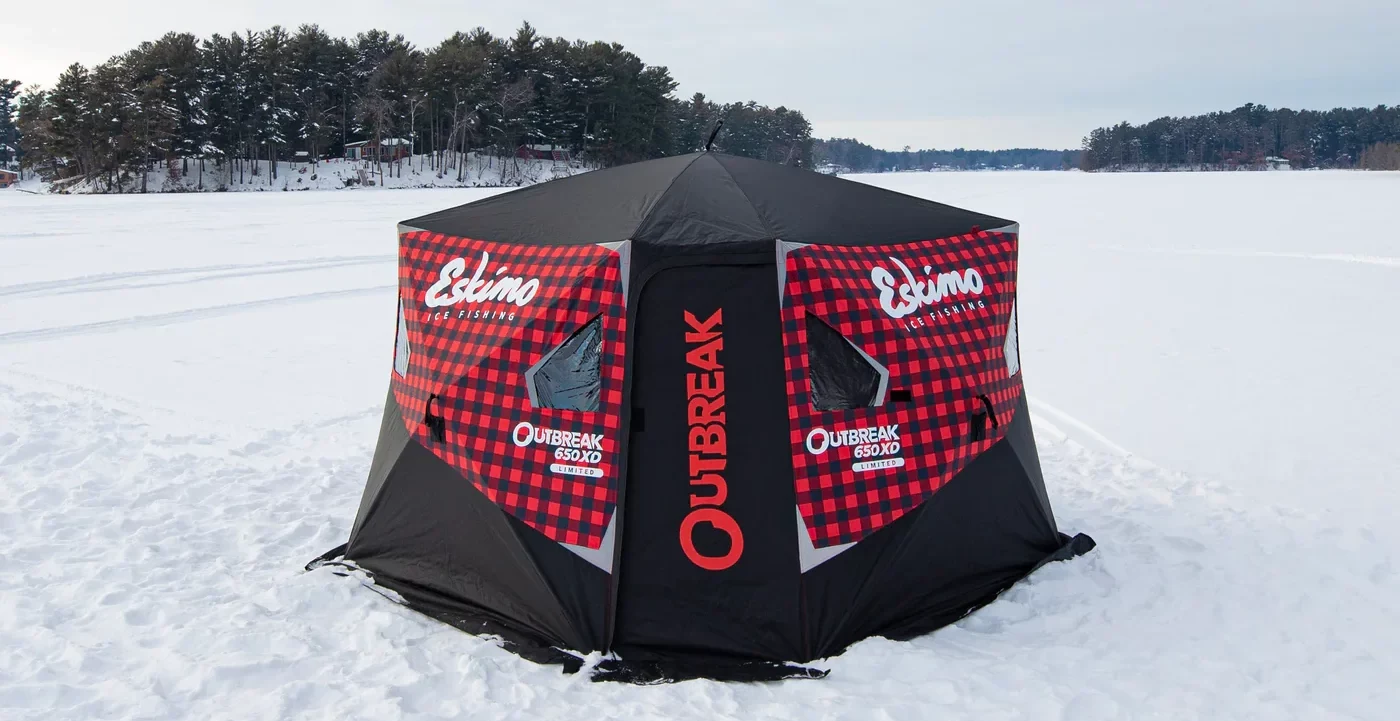
Let’s start with the big one: shelter. An ice fishing tent or ice castle fish house transforms brutal conditions into manageable ones. Eskimo’s pop-up shelters set up in under sixty seconds—I’ve timed it—which matters tremendously when the wind’s howling and your buddy’s already complaining.
Their QuickFish series features insulated designs that trap heat efficiently without requiring a mortgage payment. The hub-style shelters provide maximum interior space, letting you fish comfortably with friends instead of sitting shoulder-to-shoulder like sardines. For serious anglers planning multi-day trips to places like Lake of the Woods ice fishing destinations, their larger models with multiple rooms offer genuine comfort that makes extended stays possible.
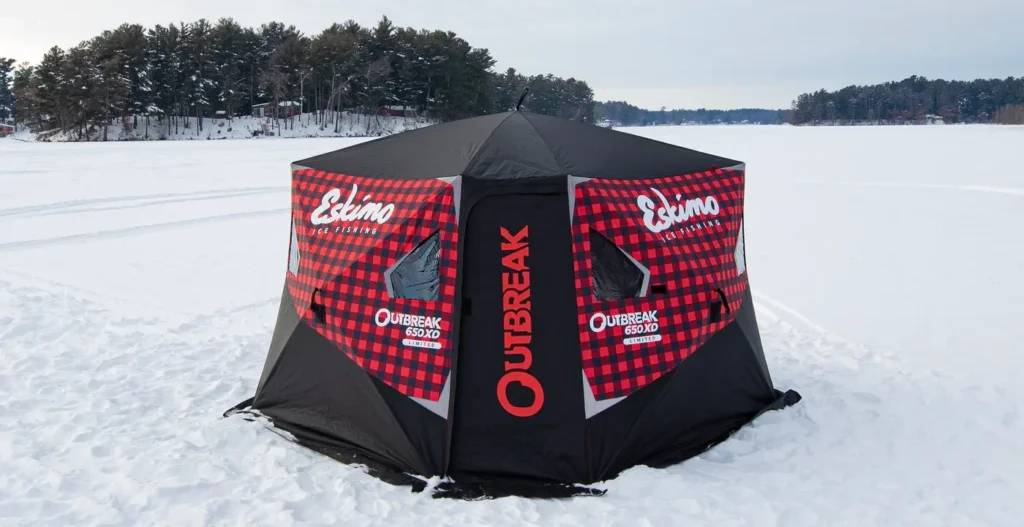
Look for features like removable windows for ventilation, reinforced corners that withstand wind gusts, and anchoring systems designed for actual ice. Those cheap popup tents from big-box stores? They’re fine until the first real storm, then they become expensive yard decorations.
Augers: Making the First Hole Without Losing Your Mind
Nothing tests patience like a dull ice fishing auger on thick ice. Eskimo’s propane and electric augers cut through two feet of ice like butter, saving your energy for actually fishing instead of exhausting yourself before your first line hits water.
Their electric models have evolved dramatically—modern lithium batteries now deliver power comparable to gas augers without the fumes, noise, or maintenance headaches. The 40-volt systems drill dozens of holes on a single charge, plenty for a full day unless you’re prospecting like a madman. For purists who prefer gas, their Sting Ray propane augers start reliably in cold weather and cut consistently even through Minnesota’s notorious thick ice.
Blade quality matters more than most beginners realize. Eskimo’s replaceable blade systems use Swedish steel that holds an edge season after season. When they do dull, swapping blades takes minutes, not a trip to the repair shop.
Sleds and Transportation Systems
Hauling gear across a frozen lake tests both your equipment and your resolve. An ice fishing sled might seem like an afterthought until you’re dragging a hundred pounds of gear through eight inches of fresh snow at sunrise. Eskimo’s jet sleds feature high-density polyethylene construction that slides smoothly while protecting your investment from impacts.
Their oversized models accommodate full shelter systems plus tackle, augers, and heaters without playing Tetris every morning. The built-in tie-down points secure everything properly—because there’s nothing quite like watching your expensive tackle box tumble out halfway across the lake while you’re towing.
Pro tip: invest in a proper hitch system if you’re using an ATV or snowmobile for transport. The few extra dollars pay dividends in convenience and equipment longevity.
Specialized Equipment That Improves Your Success Rate
Rods, Reels, and Terminal Tackle
Ice fishing poles differ fundamentally from open-water equipment. Eskimo’s rod lineup balances sensitivity with backbone—you need to detect subtle bites through ice and water, then have enough power to lift fish vertically through your hole.
Their inline reel designs eliminate line twist, a persistent problem that costs anglers fish and causes frustrating tangles. The lightweight graphite construction reduces fatigue during long days, especially when you’re jigging constantly to attract attention.
For tackle, their pre-rigged tip-up systems save time and work reliably in freezing conditions. The smooth-running mechanisms trigger consistently without false alarms from wind or current, so when that flag pops up, you can trust it’s actually a fish.
Clothing and Accessories Designed for Extreme Cold
Quality Eskimo ice fishing apparel means staying warm without looking like the Michelin Man. Their bibs and jackets use modern insulation that breathes during active periods while trapping heat when you’re sitting still. Reinforced knees and seat areas withstand constant kneeling and sitting on ice without wearing through.
The waterproof-breathable fabrics matter more than anglers realize. You’re constantly generating moisture from activity, and non-breathing fabrics trap that moisture against your skin, making you cold and miserable. Proper layering with Eskimo’s base and mid-layers creates a system that adapts throughout the day as temperatures fluctuate.
Don’t overlook accessories: quality gloves that actually let you feel your line, insulated boots rated for extreme cold, and face masks that don’t ice up from your breath. These details separate enjoyable outings from suffering.
Choosing the Right Gear for Your Fishing Style
Beginner Setup: Starting Smart Without Breaking the Bank
New to eskimo ice fishing? Start with essentials before adding specialized equipment. A basic pop-up shelter, electric auger, reliable sled, and quality rod combo covers most situations. Eskimo’s starter packages bundle equipment at reasonable prices, letting you test the sport without massive investment.
Focus first on shelter and drilling capability—you can fish with basic rods initially, but you can’t fish comfortably or efficiently without proper shelter and a dependable way to make holes. Add specialized equipment as you discover your preferences and target species.
Advanced Anglers: Optimizing Your System
Experienced fishermen benefit from Eskimo’s premium offerings: larger shelters with amenities, multiple-hole drilling capacity, specialized rods for different presentations, and electronics integration. Their top-tier ice fishing shanty models include features like skylight windows for natural light, multiple fishing holes, and efficient heating systems.
Consider modular systems that let you adapt to different conditions. Some days you want mobility and speed; other times you’re setting up camp for extended stays. Eskimo’s equipment works together systematically, making it easy to build a cohesive setup that addresses various scenarios.
Essential Tips for Maintaining Your Eskimo Gear
Quality equipment deserves proper care. After each trip, brush snow and ice off your shelter before packing—frozen zippers and fabric damage from forcing things cause most premature failures. Store shelters loosely folded in dry locations, not compressed in stuff sacks for months.
Auger maintenance takes minutes but extends life significantly. Clean blades after use, apply light oil before storage, and check bolt tightness regularly. Those seemingly minor vibrations from loose hardware gradually damage components.
Inspect sled runners and repair scratches promptly—small gouges become cracks that split runners completely. A little plastic welding or epoxy prevents expensive replacements.
Real Talk: My Most Memorable Gear Failure

Let me share a lesson learned the hard way. Three seasons ago, I cheaped out on a shelter to save two hundred bucks. Opening morning on Mille Lacs, fifteen-mile-per-hour winds turned my bargain tent into a wind tunnel. The cheap zippers jammed, poles bent, and I spent more time fighting my shelter than fishing.
Meanwhile, my buddy sat comfortably in his Eskimo QuickFish, warm and protected, casually catching walleye while I wrestled fabric like an angry octopus. By noon I’d admitted defeat, packed up, and drove straight to the outfitter for proper equipment. That “savings” cost me a day’s fishing, plus I still needed to buy quality gear anyway.
The lesson? Ice fishing conditions punish inadequate equipment mercilessly. Buy once, cry once, then fish happily for years.
Making the Most of Your Investment
Research before purchasing. Read reviews from actual anglers, not just marketing materials. Online fishing communities and forums provide honest feedback about what works and what disappoints. YouTube channels from experienced ice fishermen offer real-world testing that reveals strengths and limitations.
Consider your primary fishing locations. If you’re hiking far onto wilderness lakes, prioritize lightweight portability. If you’re fishing near vehicle access, comfort and space matter more than weight savings.
Think long-term value, not just upfront cost. Equipment that lasts ten seasons costs far less annually than cheap gear replaced every two years. Eskimo’s reputation for durability means their products often outlast cheaper alternatives multiple times over.
Frequently Asked Questions
What makes Eskimo ice fishing gear better than generic brands?
Eskimo specializes exclusively in ice fishing equipment, meaning their designs address real problems experienced by hard-water anglers. Generic outdoor brands often treat ice fishing as an afterthought. Eskimo’s materials, construction methods, and features reflect decades of feedback from anglers fishing in genuinely brutal conditions.
How much should I budget for quality ice fishing equipment?
Expect to invest $500-800 for a solid beginner setup including shelter, auger, basic rods, and sled. Serious anglers often spend $1,500-3,000 on comprehensive systems. Quality equipment pays for itself through longevity and improved fishing experiences. Remember, you’re investing in years of winter fishing, not just one season.
Can I use regular fishing rods for ice fishing?
Technically yes, but you’ll handicap yourself significantly. Ice fishing rods offer specialized sensitivity for detecting subtle bites through ice, appropriate action for vertical presentations, and lengths suited for close-quarters fishing inside shelters. Open-water rods work poorly in these conditions.
How important is shelter size when choosing an ice fishing tent?
Extremely important. Cramped shelters make long days miserable and limit your fishing efficiency. As a rule, choose one size larger than you think you need—the extra space accommodates gear comfortably and allows movement without constantly bumping equipment. Two-person shelters work best for solo fishing; three-person models suit two anglers nicely.
Do electric augers really perform as well as gas models?
Modern electric augers match gas performance for most applications. They’re quieter, start instantly in extreme cold, require less maintenance, and produce no fumes inside shelters. Gas augers still offer advantages for drilling massive numbers of holes or extreme ice thickness, but electric technology has closed the gap dramatically.
What’s the biggest mistake beginners make when buying ice fishing gear?
Underestimating how cold and uncomfortable inadequate equipment makes the experience. Many beginners buy the minimum, suffer through miserable outings, then quit entirely. Starting with proper shelter and clothing transforms ice fishing from survival challenge into enjoyable pursuit. Cheap out on tackle if necessary, not on comfort and safety equipment.
How do I know if Eskimo gear fits my fishing style?
Consider where and how you fish. Mobile anglers who move frequently benefit from Eskimo’s quick-setup shelters and lightweight equipment. Stationary fishermen staying in one spot benefit from larger, feature-rich shelters. Most anglers eventually own multiple setups for different situations—a portable system for exploring and a comfortable base camp for productive spots.
Getting Started on Your Ice Fishing Journey
The beauty of ice fishing lies in its simplicity wrapped in challenge. You’re matching wits with fish during their slowest metabolic period, in conditions that test your determination and preparation. Quality gear doesn’t guarantee fish, but it absolutely guarantees you’ll stay out longer, fish more comfortably, and develop skills faster than if you’re constantly battling inadequate equipment.
Eskimo ice fishing gear represents decades of refinement focused on one goal: helping anglers succeed on hard water. Whether you’re drilling your first hole or planning your hundredth trip, having equipment you trust changes everything about the experience.
Winter fishing offers rewards unlike any other season—solitude, stunning frozen landscapes, and fish that fight differently in cold water. Don’t let poor equipment rob you of these experiences. Invest in gear that works, maintain it properly, and build memories that warm you long after the ice melts.
Here’s to tight lines and warm shelters, even when the thermometer suggests you should be anywhere but on a frozen lake. The fish are waiting, and with the right equipment, you’ll be ready to meet them.
1 thought on “Eskimo Ice Fishing Gear: Your Complete Guide to Cold-Weather Fishing Success”