There’s nothing quite like the sinking feeling of watching your dream catch swim away with your favorite lure still attached to its lip. I’ve been there more times than I’d like to admit, and nine times out of ten, the culprit wasn’t the fish’s strength—it was my rushed, poorly tied knot. Learning to tie proper fishing knots changed everything for me, and animated knots have become my go-to teaching tool for helping fellow anglers avoid the same heartbreak.
Whether you’re just starting to fish or a seasoned pro looking to expand your repertoire, mastering a few essential knots will transform your fishing experience. The good news? You don’t need to memorize fifty different knots. A solid foundation of five to seven reliable knots will cover nearly every fishing scenario you’ll encounter, from chasing bass in murky ponds to pursuing trout in crystal-clear streams.
Why Animated Knots Make Learning Easier
Let’s be honest—static diagrams in fishing books can be frustrating. You’re staring at four cryptic drawings trying to figure out which line goes where, feeling like you need a PhD in geometry just to attach a hook. That’s where animated knots shine. These moving demonstrations let you watch each loop, twist, and tuck in real-time, pausing and rewinding as needed until muscle memory kicks in.
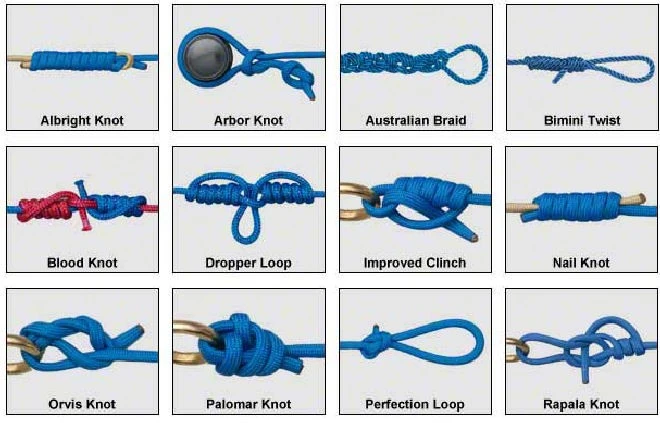
I remember teaching my nephew to tie his first improved clinch knot using our fishing knot tying guide. After twenty minutes of me trying to explain “now wrap it around five times,” we pulled up an animation on my phone. Three minutes later, he had it down. The visual motion makes all the difference, especially for visual learners who struggle with written instructions and common beginner mistakes.
Learn How to Tie Fishing Knots That Actually Hold
Let’s dive into the essential knots every angler should have in their toolkit. I’ll break these down by difficulty and application, so you can build your skills progressively. Understanding proper fishing techniques starts with solid knot work.
The Arbor Knot: Your Starting Point
Before you even think about catching fish, you need to attach your fishing line to your reel. The arbor knot is dead simple and specifically designed for this purpose. It’s essentially a modified overhand knot that tightens against itself as you wind line onto the spool.
Here’s the process: wrap your line around the reel arbor, tie an overhand knot around the main line, then tie another overhand knot at the tag end. Pull tight, and you’re done. Even if you’ve never touched fishing gear, you can master this in under two minutes. The beauty of the arbor knot is that it doesn’t need to be pretty—it just needs to grip, and it always does.
The Improved Clinch Knot: Your Everyday Workhorse
If I could only teach someone one knot, it would be the improved clinch knot. This is your bread-and-butter connection for attaching hooks, lures, and swivels to monofilament or fluorocarbon line. I’ve used this knot to land everything from scrappy bluegill to twenty-pound catfish while bass fishing.
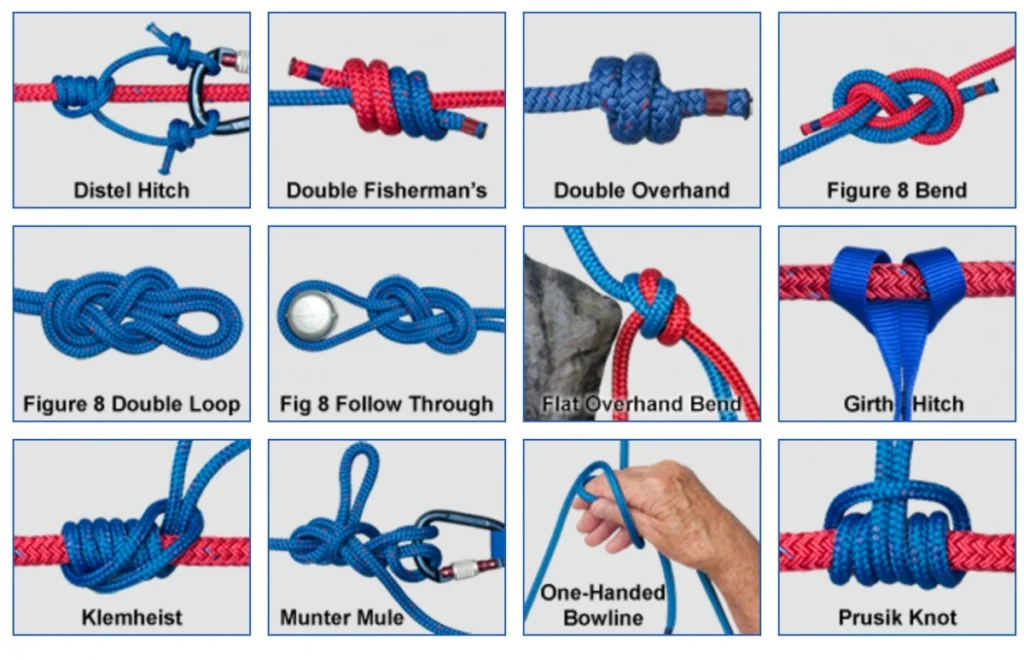
Thread your line through the hook eye, then wrap the tag end around the standing line five to seven times. Pass the tag end through the small loop near the hook eye, then back through the larger loop you just created. Moisten the knot with water or saliva (I know, not glamorous, but essential), then pull everything tight slowly and steadily. Trim the excess, leaving about an eighth-inch tag.
Don’t panic if it looks messy the first time—every great angler has tied a disaster knot at least once. The key is consistency in your wraps and taking your time with that final pull. If you’re struggling, check out our guide on fishing knots for beginners for extra help.
The Palomar Knot: Maximum Strength
When I’m targeting larger fish with advanced fishing techniques or using braided line, I reach for the Palomar knot. It’s slightly more complex than the clinch knot but offers superior strength—often testing at nearly 100% of the line’s rated breaking strength.
Double about six inches of line and pass the loop through the hook eye. Tie an overhand knot with the doubled line, leaving the hook hanging below. Pass the hook through the loop at the end, then pull everything tight. The symmetry of this knot distributes pressure evenly, making it incredibly reliable for knots for bass and other powerful species that pull hard.
Selecting the Right Knot for the Job
Not all knots work equally well in every situation. Line type, target species, and fishing technique all factor into your choice. Here’s what I’ve learned through trial and plenty of error while fishing in different seasons.
Monofilament line is forgiving and works with most traditional knots. The clinch knot and Palomar knot both excel here. Fluorocarbon is stiffer and less forgiving—I always add an extra wrap or two to my clinch knots when using fluoro, and I never skip moistening the line before tightening.
Braided line is a different beast entirely. Its slick surface can cause traditional knots to slip. For braid, I stick with the Palomar knot or learn the uni knot, which grips exceptionally well on superlines. When targeting bass in heavy cover where you need braided line’s strength and sensitivity, these knots won’t let you down during those best times to fish.
For knots for trout, where finesse matters more than raw power, the improved clinch knot with lighter line (4-6 pound test) is my go-to. Trout have excellent vision, so I often use fluorocarbon for its near-invisibility underwater when fly fishing.
Tips for Tying Better Knots
After thousands of knots tied streamside at Florida fishing spots and ocean locations, I’ve picked up some habits that dramatically improved my success rate. These small details separate knots that hold from knots that fail at the worst possible moment—avoiding the fishing line mistakes that plague many anglers.
Always moisten your knots. Friction generates heat, and heat weakens nylon and fluorocarbon. A quick lick or dip in the water before you cinch everything tight can increase your knot strength by 20-30%. Yes, it feels weird at first. Do it anyway.
Slow down. I get it—you see fish rising, adrenaline kicks in, and you want your lure in the water immediately. But a rushed knot is a weak knot. Thirty seconds of patience now beats losing a trophy fish later. I learned this lesson the hard way at a fishing tournament when a personal-best largemouth snapped off because I was in too much hurry to retie after a snag.
Check your knots regularly. Line develops memory, gets abraded by rocks and structure, and weakens with UV exposure. Before each trip, I cut off the last foot or two of line and retie my terminal tackle. During a day of fishing, I’ll retie after catching several fish or after any significant snag. This simple habit has saved countless fish and is part of being a responsible angler.
Trim your tag ends properly. Leave about an eighth-inch on most knots. Too short and the knot might slip; too long and it catches weeds. For knots that will pass through rod guides (like when using a leader), trim even closer to avoid hang-ups when setting up your fishing rod.
Practice at home. Don’t wait until you’re on the water with cold fingers and fading light to learn new knots. Spend fifteen minutes in your living room with some old line and a hook tied to a doorknob. The investment pays massive dividends when you’re actually fishing, whether you’re targeting freshwater species or saltwater fish.
Essential Tools: Rig Tyer and Loop Tyer Options
While you can tie every knot mentioned here with just your hands, a few tools make life easier, especially for anglers with vision challenges or those fishing in low light. These tools are available at any local bait shop.
A basic rig tyer helps you create consistent dropper loops and snells without finger gymnastics. I keep one in my tackle box for situations where precision matters—like when I’m rigging live bait for walleye or creating multi-hook rigs for saltwater fishing.
A loop tyer simplifies creating surgeon’s loops and perfection loops, which are essential for building your own leaders. These loops provide strong connection points without bulky knots that might spook wary fish during freshwater fishing trips.
That said, I encourage beginners to learn knots by hand first. Understanding the mechanics makes you a more versatile angler and prepares you for the top fishing challenges you’ll face. Tools are great supplements, not replacements for fundamental skills.
My Knot-Tying Disaster (And What I Learned)
Years ago, I was fishing a tournament on a lake known for massive largemouth bass. About two hours in, I hooked into what felt like a submarine. The fish bulldogged deep, my drag screamed, and my heart raced. After a three-minute battle that felt like thirty, I had her boatside—easily five pounds, maybe more.
As I reached for my net, the line went slack. My lure came flying back at me, and the knot—or what was left of it—looked like a pigtail. I’d rushed my improved clinch knot that morning, skipping the moistening step and not seating it properly. That fish would have won my division.
I sat there for a solid five minutes, retying with the care and attention I should have shown from the start. I didn’t win the tournament, but I never made that mistake again. Now, every knot gets the full treatment, tournament or not. That lost fish taught me more than a hundred successful catches ever could—a lesson echoed by many professional anglers I’ve met over the years.
Advanced Knot Considerations
Once you’ve mastered the basics, you might want to explore specialized applications. The FG knot creates seamless braid-to-fluorocarbon connections for ultra-long casts during saltwater adventures. The loop knot allows lures to move more naturally, which can trigger strikes from finicky fish. The blood knot joins two sections of line with minimal bulk.
But here’s my fishing advice: don’t feel pressured to learn every knot in existence. The anglers I know who catch the most fish—whether they’re pursuing big game fish or enjoying ice fishing—aren’t knot encyclopedias. They’re experts at five or six reliable connections. Depth beats breadth every time.
Frequently Asked Questions
What is the easiest knot for beginners to learn?
The improved clinch knot is the perfect starting point for anyone following fishing tips for beginners. It works for most situations, requires minimal steps, and becomes second nature after just a few practice sessions. I’ve taught this knot to kids as young as six years old, and they master it quickly with the help of animated demonstrations.
Can I use the same knot for bass and trout?
Absolutely. The improved clinch knot and Palomar knot work beautifully for both knots for bass and knots for trout. The main difference is your line choice—heavier for bass, lighter for trout. The knot itself remains reliable across species, whether you’re fishing freshwater locations or exploring new waters.
How many times should I wrap when tying a clinch knot?
For monofilament, five to seven wraps provide optimal strength. With thinner lines (under 8-pound test), go for seven wraps. Heavier lines can get by with five. The goal is creating enough friction to grip without creating bulk that weakens the connection—a principle emphasized in our expert fishing tips.
Do I really need to moisten knots before tightening?
Yes, absolutely. This isn’t old-wives’ tale—it’s physics. Friction creates heat, and heat damages nylon and fluorocarbon at a molecular level. Moistening reduces friction during tightening, preserving line strength. This single step can prevent 30% of break-offs and is one of those simple tricks that separates successful anglers from frustrated ones.
What’s the strongest fishing knot?
The Palomar knot consistently tests highest in lab settings, often retaining 95-100% of the line’s rated strength. However, “strongest” matters less than “most reliable for your situation.” A well-tied clinch knot beats a poorly-tied Palomar every time, especially when you’re out enjoying family fishing stories.
How often should I retie my knots while fishing?
Retie after catching several fish, after snagging on underwater structure, or anytime you notice abrasion on the last few feet of line. At minimum, retie at the start of each fishing session. Line is cheap; lost fish are priceless. This habit becomes even more critical during competitive tournaments.
Can animated knots help me tie faster on the water?
Initially, animated knots are best for learning at home where you can watch repeatedly without pressure. Once you’ve practiced enough, muscle memory takes over and you’ll tie quickly without needing references. Most anglers can tie a clinch knot in under fifteen seconds after a week of practice—fast enough to maximize time at the best fishing locations.
Building Confidence Through Practice
The difference between catching fish and losing them often comes down to these small loops of line we create at the end of our rods. Learning to tie strong, reliable knots transforms you from someone who hopes things work out to someone who knows they will—whether you’re using beginner gear or advanced equipment.
Start with the arbor knot and improved clinch knot this week. Spend fifteen minutes with some practice line while watching your favorite show. By next weekend, you’ll be tying confidently on the water at your favorite fishing spot. Add the Palomar knot to your arsenal once those first two feel automatic.
Remember, every expert angler started exactly where you are now—fumbling with line, watching their first attempts fall apart, and wondering if they’d ever get it right. They did, and so will you. These animated knots provide the roadmap; your practice provides the destination. Soon you’ll be sharing your own turning point fishing stories with others.
The water’s waiting, and now you’ve got the essential guide to fishing knots you need to fish with confidence. Whether you’re chasing your first fish or your thousandth, solid knot-tying skills are the foundation of every successful day on the water. From understanding fishing regulations to mastering animated knots, each skill builds toward becoming a complete angler.
Tight lines and strong knots—may your next catch be the one that makes the story worth telling. Now get out there and put these animated knots to work, whether you’re exploring ocean fishing destinations or your local pond.
—Paoul